New Mexico Javelina Draw Odds
Trying to wrap your head around New Mexico's draw system can feel like deciphering an ancient scroll, especially when you're dreaming of a unique hunt like Javelina. It’s frustrating when you apply year after year without understanding why some tags seem impossible to draw and others seem to float your way. This guide will walk you through the specifics of New Mexico Javelina draw odds, helping you understand the system, interpret the numbers, and formulate a strategy to put you closer to punching that tag.
Understanding New Mexico's Draw System for Javelina
New Mexico's draw system can certainly feel like a bit of a mystery, especially for those of us coming from states with point systems. But here’s the most important thing to grasp right off the bat: there are no preference points or bonus points for Javelina in New Mexico. None. Zero. Every single applicant, whether it's your first time throwing your hat in the ring or your twentieth, starts on equal footing for each draw cycle. This is a blessing and a curse, honestly. It means that while you can't build up points to increase your odds over time, you also don't have to wait years just to become competitive. Every year is a fresh start, a clean slate, and that means every year offers a chance to draw that coveted tag.
The state also uses an allocation system that carves up the available tags into different pools. You’ve got a resident pool, an outfitter pool, and a nonresident pool. For Javelina, like most species, the vast majority of tags go to New Mexico residents. This is an important factor to consider in your draw strategy. Nonresidents will find fewer tags available in their pool, which naturally makes the draw tougher. Outfitters also get a slice of the pie, and while applying with an outfitter might seem like a way to jump pools, it really means you’re applying within that specific outfitter pool, which has its own dynamics. New Mexico Splits Every Hunt 84, 10 and 6 Percent covers this in more detail for all species.
When you're applying for Javelina, you'll need to submit your application by the statewide deadline, which is typically in March. Missing that deadline means you're out of luck for the year, plain and simple. It's a hard cut-off, so marking your calendar is crucial. The March Deadline for New Mexico Applications is worth reading to make sure you're on top of it. You'll specify your hunt choices, ranking them in order of preference. The system then runs through these choices, trying to award you a tag based on availability in your respective pool and your chosen hunt codes.
Decoding Javelina Hunt Codes and Unit Choices
Navigating the New Mexico draw starts with understanding hunt codes. These aren't just arbitrary numbers; they're packed with information that tells you everything you need to know about a specific hunt opportunity. For Javelina, a hunt code will specify the species (Javelina, obviously), the weapon type (archery, muzzleloader, or any legal weapon), the season dates, and, critically, the game management unit (GMU) where the hunt takes place. For example, a code like "JAV-1-1" might mean Javelina, unit 1, first archery season. Reading a New Mexico Hunt Code breaks down these codes more thoroughly.
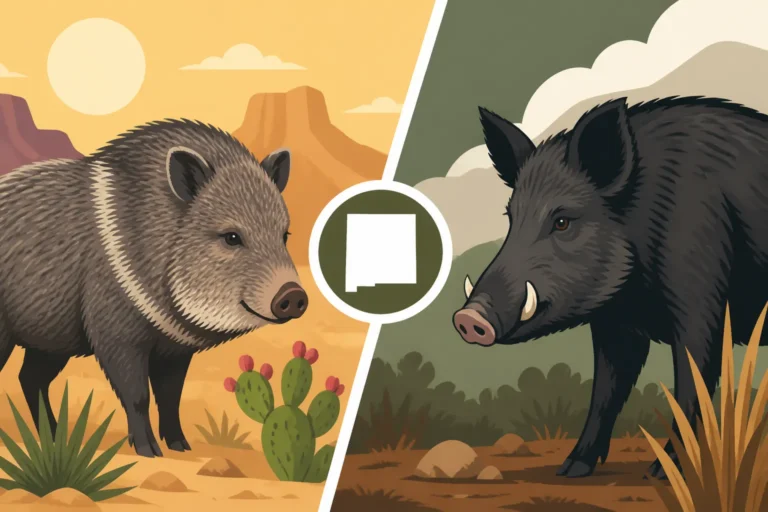
When you're looking at Javelina opportunities, you'll quickly notice that they are primarily concentrated in the southern half of the state. These desert-dwelling creatures thrive in specific habitats, often in the Chihuahuan Desert regions. Units around areas like Las Cruces, Deming, and Lordsburg are often prime Javelina country. You won't find Javelina hunts in the high-elevation elk units of northern New Mexico, for instance. So, your unit choices are naturally limited to where these animals actually live. Javelina Range Across Southern New Mexico can help you pinpoint these areas.
Understanding the terrain and access within a unit is just as important as knowing the draw odds. Some units might have higher success rates simply because they have more accessible public land, or because the Javelina populations are more concentrated. Other units might be harder to hunt due to vast private land holdings or rugged, roadless terrain. When you're making your choices, think about what kind of hunt you're looking for. Are you ready for a backcountry foot hunt, or do you prefer something with easier vehicle access? This choice can significantly affect your experience, and sometimes, the draw odds reflect that popularity.
Analyzing New Mexico Javelina Draw Odds
Now, let's get into the nitty-gritty of draw odds. It’s what everyone wants to know, right? How likely am I really to get this tag? New Mexico Game and Fish publishes draw success statistics after each cycle, usually broken down by hunt code, residency, and whether an outfitter was used. This data is your goldmine for understanding historical trends. You can see how many applicants there were for each tag and what the percentage chance of drawing was.
For a deeper dive, many hunters turn to analytical platforms like GoHunt. These services compile the state’s data, often presenting it in a more digestible format with filtering options that can help you compare specific units, weapon types, and even application scenarios. GoHunt, for example, allows you to filter by species, residency, and application type to quickly see the actual draw odds for previous years. This kind of tool is invaluable because it lets you move beyond just guessing and make data-driven decisions about your application strategy.
It's important to remember that New Mexico operates on a true lottery system. As we mentioned, there are no preference points, so How New Mexico Draw Odds Do Not Improve With Time is a critical concept to internalize. Your 5% chance this year is the same 5% chance next year. This means consistency is key. Keep applying, and eventually, the odds might just fall in your favor. Looking at the draw statistics, you might see that Javelina tags generally have better odds than, say, a coveted Gila bull elk tag, simply because there's less overall competition for Javelina. This makes Javelina an excellent target species for those looking to get a unique New Mexico big game tag without years of waiting.
Here's a simplified look at how Javelina draw odds might appear, though actual percentages will vary year to year and by unit:
| Hunt Code | Residency | Weapon Type | Applicants | Tags Allotted | Draw Odds (Approx.) |
|---|---|---|---|---|---|
| JAV-1-101 | Resident | Archery | 150 | 30 | 20% |
| JAV-1-102 | Resident | Any Legal Weapon | 250 | 20 | 8% |
| JAV-1-101 | Nonresident | Archery | 75 | 3 | 4% |
| JAV-2-201 | Resident | Archery | 100 | 25 | 25% |
| JAV-2-202 | Resident | Muzzleloader | 80 | 15 | 18.75% |
Note: These are hypothetical examples. Always check current New Mexico Game and Fish statistics for actual draw odds.
Strategies to Improve Your Javelina Draw Success
While the draw is ultimately a lottery, there are certainly ways to play the game smarter and nudge the odds in your favor, or at least maximize your chances of drawing something. The first strategy is all about how you order your choices. New Mexico's draw system processes your choices in the order you list them. If your first choice doesn't draw, it moves to your second, and so on. So, consider putting your dream hunt as your first choice, even if the odds are low. Then, for your second and third choices, look for hunts with slightly higher odds, perhaps in less popular units or with different weapon types. Choice Order Strategy in the New Mexico Draw delves into this in depth.
Another solid strategy is to consider less competitive hunt dates or weapon types. Archery-only seasons, for example, often have fewer applicants than "any legal weapon" rifle hunts. If you're proficient with a bow, applying for an archery Javelina tag could significantly boost your chances. Similarly, some early or late season hunts might be less popular due to weather conditions or other hunting season overlaps, leading to better draw odds. This requires a bit of research into the specific hunt codes and their historical success rates, something a tool like GoHunt can really help with.
Don't forget about leftover licenses. New Mexico sometimes has undersubscribed hunts, meaning not all tags were issued in the main draw. These leftover tags are then sold on a first-come, first-served basis. While Javelina tags might not be as frequently left over as some deer or antelope tags, it's always worth keeping an eye on the leftover list. If you don't draw in the main lottery, this provides a second bite at the apple, giving you another opportunity to snag a tag for the season. Where New Mexico Lists Undersubscribed Hunts is the place to check for these opportunities.
Finally, while applying for Javelina, remember that you can apply for multiple species in the same draw period. If your budget and time allow, consider throwing in an application for a different species. Just be mindful of the application fees per species, as these can add up. What New Mexico Charges Per Species Application will give you the rundown on those costs. By strategically spreading your applications across different hunt types and species, you increase your overall chance of drawing at least one tag in a given year.
Disclaimer:
This article is for general informational purposes only and does not constitute professional advice. Laws, prices and regulations vary by location and change over time. Consult a qualified professional for guidance on your specific situation.