Sandhill Crane Permits in New Mexico
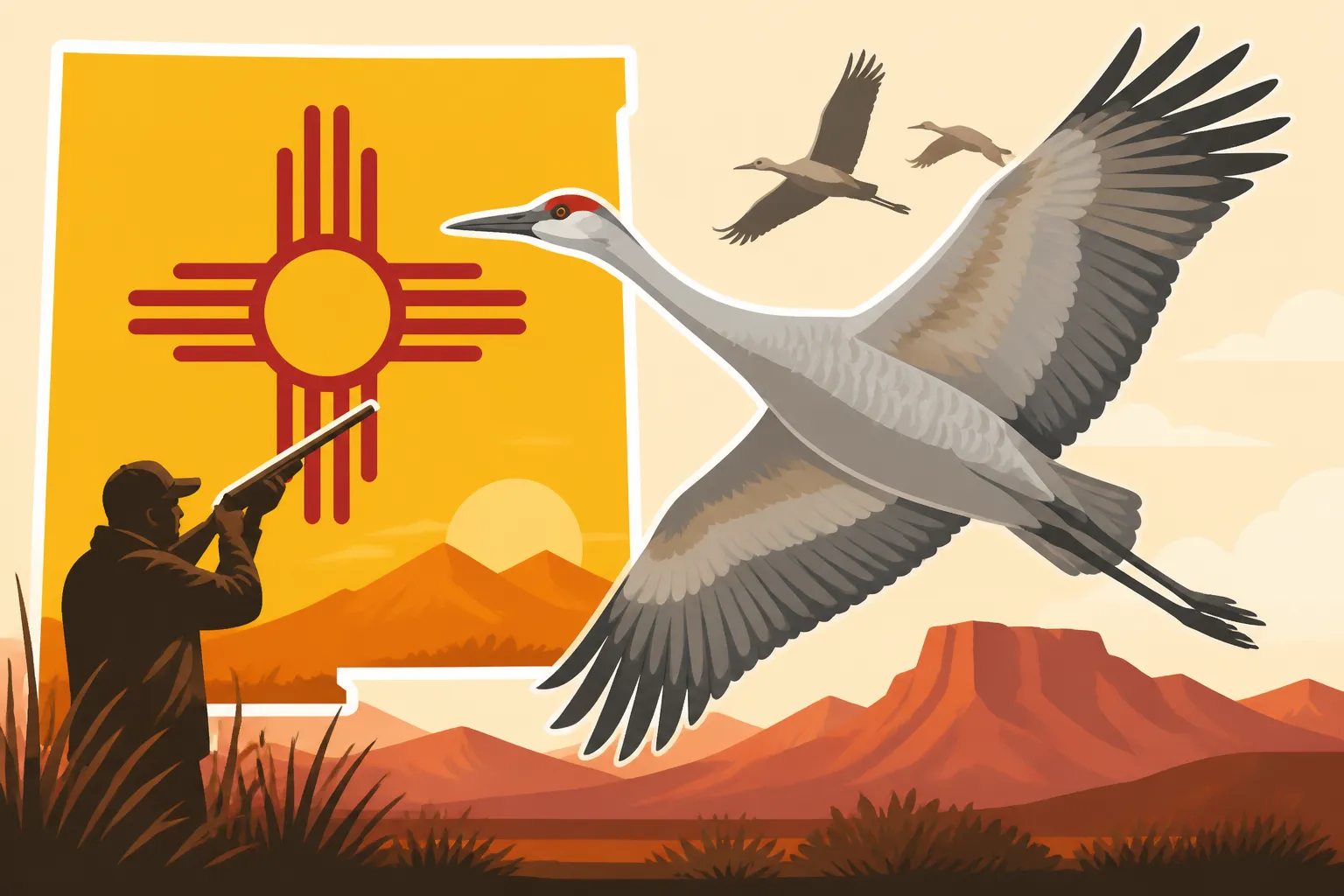
Hunting sandhill cranes in New Mexico offers a truly unique experience, but it’s one that comes with its own set of rules and, most notably, a special permit that isn't always immediately obvious to folks used to standard big game or even waterfowl licenses. It can be a little frustrating trying to figure out which hoops you need to jump through, especially when you just want to get out there and enjoy a season. This guide is here to demystify the process, walking you through everything you need to know about securing those coveted sandhill crane permits and ensuring your hunt is both legal and successful in the Land of Enchantment.
Getting Started: Why a Special Permit for Sandhill Cranes?
You might be thinking, "It's just another bird, why all the extra paperwork?" And you wouldn't be alone in that thought. Many hunters, especially those new to migratory bird hunting or even seasoned big game hunters, find the specific requirements for sandhill cranes a bit of a curveball. Unlike resident game birds or even some waterfowl that fall under a more general license umbrella, sandhill cranes are managed with particular care due to their migratory patterns, their majestic appearance, and the need to ensure sustainable populations across multiple states.
The Unique Status of Sandhill Cranes in New Mexico
New Mexico is a critical wintering ground and migratory corridor for several populations of sandhill cranes, particularly the Mid-Continent and Rocky Mountain populations. These birds undertake incredible journeys, flying thousands of miles from their northern breeding grounds to spend the colder months in our warmer climate, often concentrating in agricultural fields and wetlands. Their presence is a spectacular sight, but it also necessitates a more precise management approach than, say, a local quail population. The state, in conjunction with federal agencies, carefully monitors population numbers, migration routes, and harvest data to set season lengths and tag allocations. This rigorous management is precisely why a dedicated permit system is in place – it allows for precise control over harvest numbers and ensures the long-term health of these magnificent birds.
Beyond the General Hunting License: What the Permit Covers
So, what does this special permit actually entail? It’s not just an add-on; it's a distinct authorization. While you will, of course, need a valid New Mexico hunting license (often referred to as a Game Hunting License) and a Harvest Information Program (HIP) number, the sandhill crane permit is separate. Think of it less like a deer tag and more like a specific endorsement for a particular type of migratory game bird, similar to federal duck stamps for waterfowl. This permit explicitly grants you the legal right to hunt sandhill cranes within designated areas and during specified seasons. Without it, even if you have all your other licenses in order, you're not legally permitted to pursue them. This permit is critical because it ties directly into the federal migratory bird hunting regulations, which dictate much of the framework for crane hunting across state lines. New Mexico Small Game Seasons at a Glance can give you an idea of how this fits into the broader picture of small game in the state.
Understanding the Management Approach for Crane Harvest
The management of sandhill cranes is a prime example of adaptive harvest management, a science-based approach where hunting regulations are adjusted annually based on population surveys, breeding success, and harvest levels from the previous year. New Mexico's permit system plays a vital role here. By issuing a limited number of permits or controlling zones and season lengths, the state can react quickly to population fluctuations. This method ensures that hunting remains a sustainable activity while also protecting the species. For hunters, this means that season dates, bag limits, and even the availability of permits can shift from year to year, underscoring the importance of checking the latest regulations booklet every single season. It’s not a static system, and staying informed is your responsibility.
Navigating the Application Process for Sandhill Crane Permits
Getting your hands on a sandhill crane permit in New Mexico requires a bit of foresight and attention to detail. It’s not always as straightforward as just walking into a sporting goods store and buying one off the shelf, especially for the more desirable hunts or limited quota areas. The process involves specific deadlines and steps, and missing any of them could mean missing out on the season.
Key Dates and Deadlines You Can't Miss
Just like with big game draws, sandhill crane permits often operate on a draw system, particularly for certain zones or timeframes. This means there are hard deadlines for application submissions. While the exact dates can shift slightly year to year, they generally fall well in advance of the hunting season, often in late summer or early fall. It’s not uncommon for these deadlines to coincide with other migratory bird application periods, so it’s easy to overlook if you’re not specifically looking for it. A common frustration among hunters is the sheer number of different deadlines for various species throughout the year. The best advice I can offer is to mark your calendar early. The New Mexico Department of Game and Fish (NMDGF) website is always the most authoritative source for these dates. Websites like GoHunt also provide excellent calendars and reminders for application deadlines across various states, which can be a lifesaver for keeping track of all the different opportunities. Don't rely on memory; set those digital alerts! Remember, The New Mexico Application Deadline Date for big game is usually in March, but migratory bird seasons have their own unique timing.
Step-by-Step: Applying Online or Through the Mail
Most hunters today will find the application process easiest online through the NMDGF licensing portal. Here's a general rundown of what you can expect:
- Create or Log In to Your Account: If you're a returning hunter, you'll use your existing customer ID. New hunters will need to create a profile, which involves providing personal information and often a valid hunter education number (if applicable).
- Purchase Your Game Hunting License: You’ll need a valid New Mexico Game Hunting License for the current year before you can apply for any special permits.
- Obtain Your HIP Number: The Harvest Information Program (HIP) is a federal requirement for all migratory bird hunters. It's usually a quick, free registration process through the NMDGF portal where you answer a few questions about your hunting activity from the previous year. This number is mandatory.
- Find the Sandhill Crane Permit Application: Navigate to the "Special Hunts" or "Draw Applications" section. Look specifically for Sandhill Crane permits.
- Select Your Choices: Often, you'll be able to select multiple choices based on different hunt codes, zones, or dates. Take your time here. Research which zones offer the best opportunities or align with your scouting efforts. Reading a New Mexico Hunt Code Before You Apply is essential here, as crane hunt codes will have their own specific structure.
- Pay Application Fees: There will be a non-refundable application fee. If you're successful in the draw, the full permit fee will be charged to your card.
- Confirm and Submit: Double-check all your information before submitting. Errors can lead to disqualification.
While online is preferred, there might still be options for paper applications for some programs, but they are often slower and more prone to errors. Always confirm the preferred and most efficient method with NMDGF.
What to Expect After You Apply: Draw Results and Permit Issuance
After the application deadline closes, it’s a waiting game. The NMDGF will conduct the draw, and results are typically posted online by a specified date. You'll usually receive an email notification if you're successful or unsuccessful. If you draw a permit, the permit fee will be automatically charged to the credit card you provided during the application process.
Once successful, your permit might be available as a printable document from your online account, or in some cases, a physical permit might be mailed to you. Always carry your permit, your valid New Mexico hunting license, and your HIP number with you while hunting. Losing a permit can be a real headache, so treat it like gold. Websites like GoHunt often publish draw odds and success rates after the season, which can be useful for planning future applications, giving you an idea of the competitiveness of certain crane hunts.
Essential Regulations and Season Details for New Mexico Sandhill Crane Hunting
Understanding the specific rules and regulations is paramount when hunting sandhill cranes in New Mexico. These aren't just suggestions; they are legally binding requirements designed to ensure both hunter safety and the conservation of the species. Getting caught unaware can lead to fines, confiscation, and losing your hunting privileges, so take the time to read the annual rules and information booklet thoroughly.
Understanding the Specific Hunt Codes and Zones
New Mexico is often broken down into distinct hunt zones for sandhill cranes, each with its own specific hunt codes, season dates, and bag limits. These zones are usually defined by geographical features, county lines, or specific management areas like those around Bernardo, Ladron, or Belen. A single permit may only be valid for a particular zone or combination of zones, and hunting outside of your permitted area is a serious violation.
For example, you might see hunt codes like "CRANE-1-XXX" where XXX denotes the zone and specific dates. These codes are not arbitrary; they are the backbone of the management strategy. Before you even apply, you should consult the NMDGF Rules and Information booklet (or the online summary) to understand which zones are open, what the season dates are for each, and which permit you should be applying for. Many hunters use mapping applications like those from GoHunt to overlay these unit boundaries onto satellite imagery to better understand the hunt area. This helps avoid accidental trespass and ensures you're hunting in the correct spot.
Bag Limits, Possession Limits, and Shooting Hours
The daily bag limit for sandhill cranes is typically quite restrictive, often around two or three birds per hunter per day. There's also usually a possession limit, which is the maximum number of birds you can have on your person or in your vehicle at any given time, often twice the daily bag limit. This prevents hunters from accumulating a large number of birds over several days of hunting. It's crucial to count carefully and ensure you do not exceed these limits.
Shooting hours for sandhill cranes generally follow the standard migratory bird regulations: one-half hour before sunrise to sunset. However, these times are often specific to individual hunting days and change throughout the season as sunrise and sunset times shift. It’s not a static 6 AM to 6 PM. Always consult a reliable sunrise/sunset table or app for your specific location and date. For general comparison, you can look at New Mexico Legal Shooting Hours for Big Game to see how they might differ from small game and migratory birds.
Special Considerations: Decoys, Calling, and Ethical Hunting
Hunting sandhill cranes often involves specific tactics that may require special consideration:
- Decoys: Using decoys is a common and highly effective tactic for attracting cranes. Large, realistic decoys, often resembling feeding or resting birds, can draw them in.
- Calling: Crane calls, mimicking their distinctive trumpeting, can also be very effective. Electronic calls are generally not permitted for migratory game birds, so ensure you are using mouth calls or other legal devices. Always double-check the current regulations on electronic calls for sandhill cranes.
- Blaze Orange: While not always required for migratory bird hunting, it's always a good idea to wear some blaze orange, especially if hunting on public land during deer or elk seasons, or if you are hunting in a group. Safety first!
- Retrieving Downed Birds: Cranes are large birds and can sail a considerable distance after being shot. Make every effort to retrieve all downed birds. Leaving birds in the field is unethical and, in many cases, illegal.
- Transportation: When transporting cranes (or any migratory game bird), federal regulations often require that one wing remains attached to the bird until it reaches your home or a processing facility. This allows for identification of the species and sex by law enforcement.
Adhering to these specific regulations and ethical practices not only keeps you legal but also contributes to the positive public perception of hunting and the conservation efforts for these magnificent birds.
Optimizing Your Sandhill Crane Hunt in New Mexico
Once you've got that coveted permit in hand, the real fun begins: planning and executing a successful hunt. Sandhill cranes are wily birds, and a successful outing often comes down to good scouting, the right gear, and understanding their patterns.
Locating Prime Crane Habitat and Roosting Areas
Sandhill cranes are creatures of habit, and understanding their daily patterns is key. They typically spend their nights roosting in shallow water bodies – often large playas, shallow lakes, or flooded agricultural fields where they feel safe from predators. At dawn, they fly out to feeding areas, which are almost always agricultural fields. They love corn, alfalfa, and various grains. As the day progresses, they might move between feeding areas or even take a mid-day break back at a secure loafing area or water source.
To find these prime spots, start with digital scouting. Use satellite imagery on mapping apps (like those offered by GoHunt) to identify large agricultural areas, especially those near significant water sources. Look for distinct flight lines or areas that appear to be heavily used. Local knowledge is invaluable, so chat with farmers (with permission, of course) or other hunters. Driving rural roads at dawn or dusk during the weeks leading up to the season can reveal major flight paths and feeding locations. Pay attention to fields that have recently been harvested, as they often leave waste grain that cranes are highly attracted to. E-Scouting a New Mexico Unit Before the Season covers general principles that apply perfectly to crane scouting.
Gear and Tactics for a Successful Crane Hunt
A successful sandhill crane hunt often requires specific gear and tactics:
- Shotgun and Ammunition: A 12-gauge shotgun is the standard, often with a modified or full choke. For ammunition, larger shot sizes like BB, 2, or 4 are preferred due to the crane's size and tough feathers. Steel shot or other non-toxic shot is required for all migratory bird hunting, including cranes, so leave your lead loads at home.
- Decoys: As mentioned, good quality decoys are a game-changer. You'll want large, realistic full-body decoys or silhouette decoys. The more the better, as cranes are social birds. Set them up to mimic a feeding flock.
- Blinds: Cranes have incredibly sharp eyesight. A good ground blind or natural cover is essential. Layout blinds that allow you to disappear into a field are very popular. Make sure your blind blends in seamlessly with the surroundings.
- Calling: Mastering a sandhill crane call can be challenging but rewarding. Their distinctive "garooo-a-a" call is unique. Practice before your hunt.
- Patience and Persistence: Like any bird hunting, cranes can be finicky. Wind, weather, and hunting pressure all play a role. Be patient, adjust your spread and calling as needed, and be prepared to move if the birds aren't cooperating.
- Dress for the Weather: Early fall mornings in New Mexico can be chilly, but midday can quickly warm up. Layering is key, and wearing camouflage that blends with the dominant crop or dirt color of the fields will help.
Post-Harvest Requirements and Reporting
After a successful hunt, your responsibilities don't end. You'll need to immediately tag your bird according to any specific instructions on your permit. Remember the rule about keeping one wing attached for transport, at least until you reach your final destination.
More importantly, New Mexico often requires mandatory reporting for sandhill crane harvests. This is a critical piece of data for wildlife managers to track harvest numbers and adjust future seasons. The reporting process is usually simple and can be done online or via a phone number provided by NMDGF. Failing to report a harvest can result in penalties, so don't skip this step. It's how the state gathers the vital information needed to ensure future hunting opportunities for these magnificent birds. Reporting your harvest is part of being a responsible hunter and contributes directly to the conservation of this unique species.
Disclaimer
This article is for general informational purposes only and does not constitute professional advice. Laws, prices and regulations vary by location and change over time. Consult a qualified professional for guidance on your specific situation.