How New Mexico Rebuilt Its Bighorn Herds
For many hunters in New Mexico, the bighorn sheep represents the pinnacle of big game, a majestic symbol of rugged wilderness. Yet, these incredible animals faced significant struggles in the past, with populations dwindling to alarming lows due to a perfect storm of environmental pressures and historical factors. This guide dives deep into the remarkable journey of how New Mexico's wildlife managers, conservation groups, and dedicated hunters worked tirelessly to rebuild these iconic bighorn herds, turning the tide for a species that was once on the brink.
The Steep Decline of New Mexico's Bighorn Herds
Before we celebrate the success, it’s important to understand the depths from which these herds had to climb. New Mexico, like many western states, saw its bighorn sheep populations decimated over a period of many decades, a disheartening trend that threatened to erase them from our mountains forever. It wasn't just one single cause, but a complex web of factors that conspired against these magnificent animals.
Historical Factors Leading to Population Collapse
The early 20th century, and even stretching back into the late 1800s, brought immense changes to the landscapes bighorns called home. Unregulated hunting, while eventually curbed, certainly played a role in reducing initial numbers. However, far more insidious threats emerged with the expansion of human settlement and livestock grazing. As ranchers moved cattle and domestic sheep into traditional bighorn territories, it created unavoidable conflicts. The bighorns, having evolved in relative isolation, simply weren't equipped to handle these new pressures.
Perhaps the single greatest blow was disease. Domestic sheep carry pathogens, such as Mycoplasma ovipneumoniae, that are relatively benign to them but absolutely devastating to bighorns. When domestic sheep grazed on bighorn range, or even when bighorns came into contact with contaminated water sources or bedding areas, the diseases would spread like wildfire through the wild herds, leading to mass die-offs. A herd could be thriving one year and be reduced to a handful of survivors, or even completely wiped out, the next. Bighorn Disease Die-Offs Explained offers a deeper dive into this tragic reality.
Habitat Loss and Fragmentation
Beyond disease, the relentless march of development and resource extraction also took its toll. Bighorn sheep are highly specialized creatures, relying on steep, rugged terrain to escape predators and access specific forage. As mining, logging, and ranching expanded, critical bighorn habitat was encroached upon, fragmented, or degraded. Water sources were altered, traditional migration routes were cut off by fences or roads, and the very wilderness that protected them began to shrink.
The loss of escape terrain was particularly damaging. Bighorns need those sheer cliffs and rocky outcrops to evade mountain lions, coyotes, and even golden eagles, especially during lambing season. When these safe havens were reduced or made harder to access, lamb survival rates plummeted, and overall herd health suffered. It created a situation where even if disease wasn't a factor, the animals were constantly stressed and unable to thrive.
The Blueprint for Recovery: Science and Dedication
Recognizing the dire situation, New Mexico embarked on an ambitious journey to bring bighorns back. This wasn't a quick fix or a single action; it was a long-term commitment involving rigorous scientific research, careful planning, and an incredible amount of logistical effort. The state's wildlife management agencies, often working hand-in-hand with federal partners like the U.S. Forest Service and Bureau of Land Management, developed a multi-faceted approach.
Strategic Transplants and Reintroductions
One of the most powerful tools in the recovery effort has been the strategic transplant of bighorn sheep. This involved carefully capturing healthy animals from robust, existing herds – sometimes within New Mexico, sometimes from other states with healthy populations – and relocating them to historical bighorn ranges where habitat was suitable and threats had been mitigated. This process is incredibly complex and requires precision, from the capture itself to the veterinary checks, transport, and careful release into their new homes. Transplant Programs That Rebuilt Herds goes into more detail about how these efforts function.
The goal wasn't just to drop sheep into a new area; it was to establish viable, self-sustaining populations. This meant choosing release sites with abundant forage, reliable water, and secure escape terrain. The initial groups were often small, so monitoring their adaptation and reproduction was crucial. Wildlife biologists kept a close eye on these fledgling herds, often using telemetry collars to track their movements and assess their survival rates, gathering vital data on their success.
Habitat Enhancement and Protection
You can release bighorns, but if their habitat isn't up to par, the effort is in vain. A significant part of New Mexico's recovery plan involved extensive habitat enhancement and protection work. This included everything from carefully managing grazing allotments to reduce conflicts with domestic livestock, to restoring water sources in arid regions. Water Development Projects Built for Wildlife highlights how crucial these efforts are, especially in the desert ranges where water can be scarce for wildlife.
Projects might involve fencing off sensitive areas from cattle, developing guzzlers (artificial watering holes) in remote locations, or even prescribed burns to encourage new, nutritious forage growth. The protection aspect also meant working with private landowners and federal agencies to ensure critical bighorn strongholds remained undisturbed, minimizing human encroachment and disturbance during sensitive periods like lambing. GoHunt's mapping tools can often reveal these protected areas and help hunters understand the landscape management efforts in place.
Disease Monitoring and Predator Management
To prevent a repeat of past devastating disease outbreaks, continuous monitoring of both wild and domestic sheep health became paramount. This involved regular surveillance, testing samples from harvested animals or those found deceased, and working with livestock producers to maintain strict separation between bighorn and domestic sheep. Education and cooperation with local communities are key to preventing the spread of disease.
Predator management, particularly for mountain lions, also became a component in certain areas where bighorn lamb survival was consistently low. This isn't about eradicating predators, but about targeted management to give vulnerable bighorn populations a chance to establish themselves and grow. Predator Management and Deer Recovery provides a broader perspective on how this delicate balance is approached in wildlife conservation, recognizing that all species play a role in the ecosystem.
The Challenges and Ongoing Journey
Rebuilding bighorn herds is a marathon, not a sprint. Even with significant successes, New Mexico's wildlife managers face ongoing challenges and must remain vigilant to maintain and expand these hard-won populations. The environment itself, always dynamic, presents its own set of hurdles.
Environmental Variables and Climate Change
New Mexico's climate is inherently arid, and extended droughts can severely impact forage quality and water availability, stressing bighorn populations. Climate change introduces an additional layer of uncertainty, with potential shifts in precipitation patterns and temperature extremes. These changes can reduce lamb survival, weaken adult bighorns, and make them more susceptible to disease. Biologists constantly monitor these environmental factors, often using data analysis to predict potential impacts on herd health.
Furthermore, extreme weather events, like unusually harsh winters in the northern Rocky Mountain bighorn ranges or intense summer monsoons leading to flash floods in desert areas, can also directly impact bighorn survival and habitat. Managing a species that relies on such specific and often unforgiving terrain means being prepared for whatever nature throws their way, adapting strategies as needed.
Genetic Diversity and Herd Health
As herds grow from small founding populations, maintaining genetic diversity becomes an important consideration. A limited gene pool can make a herd more vulnerable to disease or less adaptable to environmental changes. Wildlife managers sometimes introduce new animals from genetically distinct populations to bolster diversity in smaller, isolated herds. This delicate balancing act ensures the long-term resilience and health of the bighorn populations.
Disease remains a constant threat. While efforts are made to separate wild and domestic sheep, accidental contact can still occur. Continuous monitoring and rapid response protocols are essential to quickly detect and contain any outbreaks, preventing a return to the devastating die-offs of the past. How Chronic Wasting Disease Testing Works offers an example of how other wildlife diseases are managed and monitored within the state, underscoring the importance of such programs.
Public Awareness and Funding
The success of bighorn recovery also relies heavily on public support and funding. Conservation initiatives are expensive, requiring resources for transplants, habitat work, monitoring equipment, and personnel. Hunter dollars, through license and tag sales, are a primary source of this funding. Conservation groups like the Wild Sheep Foundation also play a crucial role, raising funds and advocating for bighorn protection.
Educating the public about the importance of bighorn sheep and the challenges they face helps foster a sense of shared responsibility. This includes informing hikers, campers, and other recreational users about responsible backcountry practices that minimize disturbance to bighorn habitat. Tools like GoHunt can help disseminate information about conservation needs to a wide audience of outdoor enthusiasts.
The Indispensable Role of Hunters and Conservation Partners
It would be impossible to talk about bighorn recovery without highlighting the profound impact that hunters and various conservation organizations have had. Their passion, dedication, and financial contributions have been the engine driving these incredible success stories.
Hunters as Conservationists
While bighorn tags are among the rarest and most coveted in New Mexico, hunters who pursue other species, as well as those who simply appreciate wildlife, have been instrumental. Revenue from the sale of hunting licenses, tags, and excise taxes on firearms and ammunition directly funds wildlife management efforts, including bighorn conservation, through programs like the Pittman-Robertson Act. Every hunter contributes to this vital funding stream.
Beyond dollars, hunters often act as the eyes and ears in the field, reporting unusual sightings, sick animals, or potential habitat issues to wildlife agencies. Their intimate knowledge of the landscape and dedication to healthy wildlife populations make them invaluable partners in conservation. While most hunters will never draw a bighorn tag, the satisfaction of seeing these magnificent animals thrive on our public lands is a reward in itself. For those curious about draw odds, New Mexico Bighorn Sheep Draw Odds provides insight into how challenging it is to secure one of these coveted permits.
Collaborative Conservation Efforts
New Mexico's success with bighorn sheep is a testament to effective collaboration. The New Mexico Department of Game and Fish leads these efforts, but they are supported by a network of federal agencies, non-profit conservation groups, and even individual volunteers. The Wild Sheep Foundation, for example, dedicates substantial resources to funding bighorn research, habitat projects, and transplants across North America, including vital work in New Mexico.
These partnerships leverage diverse expertise and resources. Federal agencies like the U.S. Forest Service and Bureau of Land Management manage vast tracts of public land, making their cooperation essential for habitat protection and restoration. Local conservation chapters rally volunteers for hands-on projects, from hauling materials for guzzlers to participating in annual sheep counts. This collective spirit is truly what makes such monumental conservation achievements possible.
Future Outlook and Continued Vigilance
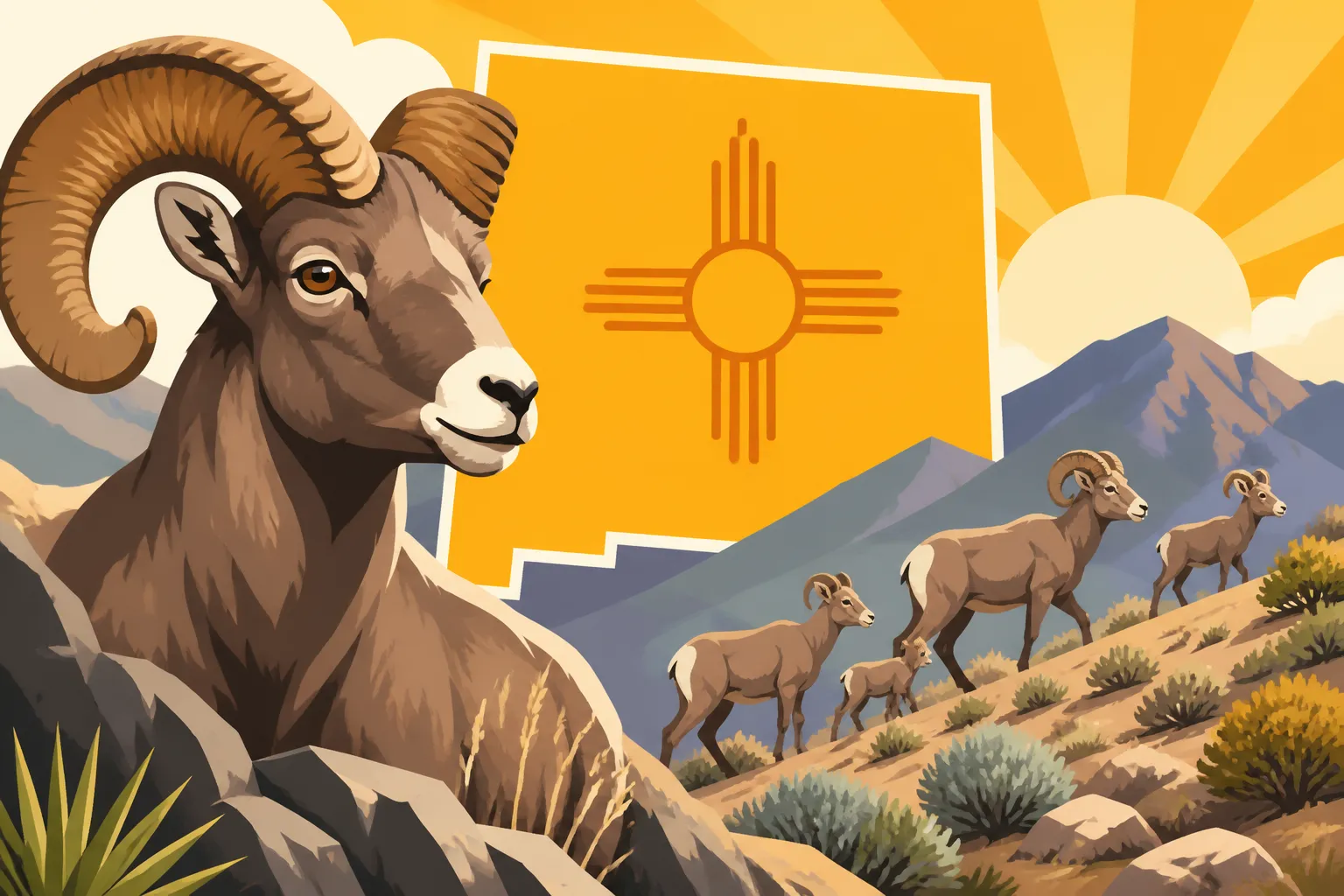
Thanks to these sustained efforts, New Mexico now boasts healthy populations of both Rocky Mountain bighorn in the northern ranges, like the Pecos Wilderness, and Desert bighorn in the rugged southern mountains, such as the Fra Cristobal and Big Hatchet Mountains. Seeing a bighorn ram silhouetted against a New Mexico sunrise is now a realistic possibility, rather than a wistful dream. For those interested, Desert and Rocky Mountain Bighorn in New Mexico provides a great overview of where these different subspecies are found.
However, the work is far from over. Maintaining these herds, especially in the face of ongoing environmental and human pressures, requires continued vigilance, adaptive management strategies, and robust funding. The commitment to bighorn sheep in New Mexico serves as a powerful example of what can be achieved when science, public support, and dedicated effort come together for wildlife conservation. The story of their recovery is a conservation triumph, but it's a chapter that constantly needs rewriting and updating to ensure future generations can also witness these incredible animals in their natural element.
Bighorn Recovery Challenges and Solutions
| Challenge Area | Specific Issues | New Mexico's Solutions |
|---|---|---|
| Disease Transmission | Contact with domestic sheep, Mycoplasma ovipneumoniae outbreaks | Strategic separation efforts, disease surveillance, livestock outreach, targeted pathogen monitoring. |
| Habitat Degradation/Loss | Encroachment by development, reduced forage, fragmented terrain, altered water sources | Habitat restoration, fencing off sensitive areas, guzzler development, prescribed burns, land acquisition/easements. |
| Limited Genetic Diversity | Small founder herds, isolated populations, inbreeding | Interstate and intrastate transplants from robust, genetically diverse herds, genetic monitoring. |
| Predation Pressure | High mountain lion populations impacting lamb survival in specific areas | Targeted predator management in critical bighorn nursery areas, informed by scientific research and population monitoring. |
| Climate and Environmental Stress | Drought, extreme weather, reduced water/forage availability | Development of reliable water sources, habitat improvements to enhance forage resilience, adaptive management strategies. |
| Funding and Public Support | Costly conservation efforts, need for awareness | Hunter license/tag revenue (Pittman-Robertson), conservation group partnerships (e.g., Wild Sheep Foundation), public education campaigns. |
Disclaimer
This article is for general informational purposes only and does not constitute professional advice. Laws, prices and regulations vary by location and change over time. Consult a qualified professional for guidance on your specific situation.