Where Desert Bighorn Live in New Mexico
For many hunters, the thought of pursuing a desert bighorn sheep in New Mexico conjures images of remote, unforgiving landscapes and an animal that is notoriously elusive. It's a dream hunt, but understanding where these magnificent creatures call home is the crucial first step, and often, the most perplexing part of the puzzle. This guide will walk you through the distinct habitats of New Mexico's desert bighorn, shedding light on the rugged terrain they prefer and the specific mountain ranges where they thrive, helping you decipher the clues to their hidden world.
Understanding the Desert Bighorn's Domain
Desert bighorn sheep are masters of their environment, perfectly adapted to some of the most challenging and arid landscapes New Mexico has to offer. They aren't just in "the desert"; they seek out very specific features within it. When we talk about their domain, we're picturing towering, rocky slopes, steep canyons, and vast, open expanses that provide both forage and crucial escape terrain. This isn't your flat, sandy desert floor; it's a world of verticality and sharp, broken geology.
The survival of a desert bighorn hinges on its ability to navigate extreme temperatures, scarce water, and constant predator threats. Their habitat reflects these needs: high vantage points for spotting danger, craggy cliffs and ledges where predators like mountain lions can't follow, and access to water, even if it's only a seep or a temporary catch basin. These are animals that can go for extended periods without surface water, relying on moisture from vegetation, but they still need to drink regularly, especially during the hot summer months. Understanding this dependency on water, whether it's a natural spring or a man-made guzzler, is key to locating these animals. You’ll often find sign around these critical resources, even if the sheep themselves are high up on a ridge.
Furthermore, desert bighorns are creatures of habit within their chosen territories. They establish well-worn travel corridors, bedding areas, and feeding grounds. These are almost always in areas that offer them a strategic advantage – usually steep, broken country that limits human and predator access. You're not going to find them browsing casually in a flat meadow, not like you might find a mule deer. Their existence is one of constant vigilance, and their habitat provides the ultimate sanctuary. This makes scouting and pre-hunt research incredibly important, as you're looking for these very specific pockets of safety and resources.
Key Mountain Strongholds Across Southern New Mexico
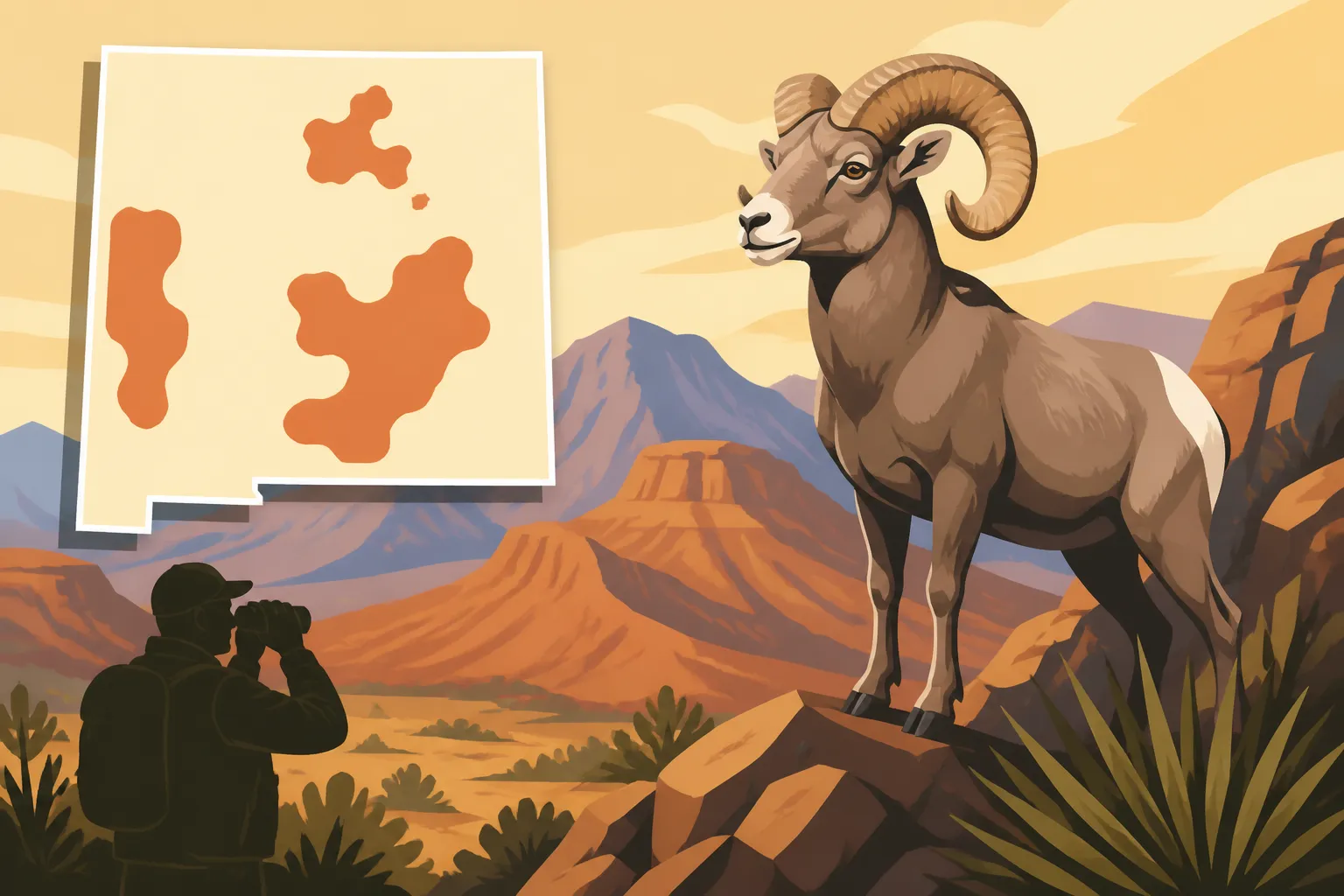
New Mexico's desert bighorn populations are primarily found in the rugged, isolated mountain ranges of the southern and southwestern parts of the state. These aren't contiguous, vast wilderness areas, but rather a series of "island ranges" rising dramatically from the desert floor. Each range has its own unique character, but they all share the fundamental traits that bighorns require: steep slopes, rocky terrain, and relative isolation. If you're looking at a map and trying to figure out where to focus, think of the areas where the landscape suddenly folds and erupts into sharp peaks and deep canyons.
Some of the most well-known strongholds include the Peloncillo Mountains, stretching along the Arizona border, which offer vast and extremely rugged terrain. The Hatchet and Big Hatchet Mountains further east are another prime example, characterized by their arid, towering peaks that seem to defy the flat desert surrounding them. These ranges are incredibly remote, demanding significant effort to access, but they provide the perfect blend of escape cover and sparse vegetation that bighorns thrive on. Hunters aiming for these units often spend countless hours e-scouting to identify potential travel corridors and water sources. Tools like GoHunt can be invaluable for pinpointing these remote, suitable habitats, showing you public land boundaries and topographical features that might hold sheep.
Then there are ranges like the San Andres Mountains, which hold a significant bighorn population, but their location within a military missile range makes public hunting access extremely limited, if not entirely restricted for civilian hunters. While the bighorn thrive there, it’s a good example of how simply knowing a range has bighorns doesn't equate to hunting opportunity. Other units might have smaller, more dispersed populations, like those found in parts of the Fra Cristobal Mountains or the Ladron Mountains in central New Mexico, which, while less famous for bighorns, still offer the steep, broken country these animals require. It's a constant effort by wildlife managers to monitor and manage these disparate herds, as discussed in detail in the article on New Mexico Bighorn Recovery.
Here's a quick look at some key desert bighorn strongholds:
| Mountain Range | Region in New Mexico | Key Habitat Features | Access Considerations |
|---|---|---|---|
| Peloncillo Mountains | Southwest | Steep canyons, rocky ridges, diverse desert flora | Remote, rugged, significant effort required |
| Hatchet Mountains | Southwest | Arid, high peaks, deep arroyos, juniper/pinon | Remote, challenging, difficult vehicle access |
| San Andres Mountains | South Central | Rugged limestone cliffs, high desert plateaus | Primarily restricted (military range) |
| Fra Cristobal Mountains | South Central | Volcanic hills, broken badlands, sparse vegetation | Limited roads, wilderness characteristics |
| Ladron Mountains | Central | Isolated, volcanic, very steep slopes | Designated Wilderness Study Area, foot access only |
Navigating Access and Conservation Challenges
While the habitat for desert bighorn in New Mexico might seem obvious on a topographic map—just look for the steepest, rockiest country—the reality of accessing these areas for hunting, or even just for observation, is often far more complex. The very remoteness that makes these places ideal bighorn habitat also makes them incredibly difficult for humans to navigate. Many of these ranges are true wilderness, with few roads and even fewer trails, demanding significant physical preparation and self-sufficiency from anyone venturing into them. This physical demand is a significant barrier, and it's something that often surprises hunters who are used to more accessible terrain.
Beyond the physical challenges, land ownership and special designations play a huge role. As mentioned, parts of the San Andres Mountains are closed due to military operations, effectively locking away a thriving bighorn population. Other ranges might be managed as wilderness study areas or designated wilderness, meaning motorized access is strictly prohibited. This ensures the wild character of the land but also means hunters must be prepared for extensive foot travel, often carrying all their water and supplies on their backs. It’s a true test of endurance and preparation. Before you even consider applying for a tag, you need to understand the nuances of Reading a New Mexico Hunt Code Before You Apply and then cross-reference that with detailed land ownership maps available through platforms like GoHunt, which can highlight public access points and any restricted areas.
Conservation efforts are intrinsically linked to where these bighorns live. Over the decades, New Mexico has undertaken significant work to reestablish and bolster desert bighorn populations that had dwindled dramatically. These efforts often involve transplanting animals from thriving herds to new or re-populated mountain ranges. This means that while some ranges have historical bighorn populations, others might be newer strongholds that are still growing. Understanding these Transplant Programs That Rebuilt Herds can give you insight into areas where you might see bighorns that weren't there a few decades ago. These programs are vital for the long-term health of the species, but they also mean that some units might have younger, still-developing herds.
Spotting Sign and Identifying Prime Habitat
For any hunter hoping to eventually draw one of New Mexico’s coveted desert bighorn tags, learning to identify prime habitat, even from a distance, is an essential skill. This isn't just about looking for mountains; it's about understanding the specific micro-habitats within those mountains that bighorns favor. When you're glassing a vast expanse of desert range, you're not just looking for a sheep, you're looking for the kind of country that holds sheep. This typically involves the steepest, most broken terrain, often with a mix of cliffs, ledges, and rocky outcroppings that offer security from predators. They use these vertical features as their primary defense.
E-scouting is an incredibly powerful tool in this endeavor. Using satellite imagery, especially high-resolution maps found on platforms like GoHunt, allows you to meticulously pick apart a mountain range from your computer. Look for areas with extreme vertical relief, rugged rimrock, and sparse vegetation. Pay attention to north-facing slopes, which can often hold more moisture and provide cooler bedding areas during the hotter parts of the year. Identify potential water sources – these might appear as green areas in otherwise parched landscapes, or simply as deep canyons that might channel seasonal rainfall into temporary pools. Don't overlook the importance of these critical water points, as bighorns will often congregate within reasonable travel distance.
On the ground, spotting bighorn sign can be subtle but informative. Look for tracks in dusty washes at the base of mountains or near water sources. Their distinctive tracks are roughly round, with two large, blunt toes. Droppings are another key indicator, often appearing as small, dark pellets, typically found in bedding areas on ledges or beneath rock overhangs. You might also find rubs on small trees or bushes where rams have polished their horns. Perhaps the most obvious sign, if you're lucky enough to find them, are sheds, but these are extremely rare finds. By combining careful e-scouting, understanding the geological preferences of these animals, and knowing what to look for in terms of actual sign, you can start to narrow down those vast New Mexico mountains into promising pockets where desert bighorn truly live. This detailed reconnaissance is crucial for anyone preparing for a hunt or just trying to learn more about Desert Bighorn in New Mexico Ranges.
Disclaimer
This article is for general informational purposes only and does not constitute professional advice. Laws, prices and regulations vary by location and change over time. Consult a qualified professional for guidance on your specific situation.