Where New Mexico Elk Winter
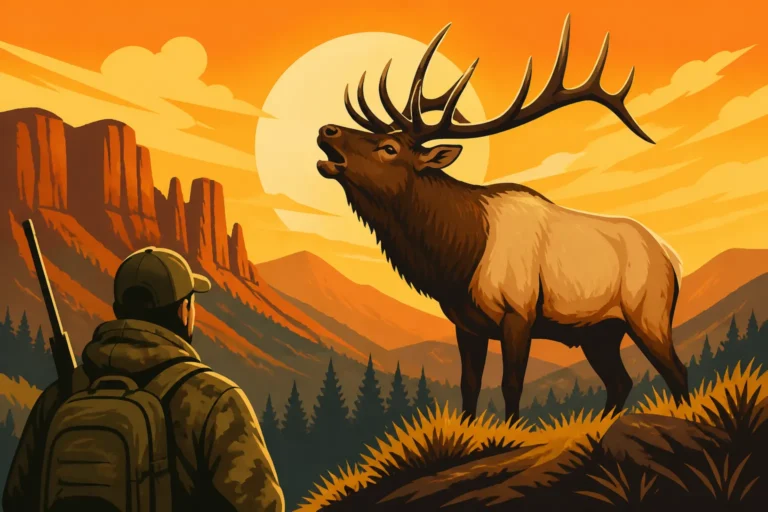
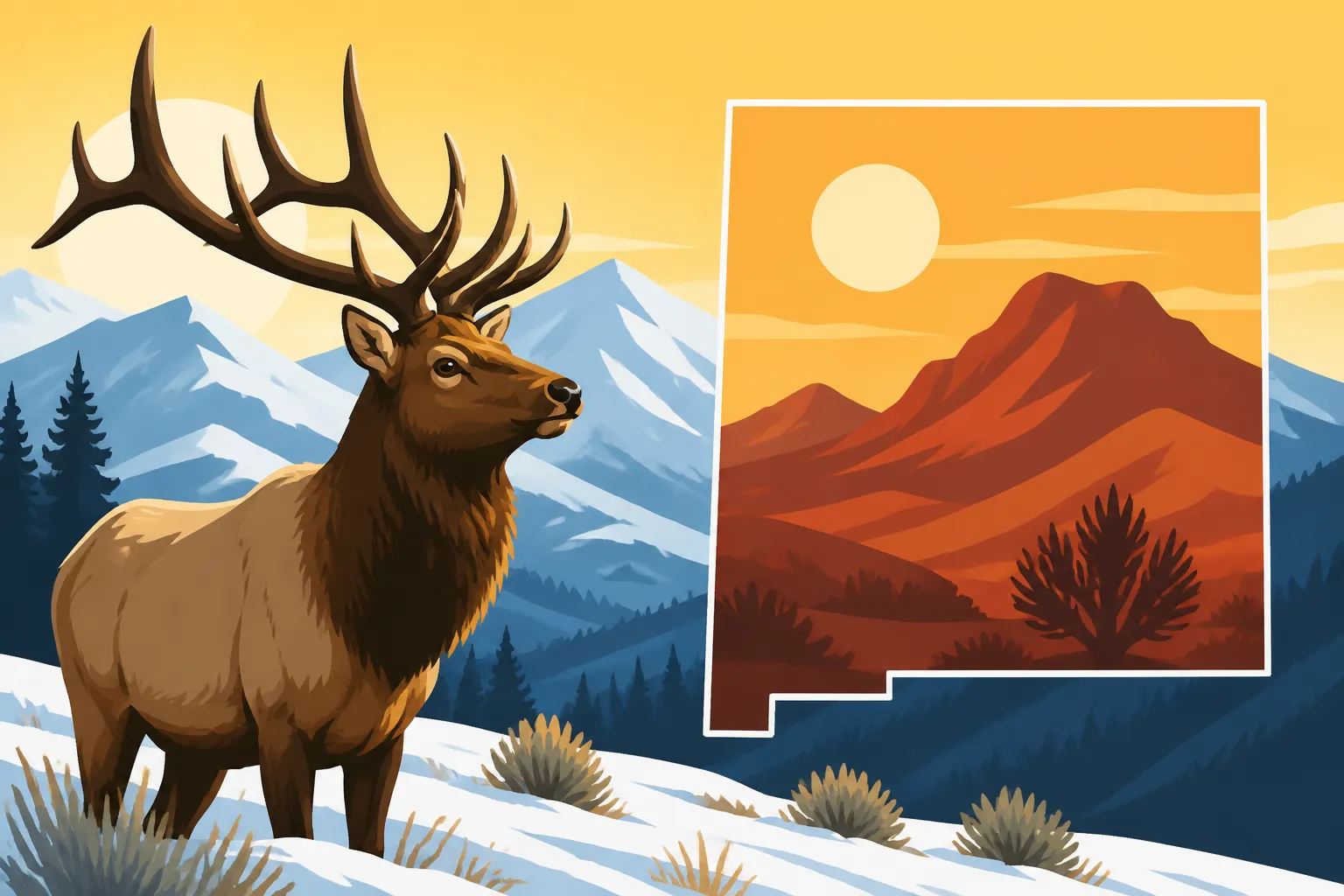
The crisp mountain air of a New Mexico autumn carries the echoes of bugles and the promise of a successful hunt. But as winter approaches and the snow begins to pile up, many hunters are left wondering: where do those majestic elk disappear to? It’s a common frustration to have a handle on their movements during the rut, only to feel like they vanish into thin air come December. This guide is going to pull back the curtain on where New Mexico elk truly winter, breaking down their patterns and preferred habitats so you can better understand these incredible animals year-round.
Understanding New Mexico's Elk Winter Range Philosophy
Elk, like most large mammals, are driven by basic survival instincts: food, water, and shelter. When the high country becomes choked with snow and temperatures plummet, these priorities shift dramatically. Their winter range isn't just a random spot they pick; it's a critical, strategic move to preserve energy and find sustenance when resources are scarce. Understanding this fundamental philosophy is key to grasping their seasonal migrations.
Why Elk Winter Where They Do
The primary reason elk move to winter ranges is simple: survival. Deep snow in high elevations makes foraging incredibly difficult, burying vital food sources. It also increases the energy expenditure needed to move around, which can be deadly when calories are already hard to come by. Elk will typically migrate to lower elevations where snow depth is less prohibitive and forage is more accessible. This isn't just about snow, though. Protection from the harshest winds, access to water, and avoiding areas with high predator densities, if possible, also play significant roles. Think of it as their annual escape to a slightly milder climate where they can conserve their fat reserves and make it through the leanest months.
Another crucial aspect of their winter strategy is shelter. While finding food is paramount, elk also seek out areas that offer thermal cover. Dense stands of timber, especially south-facing slopes that catch more sun, provide crucial warmth and a respite from biting winds. This is particularly true for calves and older animals, who are more susceptible to extreme cold. They're looking for pockets of habitat where they can minimize their exposure to the elements while still having a chance to browse for whatever vegetation is available. It’s a delicate balance, and their survival often hinges on finding these perfect combinations of cover and accessible forage.
The Importance of Lower Elevation Habitat
As the snowline creeps down the mountains, the lower elevation habitats become veritable lifelines for New Mexico's elk herds. These areas, often characterized by pinyon-juniper woodlands, sagebrush flats, or riparian corridors, offer a stark contrast to the barren, snow-covered peaks. Here, the snow typically melts faster or never accumulates to great depths, leaving crucial browse plants exposed. This isn't necessarily prime summer feeding grounds, but in winter, it's a buffet compared to the high country.
The forage found in these lower elevations often includes bitterbrush, serviceberry, and various grasses that remain palatable even in winter. These plants might not be as nutritious as the lush forbs and grasses of summer, but they provide enough energy to keep the elk going. For many hunters, focusing on areas between 4,000 and 7,000 feet during the late seasons can reveal where elk have retreated. If you've ever found yourself hunting in New Mexico From 4,000 Feet to 10,000, you know how dramatically the landscape and vegetation change with elevation, making these lower zones absolutely critical for wintering game. It's a testament to their resilience that they can adapt and find sustenance in what often appears to be less hospitable terrain.
Key Wintering Areas Across New Mexico
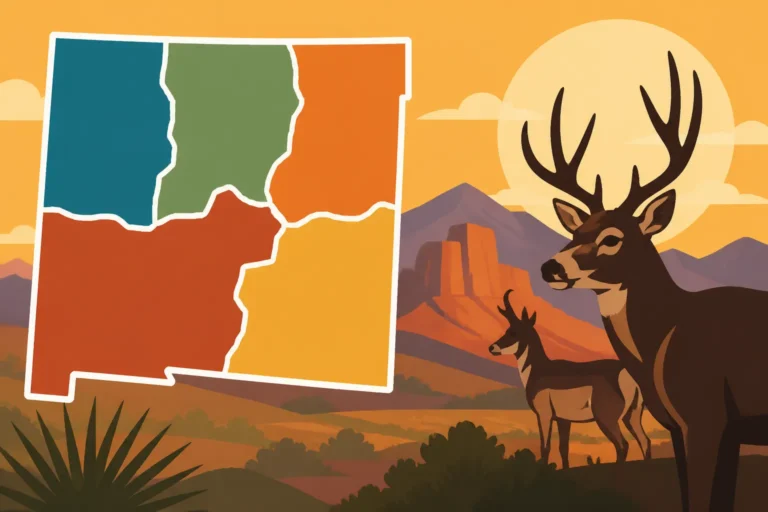
New Mexico is a state of incredible topographical diversity, from the towering peaks of the Sangre de Cristos to the vast Chihuahuan Desert. This means that "winter range" isn't a one-size-fits-all definition. Elk in different parts of the state will utilize vastly different landscapes when the cold sets in. Pinpointing these general regions can give you a better idea of where to concentrate your scouting efforts or simply appreciate the animals' survival strategies.
The Gila National Forest and Mogollon Rim
Ah, the Gila. This sprawling wilderness in southwestern New Mexico is renowned for its big bulls, and it's also where many elk spend their winters. While the high country of the Gila Wilderness and the Aldo Leopold Wilderness Area become inhospitable, elk don't usually travel hundreds of miles. Instead, they typically descend to the lower, broken country within or adjacent to the forest boundaries. This often means moving into the expansive pinyon-juniper woodlands that dominate the mid-elevations.
Look for areas along the Mogollon Rim, particularly the south-facing slopes of canyons and mesas. These slopes receive more direct sunlight, reducing snowpack and exposing more forage. The Gila River and its tributaries, like the San Francisco River, also offer critical riparian habitat that provides both water and accessible vegetation, even when surrounding areas are frozen. Units like 16A, 16D, and parts of 15 are classic examples where elk push down into these lower, warmer canyons. If you’ve heard stories about Why New Mexico's Gila Grows Big Bulls, it’s not just about summer feed; these diverse winter ranges play a huge part in their year-round health. After a wildfire, you might even see shifts in preferred wintering areas as How Wildfire Changes Gila Elk Habitat, creating new pockets of accessible forage in regenerating burns.
Northern New Mexico's Foothills and Ponderosa
Up north, the story is similar but with a different flavor of landscape. The Carson and Santa Fe National Forests, with their higher elevations and more persistent snow, drive elk out of the true high country. Here, the wintering grounds often include the rolling foothills and the fringes of the vast ponderosa pine forests. These areas, while still getting significant snow, usually have less accumulation and more south-facing aspects that melt out faster.
Units surrounding areas like Chama, or the lower reaches of the Truchas Peaks and Pecos Wilderness, see elk move into the transition zones where ponderosa gives way to pinyon-juniper and sagebrush. Many elk will concentrate in agricultural valleys that border these public lands, seeking out easy meals in fields that have already been harvested. It’s a constant battle for them to find enough to eat, and sometimes, a farmer’s alfalfa field is simply too tempting to pass up. Understanding the New Mexico Elk Season Structure by Unit can give you clues about when and where these migrations begin, as late-season hunts often target animals already on their way to lower ground.
Eastern Plains Transition Zones
New Mexico's eastern plains might not immediately spring to mind when you think of elk country, but don't underestimate the adaptability of these animals. While large herds aren't typically found deep in the plains, the transition zones where the mountains meet the grasslands can be important wintering grounds, especially for herds on the eastern slopes of the Sangre de Cristos or the Capitan Mountains. Here, elk might utilize the broken badlands, canyon systems, and extensive private ranches that offer shelter and less snow.
These areas provide a mix of brushy cover in arroyos and draws, alongside access to private agricultural fields. When winter storms hit the high peaks, elk will drift eastward, seeking refuge and forage on these more open, yet still rugged, landscapes. It's a different kind of winter range than the dense timber of the Gila, often requiring elk to be more vigilant for predators in the open country. This is where understanding the subtle nuances of terrain, even at lower elevations, becomes crucial for biologists and hunters alike. Sometimes, these herds are difficult to find because they're taking advantage of private land that isn't open to hunting, highlighting the importance of landowner relationships for effective wildlife management.
Factors Influencing Winter Movement
While the general rule is "down and south," the precise movements of elk to their winter ranges are influenced by a complex interplay of environmental factors. It's never as simple as flipping a switch; rather, it's a gradual shift, sometimes interrupted, that dictates where and when they settle in for the long haul. Understanding these influences helps you predict their behavior and appreciate the challenges they face.
Snowpack and Temperature Extremes
The most obvious driver of elk migration is snowpack. A light dusting won't send them packing, but a significant, early-season dump can trigger a rapid descent from higher elevations. The deeper the snow, the harder it is to paw through to find forage, and the more energy they burn just moving. Elk have a critical snow depth threshold, typically around 18-24 inches, beyond which movement becomes too strenuous and food too inaccessible. This is when they truly commit to their lower elevation havens.
Temperature extremes also play a huge role. While elk are incredibly cold-hardy, sustained sub-zero temperatures, especially coupled with high winds, increase their metabolic needs dramatically. They'll seek out thermal cover—dense timber, south-facing slopes, or sheltered canyons—to escape the wind chill. Interestingly, sometimes temperature inversions can occur, where valleys are colder than higher ridge tops. In these specific conditions, elk might temporarily hold at slightly higher, warmer elevations before a truly heavy snowpack forces them down. It’s a constant calculation of energy expenditure versus caloric intake, and winter tests their limits like no other season.
Food Availability and Quality
Even in their winter ranges, food can be a constant challenge. The quality of available forage drops significantly in winter. Lush summer grasses and forbs are gone, replaced by tougher, less nutritious browse. Elk become highly selective, seeking out evergreens like juniper and ponderosa needles, or the bark and twigs of deciduous shrubs. Their digestive systems are incredibly adapted to extract nutrients from this woody material, but it's a far cry from their summer diet.
Areas that haven't been heavily grazed by livestock or other wildlife, or those with specific types of winter-hardy vegetation, become prime real estate. Sometimes, elk will even move onto private agricultural lands, despite the risks, to access harvested crop fields that offer residual grains or alfalfa. This becomes a balancing act for wildlife managers and landowners alike, as elk depredation on agricultural lands can be a significant issue. Understanding these food sources is crucial, and reading a New Mexico Winter Range Report can often provide insights into local conditions and herd health based on forage availability.
Hunting Pressure and Human Disturbance
While natural factors like snow and food are primary drivers, human activity, particularly hunting pressure, can also significantly influence where elk winter. During rifle seasons, sustained pressure in accessible areas can push elk into thicker cover, less accessible terrain, or even onto private lands where they feel safer. Even after the hunting seasons have concluded, persistent human presence from recreationists like snowmobilers, hikers, or cross-country skiers can continue to displace animals, forcing them to expend precious energy.
This is why understanding "sanctuary areas" becomes vital for their survival. These might be designated wilderness areas where access is limited, remote canyons, or simply large tracts of private land that are not hunted or disturbed. Elk learn these safe zones and will retreat to them when stressed. It's a constant reminder for us as outdoor enthusiasts to minimize our impact, especially during the critical winter months when elk are at their most vulnerable. Respecting these animals means giving them the space they need to survive the lean times, ensuring healthy herds for years to come.
Scouting and Locating Wintering Elk
Successfully locating wintering elk requires a blend of technological savvy, boots-on-the-ground experience, and an understanding of their survival needs. You might not be hunting them in the middle of January, but knowing where they are can inform your spring scouting for shed antlers or give you a leg up on next year's hunt planning. It's a year-round process for dedicated enthusiasts.
Reading Topographic Maps and Satellite Imagery
Before you even step foot in the field, your computer or tablet can be your best friend. Start by identifying potential winter range based on elevation bands. Look for areas generally below the heavy snow line, often between 5,000 and 7,500 feet in many New Mexico units, depending on the specific mountain range. South-facing slopes are gold in winter; they get the most sun exposure, melting snow and promoting early green-up. Use satellite imagery to identify these slopes, looking for areas with a mosaic of timber and open browse.
Look for areas with dense timber for thermal cover, but always near accessible foraging areas. Deep canyons and river bottoms can be excellent, as they offer shelter from wind and often have different microclimates. Pay attention to water sources—even in winter, elk need water, and unfrozen seeps or springs can be magnets. Tools like GoHunt or onX Hunt are invaluable here, allowing you to layer topography, land ownership, and even past animal sightings to build a predictive map of where elk might be holed up. You can spend hours E-Scouting a New Mexico Unit Before the Season, identifying potential migration corridors and winter bedding areas.
Interpreting Elk Sign in Winter
Once you’re out in the field, your tracking skills become paramount. Snow acts as a giant canvas, recording every movement. Fresh elk tracks in the snow are the most obvious sign. Look for heavily used trails, indicating a herd moving between bedding and feeding areas. Pay attention to the size and depth of the tracks; deeper tracks mean a heavier animal or softer snow.
Beyond tracks, look for areas where elk have pawed through the snow to reach forage. These "feeding craters" tell you they've been actively browsing. Keep an eye out for fresh droppings, which can give you an indication of how recently elk were in the area and what they’ve been eating. While rubs are more common during the rut, you might still find fresh rubs on smaller trees as bulls clean their antlers in early winter. Remember that in winter, elk are often conserving energy, so their sign might be concentrated in smaller, more sheltered areas rather than spread out across vast landscapes.
Using Technology for Winter Range Identification
Modern technology has revolutionized how we understand and scout for wildlife. Online mapping platforms, like the ones offered by GoHunt, provide detailed topographic maps, satellite imagery, and public/private land boundaries that are essential for identifying potential wintering areas. Many of these platforms also integrate historical data, such as past harvest locations or observed migration patterns, which can offer valuable clues.
State wildlife agencies in New Mexico also often publish detailed reports, sometimes including maps of crucial winter range. Knowing how to locate and interpret these resources can be a game-changer. These digital tools allow you to analyze vast landscapes from your home, identifying bottlenecks, south-facing slopes, and areas of dense thermal cover where elk are likely to concentrate. This kind of advanced E-Scouting a New Mexico Unit Before the Season can save you countless hours in the field and significantly increase your understanding of elk behavior throughout the year.
Conservation and Ethical Considerations on Winter Range
Understanding where New Mexico elk winter isn't just about hunting or finding shed antlers; it's deeply tied to conservation and ethical responsibility. These animals are under immense stress during the winter months, and our actions can have a significant impact on their survival and overall health. As stewards of the land and its wildlife, it’s crucial to act responsibly.
Respecting Private Land Boundaries
Perhaps one of the most critical aspects of winter range ethics, especially in New Mexico, is respecting private land. As mentioned earlier, many elk, particularly in northern and eastern units, will migrate onto private agricultural fields or large ranches to access critical forage and escape hunting pressure. These lands are often vital winter sanctuaries. Illegally trespassing or disturbing elk on private property not only carries legal penalties but also damages the relationship between landowners and hunters.
Access to these private lands for wintering elk is often crucial for herd health, and creating conflict can lead to landowners being less amenable to wildlife passing through or even to future collaborative efforts. Always know where you stand, use accurate mapping tools, and if you suspect elk are on private land, admire them from a distance on public ground. Knowing how to use an onX layer or similar tool to verify boundaries is not just good practice; it's essential for ethical engagement with wintering wildlife.
Minimizing Disturbance to Stressed Animals
Winter is a time of immense physiological stress for elk. They are burning fat reserves, dealing with extreme cold, and struggling to find enough low-quality forage to survive. Any unnecessary disturbance can force them to expend precious energy, which can literally mean the difference between life and death. Harassing elk, chasing them, or getting too close for photographs can have severe consequences, especially for calves and older animals.
This means being mindful of your presence in traditional wintering areas, even if you’re not actively hunting. If you’re shed hunting, hiking, or cross-country skiing, give elk a wide berth. If they raise their heads, stamp their feet, or move away, you’re too close. Their survival during this lean period depends on conserving every possible calorie. We need to be the eyes and ears for wildlife, and part of that is recognizing when our presence is causing undue stress. It's about letting them be wild, especially when they are at their most vulnerable.
Understanding Seasonal Closures and Restrictions
To protect vulnerable wintering wildlife, many states, including New Mexico, implement seasonal closures on certain lands. These closures might restrict access to specific canyons, valleys, or designated winter range areas during critical months. The purpose is to create undisturbed sanctuaries where elk, mule deer, and other species can feed and rest without human interference. These rules are not arbitrary; they are based on biological science aimed at ensuring herd survival.
It's your responsibility as an outdoor enthusiast to be aware of and abide by these regulations. Check the New Mexico Department of Game and Fish regulations, local Forest Service, or BLM office websites for specific closures in areas you plan to visit. Ignoring these closures can result in fines and, more importantly, can disrupt the very wildlife populations we cherish. Understanding when and why these closures exist is a critical part of ethical outdoor recreation and ensuring healthy populations for future generations.
| New Mexico Region | Typical Winter Elevation | Dominant Habitat Types | Key Factors Driving Elk Movement | Notable Challenges for Elk |
|---|---|---|---|---|
| Gila National Forest | 5,000 – 7,500 feet | Pinyon-Juniper, Lower Ponderosa, Riparian | Snowpack, Thermal Cover, Forage Availability | Deep Canyons, Limited South-Facing Slopes |
| Northern Mountains | 6,000 – 8,000 feet | Ponderosa Edges, Foothills, Agricultural Fringes | Persistent Snow, Cold Temps, Private Land Access | Heavy Snow, Agricultural Depredation |
| Eastern Plains/Foothills | 4,500 – 6,500 feet | Broken Badlands, Brushy Draws, Grasslands | Severe Weather, Private Land Sanctuaries | Open Country Predation, Water Scarcity |
| Southwest Deserts | 4,000 – 6,000 feet | Chihuahuan Desert Scrub, Isolated Mountains | Drought, Water Sources, Sparse Forage | Extreme Aridity, Limited Cover |
Understanding where New Mexico elk winter is more than just a piece of trivia for hunters; it's a window into the incredible resilience and adaptability of these animals. It informs our conservation efforts, guides our ethical behavior in the field, and ultimately helps us appreciate the intricate dance between wildlife and their environment. By respecting their needs during these challenging months, we ensure that the majestic bugle will continue to echo across New Mexico's diverse landscapes for years to come.
Disclaimer
The information provided in this guide is for general informational purposes only and does not constitute legal advice. Hunting regulations, seasons, and access rules in New Mexico are subject to change. Always consult the official New Mexico Department of Game and Fish regulations and local land management agency rules before planning any hunting or outdoor activity. It is the individual's responsibility to know and obey all applicable laws and regulations.