How New Mexico EPLUS Authorizations Are Issued
Navigating the New Mexico draw can feel like trying to hit a moving target in a dust storm. You put in the time, you cross your fingers, and sometimes, despite all your efforts, you come up empty-handed. It's a frustrating reality for many hunters, especially those eyeing coveted elk or deer tags in some of the state's most sought-after units. But there's another avenue, a system designed to help manage game on private lands while also providing unique opportunities for hunters: the EPLUS program. This guide is all about pulling back the curtain on how New Mexico EPLUS authorizations are issued, giving you a clear picture of this important alternative to the public draw.
Understanding the EPLUS Program
The New Mexico EPLUS program, which stands for Elk Private Land Use System, is a crucial part of how the New Mexico Department of Game and Fish (NMDGF) manages elk populations, and to a lesser extent, deer and pronghorn, on private lands. While the name specifically mentions elk, the principles extend to other species. It’s designed to incentivize landowners to provide habitat and allow public access for hunting, and in return, they receive authorizations (or tags) that they can either use themselves, distribute to friends and family, or sell to hunters. This system addresses a common challenge in Western states where significant game populations spend at least part of their lives on private property.
The Core Concept of EPLUS
At its heart, EPLUS is a private land tag program. Unlike the public draw, where you're competing against thousands for a limited number of state-issued tags, EPLUS tags originate from private landowners. The state allocates these authorizations to landowners based on the amount of elk or other game animals using their property and the habitat quality it provides. It’s a way for the state to manage herds that might spend a good portion of their year on land that isn't accessible to the general public. Think of it as a partnership: the landowner helps manage the wildlife, and the state provides a mechanism for them to benefit from that stewardship. This system effectively creates a parallel path to getting a tag, one that bypasses the highly competitive draw process.
The fundamental idea is that if landowners are actively involved in wildlife conservation and management, providing forage and water, and mitigating damage caused by game animals, they should be rewarded. These authorizations are that reward. It’s not just about "pay to play," though that's often how it's perceived by those unfamiliar with the system. It’s about leveraging private land for the greater good of wildlife management across the state, ensuring that these animals aren't just pushed onto public land where pressure is already immense. It offers a tangible benefit to those who manage their land in a way that supports healthy game populations, which ultimately benefits the entire hunting community through sustained herd numbers.
Who Benefits from EPLUS
Honestly, EPLUS benefits several groups. First and foremost, the wildlife themselves benefit from managed habitat on private lands. When landowners have a vested interest in the health of the herd, they often implement practices that improve forage, water sources, and cover. Secondly, landowners benefit by having a valuable commodity—the EPLUS authorizations—which they can use as they see fit. This can generate revenue, helping offset costs of land management or providing income.
Thirdly, hunters, especially non-residents or those who have struggled in the public draw, gain a viable alternative. These tags often come with a higher price tag than a public draw license, but they offer significantly better odds of securing a hunt. For many, the ability to guarantee a hunt in a desired unit, sometimes with access to prime private land or limited access public land, is worth the investment. It’s a way for hunters to experience a quality New Mexico hunt without the annual anxiety of the draw. This is particularly appealing for those planning trips from out of state, where certainty is often a higher priority than the lowest possible cost. Companies like GoHunt often provide services to help hunters find and secure these types of tags, acting as a bridge between landowners and eager hunters.
The Issuance Process for Landowners
So, how do these authorizations actually get into the hands of landowners? It's not just a free-for-all. There's a structured application and allocation process managed by the NMDGF, designed to ensure fairness and effective wildlife management. It requires landowners to meet certain criteria and follow specific steps to be considered for an EPLUS allocation.
Eligibility and Application for Landowners
To even be considered for EPLUS authorizations, a landowner must meet specific eligibility requirements established by the NMDGF. Primarily, their property must be large enough to sustain game animals, and it needs to provide significant habitat. The land also needs to show a documented presence of the species for which authorizations are sought—whether that's elk, deer, or pronghorn. It’s not just about owning land; it’s about having land that is genuinely utilized by these animals. The NMDGF conducts assessments to determine the population density and habitat quality on the property.
Landowners must submit a detailed application to the NMDGF, outlining their property boundaries, land management practices, and any documented game sightings or damage reports. This application often includes maps, aerial photographs, and statements describing how their land contributes to the overall management objectives for the species in question. They might need to demonstrate efforts to improve habitat, control poaching, or provide necessary resources like water in arid regions. This rigorous application process helps ensure that EPLUS tags are allocated to properties that genuinely contribute to wildlife conservation. For a deeper dive, you can explore information on how New Mexico EPLUS authorizations work directly from the NMDGF.
Allocation and Distribution to Landowners
Once a landowner's application is approved, the NMDGF then determines the number of EPLUS authorizations to allocate to that property. This allocation is not arbitrary; it's based on scientific data and management goals. Factors considered include:
- Herd Management Objectives: The overall population goals for elk in that specific game management unit.
- Property Size and Habitat Quality: Larger properties with better habitat generally receive more authorizations.
- Game Animal Presence and Use: Evidence of how many animals consistently use the property, often determined by aerial surveys, trail camera data, or harvest history.
- Damage Mitigation: If elk are causing significant damage to crops or fences on a property, the NMDGF might issue more tags to help reduce the herd size on that land.
These authorizations are typically issued in various forms: "unit-wide" or "ranch-only" tags. Unit-wide tags allow the hunter to pursue the animal anywhere in the designated game management unit, including public lands, while ranch-only tags restrict hunting to the landowner's property. The NMDGF's decision on how many and what type of tags a landowner receives directly impacts the value and flexibility of those authorizations. For more on this, check out the difference between Unit-Wide Against Ranch-Only New Mexico Authorizations.
The landowner then has the discretion to distribute these allocated authorizations. They can keep some for personal use, provide them to employees, friends, or family members, or, most commonly, sell them to hunters. This selling aspect is where many hunters find their opportunity to secure a tag without going through the public draw. It’s important to remember that the landowner holds the authorization; they are the gatekeepers to these hunting opportunities.
How Hunters Access EPLUS Tags
For hunters, the EPLUS program is a different kind of challenge. Instead of beating the odds in a lottery, you're navigating a market. This means understanding where to find these tags, how to purchase them, and what to expect from the transaction. It's a more direct route to a tag, but it requires research and often a greater financial investment.
Purchasing EPLUS Authorizations from Landowners
Once landowners receive their EPLUS authorizations, they essentially become sellers in a unique market. Hunters interested in these tags must connect directly with landowners or through outfitters and brokers who have agreements with landowners. This usually involves searching for available tags, inquiring about prices, and negotiating terms. The price of an EPLUS authorization varies wildly depending on the unit, the species (elk tags are usually the most expensive), the type of tag (unit-wide vs. ranch-only), the quality of the hunting experience offered, and the reputation of the landowner or outfitter.
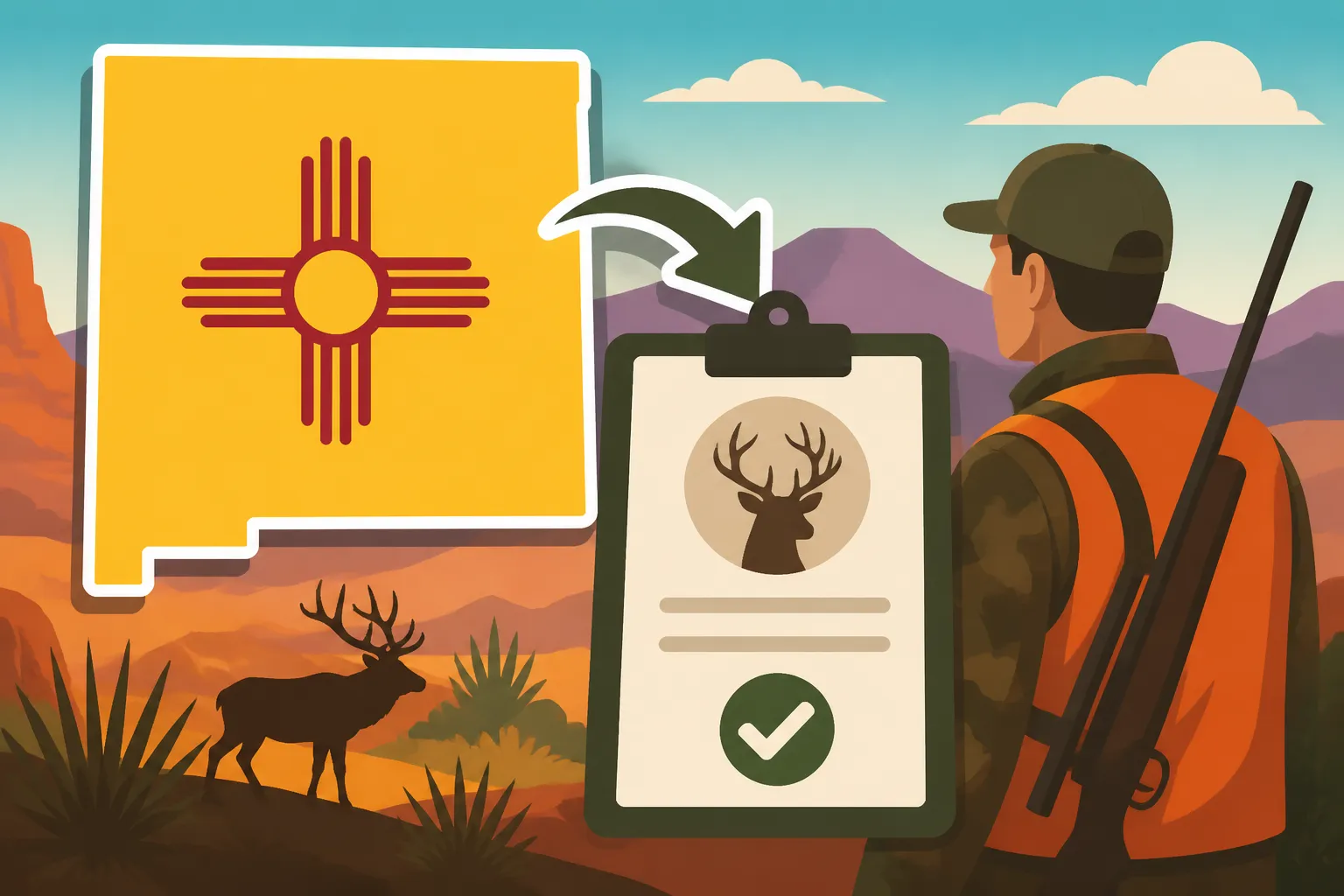
It’s crucial for hunters to understand that when they purchase an EPLUS authorization, they are paying for the right to obtain a license from the NMDGF, not the license itself. The landowner transfers the authorization, usually a unique code, to the hunter. The hunter then uses this code to purchase their actual hunting license from the NMDGF website or an authorized vendor. This is a critical distinction, as the NMDGF remains the ultimate issuer of the license, while the landowner issues the authorization to acquire it. Understanding How EPLUS Puts New Mexico Elk Tags in Landowner Hands can further clarify this process.
Navigating the EPLUS Market
The EPLUS market can feel a bit like the Wild West if you're not prepared. There isn't one central clearinghouse for all available tags, although platforms like GoHunt often list many options and connect hunters with landowners or outfitters. Hunters need to be proactive in their search, which might involve:
- Direct Outreach: Contacting landowners in desired units directly, though this can be time-consuming and often yields limited results if you don't have established connections.
- Outfitters and Guides: Many New Mexico outfitters secure EPLUS tags from landowners as part of their guided hunt packages. This can be a seamless way to get a tag and a guide, but it's typically the most expensive option. For more on this, look into What a Guided New Mexico Elk Hunt Costs.
- Online Marketplaces and Forums: Specialized hunting websites and forums often have sections where landowners or brokers advertise EPLUS tags for sale. This is where a resource like GoHunt shines, providing a consolidated place to search.
- Word of Mouth: Networking within the hunting community can sometimes unearth opportunities.
When navigating this market, always do your due diligence. Verify the landowner's identity, the validity of the authorization, and the specific terms of the hunt (e.g., season dates, unit boundaries, access to private vs. public land). Always get a written agreement detailing the transaction, and confirm the authorization can be successfully transferred before making payment. Be wary of deals that seem too good to be true, and always cross-reference information with the official NMDGF regulations. It is possible to verify landowner EPLUS allocations by contacting the NMDGF directly.
Benefits and Considerations of EPLUS
Choosing the EPLUS route comes with its own set of pros and cons, especially when compared to the traditional public draw. It’s important to weigh these factors carefully to decide if it's the right path for your next New Mexico hunting adventure.
Advantages for Hunters
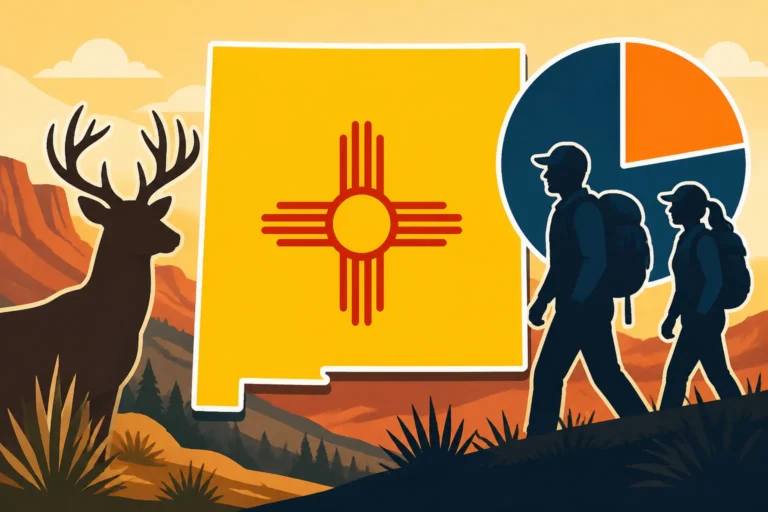
The primary advantage of EPLUS for hunters is a significantly higher likelihood of securing a tag, especially for desirable species like elk in prime units. Unlike the public draw where New Mexico Splits Every Hunt 84, 10 and 6 Percent among residents, outfitters, and non-residents, with sometimes abysmal odds for the latter, EPLUS allows you to bypass that lottery system entirely. If you have the financial means, you can essentially guarantee yourself a hunt. This is a huge relief for non-residents who plan elaborate trips and need certainty.
Another benefit is access. EPLUS tags often come with access to private land that is otherwise off-limits to public hunters. This private ground can offer reduced pressure, quality habitat, and potentially higher success rates. Some landowners might also grant access to adjacent public land, essentially giving you a wider footprint to hunt. Furthermore, EPLUS tags sometimes allow for more flexible hunt dates, although they still operate within the general season frameworks set by the NMDGF. This flexibility can be a major plus for busy hunters. You can read more about New Mexico Elk Season Structure by Unit to see how EPLUS tags fit in.
Finally, for hunters looking for a particular experience, such as hunting in specific units renowned for trophy animals, EPLUS can be the only practical way in. Places like the Gila National Forest are incredibly popular, and while public land abounds, drawing a tag can be exceptionally tough. An EPLUS tag, especially a unit-wide one, can open the door to hunting some of the best country New Mexico has to offer, including those units where New Mexico Elk Are Why the Gila Draws Everyone.
Important Considerations
While EPLUS offers significant advantages, there are some crucial considerations to keep in mind. The most obvious is cost. EPLUS tags are considerably more expensive than public draw tags. You're paying the landowner for the authorization, in addition to the standard license fee required by the NMDGF. This can put a quality New Mexico hunt out of reach for some budgets. It’s worth looking into What a New Mexico EPLUS Authorization Costs to get a clearer picture.
The quality of the hunt can also vary widely. Just because a tag is expensive doesn't automatically guarantee a trophy animal or an easy hunt. It's essential to thoroughly vet the landowner, the property, and the specific terms of the hunt. Are you truly getting unit-wide access, or is it heavily restricted to private land with limited game? What are the success rates for that particular property or outfitter? Are you buying a specific hunt type, like a primitive weapons hunt, or an any legal weapon tag?
Finally, the legality and ethics of EPLUS are sometimes debated. While it is a fully legal and sanctioned program by the state, some hunters view it as a system that favors those with deeper pockets. However, from the state's perspective, it's a vital tool for game management, especially on private lands, ensuring that these populations are managed effectively across all available habitat. It's a system designed to work with, rather than against, private land ownership to achieve broader conservation goals. Many hunters find that the value proposition of Buying a New Mexico EPLUS Elk Authorization outweighs these considerations.
Here’s a quick overview of the EPLUS program:
| Feature | Public Draw Tag | EPLUS Authorization |
|---|---|---|
| Issuing Authority | NMDGF via lottery | Landowner, authorized by NMDGF |
| Cost | Application fee + license fee (if drawn) | Authorization fee (to landowner) + license fee |
| Odds of Acquisition | Highly competitive, low odds | Much higher, often guaranteed with purchase |
| Access | Primarily public lands | Private lands, potentially unit-wide access |
| Primary Goal | Equitable public opportunity | Private land wildlife management, hunter access |
| Guaranteed Hunt | No | Yes (with purchase) |
| Process | Apply, wait for results, purchase tag | Find landowner/outfitter, purchase authorization, buy tag from NMDGF |
Ultimately, whether EPLUS is the right choice for you depends on your budget, your priorities for the hunt, and your tolerance for the draw system's uncertainty. It offers a clear, albeit more expensive, pathway to experience the fantastic hunting opportunities New Mexico has to offer, allowing many to bypass the frustrating odds of the public draw entirely. It certainly answers the question: Do EPLUS Tags Bypass the New Mexico Draw? with a resounding yes.
Disclaimer
Please remember that hunting regulations and programs like EPLUS can change. Always consult the most current New Mexico Department of Game and Fish regulations and official publications before making any hunting plans or purchases. This information is for general guidance and educational purposes only.