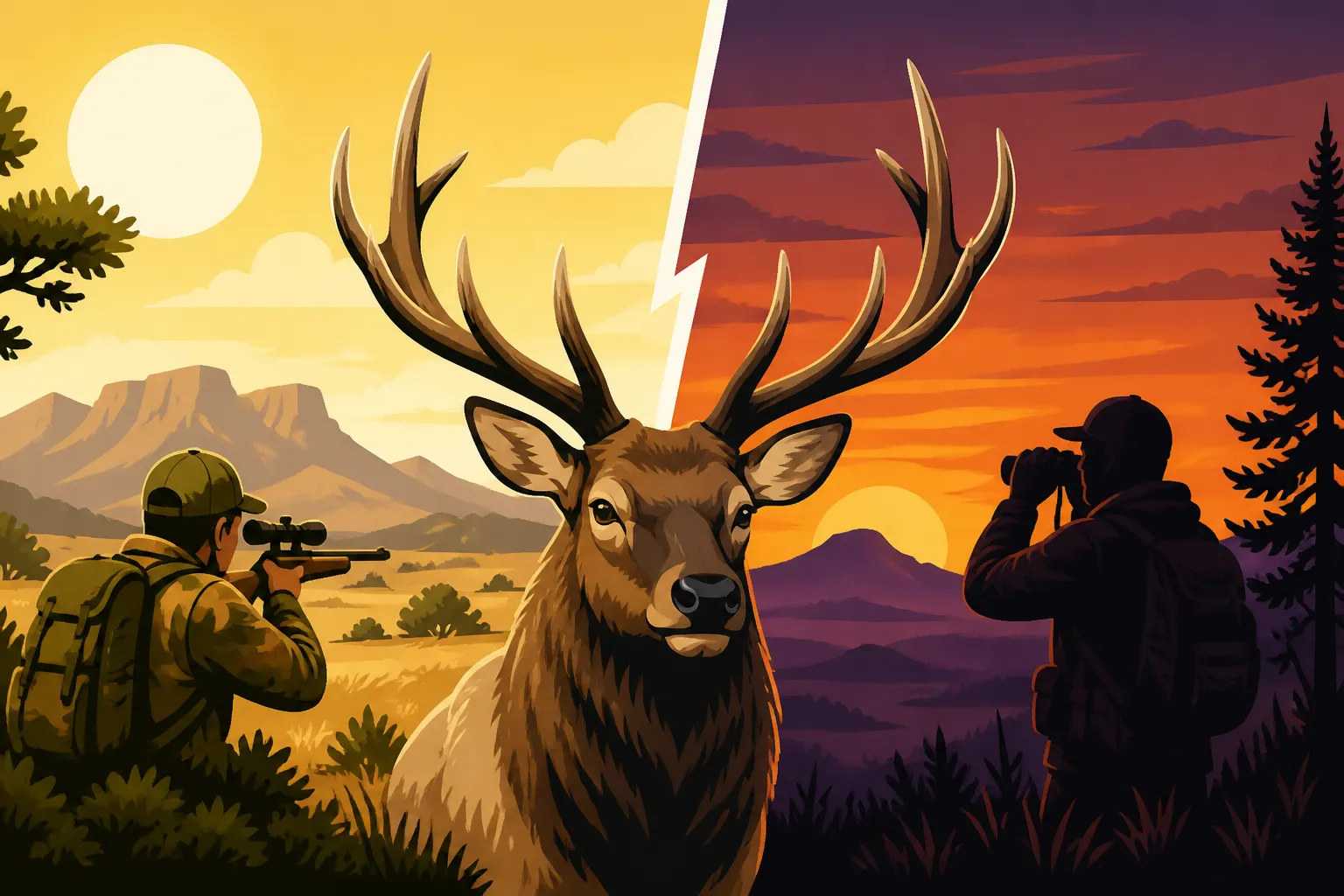
Early Against Late New Mexico Elk Hunts
Deciding between an early or a late season elk hunt in New Mexico can feel like a high-stakes gamble, especially when you’re pouring over regulations and dream-hunting maps. Many hunters agonize over this choice, weighing the excitement of the rut against the challenges of winter weather. This guide is here to break down the distinct characteristics, advantages, and difficulties of both early and late New Mexico elk hunts, helping you make an informed decision that aligns with your hunting style and expectations.
Understanding New Mexico's Elk Season Structure
New Mexico's elk seasons are a carefully orchestrated series of hunts designed to offer opportunities while managing herd health. This isn't a state where you just pick a random week; the timing of your tag can drastically alter your experience, from the weather you face to the behavior of the elk themselves. It's crucial to understand the overarching structure before diving into the specifics of early versus late.
Early Archery and Muzzleloader Hunts
Early hunts typically kick off with archery seasons in late August or early September, often followed by some muzzleloader opportunities. These hunts are defined by the lingering warmth of summer transitioning into fall. Think crisp mornings giving way to surprisingly hot afternoons, especially in the lower elevations. For many, these early windows are synonymous with the elk rut. While the peak might still be a week or two away for the very earliest hunts, you'll start to hear locator bugles, see increased bull activity, and experience the thrilling potential for close-range encounters. Bulls are establishing dominance, sparring, and beginning to gather cows, making them more vocal and somewhat predictable, as long as they haven't been pressured too heavily. This is when a hunter's calling skills can really shine, as bulls are often more responsive to bugles and cow calls. If you're looking at specific dates, you'll want to review the official New Mexico Elk Season Structure by Unit to pinpoint the exact windows for your desired unit.
Later Rifle and Muzzleloader Hunts
As the calendar turns deeper into fall and then winter, the later rifle and muzzleloader hunts commence. These often run from late October through November and into early December, pushing into the colder, often snow-covered months. The rut is typically over, or winding down dramatically, by this point. Elk behavior shifts from breeding frenzy to survival mode. They're focused on feeding, conserving energy, and moving to lower elevations or south-facing slopes as snow depths increase and forage becomes scarce. This means they are often less vocal and less responsive to calling. However, they can also become more concentrated in specific wintering areas, which, if you can locate them, can lead to incredible hunting opportunities. The challenges here are the elements: brutal cold, deep snow, and shorter daylight hours. Success in these later hunts often hinges on meticulous scouting, tracking skills, and the ability to endure harsh conditions.
Pros and Cons of Early Season Elk Hunts
There's a magnetic pull to those early season elk hunts, often driven by the romance of the rut. But like any hunting period, it comes with its own set of advantages and challenges that can make or break your trip.
Advantages of Early Hunts
The most significant advantage of early season elk hunts is undoubtedly the rut. When you're out there, especially during the archery seasons in September, you're stepping into a landscape alive with the sounds of bugling bulls. This is when elk are at their most vocal and active, making them more susceptible to calling strategies. The sheer thrill of calling in a bull and having him respond, his breath steaming in the cool morning air, is an experience unparalleled. Weather can also be a plus; while afternoons can be warm, mornings and evenings are often pleasant, making for comfortable hiking and glassing. You might also find better access to higher elevations before significant snowfalls close off roads, allowing you to chase those mountain giants in their summer range. For bowhunters, the rut provides those crucial close-range opportunities that are harder to come by at other times of the year.
Challenges of Early Hunts
However, early hunts are not without their difficulties. The heat can be a serious factor. Even in September, New Mexico's sun can be relentless, especially in more exposed areas or lower elevations. This means extra vigilance with hydration, meat care, and managing your energy levels. Insects, particularly flies, can also be a nuisance when field dressing or back at camp. Physically, these hunts demand a lot; bulls are on the move, and covering ground in varied terrain under warm conditions can be exhausting. Perhaps the biggest challenge, though, is dealing with pressured elk. In popular units, bulls can get "called out" or go silent quickly after opening weekend, especially if they've had multiple encounters with hunters. Even though the rut is active, it doesn't mean every bull will come running to a call. Savvy bulls quickly learn to avoid human interaction, making stealth and smart calling tactics essential. Understanding When the Elk Rut Peaks in New Mexico can help you time your hunt for maximum rutting action, but be prepared for intense competition. When planning your early season scouting, tools like GoHunt can provide valuable insights into unit characteristics and historical elk movements, helping you anticipate where elk might be concentrating.
Pros and Cons of Late Season Elk Hunts
Shifting gears to the colder months brings a completely different set of dynamics to elk hunting in New Mexico. The landscape transforms, and so do the elk.
Advantages of Late Hunts
Late season hunts often mean cooler, crisp weather, and sometimes, the arrival of snow. Snow can be a game-changer; it quiets the forest, makes tracking elk sign incredibly easy, and can push elk down from higher, inaccessible country into more concentrated wintering grounds. This is when you're less likely to rely on calling and more on good old-fashioned glassing and spotting. Elk are focused on finding food and shelter, often moving into more predictable patterns between bedding and feeding areas. If you can locate these patterns, you can often set up effective ambush points. The sheer beauty of a snow-covered New Mexico wilderness adds a serene, almost spiritual dimension to the hunt. Plus, with the rut over, you're hunting elk in a different headspace, often less wary of a vocal challenge and more focused on survival. When you're researching potential late season units, a platform like GoHunt can be invaluable for looking at historical snow depths and public land access, helping you assess the viability of a unit in colder conditions.
Challenges of Late Hunts
On the flip side, late season hunts demand a high degree of fortitude. The weather can be brutal, with freezing temperatures, high winds, and deep snow posing significant challenges. Hypothermia is a real concern, and gear failures can be dangerous. Access to certain areas might become severely limited or impossible due to snow-packed roads, forcing you to adjust your plans or hike much further. Elk, while potentially concentrated, can also be incredibly skittish if they've been pressured during earlier seasons. They might move into thicker timber or private lands, making them difficult to locate and pursue. Furthermore, with the rut over, calling becomes far less effective, shifting the burden of success heavily towards scouting, glassing, and patient spot-and-stalk tactics. Knowing the specific New Mexico Elk Season Dates by Unit is paramount here, as late seasons can vary wildly in duration and timing across the state, and weather conditions can shift just as rapidly.
Choosing the Right Hunt for Your Style
The "best" elk hunt isn't universal; it's deeply personal, reflecting your skills, preferences, and what you hope to gain from the experience. There's no right or wrong answer, only the hunt that's right for you.
Matching Season to Skill Set
Consider your strengths as a hunter. Are you a master of the diaphragm call, able to mimic a cow's plaintive cry or a bull's challenging bugle with precision? Do you love the intense, close-quarters chess match that often accompanies rutting elk? If so, an early archery or muzzleloader hunt during the peak of the rut might be your ideal scenario. The early season rewards patience, stealth, and strong calling skills.
On the other hand, if you excel at long-range glassing, picking apart distant hillsides for a subtle flick of an ear or the gleam of an antler, and you have the patience to track animals for miles through snow, a late season rifle hunt might be more up your alley. These hunts often demand less calling and more endurance, keen eyesight, and an intimate understanding of how elk use the landscape when forage is scarce. If your preference is a longer shot, perhaps consider Choosing a Rifle for Gila Timber and Canyons as part of your preparation.
Factors Beyond Elk Behavior
Beyond the elk themselves, other personal factors play a huge role. How physically fit are you? Early season hunts, especially in the high country, can be brutally demanding with steep ascents and warm temperatures. Altitude Preparation for a Gila Elk Hunt is crucial if you're tackling those early high-elevation tags. Late season hunts, while perhaps not always requiring the same speed, demand resilience against the cold and the ability to navigate difficult, snowy terrain.
What's your preferred weapon? Bowhunters often chase the rut for the best odds of a shot within their effective range, whereas rifle hunters might find the longer visibility of later seasons more appealing. How much time can you realistically take off? Earlier seasons might align better with family or work schedules. Finally, what kind of experience are you seeking? The excitement and vocal intensity of the rut, or the quiet, stark beauty and tracking challenge of a winter landscape? When you're sifting through potential hunt codes on the New Mexico Game and Fish website, remember that a tool like GoHunt can help you quickly sort through Reading a New Mexico Hunt Code and historical draw odds, making it easier to compare units and seasons based on public land access, success rates, and other critical data. It can also provide insights into Elk Harvest Success by New Mexico Unit, giving you a realistic picture of what to expect from different areas and hunt periods.
| Feature | Early Season Elk Hunts (Aug-Sept) | Late Season Elk Hunts (Oct-Dec) |
|---|---|---|
| Elk Behavior | Rutting activity, vocal, breeding focused, active | Post-rut, survival focused, concentrated in winter range, less vocal |
| Weather | Warm days, cool nights, potential for summer storms, active insects | Cold to freezing, potential for deep snow, high winds, shorter daylight |
| Primary Tactics | Calling (bugles, cow calls), spot-and-stalk, ambush near water/wallows | Glassing, tracking, spot-and-stalk, ambush near feeding/bedding areas |
| Physical Demand | High, especially with heat and elevation changes | High, especially with cold, snow, and navigating difficult terrain |
| Accessibility | Generally good to higher elevations; roads open | Can be limited by snow, higher elevations often inaccessible |
| Meat Care | Critical due to heat, requires quick processing and cooling | Easier due to cold temperatures, but can be strenuous packing out |
| Weapon Advantage | Archery, Muzzleloader (during peak rut) | Rifle, Muzzleloader (for longer shots, cold tolerance) |
Strategic Planning for Your Chosen Season
Once you've settled on an early or late season hunt, the real work begins: detailed planning. Your preparation needs to be tailored specifically to the conditions and elk behavior you expect to encounter.
Pre-Season Preparation for Early Hunts
If you're gearing up for an early season New Mexico elk hunt, especially one during the initial phases of the rut, your physical conditioning should be paramount. You'll likely be covering significant vertical and horizontal ground in temperatures that can range from cool mornings to scorching afternoons. Focus on cardiovascular fitness and leg strength. Equally important is practicing your calling. Bulls are vocal, but they're also smart. Being able to deliver realistic bugles and cow calls, and understanding when to use each, will be critical. Spend time honing your diaphragm calls and understanding the nuances of elk communication.
Scouting for water sources is also a non-negotiable. Early in the season, elk in many New Mexico units are tied to water, especially during dry spells. Identify springs, stock tanks, and riparian areas on your maps, and be prepared to sit them if calling isn't producing results. Remember, carrying enough water for yourself is just as important as finding it for the elk. On an early season hunt, you'll want to prioritize lightweight, breathable clothing, but also have layers for those chilly high-elevation mornings. Understanding How Close a Bowhunter Needs to Get on Elk is vital for archery hunters, emphasizing the need for excellent stalking skills during these intense rutting periods.
Gear and Tactics for Late Season Hunts
For those committed to punching a tag in the colder, later months, your gear and tactics will shift dramatically. Layering is king, and not just any layers. You'll need high-quality merino wool or synthetic base layers, insulating mid-layers, and a bomb-proof outer shell that can withstand wind, snow, and freezing rain. Don't skimp on quality winter boots, gaiters, and multiple pairs of gloves and hats. Being able to adapt to sudden changes in weather is paramount. Read up on Layering for Gila Temperature Swings for comprehensive advice on staying comfortable in variable conditions.
Tactically, leave the calls at home, or at least keep them minimal. Your focus should be on covering ground silently, glassing extensively, and tracking. Optics become even more critical in the vast, often open landscapes where elk might concentrate. A good spotting scope and binoculars are indispensable for picking out distant animals. Learning to read snow sign—tracks, beds, browse—will tell you where elk are moving and feeding. Plan for shorter daylight hours and adjust your hunting schedule accordingly, focusing on prime times around dawn and dusk. For rifle hunters, dialing in your rifle for colder temperatures and understanding Best All-Around Caliber for Gila Elk can make a significant difference in challenging conditions.
Disclaimer
Please remember that hunting regulations, season dates, and unit boundaries can change. Always consult the official New Mexico Department of Game and Fish (NMDGF) regulations booklet for the most current and accurate information before planning and executing any hunt. This guide is for informational purposes only and does not supersede official NMDGF rules and regulations.