Layering for Gila Temperature Swings
You know, heading into New Mexico’s Gila National Forest for a hunt is an incredible experience, but it’s also a real lesson in humility when it comes to the weather. One minute you’re sweating through your shirt, glassing a distant ridge under a scorching sun, and the next, a cold front rolls in, or the sun dips, and you’re shivering, wishing you’d packed just one more layer. That wild swing in temperatures, sometimes by 40 or 50 degrees in a single day, can truly make or break your comfort and even your safety in the backcountry. This guide is all about mastering those drastic temperature changes through smart layering, ensuring you stay comfortable, dry, and focused on the hunt, no matter what the Gila throws at you.
The Harsh Reality of Gila Temperature Swings
The Gila National Forest isn’t just vast; it’s a land of extremes, and that’s particularly true when it comes to its weather. We’re talking about massive elevation changes, from around 4,000 feet in the lower reaches to well over 10,000 feet in the high country. This topography, combined with its high desert climate characteristics, creates a meteorological rollercoaster that can catch even seasoned hunters off guard. The sun beats down intensely during the day, warming the earth and creating significant thermal currents, but as soon as that sun dips below the horizon, or even behind a thick cloud cover, temperatures plummet with startling speed.
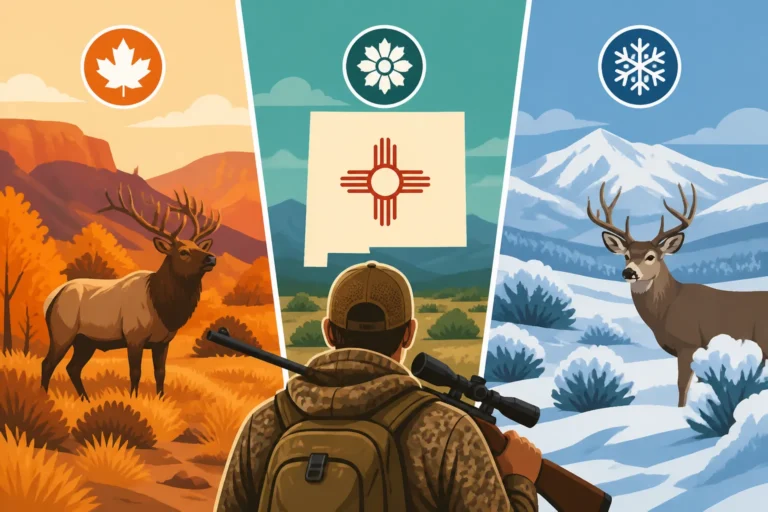
Imagine you're on an early season archery elk hunt in late August or early September. The mornings can start crisp, maybe in the low 40s or 50s. You’re bundled up, moving quietly through the timber, calling for bulls. By mid-morning, the sun is high, and the temperature has soared into the 70s or even 80s, and you’re now sweating profusely. Then, an afternoon monsoon storm rolls in, dumping rain and instantly dropping the temperature again, perhaps into the 50s. If you’re not prepared, that sweat-soaked base layer quickly turns into a hypothermia risk once the mercury drops. It's a dance between managing heat and fending off cold, and it demands a well-thought-out system.
High Desert Day vs. Mountain Night
The dramatic contrast between daytime warmth and nighttime chill is a defining characteristic of high desert and mountainous regions like the Gila. During the day, particularly when the sun is out, the dry air allows for rapid heating. You can feel the sun’s intensity even on a cool day. But that same dry air also means there’s nothing to trap the heat once the sun is gone. This radiative cooling is incredibly efficient, leading to those drastic temperature drops we talk about.
On top of that, consider the elevation. For those preparing physically for a high elevation hunt, it’s not just the thinner air you need to worry about; it's the fact that temperatures generally decrease by about 3.5 degrees Fahrenheit for every 1,000 feet of elevation gain. So, if it’s 70 degrees in Silver City at 5,900 feet, it could easily be in the low 50s up on a 10,000-foot ridge in the Gila Wilderness. When the sun sets, those higher elevations cool even faster, creating a significant thermal gradient that drives cold air downhill. This is why you often feel a noticeable chill as you descend into a canyon at dusk, even if the ridge top was relatively warm. Understanding these dynamics is the first step in beating the Gila’s unpredictable weather.
The Impact of Monsoon Season
While often associated with heat, New Mexico's monsoon season, typically from July through September, adds another layer of complexity to Gila layering. These afternoon thunderstorms, while often brief, can be incredibly intense. They bring sudden downpours, strong winds, lightning, and dramatic temperature drops. What started as a warm, sunny morning can quickly turn into a cold, wet, and potentially dangerous situation.
For a hunter, especially during the early archery seasons when these storms are most prevalent, the key concern is getting wet. Cotton, as we all know, is a killer when it gets wet because it loses all its insulating properties. If you’re caught in a deluge, and the temperature simultaneously drops 20 degrees, a cotton shirt can quickly lead to a dangerously low body temperature. Even if it's not torrential, persistent drizzle or intermittent showers can thoroughly soak your outer layers, compromising your entire system. This is where waterproof and breathable outer layers become non-negotiable, not just a luxury. They need to be packed and accessible at all times, ready to deploy at the first sign of an approaching storm front.
The Core Principles of a Gila Layering System
Mastering the art of layering isn’t just about throwing on extra clothes; it’s about a strategic approach to managing your body temperature, sweat, and exposure to the elements. For New Mexico hunting, especially in the Gila, your layering system needs to be versatile, efficient, and reliable. The goal is to be able to add or shed layers quickly to match your activity level and the changing weather, maintaining a comfortable core temperature without overheating and sweating excessively, or getting chilled.
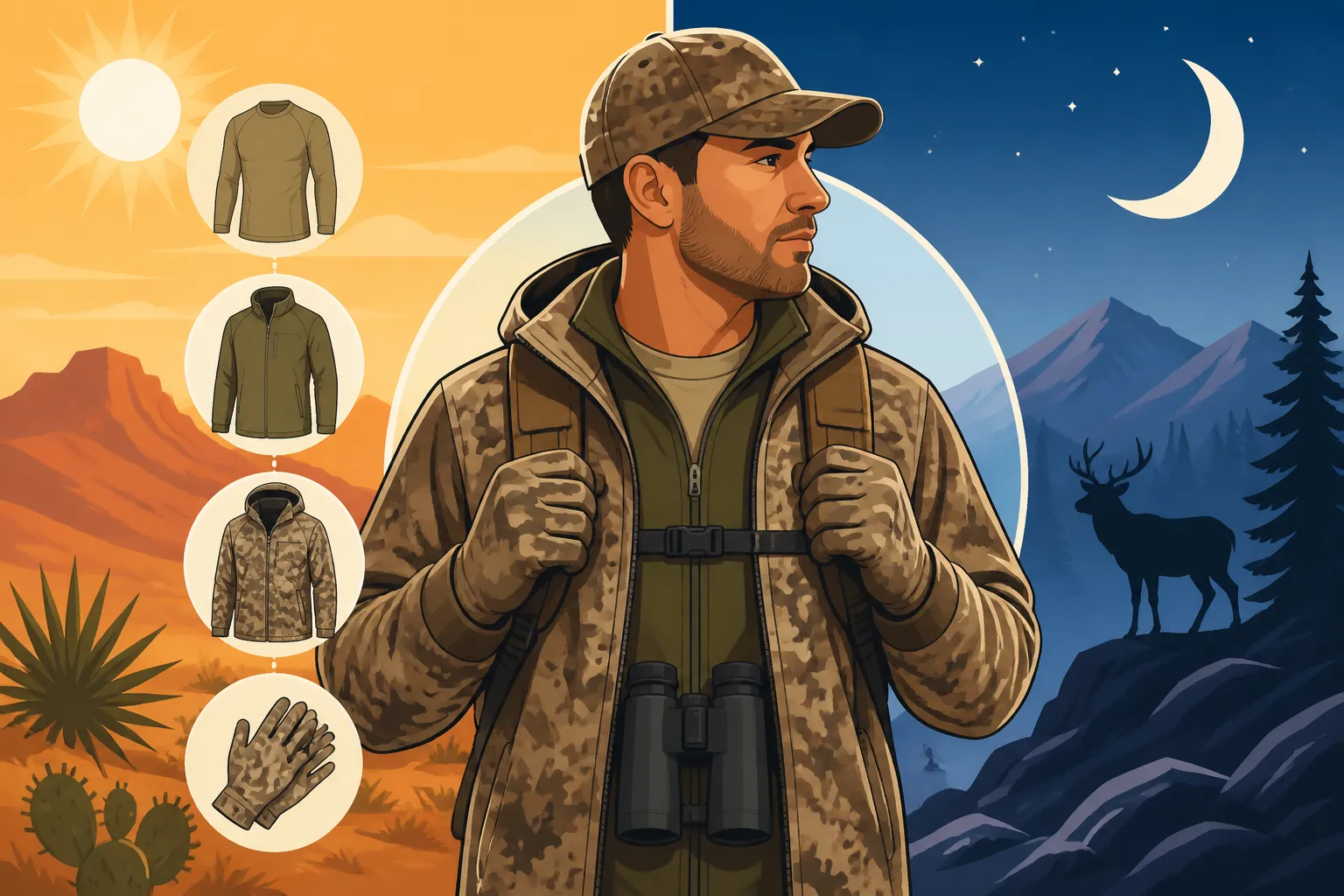
Think of your system as three main components: a base layer, a mid layer, and an outer layer. Each plays a distinct role, and they work together to create a microclimate around your body. When you’re hiking uphill, heart pounding, you might strip down to just your base layer. When you stop to glass a distant hillside for trophy bulls, you’ll add a mid-layer for insulation. If a sudden rain shower begins, your outer layer comes into play. The beauty of this system is its adaptability, allowing you to fine-tune your comfort throughout the day without carrying excessive bulk.
Base Layers: The Foundation of Comfort
Your base layer is the first layer of clothing against your skin, and its primary job is to manage moisture. When you’re hiking, even in cool temperatures, your body produces sweat. If that sweat stays against your skin, it cools rapidly, leading to a significant chill once you stop moving. A good base layer wicks that moisture away from your skin, transferring it to the outer layers where it can evaporate. This keeps you feeling dry and warm, even when you're exerting yourself.
For materials, merino wool and synthetic fabrics are your best friends. Merino wool is incredible; it's soft, naturally antimicrobial (meaning it resists odor, a huge plus on a multi-day hunt like hunting new Mexico's two back-to-back archery deer seasons), and it insulates even when wet. Synthetic fabrics, often made from polyester, are also excellent at wicking, dry very quickly, and are generally more durable and affordable than merino. Avoid cotton at all costs for your base layer. A lightweight base layer is usually sufficient for active hunting in the Gila, with perhaps a mid-weight option for colder, later season hunts. You want something that fits snugly but doesn't restrict movement, acting like a second skin to efficiently pull moisture away. Many hunters use resources like GoHunt to research specific fabric technologies and user reviews before investing in high-quality base layers.
Mid Layers: Your Insulating Powerhouse
The mid layer is your primary source of insulation, trapping warm air close to your body. This is where you add or subtract significant warmth depending on the temperature and your activity level. When you're sitting still, glassing for extended periods, or when the sun dips, this layer becomes crucial for preventing heat loss.
Common mid-layer materials include fleece, down, and synthetic fills. Fleece, like Polartec, is a classic for a reason: it’s relatively inexpensive, lightweight, breathable, and insulates well, even when damp. Down is the king of warmth-to-weight ratio, offering incredible insulation for its bulk. However, down loses its insulating properties completely when wet, so it's best reserved for dry conditions or used under a waterproof shell. Synthetic fills, like PrimaLoft or Coreloft, mimic down’s insulating power but retain much of their warmth even when wet, making them a more versatile choice for unpredictable Gila weather. I often carry a lightweight fleece vest or a puffy jacket with synthetic insulation. This allows me to adjust warmth without adding too much bulk, and it's easy to pack an elk out of the Gila alone when you don't have too much bulk.
Outer Layers: The Shield Against the Storm
Your outer layer is your shell—your first line of defense against wind, rain, and snow. Its main function is protection from the elements while still allowing moisture (from your base and mid layers) to escape, preventing you from getting clammy and cold. This is particularly important when reading wind in a deep Gila canyon or dealing with unexpected weather.
Key features for an outer layer include waterproofness, windproofness, and breathability. Gore-Tex and other proprietary membranes are excellent for providing a waterproof barrier that also breathes. Look for jackets and pants with taped seams to ensure no water seeps through. A quiet fabric is paramount for hunting; crunchy rain gear will give you away every time. Many brands offer specialized hunting shells that balance protection, breathability, and quietness. Consider a durable, abrasion-resistant outer layer, especially if you’re moving through thick brush or across rocky terrain. For the Gila, having a lightweight, packable rain shell with you at all times is non-negotiable, even if the forecast looks clear. You just never know when those afternoon pop-up storms will decide to roll in, or when you might need to quickly get your meat cooled on an early season hunt if you've harvested an animal.
Building Your Gila Hunting Kit: Practical Application
Now that we understand the principles, let's talk about putting it into practice for your New Mexico hunt. It’s not just about what layers you bring, but how you pack them and how you use them throughout the day. The goal is efficiency: quick adjustments to prevent overheating or chilling. Before I even hit the trail, I'm checking detailed weather forecasts, often using tools found on sites like GoHunt, not just for the day, but for the elevation I'll be hunting, which helps immensely in choosing my initial setup.
On a typical Gila hunting day, you might start in a base layer and a mid-weight insulating layer, perhaps a fleece jacket, for the cool morning hike. As the sun rises and you start to warm up from activity, the fleece comes off and gets stowed in your pack. You might continue in just your base layer or add a lightweight softshell if there’s a bit of a breeze. When you stop for a long glassing session, out comes that fleece again, or perhaps a lightweight puffy jacket if it’s really chilly. If a sudden gust of wind picks up or clouds roll in, your windproof outer shell is deployed. If rain starts, the waterproof shell takes over. It’s a constant, mindful process of adding and shedding to stay in that comfortable zone, especially crucial when trying to get how close a bowhunter needs to get on elk.
Prioritizing Key Pieces for Your Pack
When space and weight are at a premium, as they always are in the backcountry, you need to be smart about what you carry. While your base layers are usually worn, your mid and outer layers are often going in and out of your pack. Here’s a breakdown of what I consider essential:
- Extra Base Layer Top: Even if you start dry, you might get sweaty. Having a fresh, dry base layer to change into back at camp, or even mid-day if you’re soaked, can be a game-changer.
- Lightweight Insulating Jacket (Puffy): A synthetic-fill puffy jacket is incredibly versatile. It provides a lot of warmth for minimal weight and bulk, and it performs even if it gets a little damp. This is your primary warmth layer for stops or colder periods.
- Rain Gear (Jacket and Pants): Non-negotiable. Even on sunny days, afternoon thunderstorms can materialize seemingly out of nowhere. A good waterproof and breathable set is crucial. Look for something quiet enough for hunting.
- Warm Hat: You lose a significant amount of heat through your head. A warm beanie is small, lightweight, and offers immediate warmth when temperatures drop.
- Gloves: Lightweight gloves for dexterity and warmth in the morning, or perhaps a heavier pair if temperatures are expected to plummet.
- Neck Gaiter: Another small item that makes a huge difference in trapping warmth and protecting your neck from wind.
Here's a quick comparison of common layering materials:
| Material Type | Best Use | Pros | Cons | Ideal Gila Application |
|---|---|---|---|---|
| Merino Wool | Base, Mid | Excellent warmth-to-weight, insulates when damp, odor-resistant, soft. | More expensive, less durable than synthetics, slower drying. | Base layers, light mid-layers for odor control and comfort. |
| Synthetic (Polyester, Nylon) | Base, Mid, Outer | Wicks moisture well, dries fast, durable, affordable, insulates when wet. | Can retain odor, not as soft as merino, less "natural" feel. | Base layers, fleece mid-layers, synthetic puffy insulation, durable shells. |
| Fleece (Polyester) | Mid | Good insulation, breathable, dries relatively quickly, affordable. | Bulky, not windproof, can get wet easily. | Mid-layer for active periods, layering under a shell. |
| Down | Mid | Highest warmth-to-weight ratio, extremely compressible. | Loses all insulating power when wet, expensive. | Puffy mid-layer for dry, cold conditions. Not ideal for wet monsoon season. |
| Gore-Tex/Membrane | Outer (Shell) | Waterproof, windproof, breathable. | Can be noisy (depending on fabric), expensive, less breathable than non-membranes. | Outer shell for rain and wind protection, crucial for comfort. |
Adapting to Unexpected Weather
Even with the best planning, the Gila can throw curveballs. A forecast for clear skies can turn into a day of intermittent rain, or temperatures can drop even lower than anticipated. This is where the flexibility of a good layering system truly shines. The key is constant vigilance and proactive adjustment.
If you suddenly find yourself in a heavy downpour, and you’re wearing just a base and mid-layer, your first move isn't just to put on your rain jacket, but perhaps your rain pants too. Many hunters neglect rain pants, only to find themselves soaked from the waist down. If you're going to be stationary for a while, like setting up for a shot or waiting out a passing storm, immediately add all your insulating layers under your waterproof shell. Don't wait until you're shivering. Getting chilled in the backcountry, especially when wet, can lead to impaired judgment and dangerous situations. Remember, it's easier to stay warm than to get warm once you're already cold.
Conversely, if the sun breaks through and you start to overheat, shed layers immediately. Excessive sweating not only makes you uncomfortable but also makes you vulnerable to a chill later. Even if it means stopping for a few minutes to strip off a layer, it’s worth it. Keep your gear organized in your pack so you can quickly access what you need. Many seasoned hunters utilize apps that combine weather data with topographic maps, like GoHunt's mapping features, to help them anticipate weather changes based on elevation and terrain. This can be a significant advantage when you're working a remote area like the Gila and trying to stay on top of the elements. Understanding how terrain hides an approach at 10,000 feet also means understanding how it can trap cold air or expose you to wind.
Disclaimer
Always consult the latest New Mexico Department of Game and Fish regulations before planning any hunting trip, as rules and requirements can change. This content is intended for informational purposes only and should not be considered legal or professional advice. Hunting in the backcountry carries inherent risks, and proper preparation, including physical fitness, navigation skills, and appropriate gear, is essential for safety.