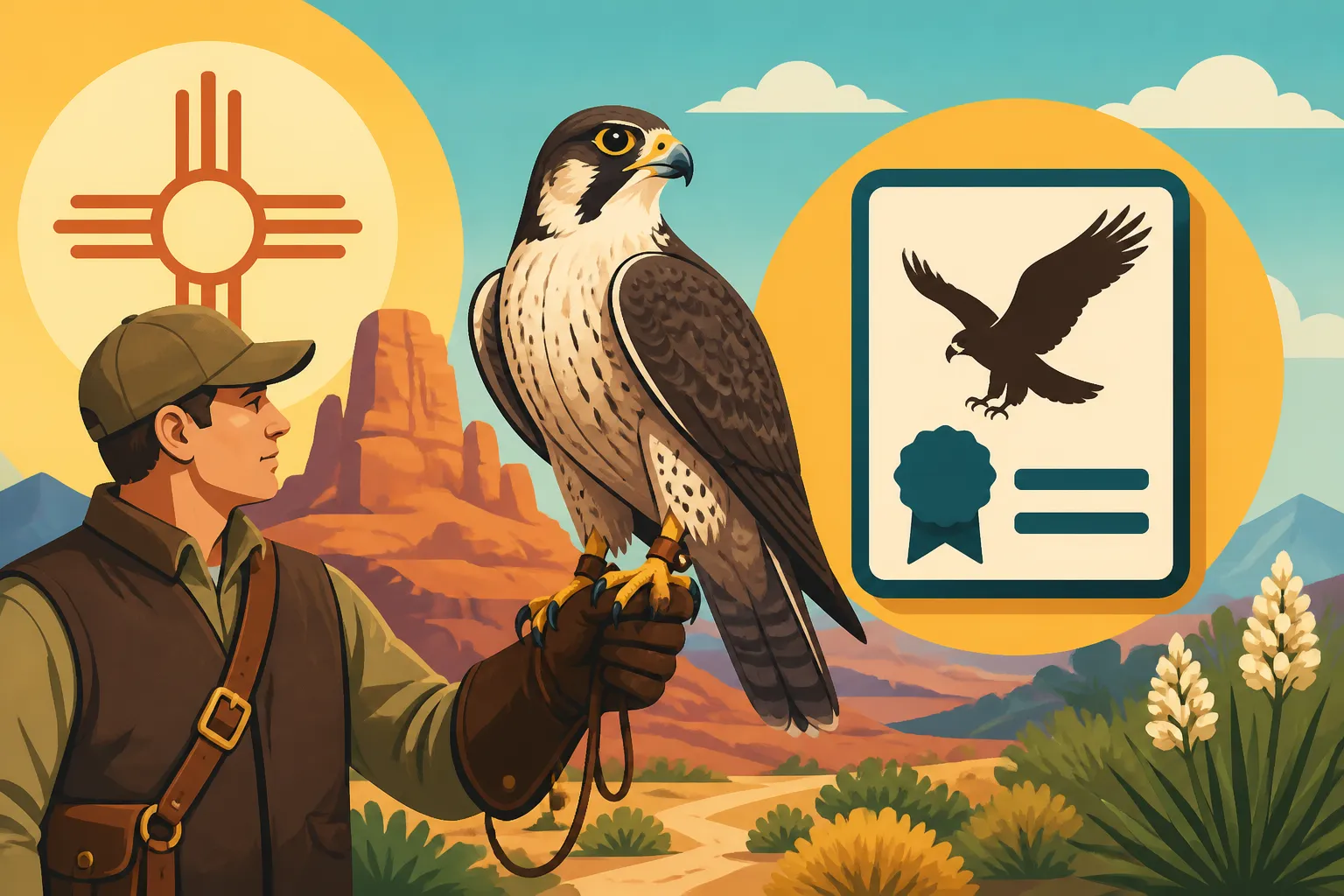
How to Get a New Mexico Falconry Permit
Many aspiring falconers across New Mexico find themselves staring at a mountain of regulations, trying to figure out how to even begin the process of obtaining a permit. It can feel incredibly daunting, a bureaucratic maze where simply knowing where to start seems like the first impossible task. This guide is designed to cut through that confusion, walking you through every step required to get a New Mexico falconry permit, from understanding the core rules to nurturing your first raptor.
Understanding New Mexico's Falconry Framework
Falconry, the ancient art of hunting with trained raptors, isn't just a hobby; it's a deeply committed lifestyle governed by stringent regulations. In New Mexico, like in most states, this isn't a simple "sign up and go" process. You're dealing with a sophisticated system designed to protect both the raptors and the public. Getting involved requires a serious investment of time, resources, and a deep respect for the animals you'll work with.
The Dual Regulation System: State and Federal Oversight
One of the first things that often throws new folks for a loop is understanding that falconry in New Mexico operates under a dual layer of regulation. You're not just answering to the New Mexico Department of Game and Fish (NMDGF); you're also beholden to the U.S. Fish and Wildlife Service (USFWS). This can feel a bit like having two bosses, each with their own rulebook, but they actually work hand-in-hand.
The USFWS sets the overarching federal standards for falconry throughout the United States. These are the baseline rules that every state must adhere to, ensuring a consistent level of raptor welfare and conservation across the country. Think of these as the federal minimums for everything from housing requirements to permissible species and even the duration of various permit classes.
The NMDGF, on the other hand, is the state agency responsible for implementing and enforcing those federal standards, and sometimes, they add their own, more specific or stricter rules. This means that while a federal regulation might state a minimum, New Mexico might have a slightly higher bar. For example, the federal minimum age for an apprentice falconer is 12, but New Mexico generally requires applicants to be 14 years old. The NMDGF is who you'll directly interact with for your application, exams, inspections, and renewals, but their rules are always built upon that federal foundation. Staying up to date with the regulations is key, and the NMDGF website is the definitive source for Where the Current New Mexico Regulations Are Posted.
Different Permit Classes and What They Mean for You
Just like moving up the ranks in any skilled trade, falconry has distinct permit classes, each with increasing levels of responsibility, experience requirements, and privileges. Everyone starts at the bottom, and for good reason—these are wild animals, and their welfare (and your success) depends entirely on proper training and care.
- Apprentice Falconer: This is the entry point for absolutely everyone interested in falconry. You cannot skip this step, no matter how much you think you know about birds. As an apprentice, you're under strict supervision, requiring a sponsor who is a General or Master Falconer. Your species selection is limited to common, relatively easy-to-manage raptors, typically an American Kestrel or a Red-tailed Hawk, often taken as a passage bird (a bird captured in its first year). This phase is all about learning the ropes, proving your dedication, and demonstrating responsible husbandry. You'll typically remain an apprentice for at least two years.
- General Falconer: Once you've successfully completed your apprenticeship and gained sufficient experience (usually two years of active falconry with a bird), you can apply to upgrade to a General Falconer permit. This class grants you more independence and a broader selection of raptor species, though eagles are still off-limits. You'll have more flexibility in trapping and training birds, but with that freedom comes increased personal responsibility. Most falconers operate at this level for the majority of their falconry career. You need to hold a General permit for at least five years before considering the next step.
- Master Falconer: This is the pinnacle of falconry permits, reserved for individuals with exceptional experience, deep knowledge, and a demonstrated commitment to the art and conservation. Master falconers typically have at least five years of experience as a General Falconer. They have the most flexibility in species selection (including eagles, with specific federal authorization) and often serve as mentors for apprentices and general falconers. Achieving this level signifies not just expertise in handling birds, but also a profound understanding of wildlife, ethics, and the role of falconry in conservation.
Understanding this progression is crucial because it sets expectations. Falconry isn't a sprint; it's a marathon of continuous learning, dedication, and respect for both the raptors and the rich history of the sport.
The Journey to Becoming a New Mexico Falconer
Embarking on the path to becoming a licensed falconer in New Mexico is a structured journey. It involves exams, inspections, and, most importantly, a mentor. It's a challenging but incredibly rewarding process that ensures you're prepared for the immense responsibilities ahead.
Starting with the Apprentice Permit Application
The first hurdle, and arguably the most significant, is securing that initial Apprentice permit. This isn't like applying for a general hunting license or using a platform like GoHunt to navigate big game draws; it's a much more personal and scrutinizing process.
First, you need to meet the age requirement. As mentioned, while federal regulations allow for 12-year-olds, New Mexico typically requires applicants to be at least 14 years old. Parental consent is absolutely required for minors.
Next comes the written exam. This isn't a walk in the park. It covers a vast array of topics, including raptor identification, biology, diseases, husbandry, trapping methods, training techniques, and federal and state falconry regulations. You'll need to study diligently. There are numerous resources available, including federal study guides, books, and online materials. The NMDGF will administer this federal exam, and you'll need to score at least 80% to pass. This test ensures you have the foundational knowledge to care for a raptor. Remember, this is about the well-being of a wild animal, so a casual approach simply won't cut it. While understanding general hunting tenets is valuable, like knowing The New Mexico Hunter Education Requirement for firearms, this test is specifically tailored to raptor knowledge.
Perhaps the biggest hurdle for many aspiring falconers is finding a sponsor. You absolutely cannot become an apprentice without one. A sponsor must be a General or Master Falconer who has held their permit for at least two years. This person commits to guiding you, teaching you, and overseeing your progress for the entire duration of your apprenticeship. They're not just a name on a form; they are your teacher, your advisor, and your primary resource for all things falconry. This vital relationship is built on trust and mutual commitment, and finding a suitable, willing mentor often requires active networking within the falconry community.
Once you've passed your exam and secured a sponsor, you'll face a home inspection. This is a critical step. An NMDGF official will visit your property to ensure you have the appropriate facilities to house a raptor. This includes a proper mews (an enclosed structure for the bird) and a weathering area (an outdoor enclosure). These facilities must meet specific size, construction, security, and hygiene standards to ensure the raptor's safety, health, and protection from predators and the elements. This inspection can be quite rigorous, and you need to be prepared. If your facilities aren't up to par, your permit will be denied until corrections are made.
Finally, with all these pieces in place—age met, exam passed, sponsor secured, and facilities approved—you'll submit your completed application to the NMDGF. This application will include forms from both you and your sponsor, detailing your commitment and understanding of the responsibilities involved. Just like setting up an online account for other NMDGF services or big game draws, ensure all your information is accurate and complete when you're Setting Up a New Mexico Online Account for your falconry application.
The Critical Role of a Sponsor and Mentorship
Let's dive a little deeper into the mentorship aspect because it truly is the cornerstone of falconry. This isn't a sport you can learn solely from books or YouTube videos. A raptor is a complex, wild creature, and its well-being, along with your safety and success, hinges on direct, hands-on guidance from an experienced individual.
Your mentor will be your primary teacher, showing you everything from how to tie a proper falconer's knot and hold a bird correctly, to the intricacies of hawk psychology, diet, disease prevention, and ethical hunting practices. They'll teach you how to trap a bird, condition it for hunting, and even guide you through the emotional highs and lows that inevitably come with working so closely with a wild animal. This guidance goes far beyond what any textbook can offer, providing real-time feedback and demonstrating techniques that can only be learned by doing.
Finding a mentor can be the hardest part of the entire process. New Mexico isn't teeming with falconers on every street corner. You'll need to actively seek them out. Joining local falconry clubs, such as the New Mexico Falconers Association (NMFA), is an excellent starting point. Attend their meets, volunteer, ask questions, and be genuinely interested. Show your commitment and willingness to learn. Many experienced falconers are hesitant to take on an apprentice because it's a huge time commitment for them, so demonstrating your seriousness and reliability is paramount. Building these relationships is an organic process, quite different from simply looking up draw statistics or unit information that a platform like GoHunt provides for deer or elk hunts.
The responsibilities in this mentor-apprentice relationship are clear: the apprentice must be eager to learn, follow instructions, and dedicate the necessary time and effort to their bird and their studies. The mentor, in turn, commits to providing patient, thorough instruction and ensuring the apprentice is developing the skills and ethical foundation necessary to progress. This collaborative effort ensures the high standards of falconry are maintained.
Housing and Equipment Requirements
Before you can even think about bringing a raptor home, you must have suitable housing and the necessary equipment in place. This isn't just a suggestion; it's a mandatory requirement that will be verified during your NMDGF inspection. The investment can be significant, so planning ahead is crucial.
Your primary housing facility is the mews. This is an enclosed, protected structure where your raptor will live indoors. It needs to be spacious enough for the bird to stretch and beat its wings without damaging feathers, secure from predators (think raccoons, stray cats, coyotes), and constructed from materials that are easy to clean and won't injure the bird. Specific requirements for size, ventilation, perching options (often natural branches or artificial perches designed for raptor comfort), and substrate will be detailed in the regulations. Cleanliness is paramount to prevent disease, so ease of cleaning is a major consideration in design.
In addition to the mews, you'll need a weathering area. This is an outdoor enclosure, often a secure fenced or screened area, where the bird can spend time outdoors, basking in the sun, preening, and generally experiencing natural light and fresh air while still being protected from predators and harsh weather. It also needs secure perches and easy-to-clean surfaces. The weathering area provides enrichment and contributes significantly to the raptor's overall health and well-being.
Beyond the physical structures, a suite of specialized equipment is essential for ethical and effective falconry:
- Gloves: Thick leather gloves protect your hand from talons.
- Jesses and Leashes: Leather straps (jesses) fitted to the bird's legs, with leashes to secure them.
- Hoods: Used to cover the raptor's eyes, keeping it calm during transport or when resting.
- Scales: Accurate scales are critical for monitoring a raptor's weight, which is essential for conditioning and hunting success. Even small fluctuations can indicate health issues or affect performance.
- Telemetry: Small transmitters attached to the bird (usually to a leg or tail feather) that allow you to track it if it flies out of sight during a hunt. This is a non-negotiable piece of equipment to prevent lost birds.
The NMDGF inspector will verify that all these facilities and equipment meet the federal and state standards. This upfront investment in time, money, and construction demonstrates your commitment to the welfare of your future raptor. Just as a hunter carefully considers their rifle choice for the Choosing a Rifle for Gila Timber and Canyons or optics for vast landscapes, a falconer's equipment is purpose-built and non-negotiable.
Progressing Through the Ranks and Maintaining Your Permit
Once you've navigated the apprentice stage, the journey doesn't end. It evolves into a deeper commitment and greater independence as you progress through the ranks and maintain your hard-earned permit.
Advancing to General and Master Falconer
The progression through falconry permits is a testament to your growing skill, knowledge, and dedication. It's not about rushing; it's about earning each step through hands-on experience and proven responsibility.
After successfully completing your two-year apprenticeship, and with a strong recommendation from your sponsor, you can apply for the General Falconer permit. This upgrade signifies that you have demonstrated the competence and ethical understanding necessary to manage raptors with less direct supervision. You'll have expanded privileges, including the ability to possess more birds (usually two) and a wider variety of species (though eagles still require specific, often federal, authorization). This period is crucial for honing your skills, learning from different birds, and truly becoming an independent falconer.
To advance to the Master Falconer permit, you must have held a General Falconer permit for at least five consecutive years. This is where truly exceptional experience and a profound understanding of falconry are required. Master falconers are often seen as leaders in the community, not just for their hunting prowess but also for their commitment to conservation, research, and mentoring new falconers. They possess the greatest flexibility in species selection (again, special federal permits are often needed for eagles) and often contribute to scientific studies or public education. The progression is deliberately slow, ensuring that those who reach the Master level have truly dedicated a significant portion of their lives to this ancient art.
Ongoing Responsibilities and Permit Renewal
Obtaining a falconry permit is just the beginning; maintaining it involves continuous responsibility. Your commitment to your raptor, the sport, and wildlife conservation is ongoing.
One of the most important responsibilities is annual reporting to the NMDGF. You'll be required to submit a detailed report on your raptor inventory, including any birds acquired, transferred, lost, or died, as well as harvest reports detailing the species and number of quarry taken by your bird. This data is vital for wildlife management and helps regulatory bodies understand falconry's impact on wild populations.
Continuous care of your raptors is paramount. Falconry birds are athletes, and their health depends on meticulous husbandry, proper diet, and appropriate veterinary care when needed. You'll need to constantly educate yourself on raptor health, behavior, and training techniques. This is a living commitment, not a static one.
Your falconry permit will also need to be renewed periodically, typically every three to five years, depending on state regulations. This usually involves submitting a renewal application and potentially paying a fee. It’s an opportunity for the NMDGF to ensure your information is up-to-date and that you remain in compliance with all regulations. Always refer to the NMDGF's official channels for specific renewal schedules and requirements.
Staying informed about any changes to Reading a New Mexico Hunt Code Before You Apply or specific raptor rules is crucial. Falconry regulations, while generally stable, can be updated, and it's your responsibility to know and follow them. This often means being an active member of the falconry community and regularly checking the NMDGF website.
Ethical Considerations and Conservation
Falconry is steeped in ethical tradition and a deep respect for wildlife. This isn't just about bagging game; it's about the intricate relationship between human and raptor, and the broader responsibility to conservation.
Ethical hunting practices are at the core of falconry. This includes ensuring humane takes, understanding bag limits for quarry species (which can often be found in resources like New Mexico Small Game Seasons at a Glance or even specific information like New Mexico Cottontail and Jackrabbit Seasons), and respecting both the wild prey and your raptor. It also involves knowing when not to hunt, such as during extreme weather conditions that could endanger your bird or the quarry.
Many falconers are actively involved in conservation efforts. They contribute to scientific studies by providing data from their hunts, participate in raptor rehabilitation, and educate the public about birds of prey. Falconry is often seen as a powerful tool for conservation, as it fosters a direct connection to wildlife and highlights the importance of healthy ecosystems. This aligns with broader wildlife management goals, such as understanding Where New Mexico Publishes Unit Access Maps to find suitable hunting grounds or recognizing the importance of sustainable harvests.
Ultimately, getting a New Mexico falconry permit means joining a community dedicated to a challenging and ancient pursuit. It demands commitment, patience, and unwavering ethical conduct, ensuring that this noble tradition continues for generations to come.
Here's a quick look at the New Mexico Falconry Permit Classes:
| Permit Class | Minimum Age (NMDGF) | Apprenticeship Required | Sponsor Required | Max Raptors Held | Species Limit (Initial Apprentice) |
|---|---|---|---|---|---|
| Apprentice | 14+ | N/A | Yes | 1 | American Kestrel, Red-tailed Hawk |
| General | 18+ | 2 Years as Apprentice | No | 2 | Most species (non-eagle) |
| Master | 23+ | 5 Years as General | No | 3 | Any (incl. eagles with special permit) |
Note: Specific age requirements, species limits, and permit durations are subject to change by the NMDGF and USFWS. Always consult the official New Mexico Department of Game and Fish regulations for the most current information.
Disclaimer
The information provided in this guide is for general informational purposes only and does not constitute legal advice. Hunting regulations, permit requirements, and fees are subject to change. Always consult the official New Mexico Department of Game and Fish website and relevant federal regulations for the most current and accurate information before applying for any permits or engaging in falconry activities.