What Happens When the Two Years End
It’s a fantastic feeling to watch your young hunter develop skills and passion out in the field, making memories that will last a lifetime. The New Mexico Mentored Youth Program offers an incredible opportunity to get them started early, but that two-year clock starts ticking the moment they get their first mentored license, and eventually, it runs out. This guide is all about understanding what happens when that initial two-year period concludes, and how to seamlessly transition your young hunter into the next phase of their outdoor journey.
Understanding the New Mexico Mentored Youth Program
Let's face it, the world of hunting regulations can be a bit of a labyrinth, and the Mentored Youth Program is designed to simplify entry for our youngest enthusiasts. It’s a brilliant stepping stone, a way for kids to get hands-on experience in the field under direct supervision without having to jump through every single hoop right away. The state understands that sometimes, the best way to learn is by doing, especially when you have a seasoned mentor by your side.
The Initial Two-Year Window
During those precious first two years, the Mentored Youth Program allows children, even those under 10, to participate in big game and turkey hunts. The key here is that they are exempt from the mandatory Hunter Education requirement. This is huge! It means a parent or legal guardian, who is themselves a licensed hunter and has completed hunter education, can act as a mentor, guiding the youth through their first experiences. They need to acquire a valid mentor number from New Mexico Game and Fish, and the youth hunter must always be in their immediate physical presence, maintaining direct control and supervision. It's truly an apprenticeship, allowing for direct teaching and real-time safety lessons. This initial period is designed to foster that love for the outdoors and ethical hunting practices.
Why the Two-Year Limit Exists
The two-year limit isn't just an arbitrary number. It's built into the program with a thoughtful purpose: to provide a realistic timeframe for a young person to decide if hunting is truly for them, and then to properly prepare for full certification. Imagine trying to cram hunter education, licensing, and then drawing a tag all at once with a super young kid. It could be overwhelming and potentially turn them off to the sport. By offering a two-year exemption, New Mexico acknowledges the value of in-field experience as a primary educator, but also emphasizes that formal education and safety certification are ultimately essential for responsible, independent hunting. It's about slowly easing them into the responsibilities that come with being a hunter. You can learn more about The New Mexico Mentored Youth Program Explained in depth.
The Transition Point: When the Clock Runs Out
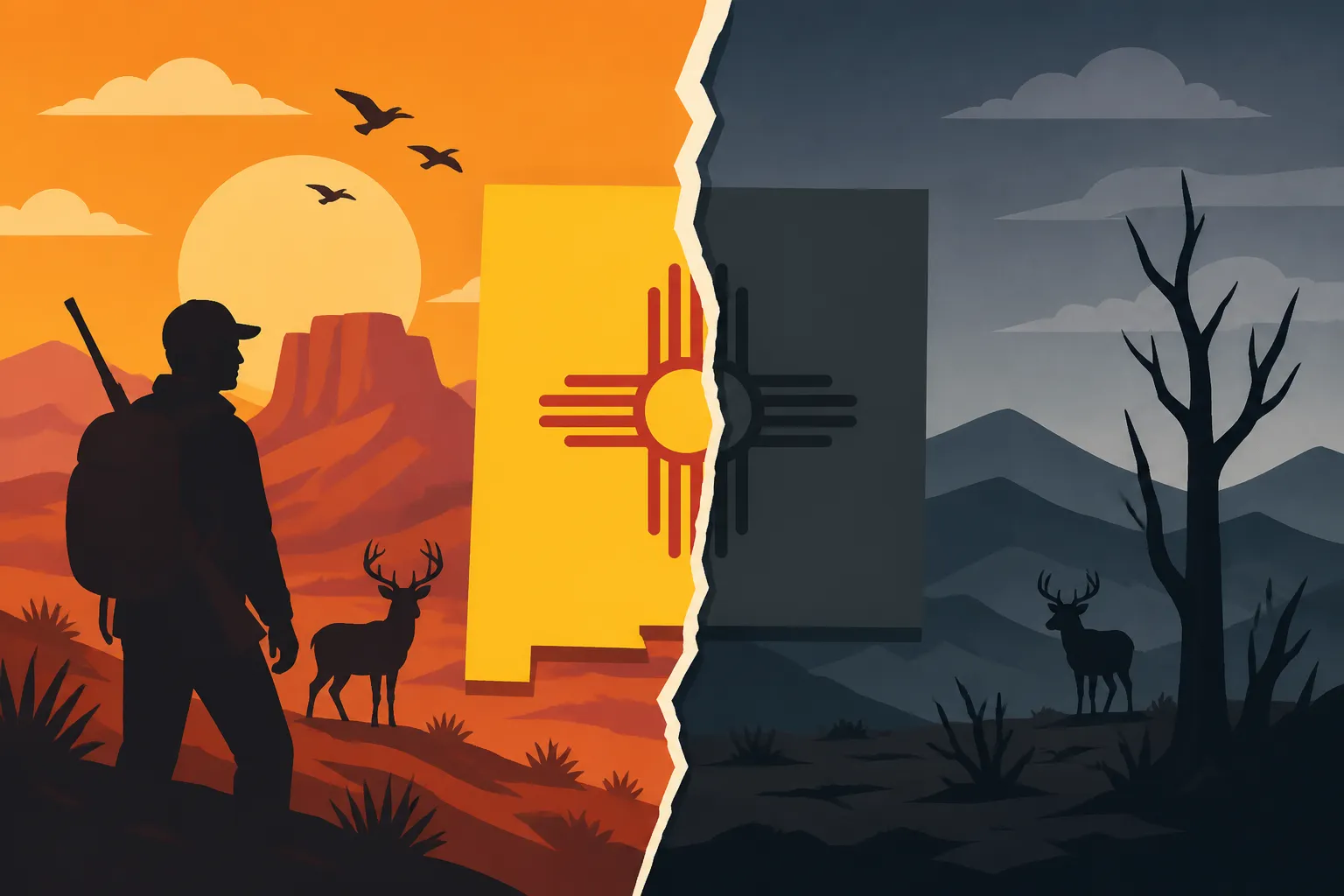
This is where many parents start to scratch their heads and wonder, "Okay, now what?" The expiration of the two-year mentored period is a significant shift. It means your young hunter is no longer under the special provisions of the program and must adhere to the standard regulations that apply to all other hunters in New Mexico. It’s not the end of their hunting journey, but rather the start of a new, more independent chapter.
No More Hunter Education Exemption
The biggest change, without a doubt, is the loss of the hunter education exemption. Up until this point, the mentor's certification covered the youth. But once those two years are up, that particular benefit vanishes. This is a critical detail, as continuing to hunt big game or turkey without the required hunter education certificate (or being actively enrolled in an ongoing course, in some specific cases) would put your young hunter, and potentially you as the mentor, in violation of state regulations. It's a hard stop on that particular grace period, signaling that it's time for the next step.
Certification Becomes Mandatory
Once the two years of the Mentored Youth Program status have passed, your young hunter must possess a valid New Mexico Hunter Education certificate to legally purchase a big game or turkey license. This isn't just a suggestion; it's a firm requirement. Without that certificate, they won't be able to apply for, or purchase, those coveted draw tags for elk, deer, pronghorn, or even general turkey licenses. It's the official badge of responsibility that signifies they've learned the fundamentals of firearm safety, wildlife conservation, ethical hunting, and game laws. It’s also a way to ensure they understand the crucial aspects covered in The New Mexico Hunter Education Requirement.
Next Steps: Hunter Education Certification
So, the two years are up, and certification is now a must. Don't fret! New Mexico has made the hunter education process quite accessible, understanding that families have busy schedules. There are several pathways your young hunter can take to get certified, each designed to fit different learning styles and availability.
Online Course vs. Traditional Classroom/Field Day
New Mexico offers flexibility when it comes to completing hunter education. Many young hunters opt for the online course, which can be completed at their own pace from the comfort of home. Websites like the official New Mexico Game and Fish portal, or third-party providers like Hunter-ed.com, offer comprehensive courses that cover all the necessary material. These courses typically culminate in an exam.
However, it's important to understand that while the online portion covers a lot of the knowledge, there's often a crucial practical component. Some online courses in other states might be "online-only," but New Mexico strongly emphasizes the value of hands-on experience. Even if the online course provides a certificate, many find immense value in attending a traditional classroom course or, more commonly, a practical field day session. These field days often include live-fire exercises, hands-on safety demonstrations with various types of firearms, and discussions with experienced instructors. They provide a safe, controlled environment to apply what was learned online.
The Importance of Practical Field Experience
While the online course is convenient, I can't stress enough the value of a practical field day. There's just no substitute for handling different types of firearms under the watchful eye of a certified instructor. This is where your child will learn proper loading and unloading techniques, safe carries, muzzle control, and how to safely navigate a range or field scenario. These sessions also cover crucial topics like blood trailing, game recovery, and ethical shot placement, which are hard to fully grasp from a screen. Even if an online course offers full certification, seeking out opportunities for practical range time or a full field day is highly recommended. It reinforces the knowledge gained and builds confidence, which is invaluable for any hunter. This hands-on training ensures they're not just memorizing rules but truly understanding the implications of safe gun handling and responsible hunting.
Continued Hunting Opportunities for Youth
The end of the Mentored Youth Program doesn't mean the end of hunting; it simply means your young hunter has "graduated" to the next level. Now, armed with their hunter education certificate, they can participate fully in the draw system and take advantage of all the opportunities New Mexico has to offer.
Applying for Regular Draw Tags
Once certified, your young hunter can apply for any available draw tags, just like an adult hunter. This opens up the possibility of applying for highly sought-after species like elk, quality mule deer, or even the unique New Mexico oryx. They’ll need to purchase a Game Hunting License (which also covers the application fees for most species), and then they can submit their choices through the New Mexico Department of Game and Fish website. This is a big step, and it's a great time to introduce them to the strategy behind Choice Order Strategy in the New Mexico Draw or how to research units using tools like GoHunt's insider platform. Preparing for the draw, checking odds, and understanding hunt codes becomes a part of the adventure.
Age-Specific Hunting Rules After Certification
Even after receiving their hunter education certificate, certain age-specific rules might still apply. For instance, while they can hunt big game and turkey, there might be specific youth-only hunts that they can still participate in, which often have better draw odds or unique season dates. It's always crucial to check the current New Mexico Hunting Rules and Information Booklet each year, as regulations can sometimes change. Generally, once certified, the primary restrictions shift from "can they hunt?" to "what can they hunt based on their license and tag?" and "who needs to supervise them?" depending on their exact age. For example, a 10-year-old might still require closer supervision in the field than a 15-year-old, even if both are certified. However, the legal mandate for a mentor with a specific mentor number is typically lifted once full hunter education is completed. It's a good idea to review the specific age ranges covered in Age Limits Inside the Mentored Youth Program to ensure full compliance.
Planning for the Transition: Proactive Steps
The end of the two-year program doesn't have to be a surprise. With a little foresight and planning, you can ensure a smooth transition for your young hunter, keeping their enthusiasm for the outdoors alive and well.
Marking Your Calendar and Setting Reminders
The simplest and most effective step is to know exactly when that two-year period is going to end. Look back at the date your child first received their mentored youth license or mentor number. Mark it prominently on your calendar, set phone reminders, or even make a note in a family planning app. Give yourself plenty of lead time—I'm talking six months to a year—before the expiration date. This allows you to research hunter education courses, fit them into school schedules, and ensure there's no last-minute rush that could disrupt your hunting plans for the following season. This proactive approach avoids disappointment and keeps the hunting tradition moving forward.
Early Hunter Education Enrollment
Don't wait until the last minute to enroll your child in a hunter education course. Classes, especially field days, can fill up quickly, particularly during popular times like spring break or summer. By enrolling them early, perhaps even in the second year of their mentored status, you ensure they have a spot and can complete the certification process without feeling rushed. This also means they’ll have their certificate in hand well before the next draw application period opens (typically in March for most big game species), allowing them to apply for tags confidently. An early start also means the knowledge is fresh in their minds, setting them up for success when they apply it in the field.
Resources and Support for Young Hunters
Even after formal certification, the journey of a young hunter is one of continuous learning. Having access to reliable resources and maintaining a strong mentorship connection are crucial for their long-term development as ethical and responsible outdoorspeople.
New Mexico Department of Game and Fish Website
The official New Mexico Department of Game and Fish (NMDGF) website is, without a doubt, your primary source for all current regulations, hunter education schedules, and licensing information. It’s where you’ll find the annual hunting proclamations, draw application dates, and details on how to get that vital hunter education certificate. I highly recommend bookmarking the site and checking it regularly. They often have FAQs, contact information for local offices, and even online portals for managing licenses and applications. It's the ultimate authority on all things hunting in New Mexico.
Mentoring Beyond the Program
Just because the formal "Mentored Youth Program" status ends doesn't mean your role as a mentor is over. Far from it! In fact, this is where true, lifelong mentorship truly blossoms. Your young hunter will continue to rely on your experience, wisdom, and guidance as they navigate more complex hunting scenarios, learn advanced techniques, and develop their own hunting philosophies. Continue to teach them about Reading Wind in a Deep Gila Canyon, how to use optics effectively, or even the nuances of Cow Calling Pressured Gila Bulls. Share your knowledge about conservation, field ethics, and the importance of being a responsible steward of the land. The strongest hunting traditions are built on continuous mentorship, long after any official program concludes.
Mentored Youth Program: Before & After
| Feature | During Mentored Youth Program (First 2 Years) | After Mentored Youth Program (Post 2 Years) |
|---|---|---|
| Hunter Education Required | No, exempt under mentor's certification | Yes, mandatory for big game/turkey license |
| Mentor Number Required | Yes, mentor must have a valid mentor number | No, mentor number not required |
| Direct Supervision | Mandatory immediate physical presence and direct control by certified mentor | Recommended for safety & continued learning; not legally mandated as "mentor number" |
| Eligible Species | Big game & turkey (under direct supervision) | All legally huntable species (with appropriate licenses/tags) |
| License Application | Purchased under specific youth license type, often over-the-counter | Applies for draw tags like any adult hunter, requires Game Hunting License |
| Target Age Group | Primarily under 18, often starts as young as 6-8 | All ages (post-hunter ed), typically ages 10+ |
Disclaimer
Please remember that hunting regulations can change. While this guide aims to provide accurate and up-to-date information, it is always your responsibility to consult the most current New Mexico Department of Game and Fish Hunting Rules and Information Booklet or website before participating in any hunting activity. This content is for informational purposes only and does not constitute legal advice.