How to Break a Tie Between Two Outfitters
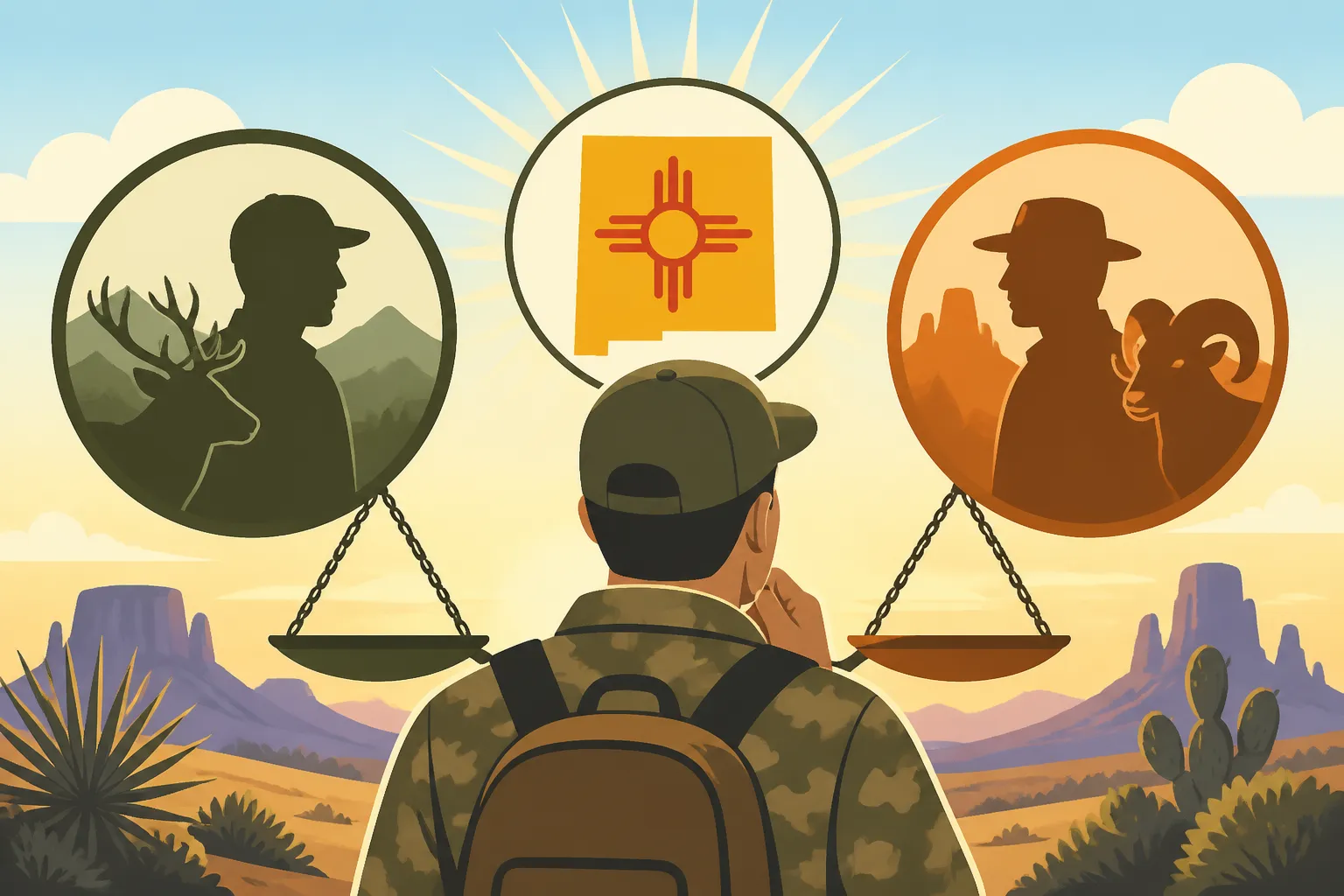
It's a fantastic problem to have, isn't it? You've done the hard work, filtered through countless websites, listened to recommendations, and now you're down to two New Mexico outfitters, both looking equally appealing on paper. This is where the real stress of decision-making can kick in, making you second-guess every detail. This guide is all about helping you confidently make that final call when two seemingly perfect options are staring you down, ensuring you pick the outfitter that truly aligns with your hunting dreams and expectations in the Land of Enchantment.
Digging Deeper Beyond the Brochure: The Fine Print and Forgotten Questions
When you're comparing two top-notch outfitters, the glossy brochures and enthusiastic testimonials can start to blur. Both will likely showcase impressive trophies, smiling clients, and beautiful New Mexico landscapes. The key to breaking the tie often lies in venturing beyond these initial impressions and scrutinizing the less glamorous, but critically important, details. This isn't about finding fault, but about finding the best fit for you.
The Nitty-Gritty of the Contract: What's Included, What's Not?
You’d be surprised how often hunters skim over the actual contract until it’s time to sign on the dotted line. This is a crucial mistake, especially when you’re down to two choices. Don't just look at the price; look at what that price encompasses. Does it cover food, lodging, transportation once you arrive in New Mexico, and field dressing? What about caping, quartering, and packing out your animal? Some outfitters include these as standard, while others treat them as add-ons, which can significantly alter the true cost of your hunt.
A thorough review of The New Mexico Guide-Client Contract You Must Sign will highlight areas where one outfitter might offer more value or transparency than the other. For instance, some may include airport pickup from Albuquerque or El Paso, while others expect you to arrange your own travel to a rendezvous point. One might specify comfortable wall tents with cots and heaters, while the other implies a more rustic spike camp experience. Neither is inherently better or worse, but they represent different experiences and costs you need to factor into your final decision.
Look specifically for details regarding guide-to-hunter ratios, the number of hunting days, and even what species are covered if you're pursuing a combo hunt. Sometimes, what seems like a slightly higher price from one outfitter is actually a better deal because it wraps in services or amenities that the other charges extra for, or simply doesn't offer. It's like comparing two cars: one might be cheaper upfront, but if the other includes all the upgrades you want, it might be the better long-term value.
Asking About Contingencies: What Happens If…?
Life, and hunting, is full of unexpected twists. This is where a truly professional outfitter distinguishes themselves. You need to understand their policy on various unforeseen circumstances. What happens if you get injured? What if there's a family emergency that forces you to cancel? What if the weather turns so severe that hunting becomes impossible or unsafe for a significant portion of your trip? These are not questions anyone wants to ask, but they are vital for peace of mind.
Another critical contingency to discuss, especially for New Mexico hunts that are often tied to specific draw results, is what happens if you fail to draw a tag. Some outfitters have clear policies regarding deposits – whether they're fully refundable, transferable to a future hunt, or converted into a credit. It's important to understand Reading the Cancellation and Refund Terms thoroughly before committing, particularly when dealing with non-refundable deposits.
Imagine booking an elk hunt in the Gila and your outfitter suffers an unforeseen emergency just before the hunt. Knowing What If Your New Mexico Outfitter Cannot Make It is a critical piece of information. Do they have a network of reliable backup guides? Will they offer a prorated refund or reschedule your hunt? These discussions reveal an outfitter's level of preparedness and their commitment to client satisfaction, even when things go sideways. This foresight can be a major tie-breaker, showing which outfitter is truly prepared for anything.
| Feature / Consideration | Outfitter A | Outfitter B |
|---|---|---|
| Hunt Duration | 5 full hunting days | 6 full hunting days |
| Guide-to-Hunter Ratio | 1×1 (exclusive) | 1×2 (semi-private) |
| Lodging Type | Heated wall tents, cots | Wall tents, foam pads |
| Food Included | Yes (all meals) | Yes (breakfast/dinner) |
| Field Services | Caping, quartering, packing | Caping, quartering |
| Transportation | Airport pickup (ABQ) | Meet at trailhead |
| Deposit Refund (No Draw) | 75% refund | Credit towards next year |
| Cancellation Policy | 90-day notice for partial refund | No refunds, only reschedules |
| Emergency Plan | Satellite comms, evacuation plan | Basic first aid kit |
Understanding What Really Drives Hunt Success: Beyond the Numbers
Every outfitter will tout their success rates, and for good reason. High success rates are a strong indicator of a capable operation. However, digging deeper into what those numbers actually mean, and looking at other factors beyond the percentage, can provide invaluable insight when you're trying to choose between two excellent options.
Beyond Advertised Success Rates: Understanding the Nuances
When an outfitter advertises a 90% success rate, what does that really signify? Does it mean 90% of hunters harvested an animal, or 90% had an opportunity to shoot? Is it across all weapons types, or specific to archery or rifle? And is it for any legal animal, or specifically for mature bulls or bucks? For example, New Mexico Outfitter Success Rates for Elk can vary wildly depending on the unit, the season, and even the type of tag (bull vs. cow).
A great outfitter won't shy away from breaking these numbers down for you. They'll explain what a realistic expectation is for your specific hunt, weapon, and unit. If one outfitter can articulate their success rates with more transparency and detail – perhaps even providing harvest photos from your specific hunt choice – that often speaks volumes about their honesty and confidence in their operations. Generic, broad statements should raise a slight eyebrow, whereas specific, unit- and season-specific data is far more reassuring.
It’s also wise to consider the "opportunity rate." Some outfitters might have a slightly lower harvest rate but a near 100% opportunity rate, meaning every client got a legitimate shot at an animal. For some hunters, especially those seeking the experience as much as the kill, this might be a more compelling metric. Always ask what their success rate means to them, and what it should mean to you.
Guide-to-Hunter Ratios and Staff Experience
The guide-to-hunter ratio is a subtle but significant detail that often gets overlooked. A 1×1 guide-to-hunter ratio means you have a dedicated guide, offering personalized attention and flexibility. A 1×2 or 1×3 ratio means you'll be sharing your guide with other hunters, which can sometimes impact the pace, strategy, and opportunities, especially if hunters in your group have varying skill levels or physical capabilities. For insights into this, check out Guide to Hunter Ratio Limits on a Trip.
Beyond the numbers, inquire about the experience of the actual guides you'll be hunting with. Is it the outfitter themselves, or a team of seasoned veterans who know the specific unit intimately? Or is it newer, less experienced staff? While everyone has to start somewhere, knowing the experience level of the person who will be with you day in and day out is crucial. An outfitter who can tell you about their specific guides and their track records within your chosen unit often instills more confidence than one who simply says, "we have great guides."
The quality of the guiding staff directly impacts your hunting experience. Are they skilled at tracking, calling, and reading game? Do they adapt quickly to changing conditions? The best guides aren't just good at finding animals; they're patient teachers, excellent communicators, and adept at making tough decisions under pressure. This human element, and the experience behind it, can often be the deciding factor when comparing two otherwise similar outfitter options.
The Human Element: Trust, Communication, and Your Gut Feeling
Hunting, especially a guided hunt, is a deeply personal experience. You're entrusting your time, money, and often your lifelong dream to someone else. Because of this, the connection you feel with the outfitter and their team – the human element – can be the ultimate tie-breaker. This isn't something you can quantify on a spreadsheet, but it’s arguably the most important factor in enjoying your trip.
The Importance of Communication and Transparency
From your initial inquiry to the final booking, how responsive and clear has each outfitter been? Do they answer your questions thoroughly and patiently, or do you feel rushed and brushed aside? This early communication is a strong predictor of how they'll interact with you during your actual hunt. A guide who is open, honest, and easy to talk to before you even book is likely to maintain that level of communication in the field.
Think about the kinds of questions you've asked – even the silly ones – and how they were received. Did they provide detailed answers to Questions Worth Asking Before You Book? Did they volunteer information you hadn't even thought to ask? Transparency about potential challenges, realistic expectations, and the daily grind of a hunt is a huge green flag. An outfitter who paints too rosy a picture without acknowledging the inherent difficulties of hunting might be setting unrealistic expectations.
Consider how easy it is to reach them. Do they respond to emails promptly? Are they available for a phone call to discuss details? Good communication instills confidence, making you feel like you're a valued client, not just another number. This connection builds trust, which is foundational to a successful partnership on a hunt.
Checking References Beyond the Provided List
While every outfitter will provide a list of past clients, the real litmus test often comes from references you find yourself. This doesn't mean you should be a detective, but it does mean being resourceful. Look for reviews on independent platforms like BookYourHunt or GoHunt. These sites often host unfiltered reviews from actual clients, giving you a broader perspective.
When you do call the references provided, don't just ask if they had a good time. Dig deeper. Ask about specific challenges they faced and how the outfitter handled them. Inquire about the physical demands, the quality of the food, the personality of the guides, and the overall atmosphere in camp. Learning How to Read an Outfitter's References means asking open-ended questions that encourage detailed responses, rather than simple yes/no answers.
You might also consider reaching out to people who have hunted in the specific New Mexico unit you're targeting. Online hunting forums and social media groups can sometimes connect you with past clients of the outfitters you're considering. Remember to always be respectful and professional in your inquiries, focusing on factual experiences rather than gossip.
Trusting Your Instincts: The Vibe Check
After all the research, all the questions, and all the comparisons, there comes a point where you simply have to trust your gut. You've vetted both operations, read their contracts, understood their success rates, and spoken to references. Now, which one feels right? Which outfitter gives you that sense of excitement and confidence, rather than a lingering doubt?
This "vibe check" is incredibly important. You’re going to be spending several days, possibly a week or more, in close quarters with these individuals, often in challenging conditions. You want to feel comfortable, respected, and genuinely cared for. One outfitter might have slightly better numbers on paper, but if the other makes you feel more at ease and excited about the upcoming adventure, that feeling often trumps small statistical differences.
When you think about Vetting a New Mexico Outfitter Before You Send a Deposit, remember that a significant part of that vetting is assessing compatibility. Are their values aligned with yours? Do they prioritize the same things you do in a hunt – whether it’s trophy quality, fair chase ethics, or simply a memorable experience? Choosing an outfitter you genuinely connect with will significantly enhance your overall enjoyment and the success of your New Mexico hunt, regardless of whether you punch a tag.
Practical Considerations: Logistics, Deposits, and What You Can Afford
Even with all the philosophical considerations and deep dives into operational details, the practicalities often bring things back into sharp focus. Money, travel, and physical demands are tangible factors that can definitely sway your decision when the choice between two outfitters is otherwise deadlocked.
Deposits, Payments, and Cancellation Policies
Understanding the financial terms is paramount. Most outfitters require a significant deposit to secure your spot, especially for popular New Mexico hunts like elk. This is usually due to the intensive planning, logistics, and limited availability. However, the exact percentage, the payment schedule for the balance, and the methods of payment can differ.
One outfitter might require a larger upfront deposit but offer a more flexible payment plan for the remainder, while another might have a smaller deposit but demand the full balance much sooner. When comparing, ensure you grasp the nuances of Reading the Cancellation and Refund Terms. Some outfitters are very strict, offering no refunds after a certain point, while others might be more understanding, perhaps offering a credit for a future hunt or allowing you to transfer your spot to another hunter if you can't make it.
These policies become even more critical when you consider hunts that rely on drawing a tag. If you're Booking Before Draw Results Post, you need to know exactly what happens to your deposit if you're unsuccessful in the New Mexico draw. One outfitter might refund a percentage, while another might roll it over to the next year. Ensure the financial terms align with your personal risk tolerance and financial planning.
Logistics and Hidden Costs
Beyond the base price, what are the potential "hidden" costs? Think about things like the cost of your New Mexico hunting license and tags, which are typically separate from the outfitter fee. What about meat processing, taxidermy, and shipping your trophy home? These can add hundreds, if not thousands, of dollars to your total trip cost. A helpful outfitter will provide a realistic estimate for these, but it's worth asking directly. You can get a sense of what to expect by reviewing What Outfitter Prices Almost Never Include.
Consider your travel logistics. If one outfitter requires you to fly into a more remote airport or drive several hours to a distant rendezvous point, factor in the additional time, fuel, or rental car costs. The more convenient option, even if slightly more expensive initially, might save you money and headaches in the long run.
Don't forget about tips for your guides and camp staff. This is customary in the industry, and a good outfitter will be transparent about the expected tipping percentages. While not a "hidden" cost, it's an additional expense you need to budget for. A clear discussion about all these peripheral expenses will help you compare the true "all-in" cost of each hunt.
Physical Expectations and Preparation
New Mexico hunting, especially for elk and bighorn sheep in units like the Gila or the Florida Mountains, can be incredibly demanding. The high elevation, rugged terrain, and long days can push even fit hunters to their limits. Both outfitters should provide a realistic assessment of the physical demands of the hunt.
However, one might operate in slightly more accessible terrain, or offer more support (like horseback riding deeper into the backcountry), making it a better fit if your physical conditioning isn't at an elite level. Another might specialize in hardcore, physically intense hunts that are only suitable for the most prepared individuals. It's crucial to be honest with yourself about your own capabilities. If you're looking for guidance on preparing, consider resources like Physical Conditioning for a Gila Hunt.
An outfitter who clearly outlines the physical expectations, recommends specific training, and perhaps even has a pre-hunt conditioning program, demonstrates a commitment to your success and safety. If one outfitter gives you a clearer, more tailored picture of what to expect physically, and it aligns better with your current fitness level or your willingness to prepare, that can be a significant differentiator in your final decision.
Disclaimer
This article is for general informational purposes only and does not constitute professional advice. Laws, prices and regulations vary by location and change over time. Consult a qualified professional for guidance on your specific situation.