Physical Conditioning for a Gila Hunt
The majestic landscapes of New Mexico’s Gila National Forest beckon with the promise of big game, but let's be real: hunting this rugged, unforgiving terrain is far from a walk in the park. Many hunters underestimate the sheer physical toll a Gila elk or mule deer hunt can take, leading to exhaustion, missed opportunities, and even unsafe situations. This comprehensive guide is here to walk you through exactly what it takes to get your body and mind ready, ensuring you're not just surviving, but thriving, when you finally hit that backcountry trail.
Why the Gila Demands More from Your Body
Stepping into the Gila is stepping into a world that tests every fiber of your being. It’s not just about walking a few miles; it’s about navigating extreme elevation changes, carrying heavy loads, and enduring unpredictable weather, all while trying to stay sharp enough to make a critical shot. If you go in unprepared, you'll feel it in your lungs, your legs, and your spirit.
Understanding the Terrain and Elevation
The Gila National Forest, particularly the wilderness areas like the Gila Wilderness and the Aldo Leopold Wilderness, is defined by its dramatic topography. You're looking at deep canyons, steep ridges, and elevations that can range from around 4,000 feet up to over 10,000 feet in some northern reaches. This isn't flat ground. Every step is an uphill battle, then a knee-jarring descent, often on loose rock or through dense timber.
The air at these higher elevations is thinner, plain and simple. What feels like a moderate hike at sea level becomes a lung-burning, heart-pounding struggle up a Gila canyon. Your body needs time to acclimate, and even then, every physical exertion is magnified. Ignoring this aspect of the hunt is a recipe for exhaustion on day one, leaving you without the energy needed for the critical moments when an animal appears. You might think you're in decent shape from hitting the gym, but the sustained, varied demands of mountain hunting are a whole different beast.
The Impact of Backpacking and Packing Out
Let’s talk about the gear. You’re not just carrying yourself; you’re carrying a heavy pack filled with water, food, optics, survival gear, and possibly even a bivy camp setup. This adds significant weight to every step, especially when traversing uneven ground or climbing steep grades. A well-equipped day pack can easily weigh 25-35 pounds, and an overnight pack can quickly jump to 50 pounds or more.
Then there’s the ultimate challenge: packing out an animal. Whether it's a mature bull elk or a heavy mule deer, you're looking at hundreds of pounds of meat, hide, and antlers. This is often done over multiple trips, up and down those same steep, rocky slopes you just hunted. Many hunters dream of the kill, but few truly visualize the grueling, exhausting, and potentially dangerous work of getting that animal back to the truck. This is where your strength and endurance are tested to their absolute limits, and if you haven't prepared for it, you're going to suffer. Packing an Elk Out of the Gila Alone gives you a glimpse into the reality.
Weather Extremes You'll Encounter
New Mexico weather, especially in the mountains, can be incredibly volatile. Early archery seasons, for instance, can see scorching desert heat during the day, plummeting to near-freezing temperatures at night. Later seasons might bring heavy snow, ice, and biting winds. You need to be able to perform comfortably and safely across this spectrum.
Dehydration is a huge concern in warmer conditions and at altitude, where you might not even realize how much water you’re losing. Conversely, hypothermia can set in quickly if you get wet and the temperatures drop. Your body's ability to regulate temperature, stay hydrated, and endure prolonged exposure to these elements is a critical component of Gila fitness. Being physically robust means your body can better handle these stresses, reducing the risk of injury or illness while in the remote backcountry. Heat Management on an Early Season Hunt is a must-read for anyone heading out when the mercury is high.
Building a Targeted Conditioning Program
Getting ready for a Gila hunt isn't about looking good; it's about being functional. We're talking about a training regimen that directly translates to the demands of mountain hunting. Forget the mirror muscles; focus on the ones that will keep you going when every ounce of your being screams for a break.
Focus on Cardiovascular Endurance
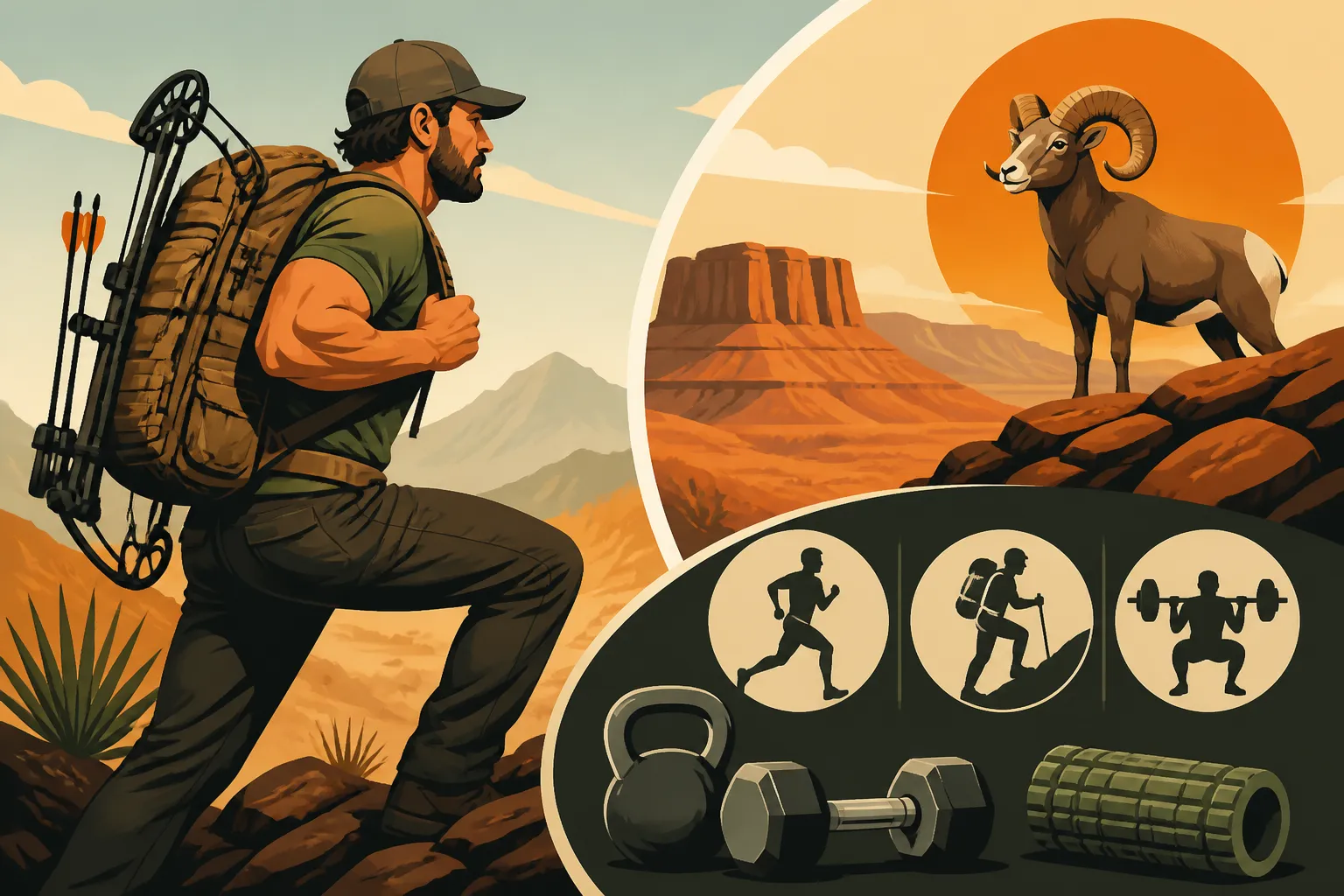
Cardio is the foundation of any mountain hunting preparation. You need a strong heart and lungs to sustain effort at elevation for hours, sometimes days, on end. This isn't just about running; it's about building endurance that mimics the stop-and-go, varied intensity of a hunt.
- Long-Duration, Low-Intensity: Think long hikes with a weighted pack. Start with what you can comfortably manage – perhaps an hour or two with a 20-pound pack – and gradually increase the duration and weight. Aim for 3-5 hours with a pack equivalent to what you'll carry daily on your hunt. If you have access to hills or mountains, use them. If not, stair climbers, inclined treadmills, or even stadium stairs are excellent substitutes. The goal is to build a base that allows you to move steadily for prolonged periods without bonking.
- High-Intensity Interval Training (HIIT): Incorporate shorter, more intense bursts of cardio to simulate chasing a fleeing animal, or making a quick ascent to cut off a bull. This could be sprints, intense hill repeats, or quick bursts on a stationary bike. HIIT improves your VO2 max and helps your body recover faster from strenuous efforts, which is crucial when you might need to quickly drop your pack and chase after an animal. Mix these in once or twice a week to keep your body guessing and responsive. Preparing Physically for a High Elevation Hunt details more on this.
Strength Training for Pack Weight and Steep Climbs
Strength isn't just about lifting heavy; it's about functional strength that supports your body under load and prevents injury. Focus on compound movements that work multiple muscle groups simultaneously, mimicking the real-world movements of hunting.
- Leg Strength: Your legs are your engine in the mountains. Prioritize exercises like squats, lunges, step-ups (especially with a pack), and deadlifts. These movements build powerful glutes, quads, and hamstrings, essential for climbing steep grades, controlling descents, and carrying heavy weight. Don't forget your calves – they're stabilizers on uneven ground and often overlooked.
- Core and Back Strength: A strong core and back are paramount for maintaining good posture under a heavy pack, preventing injury, and enduring long days of movement. Incorporate planks, farmer's carries (walking with heavy weights in each hand), good mornings, and various rows. These exercises stabilize your spine and strengthen the muscles that support your pack. Without a strong core, that 70-pound pack-out will feel like 150 pounds, throwing off your balance and putting undue stress on your lower back.
Preparing Your Joints and Core Stability
It's not just about raw power; it's about stability and resilience. The Gila's uneven, rocky terrain can be brutal on ankles, knees, and hips. Pre-hab, or pre-rehabilitation exercises, can make a huge difference in preventing injuries and keeping you moving.
- Ankle and Knee Stability: Incorporate balance exercises. Standing on one leg, doing single-leg squats, or using a wobble board can significantly strengthen the small stabilizing muscles around your ankles and knees. Practice walking on uneven surfaces, if safe to do so. This builds proprioception, your body's awareness of its position in space, which is critical for navigating treacherous terrain without rolling an ankle or twisting a knee.
- Mobility and Flexibility: Don't neglect stretching and mobility work. Tight hips, hamstrings, or shoulders can restrict your movement, make carrying a pack uncomfortable, and even contribute to poor shooting mechanics. Incorporate dynamic stretches before workouts and static stretches afterward. Yoga or dedicated mobility routines can be incredibly beneficial, helping you maintain a full range of motion and reducing stiffness after long days on the mountain. A flexible body is a resilient body, better able to absorb the shocks and strains of a hard hunt.
Nutrition, Hydration, and Recovery for Peak Performance
Your physical conditioning program is only as good as the fuel you put into your body and how well you allow it to recover. In the Gila, cutting corners on nutrition, hydration, or rest can quickly lead to exhaustion and poor decision-making.
Fueling Your Body Before and During the Hunt
Think of your body as a high-performance engine; it needs quality fuel to run efficiently. Leading up to your hunt, focus on a balanced diet rich in lean proteins, complex carbohydrates, and healthy fats. This builds up your glycogen stores and provides the raw materials for muscle repair and energy.
During the hunt itself, your nutritional strategy needs to be practical and effective. You'll be burning a tremendous amount of calories. Focus on calorie-dense, portable foods that provide sustained energy. Think about things like nuts, dried fruit, jerky, energy bars, and easily digestible meals. While a traditional camp meal is great in the evenings, your "on-the-go" fuel needs to be quickly accessible and not require cooking. Many hunters rely on freeze-dried meals for dinner, but don't forget the importance of snacks throughout the day to keep your energy levels consistent. Consider how your food choices impact pack weight and ease of preparation in a remote setting.
Strategies for Staying Hydrated at Altitude
Dehydration is a silent killer of Gila hunts. At altitude, the air is drier, and your body loses water faster through respiration, even without feeling sweaty. Plus, the physical exertion itself means you're constantly depleting fluids. This isn't just about thirst; even mild dehydration can lead to fatigue, headaches, dizziness, and impaired judgment.
- Pre-Hydration: Start hydrating several days before your hunt, especially if you're traveling from a lower elevation. Don't wait until you're thirsty. Sip water consistently throughout the day.
- During the Hunt: Carry more water than you think you need. Invest in a good water filter or purification tablets if you'll be relying on natural water sources. Many Gila units have scattered stock tanks and springs, but you can never assume they’ll be full or accessible. Water You Must Carry on a Desert Day Hunt is essential reading. Consider electrolyte supplements to replace salts lost through sweating. Aim to drink small amounts frequently rather than guzzling large quantities occasionally. A hydration bladder in your pack allows for constant, easy sips without breaking stride.
The Importance of Rest and Active Recovery
We often push ourselves to the brink, forgetting that muscle growth and repair happen during rest. On a multi-day hunt, adequate sleep is paramount. While it might be tempting to stay up late glassing maps or telling stories, prioritize getting a full night's rest.
Active recovery, like light stretching or a short, easy walk, can also help reduce muscle soreness and improve blood flow, flushing out metabolic waste. Don't view rest days as wasted days in your training leading up to the hunt; view them as critical components of building a stronger, more resilient body. Similarly, during your hunt, if you have a slow morning, consider it an opportunity to conserve energy, rehydrate, and fuel up, rather than constantly pounding the trails. Remember, even GoHunt and BookYourHunt emphasize thorough planning, and that includes planning for your physical state during the hunt itself.
Mental Toughness: The Unsung Hero of Gila Hunts
Physical fitness will get you far, but mental toughness will get you through the rest. The Gila isn't just physically demanding; it can be incredibly frustrating and disheartening. You might go days without seeing an animal, face unexpected challenges, or simply feel utterly exhausted. Your mind is your strongest asset.
Cultivating Resilience for Challenging Moments
Hunting in the Gila, or really any backcountry setting, is a mental game as much as a physical one. There will be days when you question why you're out there, when your legs burn, your lungs ache, and the thought of one more step feels impossible. Resilience is the ability to push through those moments, to maintain a positive attitude, and to keep making smart decisions when everything feels stacked against you.
Practice cultivating this resilience in your training. Don't always choose the easy path. Go for that longer hike, add that extra set, or train when you're already a bit tired. Learning to be comfortable with discomfort, to control your thoughts, and to visualize success even when things are tough, will pay dividends when you're deep in a Gila canyon, exhausted, and a bull bugles on the next ridge. Remind yourself of your "why" – why you committed to this hunt and what you're striving for.
Managing Discomfort and Fatigue
Discomfort is a constant companion on a Gila hunt. It's in your aching muscles, your tired feet, the hunger pangs, and the biting cold. Learning to manage this discomfort, rather than letting it overwhelm you, is a vital skill. This means understanding the difference between soreness and injury, and knowing when to push through versus when to back off.
Fatigue can impair judgment, slow reaction times, and even make you grumpy, affecting your hunting partners. Develop strategies to combat it: take short, deliberate breaks, snack regularly, ensure you're drinking enough water, and most importantly, get good sleep when possible. A strong mental state allows you to stay focused on the task at hand – spotting that distant animal, making a quiet stalk, or calling a bull into range – even when your body is screaming for relief. This is where your preparations both physical and mental come together to deliver success.
Practicing with Your Gear Under Stress
Don't let the first time you use your fully loaded pack or shoot your bow/rifle after a grueling climb be on the actual hunt. Practice makes perfect, and practice under realistic conditions is even better. This integrates your physical fitness with your hunting skills.
- Weighted Hikes with Gear: Go for hikes wearing your actual hunting boots, carrying your pack loaded with the weight you'll carry daily, and with your rifle or bow. This identifies hot spots on your feet, helps you adjust your pack fit, and gets you accustomed to the feel of your weapon while moving. It will also highlight any chafing issues or discomfort with your layering system.
- Simulated Shooting Scenarios: After a strenuous climb, immediately set up a shooting position and practice a few shots. Get your heart rate up, then try to control your breathing and make a precise shot. This simulates the real-world scenario of spotting an animal after a hard push and needing to calm yourself quickly for a shot. This is especially important for bowhunters who need to get How Close a Bowhunter Needs to Get on Elk. The more you integrate your physical training with your actual hunting actions, the more prepared you'll be when that shot opportunity finally presents itself.
It's a tough journey to get ready for a Gila hunt, but the reward of being physically and mentally prepared to tackle one of New Mexico's most iconic hunting grounds is immeasurable.
Disclaimer
This article is for general informational purposes only and does not constitute professional advice. Laws, prices and regulations vary by location and change over time. Consult a qualified professional for guidance on your specific situation.