When a New Mexico Guide Contract Must Be Signed
It's a common stressor for New Mexico hunters: you're planning for a dream hunt, maybe an elk trip into the Gila, and you're considering using an outfitter to boost your odds in the draw. But then you hit a snag – when exactly do you need to sign that guide contract? Do you commit before you even know if you've drawn a tag? This guide will walk you through the precise timing for signing a guide contract in New Mexico, especially when applying through the state's outfitter draw pool, and what you need to know to make an informed decision.
The New Mexico Outfitter Draw and Contract Timing
Navigating the New Mexico draw system can feel like deciphering an ancient scroll, and the outfitter pool adds another layer of complexity. Many hunters believe this pool offers better odds, and while that's a topic for another day, what's undeniable is the strict requirement for a signed contract if you choose this route.
Why the Contract is a Prerequisite for the Outfitter Pool
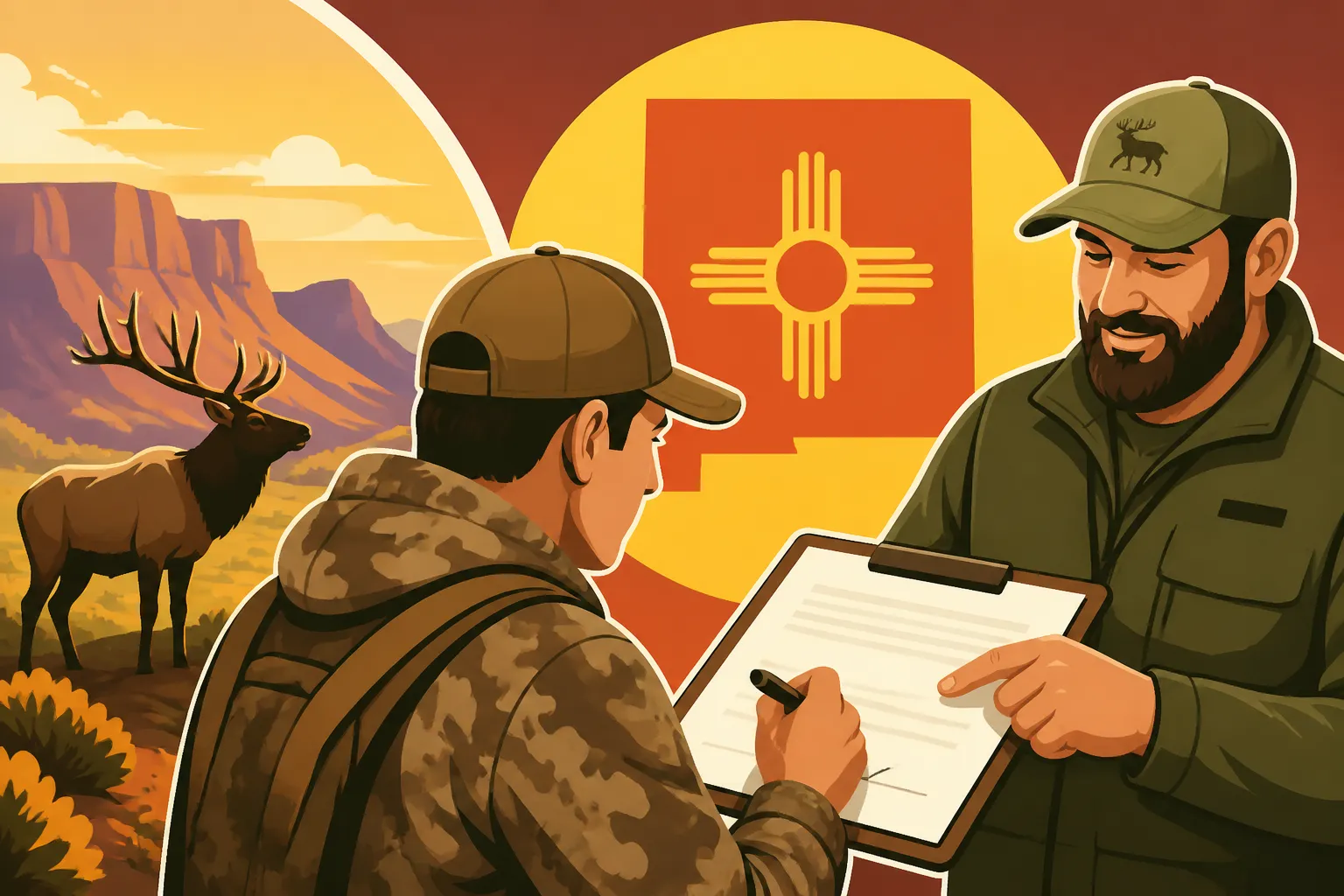
New Mexico sets aside a specific percentage of tags for hunters who apply with a registered outfitter – 10% of every hunt, to be exact. This isn't just a friendly suggestion; it's a formal allocation designed to support the state's outfitting industry and provide a specific avenue for hunters seeking a guided experience. For your application to even be considered in this 10% outfitter pool, the New Mexico Department of Game and Fish needs proof that you have a legitimate, pre-existing relationship with a licensed outfitter. That proof comes in the form of a signed guide-client contract.
Without this signed agreement, your application simply won't qualify for the outfitter pool. It's a foundational requirement that establishes your intent to utilize a professional guide service. It verifies that you're not just trying to game the system by listing an outfitter's number without actual plans to hunt with them. The state wants to ensure the integrity of this specific tag allocation. This means before you even click submit on your online application, that contract needs to be inked.
The Application Deadline: Your Hard Stop for Signing
This is the critical piece of information: the guide-client contract must be signed and in place before the official application deadline for the New Mexico draw. For most big game species, this deadline historically falls around March 18th at 5 p.m. Mountain Time, though bear applications typically close earlier in February.
Think of the application deadline as a hard cutoff. It’s not just when your application needs to be submitted; it’s when all the supporting documentation and formal agreements, like your outfitter contract, need to be legally binding. When you submit your application online, you’ll input your chosen hunt codes and also provide your outfitter's registration number. This number signals to the system that you intend to apply within the outfitter pool. The New Mexico Department of Game and Fish then cross-references this information, often auditing applications to ensure that the listed outfitter has a corresponding signed contract with you on file. Missing this crucial step means your application will likely be moved out of the outfitter pool and into the general resident or nonresident pool, depending on your status, effectively negating any perceived advantage of applying with a guide. Getting caught unprepared for The March Deadline for New Mexico Applications can really throw a wrench in your plans.
What the Guide-Client Contract Actually Confirms
A New Mexico guide contract is far more than just a piece of paper. It’s a comprehensive agreement that outlines the terms of your guided hunt. By signing it before the application deadline, you're not just fulfilling a bureaucratic requirement; you're formalizing your commitment to a specific hunting experience and to a specific outfitter. This contract typically confirms:
- Your identity and the outfitter's details: Ensuring both parties are clearly identified.
- The specific hunt applied for: Including species, unit(s), and season dates you're targeting.
- The services to be provided: What the outfitter will, and won't, do for you.
- Payment terms: How much, when it's due, and what happens to deposits if you don't draw.
- Cancellation and refund policies: Critically important for pre-draw contracts.
- Acknowledgement of New Mexico hunting regulations: Including the famous "two-day accompaniment rule" if you're drawing through the outfitter pool. This rule states that if you draw a tag through the outfitter pool, your outfitter or one of their registered guides must accompany you in the field for a minimum of two calendar days. This is a key part of The New Mexico Guide-Client Contract You Must Sign.
This contract solidifies the understanding that if you draw that coveted New Mexico tag, you are indeed committed to hunting with that specific outfitter under the agreed-upon terms.
Navigating the Pre-Draw Contract Commitment
Committing to an outfitter before you even know if you have a tag in hand can feel like a leap of faith. It introduces a unique set of considerations that require careful thought and clear communication with your chosen guide.
The Risk of Signing Before You Draw
Let's be honest: the biggest hang-up for many hunters is the very real possibility of signing a contract and putting down a deposit, only to fail to draw a tag. New Mexico's draw odds, especially for prime elk units, are notoriously tough, and there's no guarantee of success, even in the outfitter pool. This is where understanding your outfitter's policies becomes paramount.
Reputable outfitters understand this risk. They've built their business around the draw system and have established clear refund or rebooking policies for clients who don't draw a tag. Before you sign anything, you absolutely must discuss these scenarios in detail. Ask about:
- Deposit refund policy: Will your deposit be fully refunded, partially refunded, or rolled over to the next year's application if you don't draw?
- Rebooking options: Can your deposit be applied to a different hunt, species, or even a guaranteed EPLUS tag if one becomes available?
- Fees: Are there any non-refundable application fees or administrative charges even if you don't draw?
Sites like GoHunt often provide resources that help hunters understand these nuances and prepare for conversations with outfitters. While some outfitters may offer a full refund, others might retain a small administrative fee, or offer to carry your deposit forward. Be crystal clear on these terms, and ensure they are explicitly written into the contract. No verbal agreements, no "we'll figure it out."
The Outfitter Number and Your Application
When you're ready to apply, you'll need to enter the outfitter's registration number on your online application. This is a crucial step that links your application to their service in the outfitter pool. It's not the outfitter who applies for you directly; you, the hunter, are still responsible for submitting your own application. The outfitter simply provides their unique registration number, which you input.
Once you’ve submitted your application with the outfitter’s number, the New Mexico Department of Game and Fish’s system takes over. They'll verify the outfitter's license and cross-reference your application with the list of clients provided by the outfitter. This process ensures that only legitimate outfitter-client applications are considered within the 10% pool. If there’s a discrepancy – for example, your name isn't on the outfitter's client list, or there's no signed contract – your application could be disqualified from the outfitter pool, possibly affecting your overall draw chances. Understanding Applying Under an Outfitter Number is key to a successful application.
Why Some Hunters Choose This Path Despite the Risk
Given the upfront commitment and the draw odds, why do so many hunters still choose to apply through the outfitter pool? There are several compelling reasons:
- Perceived Increased Odds: While New Mexico doesn't operate on a preference point system, and draw odds don't technically improve over time, some hunters feel that having 10% of the tags specifically allocated to outfitter clients gives them a statistically better chance than competing in the general nonresident 6% pool. It’s a way to segment the competition. You can delve deeper into this specific point by reading Does Applying With an Outfitter Improve Your Odds?.
- Expert Guidance: Even if the odds boost is marginal, applying with an outfitter guarantees that if you do draw, you'll have professional guidance for your hunt. For complex terrain like the Gila, or for species like Oryx or Ibex that require specialized knowledge, this can be invaluable.
- Logistical Support: A guided hunt often includes logistics like food, lodging, transportation, and game retrieval – all elements that can be incredibly challenging to manage on a self-guided hunt in remote New Mexico backcountry.
- Peace of Mind: For many, the peace of mind that comes with having an experienced guide, particularly on a once-in-a-lifetime hunt, outweighs the pre-draw commitment. They want to maximize their chances of success and enjoyment, and a guide provides that. Platforms like BookYourHunt can help you find reputable outfitters and compare their services to see if it aligns with your hunting goals.
Essential Contract Details to Review Before Signing
Before you put pen to paper and commit to a New Mexico outfitter, it’s imperative to thoroughly review all the terms and conditions in the guide-client contract. This isn't a document to skim; it's your legal protection and the framework for your entire hunting experience.
Key Elements Beyond Just the Signature Date
While the signature date is crucial for draw eligibility, there's a host of other information in the contract that demands your attention. Think of it as your hunting blueprint. Here's a quick checklist of what to scrutinize:
- Payment Schedule: Understand the deposit amount, when the final balance is due, and the accepted payment methods. Are there any hidden fees or surcharges?
- Inclusions and Exclusions: What exactly is covered in the price? Is the New Mexico hunting license included? What about the actual tag fee (which is typically paid to the state after drawing)? Are meals, lodging, field transportation, caping, meat processing, and trophy shipping part of the deal, or are they additional costs? Many hunters underestimate What Outfitter Prices Almost Never Include.
- Cancellation and Refund Policy: As discussed, this is critical. What happens if you cancel? What if the outfitter cancels? How are refunds handled if you don't draw your tag? Get this in writing, with specific timelines.
- Specific Hunt Details: Confirm the exact species, unit number(s), and hunt dates you're applying for. This should match your application choices precisely.
- Guide-to-Hunter Ratio: Will you have a dedicated guide, or will it be a 2:1 or 3:1 ratio? This impacts the intensity of your hunting experience.
- Waivers and Liability: Most contracts will include liability waivers. Read them carefully to understand your responsibilities and the outfitter's limitations.
- Harvest and Trophy Fees: If applicable, understand any additional fees for harvesting an animal, especially for trophy-class animals, or if specific scoring thresholds apply.
- Trip Insurance: Does the outfitter recommend or offer trip insurance? This can be a wise investment to protect your financial commitment against unforeseen circumstances.
Taking the time to understand every clause will prevent costly surprises and ensure a smoother hunting experience.
Verifying Your Outfitter's Credentials
Before you sign any contract, it's not only smart but essential to do your due diligence on the outfitter. New Mexico requires outfitters to be licensed and bonded, but that's just the baseline. You want to ensure you're working with a reputable professional who aligns with your hunting ethics and expectations.
Here's how to verify:
- Check their license: Ask for their New Mexico outfitter license number and verify it with the New Mexico Department of Game and Fish.
- References: Request a list of recent clients (from the past 1-3 years) and actually call them. Ask about their experience, the outfitter's professionalism, success rates, and how issues were handled.
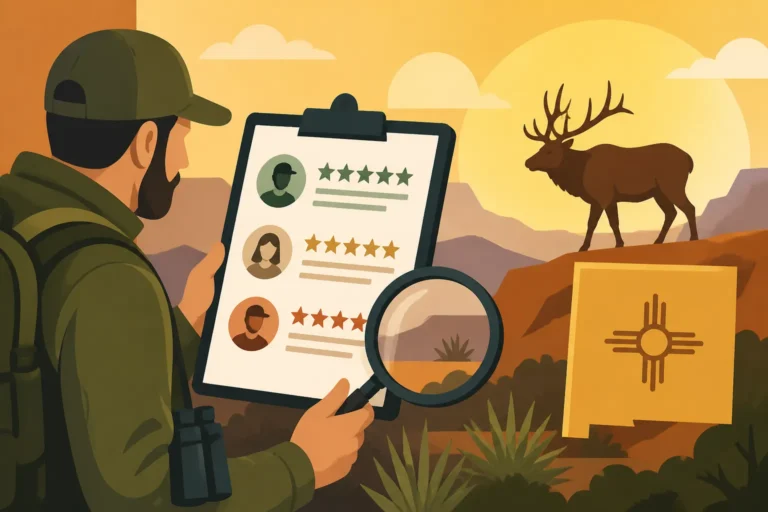
- Online Reviews: Look for reviews on independent hunting forums, social media, and dedicated hunting outfitter review sites. Be wary of overwhelmingly positive reviews without any nuance, or an abundance of negative ones. Platforms like BookYourHunt often provide client testimonials and ratings.
- Communication: How responsive and transparent is the outfitter in their communication? A good outfitter will be happy to answer all your questions thoroughly and patiently.
- Insurance: Confirm they carry appropriate liability insurance. Vetting a New Mexico Outfitter Before You Send a Deposit is a critical step that should never be skipped.
Timing for Non-Draw, Private Land, or EPLUS Hunts
It's important to clarify that the strict "pre-draw contract" rule primarily applies to those applying through the 10% outfitter draw pool for state-issued tags. For other hunting scenarios in New Mexico, the contract timing might be different:
- EPLUS Tags: These are landowner-issued authorizations for elk that often bypass the draw. If you're buying an EPLUS tag directly from a landowner or through an outfitter who has secured them, the contract timing is generally more flexible. You would typically sign the contract and pay for the hunt once the EPLUS tag is secured and confirmed, rather than before applying in a draw. Many outfitters specialize in selling How New Mexico EPLUS Authorizations Are Issued.
- Private Land Hunts (without EPLUS): If you're hunting private land with a landowner's permission and using a state-drawn tag, your agreement might be a simple trespass fee agreement or a less formal arrangement with the landowner directly. If an outfitter is involved for guiding services on this private land, their contract might be signed once your state tag is drawn, or when you finalize the private land access.
- Leftover Tags/Over-the-Counter: For species or seasons that don't require a draw, like some small game or predator hunts, you'd typically secure your license and tag first, then arrange guide services and sign a contract when you're ready to book the actual hunt dates.
The following table summarizes the key contract timing scenarios:
| Scenario | Timing for Guide Contract Signature | Key Consideration |
|---|---|---|
| Outfitter Draw Pool | Before Application Deadline | Essential for eligibility in the 10% outfitter tag allocation. |
| EPLUS Tag (from Outfitter) | Once EPLUS tag is secured/confirmed | Less pre-draw risk, contract formalizes actual hunt. |
| Private Land (with guide) | After drawing state tag, or when booking access | Depends on if outfitter is securing access or just guiding drawn tag. |
| Leftover/OTC Tags | When booking guide services/hunt dates | No draw involved, so no pre-draw contract required. |
Ultimately, for any hunt where you plan to use a professional guide service in New Mexico, always ensure you have a clear, written contract. It protects both you and the outfitter, laying out expectations and responsibilities for a successful and ethical hunt.
Disclaimer
This article is for general informational purposes only and does not constitute professional advice. Laws, prices and regulations vary by location and change over time. Consult a qualified professional for guidance on your specific situation.