What New Mexico Outfitter Prices Leave Out
You've finally decided to book that dream New Mexico hunt, perhaps for an elk in the Gila or a majestic mule deer up north. You've looked at outfitter websites, maybe even spoken to a few on the phone, and seen the advertised price for a fully guided adventure. It's a significant investment, no doubt, but often, the figure staring back at you from the initial quote is just the tip of the iceberg. The truth is, guided hunt prices often leave out a substantial number of critical expenses, and if you're not prepared for these hidden costs, your dream hunt can quickly become a financial nightmare. This guide will meticulously break down all those commonly overlooked expenses so you can budget realistically and head to New Mexico with peace of mind.
The Initial Sticker Shock: What the Base Price Covers (and Doesn't)
Booking a guided hunt is an exciting prospect, promising experienced professionals, deep knowledge of the terrain, and all the logistics handled. But it’s crucial to understand what that initial price tag actually includes. Many hunters fall into the trap of assuming "all-inclusive" means just that, only to be surprised by a cascade of additional expenses.
What's Typically Included in a Standard Guided Hunt?
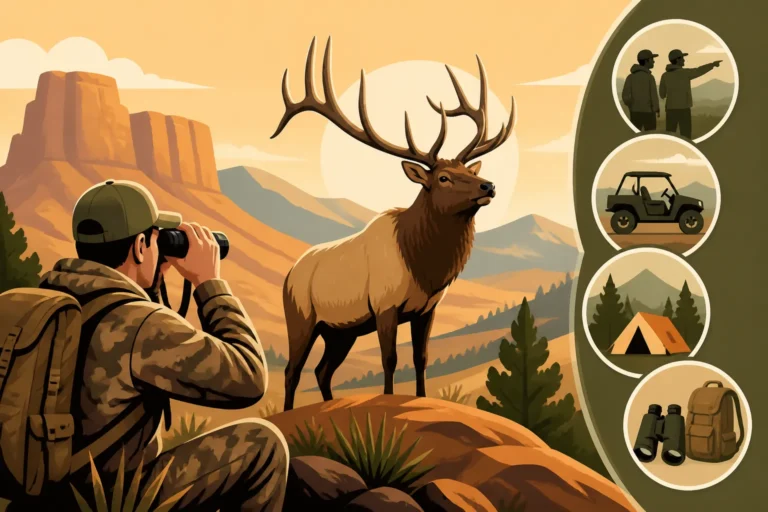
When you receive a quote for a guided hunt in New Mexico, the base price generally covers the core services that define a guided experience. This usually involves your accommodation, which could range from a comfortable lodge to a rugged wall tent camp deep in the backcountry, depending on the outfitter and the remoteness of your hunt. You can also expect meals to be provided, varying from hearty camp cooking to more elaborate fare at a lodge. The guiding services themselves, often on a 1:1 or 2:1 hunter-to-guide ratio, are a primary component, ensuring you have an experienced hand leading the way. Field transportation, whether it's by truck, ATV, UTV, or even horses and mules into wilderness areas, is also typically part of the package to get you to and from prime hunting grounds. Finally, most reputable outfitters will include the initial field care of your harvested animal, meaning they'll quarter, cape, and pack it out of the field for you. This is the foundational offering, designed to get you into the country and put you on game, but it’s far from the complete financial picture.
The Major Items Almost Universally Excluded
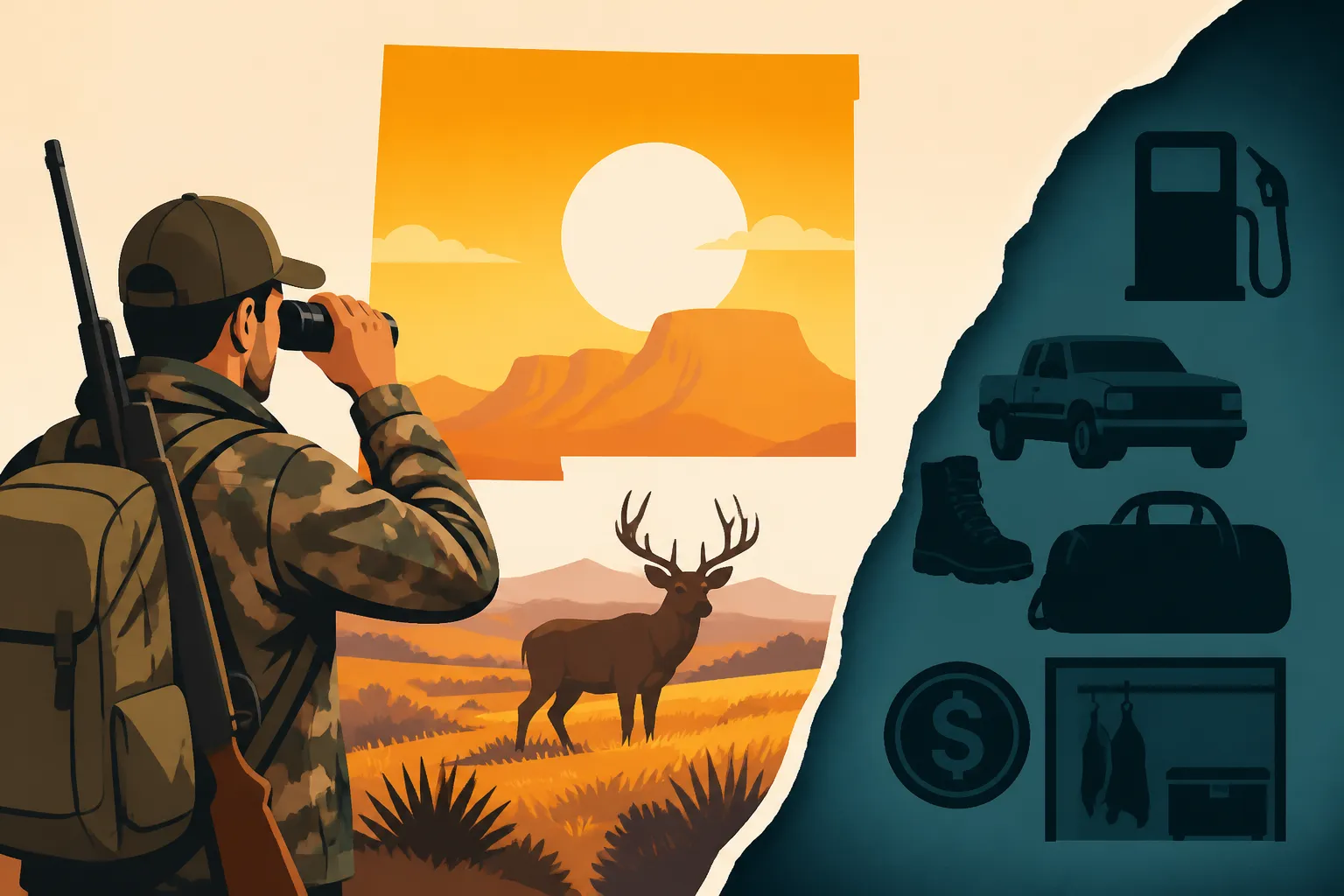
Now, let's talk about what's not usually in that initial price – and this is where many hunters get caught off guard. First and foremost, licenses and tags are almost universally separate. You are responsible for applying for and securing your own state hunting license and species-specific tags (like for elk or mule deer). This can be a significant cost, especially for non-residents, and it's a non-negotiable part of the process. Beyond the actual hunt, your travel to and from the hunt area is entirely on you. This means flights, fuel for your vehicle, rental cars, and any pre- or post-hunt hotel stays. Once an animal is down, the costs don't stop. Meat processing, whether by a local butcher or for specialty cuts, is an additional expense. Shipping that meat home, particularly if you're flying, can also be quite costly. The same goes for taxidermy if you choose to preserve your trophy – the outfitter might cape it, but the actual taxidermy work and shipping are your responsibility. Perhaps the most significant "hidden" cost for many is gratuities for your guides, cooks, and other camp staff, which are customary and expected. Lastly, remember that your personal gear – everything from your rifle or bow to your boots, clothing, and optics – is yours to provide and maintain, representing a considerable investment in itself.
Essential Pre-Hunt Expenses Beyond the Outfitter's Invoice
Before you even set foot in camp or shake your guide's hand, there's a whole category of expenses that need careful consideration. These are the upfront costs that make your hunt legal and possible, as well as the practicalities of getting yourself to the hunting grounds.
Licenses, Permits, and Application Fees
Navigating the New Mexico draw system and understanding license requirements can feel like learning a new language. Before you even think about booking a hunt, you need to account for the cost of your New Mexico Game Hunting License, which is distinct from any species-specific tag. Then, there are the actual big game tags themselves for animals like elk, deer, pronghorn, or oryx. These tags, particularly for non-residents, can range from a few hundred to well over a thousand dollars, depending on the species and the type of hunt (e.g., bull elk vs. cow elk). Don't forget the application fees, which are typically non-refundable whether you draw a tag or not. Imagine paying application fees for several species, hoping to draw, and then having to pay for the actual tag after a successful draw. It adds up quickly!
Furthermore, New Mexico has additional mandatory fees. Every hunter in the state needs a Habitat Management & Access Validation (HMAV), which helps fund access and management projects. If you plan to hunt on federal lands, like National Forests or BLM ground, you'll also need a Habitat Stamp. These aren't huge costs individually, but they are absolutely required and must be factored into your budget. For example, understanding New Mexico Application Fees Per Species is critical, as is knowing that The HMAV and Habitat Stamp Every New Mexico Hunter Needs are non-negotiable. Many outfitters will assist you with the application process, but the financial burden of these items rests solely on you.
Travel Logistics and Accommodation Before/After the Hunt
Getting to New Mexico for your hunt is often a journey in itself, and all those travel costs are typically separate from your outfitter's fee. If you're flying in, consider the cost of round-trip airfare to airports like Albuquerque (ABQ) or El Paso (ELP), depending on your hunt unit. Once you land, you'll likely need a rental car to get to the outfitter's meeting point or directly to the hunt area. Factor in the daily rental rate, insurance, and fuel costs for what could be hundreds of miles of driving, especially if your hunt is in a remote location like the Gila National Forest.
Beyond just getting there, think about overnight stays. Many hunters arrive a day early to acclimate, pick up last-minute supplies, or simply get a good night's sleep before a demanding hunt. A hotel stay the night before you meet your outfitter can be a smart move, but it's an extra expense. Similarly, after a successful hunt, you might need a night or two in a hotel while your meat is processed, or before your flight home. These pre- and post-hunt accommodations, while not directly part of the guided hunt, are essential for a smooth and comfortable experience and can easily add several hundred dollars to your total budget. Always build in a buffer for unexpected delays, such as weather or vehicle issues, which could lead to additional nights on the road or in a hotel.
Post-Harvest Costs: Getting Your Trophy and Meat Home
The moment you pull the trigger or release an arrow on that magnificent New Mexico animal, a new set of financial considerations kicks in. The hard work of the hunt might be over, but the costs associated with getting your meat and trophy preserved and transported are just beginning.
Meat Processing and Cooler Costs
Once your animal is down, your outfitter will typically field dress and quarter it for you, often even packing it out of the wilderness. But what happens next? Unless you plan to process it yourself at camp (which most guided hunts don't facilitate), you'll need to take your animal to a local meat processor. These butchers charge based on the type of animal and the services you request, often by the hanging weight or a flat fee. Standard cuts, grind, and wrapping are usually included, but specialty items like sausage, jerky, or custom steaking will cost extra. These charges can easily run into several hundred dollars, especially for a large elk.
After processing, you then face the challenge of getting the meat home, particularly if you're a non-resident. This means investing in quality coolers, and plenty of ice or dry ice to keep the meat fresh, which is paramount in New Mexico's often warm early seasons. Imagine harvesting an elk in September – Getting Meat Cooled on an Early Season Hunt becomes your top priority, and that means a significant ice budget or investing in high-quality coolers capable of retaining cold for days. If you're flying, you'll need to purchase airline-approved shipping containers or work with a specialized game meat shipper, which adds another layer of expense. These seemingly small costs can accumulate quickly, so budget for them generously.
Taxidermy and Shipping Your Trophy
For many hunters, a trophy animal is a lifetime memory, and preserving it through taxidermy is a natural choice. While your guide will typically cape the animal properly in the field, the actual taxidermy work is a separate and often substantial expense. A shoulder mount for an elk or mule deer can cost anywhere from a few hundred to well over a thousand dollars, with European mounts being a more budget-friendly option. If you opt for a more elaborate pedestal or full-body mount, the costs escalate significantly.
Once the taxidermy is complete – a process that can take many months – you then face the challenge of getting your finished trophy home. This typically involves crating the mount securely and arranging for freight shipping, which can be costly due to size and weight. If you're dealing with antlers or a cape that needs to be shipped unfrozen to your home taxidermist, you'll need to consider specialized shipping services and adhere to all legal requirements for transporting game across state lines. Understanding rules like Crossing a State Line With a Harvested Animal is crucial to avoid any legal headaches. Always get a clear quote from your chosen taxidermist for both the work and the shipping before committing, and remember to factor in potential delays and storage fees if you can't pick up your trophy promptly.
Gear, Gratuities, and Other Contingencies
Even with your licenses sorted and a plan for your meat and trophy, there are still several categories of expenses that often slip through the cracks. These include necessary equipment, the customary practice of tipping, and funds for the unexpected.
Essential Gear Upgrades and Replacements
A guided hunt is an investment, and you want to be prepared. This often means your existing gear might need an upgrade, or you might need specialized items for the specific conditions of a New Mexico hunt. Think about your footwear: are your boots sturdy enough for rocky terrain and comfortable for long days afield? What about clothing? New Mexico can see drastic temperature swings, from frosty mornings to warm afternoons, making a good layering system essential. Layering for Gila Temperature Swings is critical for comfort and safety. You might need new base layers, insulating mid-layers, and a waterproof outer shell.
Then there's your optics. Are your binoculars powerful enough for glassing vast western landscapes, and do you need a spotting scope for judging animals at extreme distances? Optics Power for New Mexico's Open Country is paramount, and quality glass doesn't come cheap. Don't forget your weapon itself – ensuring your rifle is properly sighted in and you have enough quality ammunition, or that your bow is tuned and you have plenty of practice arrows. Other gear like a good backpack, a headlamp, a reliable knife, first-aid supplies, and perhaps even a satellite communication device for remote areas (where cell service is non-existent) all add up. While some outfitters provide a basic gear list, the responsibility and cost of acquiring it all falls on you.
Gratuities and "Hidden" Fees
This is perhaps the most overlooked and potentially largest "hidden" cost: gratuities. Tipping your guide, cook, and other camp staff is a long-standing tradition in the outfitting industry and is generally expected. It's a way to acknowledge their hard work, dedication, and service throughout your hunt. The standard recommendation for guides is often 10-20% of the hunt cost, and this can be a significant sum for a multi-thousand-dollar guided trip. Cooks and other camp staff also deserve recognition for their contributions. Always budget for these tips in cash before your hunt, as you won't want to be scrambling for an ATM in a remote New Mexico town.
Beyond tips, there can be other minor, less common "hidden" fees. Some outfitters might have additional charges for specific services not explicitly mentioned, like extra mileage if you request to hunt a particularly distant area, or a small fee for transporting your meat to a processor. While less common with reputable outfitters, it's why asking thorough questions beforehand is crucial. Always carry a small emergency fund for unforeseen circumstances – a flat tire on your rental car, a broken piece of gear that needs replacing, or an unexpected medical need could arise, and having readily available funds will save you a lot of stress.
Understanding Outfitter Contract Clauses
Before you sign on the dotted line and send a deposit, it is absolutely paramount to thoroughly read and understand your outfitter's contract. This document outlines the terms of your agreement and can contain clauses that significantly impact your overall cost and experience. Pay close attention to the inclusions and exclusions, making sure everything discussed verbally is explicitly stated in writing.
Look specifically at cancellation policies and refund terms. What happens if you fail to draw a tag in the New Mexico lottery? Do you get a full refund, a partial refund, or a credit for a future hunt? Understanding Refunds When You Fail to Draw in New Mexico is critical to protect your investment. Some outfitters might charge a "trophy fee" if you harvest an animal of a certain size, though this is less common for standard big game hunts and more often seen with specialty species. Be sure there's no mention of this if you haven't agreed to it. Also, clarify if there are any charges for non-hunting companions if you wish to bring a spouse or friend along. Don't be afraid to ask questions about anything that is unclear. A good outfitter will be transparent and happy to walk you through every detail of their contract. Contract Clauses Worth Reading Closely can prevent future misunderstandings and unexpected financial hits.
Strategic Planning to Avoid Financial Surprises
The key to a successful and stress-free guided hunt lies not just in finding a great outfitter, but in meticulously planning your finances to account for every possible expense. Avoiding unpleasant surprises comes down to diligent research, clear communication, and robust budgeting.
Thorough Vetting and Communication
The best way to prevent unexpected costs is through proactive and thorough communication with your potential outfitter. Don't be shy about asking specific, detailed questions about what is included and, more importantly, what is explicitly not included in their quoted price. Get a breakdown of their services. Ask: "Does the price include my New Mexico hunting license and tags?" (The answer is almost always no, but ask anyway!) "What about transportation once I arrive in New Mexico?" "Is meat processing handled, and if so, what are the costs?" "Are tips for the guide and cook extra?" Never assume anything. If it's not explicitly stated as included, assume it's an additional expense.
Utilize resources designed to help hunters find and compare outfitters. Platforms like BookYourHunt or services like GoHunt often provide detailed breakdowns of what different outfitter packages include, allowing you to compare apples to apples and identify potential gaps. Once you've narrowed down your choices, request a written proposal or detailed itinerary that itemizes every service and cost. This paper trail is invaluable for clarity and setting accurate expectations. Remember, a reputable outfitter will appreciate your thoroughness; it shows you’re a serious client.
Budgeting for the "All-In" Cost
Once you have a clear understanding of what your outfitter provides and what you're responsible for, it's time to build a comprehensive "all-in" budget. Don't just budget for the outfitter's fee. Create a spreadsheet that lists every single item we've discussed, from your game hunting license and specific tags, to your airfare, rental car, hotels, meat processing, taxidermy, and tips.
Here’s a simplified example of how you might structure it:
| Category | Estimated Cost Range (Example) | Notes |
|---|---|---|
| Outfitter Base Fee | $$$$ | Base hunt cost for X days, Y:Z guide ratio |
| New Mexico Game Hunting License | $$$ | Non-resident fee, check current regulations |
| Species-Specific Tag (e.g., Elk) | $$$$ | Non-resident fee, check current regulations, post-draw payment |
| HMAV & Habitat Stamp | $$ | Mandatory fees |
| Application Fees | $ | Non-refundable, paid at time of application |
| Round-trip Airfare | $$$$ | To Albuquerque/El Paso, varies by origin |
| Rental Car & Fuel | $$$ | For travel to/from hunt area, pre/post hunt errands |
| Pre/Post Hunt Hotels | $$ | 1-2 nights each way, if needed |
| Meat Processing | $$$ | Per animal, varies by size and custom cuts |
| Meat Shipping (if flying) | $$$ | Coolers, dry ice, freight fees |
| Taxidermy (Shoulder Mount) | $$$$ | Average cost for desired species |
| Trophy Shipping | $$$ | Crating, freight charges |
| Gratuities (Guide, Cook, etc.) | $$$$ | 10-20% of hunt cost for guides, additional for staff |
| Personal Gear (Upgrades/Replacements) | $$$ | Boots, clothing, optics, ammo, etc. |
| Contingency Fund (10-20%) | $$$$ | For unexpected expenses (e.g., The All-In Cost of a New Mexico Elk Hunt) |
| TOTAL ESTIMATED COST | $$$$$$ | This is your real "all-in" cost |
Always add a contingency fund of at least 10-20% on top of your calculated expenses. This buffer is crucial for unexpected costs like vehicle repairs, lost gear, or medical emergencies. By diligently mapping out every expense, you gain a realistic picture of your investment and can save accordingly, preventing any nasty surprises once you're on the ground in New Mexico.
Leveraging Information and Experience
Don't go into this process blind. Leverage the collective experience of other hunters and the wealth of information available. Beyond directly asking your outfitter, seek out their references. Speak to past clients and ask them not just about the quality of the hunt, but specifically about the transparency of costs. Did they encounter any unexpected fees? Were the listed inclusions truly comprehensive? Reading honest reviews is critical, but understand that not all online reviews are equally reliable. Look for detailed accounts rather than just star ratings. Sites that offer peer-to-peer outfitter reviews can be a good source, but always take them with a grain of salt and cross-reference. Understanding Which Outfitter Reviews Are Worth Trusting can guide your research.
Consider your own hunting style and budget. If a fully guided, all-inclusive (minus the exclusions mentioned here) hunt is financially out of reach, explore other options. Semi-guided hunts or drop camps can significantly reduce the outfitter's fee, but they shift more responsibility – and therefore more costs for gear, food, and logistics – onto you. For example, a drop camp might get you into remote country with horses, but you'll be responsible for your own cooking, tent setup, and daily hunting strategy. Understanding What a New Mexico Drop Camp Actually Includes can help you determine if this is a viable cost-saving alternative, but remember it adds more to your personal expense list. By being informed, asking smart questions, and budgeting comprehensively, you can ensure your New Mexico hunting adventure is memorable for all the right reasons, not for unexpected financial stress.
Disclaimer
This article is for general informational purposes only and does not constitute professional advice. Laws, prices and regulations vary by location and change over time. Consult a qualified professional for guidance on your specific situation.