Drop Camps Deep in the New Mexico Gila
The idea of hunting the vast, rugged wilderness of the Gila National Forest can feel like an impossible dream for many, especially if you're not ready for a fully guided expedition but still want to access those remote, untamed areas where the biggest bulls and bucks roam. It’s a place that calls to the adventurous spirit, but the sheer scale and logistical challenges can quickly become overwhelming. This comprehensive guide is designed to peel back the layers of mystery surrounding drop camps in the New Mexico Gila, offering a realistic look at how these unique opportunities can make your backcountry hunting dreams a reality without requiring you to pack in every single piece of gear yourself.
What Exactly is a Drop Camp, Anyway?
When you dream of a truly wild hunt, far from roads and other hunters, but the thought of hauling all your camp gear, food, and water on your back for miles through the mountains seems daunting, that's where a drop camp comes into its own. It's a fantastic middle ground for those who want the self-sufficiency of a do-it-yourself hunt but need help with the heavy lifting and getting deep into inaccessible terrain. Think of it as a wilderness Uber for your gear, plus a pre-set base camp.
The Core Concept: Gear, Logistics, and Freedom
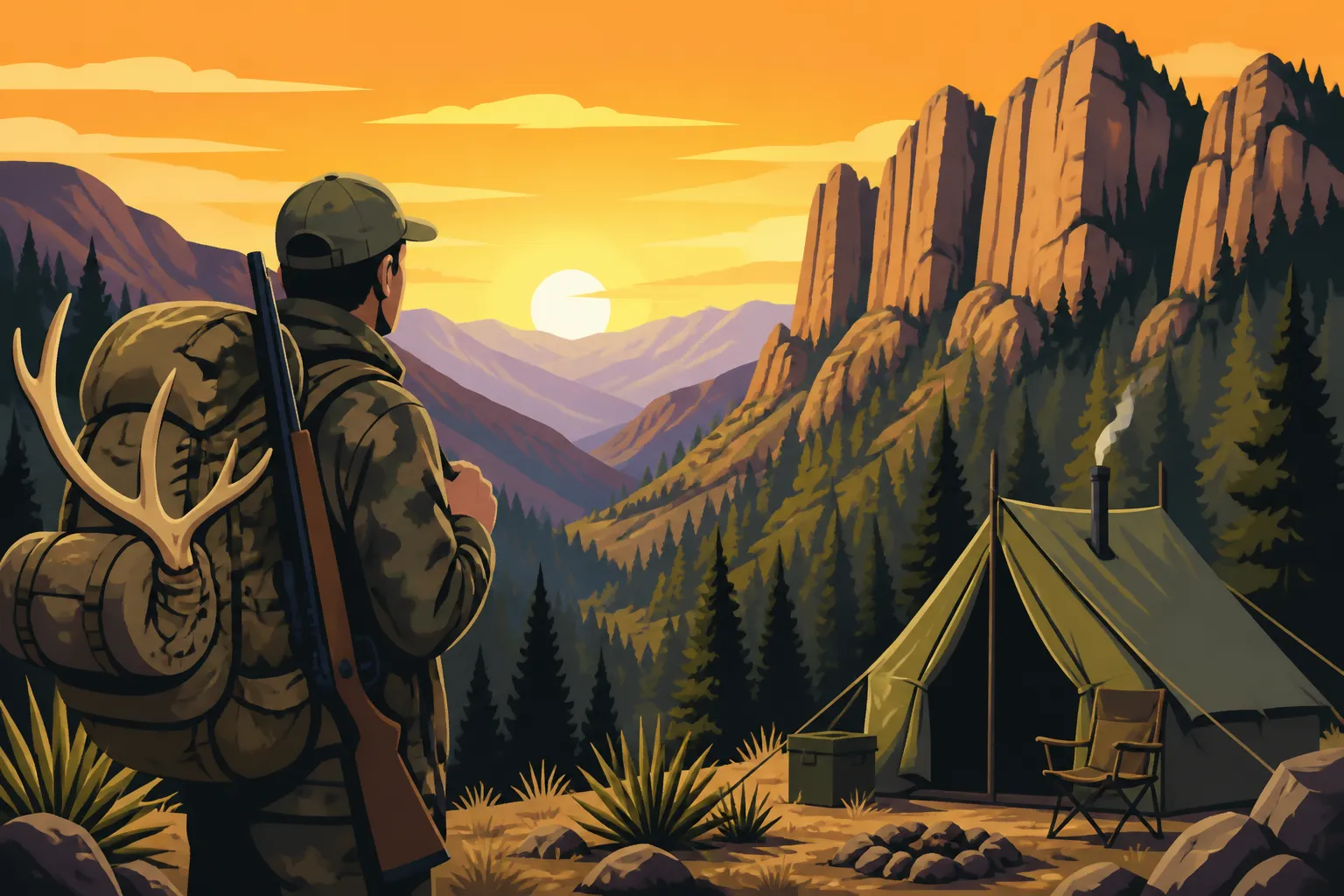
At its heart, a drop camp is a service where an outfitter packs you and your pre-arranged camp gear—often including a tent, stove, cooking supplies, and water jugs—into a remote, pre-scouted location in the wilderness. They drop you off, leave you with essential communication devices, and then return at a predetermined time to pack you and your harvest out. This setup gives you the freedom to hunt entirely on your own terms, make all your own decisions, and experience the solitude of the backcountry, but it alleviates the enormous physical burden of transporting everything yourself. You're responsible for your own hunting, cooking, and daily camp management, which is a huge part of the appeal for many experienced hunters. It's truly about embracing self-reliance once the outfitter leaves.
Contrasting Drop Camps with Fully Guided Experiences
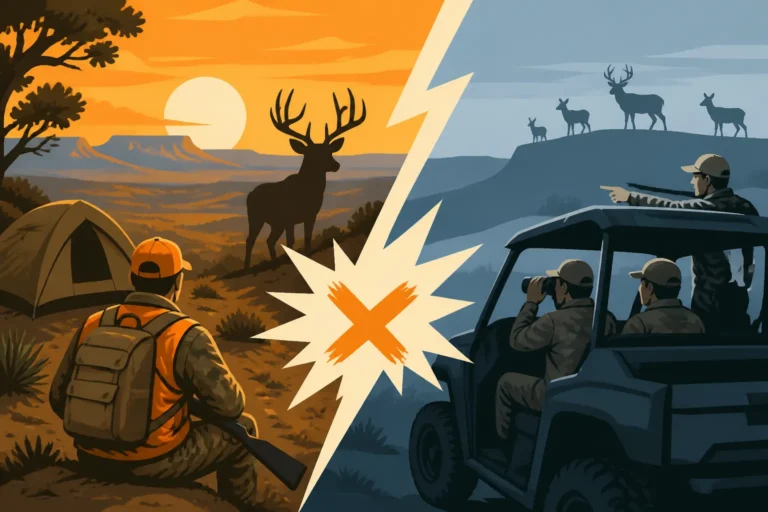
The distinction between a drop camp and a fully guided hunt is critical, and it often comes down to the level of support and involvement from the outfitter. In a fully guided hunt, an outfitter or their guides are with you every single day, from sun-up to sundown, actively scouting, tracking, calling, and often even field dressing your animal. They manage all the daily logistics, from cooking meals to navigating the terrain. This can be an incredible experience, especially for first-time hunters in a new area or those seeking a higher success rate with expert assistance. However, it also comes with a significantly higher price tag and less personal freedom.
A drop camp, by contrast, hands the reins over to you once you're on the ground. The outfitter's role is primarily logistical support for ingress and egress, and establishing a comfortable base camp. You are the guide, the cook, the tracker, and the decision-maker. This means you need to possess strong hunting skills, wilderness navigation abilities, and a high degree of self-sufficiency. It's not for the faint of heart or the completely inexperienced, but for those who thrive on the challenge, it offers an unmatched sense of accomplishment. The costs reflect this difference, with drop camps being considerably more budget-friendly than fully guided options, making them accessible to a wider range of hunters who want a serious backcountry experience.
The Appeal for Experienced DIY Hunters
For seasoned do-it-yourself hunters, especially those who have hit a wall trying to access truly remote areas on foot, a drop camp is often the perfect solution. They've likely spent years honing their scouting, hunting, and survival skills, but perhaps the sheer distance, elevation gain, or ruggedness of a particular unit makes packing in a full camp impossible or impractical. This is particularly true in places like the Gila, where expansive wilderness areas mean that the best hunting can be miles from the nearest road. A drop camp allows them to leverage their expertise without compromising their desire for a pure, unassisted hunt.
It offers the best of both worlds: access to incredible, low-pressure hunting grounds that might otherwise be out of reach, coupled with the satisfaction of earning their harvest through their own efforts. You can focus entirely on the hunt, knowing that a comfortable camp awaits you each evening and that your heavy gear will be handled. It's also a way to push your boundaries, testing your mettle against truly wild country, but with a safety net of communication and planned extraction that gives peace of mind. For many, it's about proving to themselves that they can conquer the wild, with just a little help getting there and back.
Why the Gila National Forest is Perfect for Drop Camps
New Mexico's Gila National Forest is legendary among hunters, especially those chasing elk. It's a vast expanse of mountains, canyons, and high plateaus, much of it designated wilderness, making it a prime candidate for drop camp operations. The terrain itself, the incredible wildlife, and the sheer challenge of the hunt make it an unforgettable experience that's perfectly suited to this self-reliant hunting style. New Mexico Elk Are Why the Gila Draws Everyone highlights just how special this area is.
Untamed Wilderness and Limited Access
The Gila National Forest, particularly its designated wilderness areas like the Gila Wilderness and the Aldo Leopold Wilderness, represents some of the largest and most remote tracts of undeveloped land in the contiguous United States. This isn't just a big piece of woods; it's a true backcountry environment where roads are scarce, and motorized travel is strictly limited. This means that to get into the heart of the best hunting, you often have to go deep—miles upon miles from any trailhead. This limited access is precisely why these areas hold older, wiser animals and experience less hunting pressure.
For a drop camp, this remoteness is a massive advantage. Outfitters, often using horses or mules, can ferry you and your gear far beyond where most day hunters or backpackers can comfortably reach. This pushes you into untouched basins and timbered ridges where elk might go undisturbed for days or even weeks. The logistical challenge of reaching these spots makes a drop camp invaluable, turning otherwise inaccessible trophy country into a hunting reality. You're getting into areas that few people ever see, let alone hunt, which is a core part of the Gila's allure.
Trophy Potential and Abundant Game
The Gila is renowned for its trophy potential, especially for elk. The combination of nutrient-rich forage, diverse habitat, and the age structure that develops in vast wilderness areas means that bulls have the opportunity to grow big and old. While a drop camp doesn't guarantee a trophy, it puts you in the best possible position to encounter these mature animals by allowing access to their prime habitat. You're not restricted to the edges of the forest where pressure is highest; you're often in the core of their home range.
Beyond elk, the Gila also holds healthy populations of mule deer, bear, and sometimes even mountain lion. While you might be focusing on an elk tag, the opportunity to encounter other species, or simply to witness the incredible biodiversity of the Gila, is a significant draw. The abundance of game in these remote areas reinforces the value of a drop camp, as you're increasing your chances of a successful and memorable hunt by putting yourself where the animals live without the disturbance of constant human presence.
The Challenge and Reward of Backcountry Hunting
Hunting the Gila, especially on a drop camp, is not a vacation; it's an immersive wilderness experience that demands physical and mental toughness. The terrain is brutal—steep canyons, dense timber, and high elevations that can test even the fittest hunter. Weather can change in an instant, from warm sunshine to driving snow or intense thunderstorms, especially during the early archery seasons. You'll be navigating by map and compass or GPS, making your own stalking decisions, and relying solely on your skills. This is where Preparing Physically for a High Elevation Hunt becomes absolutely paramount.
However, the rewards are equally immense. The silence of the wilderness, the sound of a bugling bull echoing through a canyon at dawn, the sight of a mature buck slipping through the pines—these are moments that etch themselves into your memory. The satisfaction of spotting, stalking, and harvesting an animal entirely on your own terms, deep in the backcountry, is unparalleled. A drop camp provides the logistical foundation, but the hunt itself, with all its challenges and triumphs, belongs entirely to you. It's an opportunity to truly connect with the wild and test your capabilities in an authentic way.
What a Typical New Mexico Drop Camp Package Includes
Understanding what you're getting when you book a drop camp is crucial for setting expectations and planning your hunt. While specifics can vary between outfitters, there are common elements you can generally expect. It's a service designed to get you into the backcountry comfortably and safely, not to guide your every move.
Pack-In and Pack-Out Services
The cornerstone of any drop camp service is the transportation of you and your gear deep into the wilderness, and then, crucially, bringing you back out. This is typically done with horses or mules, which are perfectly suited for navigating the Gila's rugged, trailless terrain. The outfitter will agree on a meeting point, often a trailhead miles from pavement, where you'll transfer your personal gear and food to their pack animals. Then, you'll either ride in on horseback or hike alongside the pack string, enjoying the journey into the backcountry.
The pack-out service is equally vital, especially if you've been successful. Harvesting a large animal like an elk in remote country can be an overwhelming task to pack out alone. The outfitter will return at the agreed-upon time to extract you, your camp, and your hard-earned game meat and antlers. This service alone is worth the cost for many hunters, as it turns a multi-day, back-breaking pack-out into a manageable logistical exercise. Discussing the specifics of meat handling and animal retrieval with your outfitter beforehand is essential, as some may have weight limits or specific requirements.
Camp Setup and Essential Gear Provided
Most reputable drop camp outfitters will provide a robust, comfortable camp setup that's ready for you upon arrival. This typically includes a sturdy wall tent, capable of withstanding the unpredictable Gila weather, complete with a wood-burning stove for heat. Inside, you might find cots, a table, and chairs, making your evenings far more comfortable than a lightweight backpacking setup. Cooking gear, such as pots, pans, utensils, and a propane stove for quick meals, is usually supplied, along with ample water storage containers. Some even provide solar showers or basic latrine setups.
The goal is to provide a solid, functional base camp where you can dry your gear, cook warm meals, and get a good night's rest after a long day of hunting. This alleviates the need for you to purchase or pack heavy, bulky items like tents, stoves, and large cooking sets. However, it's absolutely critical to clarify What a New Mexico Drop Camp Actually Includes with your specific outfitter, down to the smallest detail, to avoid any surprises. You don't want to arrive expecting a cot only to find you're sleeping on the ground.
What You're Expected to Bring (and Why)
While the outfitter handles the heavy camp gear, you are still responsible for all your personal hunting equipment, food, and specific comfort items. This includes your weapon (bow or rifle), ammunition, optics (binoculars, spotting scope, rangefinder), hunting clothing appropriate for varied weather conditions (think layering!), and sleeping bag. You'll also need to pack all your meals and snacks for the duration of the hunt, along with any personal hygiene items and a first-aid kit. Navigation tools like a GPS, satellite messenger, or detailed maps are non-negotiable for your personal safety, as you'll be hunting independently.
The "why" behind this list is simple: self-sufficiency. Once the outfitter leaves, you are on your own, and every item you bring needs to serve a purpose for your personal safety, comfort, and hunting success. For instance, while water jugs may be provided at camp, you'll need a personal water filter or tablets for refilling while you're out hunting each day. Think through every scenario: What if you get lost? What if you get injured? What if the weather turns? Each item in your personal pack should be a direct answer to these questions. This is where The Logistics of a Horseback Drop Camp become important, as you'll still have weight limits for your personal gear.
Costs and Considerations for a Gila Drop Camp
While more affordable than a fully guided hunt, a Gila drop camp still represents a significant investment. Understanding the costs involved, potential hidden fees, and the factors that influence pricing will help you budget appropriately and avoid sticker shock. It's not just about the upfront fee; it's about the entire financial picture.
Breaking Down the Investment
The cost of a drop camp typically covers the outfitter's services for packing you in, establishing a basic camp, and packing you and your game out. This usually includes the use of horses or mules, the wall tent, stove, and basic cooking essentials. The price can vary significantly based on the duration of the hunt, the number of hunters in your party, and the remoteness of the chosen camp location. Generally, expect a flat fee per person for a set number of days, often with discounts for larger groups.
Remember, this fee doesn't include your hunting license or tag. You'll still need to successfully draw a New Mexico tag or purchase an over-the-counter license for species like bear or lion, if applicable. What New Mexico Charges Per Species Application is a good reference point for understanding these initial costs. Factor in travel expenses to and from the Gila, any necessary lodging before or after the hunt, and the cost of food and personal gear you'll be supplying. It's a multi-faceted expense that requires careful planning to ensure you have everything covered.
Hidden Costs to Anticipate
Beyond the advertised drop camp fee, there are several "hidden" or easily overlooked costs that can quickly add up. First, don't forget the gratuity for your outfitter and their wranglers. These individuals work incredibly hard, often in challenging conditions, and a tip is a standard and expected part of the industry, typically 15-20% of the hunt's cost. Second, meat processing and taxidermy are major considerations. If you harvest a large animal, the cost to butcher and wrap the meat, and potentially ship it home, can be substantial. The same goes for taxidermy if you decide to mount your trophy.
Other potential costs include satellite communication device rental if the outfitter doesn't provide one, specialized cold-weather gear if you don't already own it, and fuel for travel. If you're flying into New Mexico, consider baggage fees for your rifle or bow case and extra coolers for meat transport. Even small things like extra batteries for your headlamp or a backup GPS can add up. Always ask the outfitter for a comprehensive list of what is and isn't included to avoid any surprises.
Factors Influencing Drop Camp Pricing
Several key factors will influence the final price you pay for a Gila drop camp. The duration of your hunt is paramount; a longer hunt means more days the outfitter's resources are dedicated to you. The number of hunters in your group also plays a role, as outfitters can often offer a per-person discount for larger parties, as they're making a single trip in and out for multiple clients. The remoteness and difficulty of access to your chosen camp site can also affect pricing; a more challenging pack-in requires more time, effort, and possibly additional pack animals.
Furthermore, the time of year can sometimes influence prices, with prime elk rut dates often being at a premium. Some outfitters might offer different tiers of service, from very basic drop-offs to those that include a more elaborate camp setup or more frequent check-ins. Asking thorough Questions Worth Asking Before You Book will help you understand all the variables. Remember, while price is important, prioritizing a reputable, experienced outfitter is crucial for safety and a successful experience. Don't simply opt for the cheapest option without doing your due diligence.
Booking Your Drop Camp: Finding the Right Outfitter
Securing a spot in a reputable Gila drop camp requires diligent research and careful timing. It's not a decision to be made lightly, as your safety and success in the backcountry depend heavily on the outfitter you choose. This process often starts long before you even apply for your tag.
Researching and Vetting Outfitters
The first step in booking your drop camp is to thoroughly research potential outfitters. Look for outfitters with a strong track record in the Gila National Forest, specifically those who specialize in drop camps. Start by checking their websites, looking for testimonials, and pay attention to how long they've been operating in the area. Online platforms like BookYourHunt can be a great resource for finding and comparing different outfitters, often including client reviews and success stories. It's like a specialized search engine for guided hunts and drop camps.
Once you have a shortlist, reach out to them directly. Ask for references from past drop camp clients and actually call them. When speaking with references, inquire about the outfitter's professionalism, the quality of their gear, their communication throughout the process, and their adherence to agreed-upon schedules. Were they on time for pick-up? Was the camp as described? How did they handle any unexpected issues? These conversations are invaluable for gaining real insight into the outfitter's operations.
Contract Details and Deposit Schedules
Before committing to anything, carefully review the outfitter's contract. This document should clearly outline everything included in the drop camp package, the total cost, payment schedules, and crucially, their cancellation and refund policies. Pay close attention to clauses regarding unforeseen circumstances, such as extreme weather, military operations (if on or near certain ranges like White Sands), or if What Happens If Your New Mexico Outfitter Cannot Attend. You want to understand what recourse you have if plans change.
Most outfitters require a significant deposit to secure your booking, with the balance due closer to the hunt date. Understand if this deposit is refundable, especially if you fail to draw a tag. Some outfitters offer a roll-over option for your deposit to the following year if you don't draw, while others might retain a portion as an administrative fee. Never send money without a signed contract that you fully understand. This is your safeguard and ensures both parties are clear on expectations.
Timing Your Booking Around the New Mexico Draw
The New Mexico big game draw is a critical factor in booking a drop camp, especially for popular species like elk. Most hunters apply for their tags in March, with results typically posted in April or May. This means you're often booking a drop camp without a guaranteed tag in hand. Many outfitters understand this and structure their deposits and cancellation policies accordingly.
It's common to book your drop camp well in advance, sometimes a year or more out, especially for prime season dates. You'll typically pay a deposit to hold your spot, with the understanding that if you don't draw a tag, the deposit may be refunded, rolled over, or partially retained. Confirming this policy upfront is crucial. Some hunters choose to apply for their tags first and then seek out outfitters with leftover availability, but this severely limits your choices and may mean compromising on your preferred dates or locations. Using resources like GoHunt can help you research draw odds and plan your application strategy, which in turn informs your outfitter booking timeline. Reading a New Mexico Hunt Code Before You Apply will also be a key step in this process.
Essential Preparations for a Successful Drop Camp Hunt
A drop camp offers incredible access, but the success of your hunt ultimately rests on your shoulders. This means meticulous preparation, from physical conditioning to detailed gear planning and emergency readiness. The Gila backcountry demands respect and preparation.
Physical Conditioning and Elevation Acclimation
Hunting in the Gila National Forest is physically demanding. You'll be climbing steep, rocky terrain, often at elevations ranging from 4,000 to over 10,000 feet, sometimes in a single day. This kind of exertion at altitude can quickly lead to fatigue, headaches, and even more serious altitude sickness if you're not prepared. Your physical conditioning should be a top priority, starting months before your hunt. Focus on cardiovascular endurance (running, hiking, cycling), strength training (legs, core, back for packing meat), and flexibility.
Incorporate weighted pack training into your routine, gradually increasing the weight and distance to simulate actual hunting conditions. If possible, spend a few days at elevation before your hunt to begin the acclimatization process. Even arriving a day or two early in a town like Silver City or Reserve can make a difference. Hydration is also key at altitude, so practice drinking plenty of water during your training. Underestimate the Gila's physical demands at your peril; it can quickly turn a dream hunt into a miserable struggle.
Gear Selection for Remote Wilderness
Your gear choices for a drop camp must prioritize reliability, functionality, and appropriate weight, as you'll be carrying everything for your daily hunts. Think in layers for clothing, as temperatures can swing wildly from freezing mornings to warm afternoons. High-quality waterproof and windproof outerwear is essential. Sturdy, broken-in hiking boots with good ankle support are non-negotiable for the rough terrain.
For navigation, carry a reliable GPS unit with pre-loaded maps of your hunting area, a physical map, and a compass. Don't just rely on your phone. A satellite messenger or satellite phone is a critical safety item, allowing you to communicate in areas without cell service in case of an emergency. Pack a comprehensive first-aid kit with supplies for blisters, cuts, and any personal medications. A headlamp with extra batteries, a good knife, and a reliable water filter or purification tablets are also vital. Every item you bring should be field-tested and proven before your trip.
Navigation, Communication, and Emergency Planning
Once you're dropped off, you are responsible for your own safety and navigation. Before leaving home, thoroughly study your unit maps and satellite imagery. Identify prominent landmarks, potential water sources, escape routes, and your camp location. Utilize digital mapping applications like GoHunt's mapping tools to mark waypoints, track your movements, and understand the terrain. Share your hunting plan with someone outside the wilderness, including your intended daily routes and expected check-in times.
For communication, a satellite messenger (like a Garmin InReach or Zoleo) is highly recommended. It allows you to send and receive text messages outside of cell service and, crucially, activate an SOS function in a life-threatening emergency. Your outfitter should also provide a way for you to contact them if needed. Finally, have a detailed emergency plan: what will you do if someone gets injured? What if you get lost? How will you signal for help? Understanding these scenarios and having a plan in place provides invaluable peace of mind when you're miles from civilization.
The Practicalities of Life in a Gila Drop Camp
Life in a Gila drop camp is a unique blend of rugged self-reliance and the comfortable amenities an outfitter provides. It’s an immersive experience that will quickly teach you the rhythms of the backcountry and the importance of efficient daily routines, especially when you're hours from any help.
Daily Routine and Self-Sufficiency
Your daily routine in a drop camp will revolve entirely around the hunt. Mornings start early, often before first light, with a quick breakfast and coffee brewed over your camp stove. You'll pack a day bag with essentials—water, snacks, rain gear, first aid, and navigation tools—and head out, often before the sun creeps over the ridges. Your days will be spent actively hunting, glassing from overlooks, still-hunting through timber, or tracking fresh sign. This is where your individual hunting skills, honed by articles like Reading Fresh Elk Sign in Ponderosa Timber or Grid Glassing a Basin Without Missing Bucks, really come into play.
Evenings involve returning to camp, preparing a well-deserved meal, and perhaps planning the next day's hunt using maps. You'll be responsible for maintaining your camp, including keeping the tent clean, ensuring the stove is adequately fueled (if wood is available and permitted), and managing water supplies. There’s no guide to cook for you or clean up after you; complete self-sufficiency is the name of the game. This immersive approach allows for deep connection with the environment and a powerful sense of accomplishment in every task, big or small.
Field Dressing and Meat Care in the Backcountry
One of the most critical aspects of a successful drop camp hunt, particularly for elk, is proper field dressing and meat care. If you're fortunate enough to harvest an animal, you'll be responsible for field dressing it quickly and efficiently, often alone or with your hunting partners. This means knowing how to break down an animal into packable pieces, keeping the meat clean, and cooling it as rapidly as possible. The Gila can be hot, even in September, so understanding Field Dressing in Desert Heat is crucial to prevent spoilage.
Your outfitter may provide game bags, but bringing extra, high-quality, breathable game bags is always a good idea. Once back at camp, you'll need a plan for further cooling. Some outfitters may have a designated shady area or even provide tarps to create additional shade. Hanging the meat in game bags in a cool, airy spot is ideal. If it's warm, you might need to bone out the meat entirely to maximize cooling. This is where the outfitter's pack-out service becomes invaluable; they will generally transport your meat to a processing facility or a cooler-equipped vehicle at the trailhead, but the initial, critical steps are all yours.
Minimizing Your Impact and Practicing Leave No Trace
Hunting in a wilderness area comes with a profound responsibility to protect and preserve it for future generations. Practicing Leave No Trace principles is not just good etiquette; it's essential for maintaining the integrity of these wild places. This means packing out everything you pack in, including all trash, food scraps, and even spent bullet casings. Bury human waste properly (6-8 inches deep and 200 feet from water, camp, or trails).
Minimize your impact on trails and vegetation. When you leave your drop camp, it should look as if you were never there. Respect wildlife, observe from a distance, and avoid disturbing their natural behavior. The Gila is a special place, and ensuring it remains wild and pristine is a shared duty for all who venture into its depths. Your commitment to these principles ensures that the unique opportunity of a Gila drop camp remains viable for years to come.
Drop Camp vs. Fully Guided Hunt: A Quick Comparison
To help you decide if a drop camp is the right fit for your next New Mexico adventure, here's a quick side-by-side look at the key differences between a drop camp and a fully guided hunt.
| Feature | Drop Camp Hunt | Fully Guided Hunt |
|---|---|---|
| Outfitter Role | Pack-in/out, camp setup, emergency contact | Full accompaniment, scouting, tracking, calling, meat handling |
| Hunter Role | Self-reliant hunting, navigation, cooking, field dressing, decision-making | Focus solely on hunting, minimal logistical responsibility |
| Cost | Generally lower investment | Significantly higher investment |
| Experience Level | Requires strong hunting, navigation & wilderness skills | Suitable for all experience levels, great for beginners or those seeking maximum support |
| Camp Setup | Outfitter-provided, basic amenities (tent, stove, cots) | Outfitter-managed, often more elaborate (cook, hot showers) |
| Food & Water | Hunter responsible for all food, some water provided at camp | Provided by outfitter (all meals, drinks) |
| Freedom | High degree of independence & personal decision-making | Less independence, guide directs hunt activities |
| Physicality | Demanding (hunting, meat packing), but less camp carry | Demanding (hunting), but less logistical carry |
| Pressure | Access to more remote, low-pressure areas | Can access remote areas, but guide involvement may alter experience |
| Logistics | Outfitter handles heavy gear transport | Outfitter handles all transport and daily camp needs |
Disclaimer
This article is for general informational purposes only and does not constitute professional advice. Laws, prices and regulations vary by location and change over time. Consult a qualified professional for guidance on your specific situation.