Units Near Albuquerque for a Quick Trip
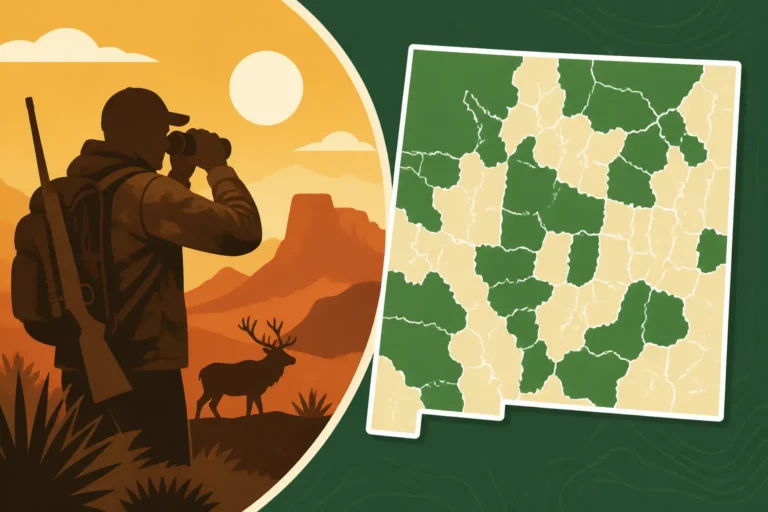
Let's be real, not everyone has the luxury of taking a full week off work, packing up the camper, and heading deep into the Gila Wilderness for a remote elk hunt. For many of us, the call of the wild is strong, but our schedules are tighter than a new bow string. The frustration of seeing prime hunting dates slip by because a multi-day trip just isn't feasible is a feeling every working hunter knows well. This guide is all about tackling that exact problem, showing you how to find meaningful hunting opportunities in units close enough to Albuquerque for a quick day trip or an efficient weekend escape, proving that you don't always need to disappear for days to connect with nature and pursue game.
The Realities of a Quick Trip: Why Proximity Matters
Life gets in the way, doesn't it? Between work, family, and all the other commitments that fill our calendars, carving out significant chunks of time for extended hunting expeditions can feel like an impossible task. This isn't just about convenience; for many, it's about staying connected to the outdoors and keeping those hunting skills sharp even when a grand adventure isn't on the cards. A quick trip means less planning, less gear, and often, less expense, making it a viable option for those moments when you just need to get out there.
The Time Crunch: Juggling Life and Hunting Aspirations
We've all been there: staring at the calendar, wishing we could apply for that coveted week-long elk hunt, but knowing deep down that a full week away simply isn't in the cards this year. It's a tough pill to swallow when your passion for hunting clashes with the demands of everyday life. The beauty of finding units close to Albuquerque is that it dramatically reduces the travel time, which is often the biggest hurdle for hunters with limited availability. Instead of spending half a day driving to a remote trailhead, you can be boots on the ground, glassing for game, within an hour or two of leaving your driveway. This flexibility opens up possibilities for early morning or late afternoon hunts, squeezing in precious time afield before or after other obligations. It might not be the epic backcountry trip you dream of, but it keeps the fire alive and offers a legitimate chance at success.
Defining "Near Albuquerque" for Hunters
When we talk about hunting units "near Albuquerque," we're generally looking at areas that are within a 30-minute to two-hour drive from the city limits. This range allows for a comfortable day trip, giving you ample time for hunting without feeling rushed to get back before dark, or allowing for an easy overnight camp if you prefer. These aren't necessarily the trophy units you hear about in hushed tones, but they offer consistent opportunities for a variety of species, from deer and bear to turkey and a host of small game and predators. The key is managing expectations and understanding that a quick trip prioritizes access and opportunity over chasing a specific Boone and Crockett entry. It's about getting out, putting in the effort, and enjoying the process, even if the landscape is more familiar.
Accessible Big Game Units: Your Day-Trip Destinations
While some of New Mexico's most famous big game units might be a bit of a haul from Albuquerque, there are several fantastic options that put you in the heart of hunting country without requiring an epic road trip. These units often feature diverse terrain, from pine forests to high desert plains, providing habitat for different species and offering varied hunting experiences. Understanding the nuances of each area is crucial for a successful quick trip.
East Mountains and the Cibola National Forest (Units 24, 25, 26)
Right on Albuquerque's doorstep, the East Mountains, primarily within the Cibola National Forest, offer some of the most accessible big game hunting for residents. This area encompasses units like 24, 25, and 26. You're talking about a quick 30-minute to hour drive, depending on where you're headed. The terrain here is classic New Mexico, ranging from ponderosa pine and mixed conifer forests at higher elevations to piñon-juniper woodlands and open grasslands as you descend.
Mule deer are the most commonly pursued big game here. While not known for producing giant bucks every year, these units offer consistent opportunities for deer, especially during the archery and muzzleloader seasons. These deer can be pressured due to proximity to the city, making stealth and smart glassing even more critical. During the early archery seasons, you might find deer still somewhat patterned around water sources or transitioning between feeding and bedding areas. Mule Deer Across New Mexico's High Country and Desert is a great resource if you want to dig deeper into mule deer habits. Beyond deer, these units also hold healthy populations of black bear and mountain lion, which can be pursued on specific tags. Turkey hunting can also be excellent in the spring and fall. The convenience of these units means you can leave before dawn, hunt through the morning, take a break, and head back out for an evening hunt, all while being back home before it's too late. The challenge here is often finding pockets of less-pressured animals, which requires some dedicated scouting, even if it's just e-scouting from your couch.
North to the Jemez Foothills (Units 6A, 6B)
Venturing a little further north, roughly an hour to an hour and a half's drive from Albuquerque, brings you into the foothills of the Jemez Mountains. Units 6A and 6B, part of the Santa Fe National Forest and other public lands, offer a different flavor of hunting. These areas are characterized by rolling hills, canyons, and a mix of ponderosa, oak brush, and piñon-juniper. The elevation gains are generally moderate, making for less strenuous hiking compared to higher mountain ranges.
These units are particularly popular for elk, especially for archery and muzzleloader hunters. While drawing a tag can be tough in New Mexico, these units occasionally offer leftover opportunities or are excellent choices for resident applications for cow tags, which tend to have better odds. If you do draw an elk tag, a quick trip into the Jemez allows you to capitalize on those short hunting windows. Keep an eye out for New Mexico Elk Season Dates by Unit when planning your application strategy. Mule deer are also present, often found in the oak brush and more broken terrain. Additionally, the Jemez is well-known for its abundant turkey populations, making it a fantastic destination for a quick spring turkey hunt. The terrain, while accessible, still provides plenty of cover for game, so focusing on drainages, saddles, and benches can be a productive strategy. Early morning and late evening are often your best bets for catching animals on the move in these areas.
South Towards the Rio Grande Corridor (Units 13, 14)
Heading south from Albuquerque, following the Rio Grande corridor, you'll find units like 13 and 14, which offer a different desert hunting experience. These units are generally an hour to an hour and a half's drive, putting them well within the "quick trip" category. The landscape here transitions to more open, arid plains interspersed with volcanic mesas, deep arroyos, and areas of dense brush, often dominated by creosote and mesquite. This is classic Chihuahuan Desert habitat.
These units are primarily known for desert mule deer and pronghorn. While pronghorn tags are highly coveted and difficult to draw, mule deer opportunities exist. Hunting here presents unique challenges; glassing vast, open country is paramount, and understanding how deer use the limited cover and water sources is key. Temperatures can be significantly warmer than in the mountains, especially during early seasons, requiring careful planning for hydration and meat care. If you're fortunate enough to draw an oryx tag – a truly unique New Mexico hunt – some of these southern units can offer off-range opportunities, although the White Sands Missile Range hunts are typically a bit further. Oryx Is New Mexico's Strangest Big Game Animal can give you more insight into this fascinating species. You'll often be hunting on large expanses of Bureau of Land Management (BLM) land here, which means generally good access, but also requires diligent map work with tools like onX Hunt to ensure you're on public ground and respecting private boundaries.
Small Game and Predator Hotspots for Impromptu Hunts
Sometimes, a successful quick trip doesn't require a big game tag at all. New Mexico offers a wealth of small game and predator hunting opportunities that are often less regulated by draw systems and can be pursued on a basic game hunting license, making them perfect for those spontaneous urges to get into the field. These hunts are fantastic for honing skills, introducing new hunters to the sport, or simply enjoying a day outdoors.
Opportunistic Small Game Hunting Around Albuquerque
The areas surrounding Albuquerque, including much of the public land within an hour or two's drive, are teeming with small game. This can include species like cottontail rabbits, jackrabbits, and various quail species, such as scaled quail and Gambel's quail. These animals are abundant in the piñon-juniper hills, arroyos, and even the edges of agricultural fields. A small game hunt is incredibly accessible, requiring minimal specialized gear beyond a shotgun or small caliber rifle, and often, just a pair of good walking boots.
For cottontails and jackrabbits, you can literally hunt much of the year, providing a great way to stay sharp and put some delicious meat on the table. Focus on areas with dense brush, rocky outcrops, and riparian zones. Quail hunting, especially for scaled quail, can be incredibly active. These "cotton tops" are known for running more than flying, leading to exciting and challenging hunts, particularly if you're working with a bird dog. Look for them in open, arid country with scattered cholla and mesquite. Quail, Dove and New Mexico's Small Game provides a deeper dive into these opportunities. The beauty of small game is the relatively low pressure and the constant action, making it ideal for a quick, rewarding outing. You don't need to spend weeks scouting; often, just showing up in suitable habitat with a general idea of where the game might be is enough to find success.
Predator Calling for Year-Round Action
If year-round hunting with no bag limits (on most predators) appeals to you, then predator calling is an excellent choice for a quick trip near Albuquerque. Coyotes, in particular, are widespread across New Mexico's diverse landscapes and can be found in almost every unit mentioned previously, from the East Mountain forests to the southern desert plains. This type of hunting relies heavily on strategy, patience, and effective calling techniques, making it mentally engaging and rewarding.
You can pursue predators with a simple hand call or an electronic call, mimicking the distress cries of rabbits or other prey animals. The key is to find good vantage points where you can see a significant area, set up downwind, and remain absolutely still. Early mornings and late evenings are often the most productive times, but coyotes can be called in at any time of day. This is a fantastic way to develop your hunting skills, including camouflage discipline, wind reading, and shot placement under pressure. Remember that while night hunting for coyotes is legal in some areas, there are specific regulations to be aware of. Check the current New Mexico hunting rules and info booklet. Predator hunting offers high-frequency action, which is perfect for a quick trip where you might not have hours to wait for a deer to appear. It's a dynamic, exciting way to hunt, and the challenge of outsmarting a wary coyote keeps you coming back.
Strategic Planning for Short-Notice Success
A quick trip might imply spontaneity, but success often hinges on smart, efficient planning. Since you're working with limited time, every minute counts, both in preparation and in the field. Leveraging modern tools and focusing on key strategies can turn a short outing into a productive one.
Leveraging Technology for Efficient Scouting
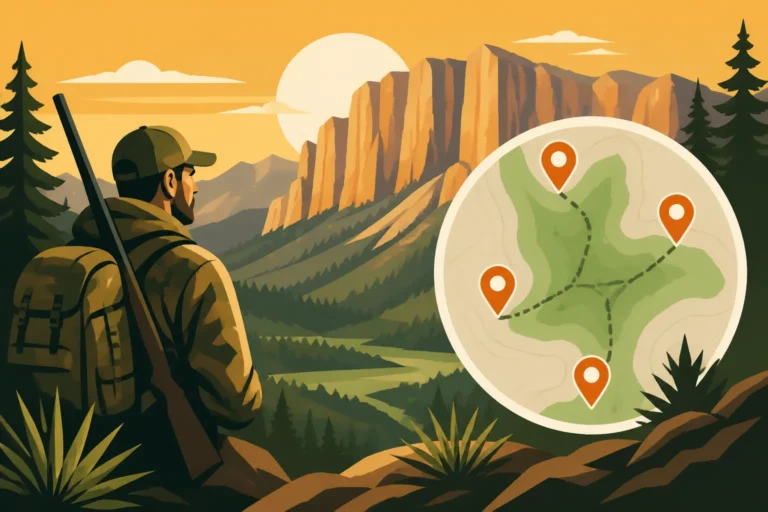
In today's hunting world, e-scouting is no longer a luxury; it's a necessity, especially when you're planning a quick trip and don't have days to physically explore a unit. Platforms like onX Hunt have revolutionized how hunters approach new areas or refresh their knowledge of familiar ones. You can spend an hour or two at home, zooming in on satellite imagery, identifying public land boundaries, noting potential bedding areas, water sources, saddles, and travel corridors. This allows you to arrive in the field with a solid game plan, minimizing wasted time wandering aimlessly. E-Scouting a New Mexico Unit Before the Season provides an in-depth look at this powerful technique.
Think about using onX Hunt to mark parking spots, trailheads, and areas that look promising for glassing or setting up a calling sequence. You can drop pins for potential ambush points or escape routes. Another valuable resource is GoHunt, which provides detailed unit profiles, harvest data, and draw odds. While draw odds aren't as critical for general small game or predator hunting, their unit information can highlight terrain types, vegetation, and other factors that influence game presence. Using these tools, you can map out a specific path for your morning hunt, saving precious daylight hours. You can even check for recent satellite imagery updates to identify new burns or clearings that might be holding game. The more you "see" the ground before you get there, the more efficient your limited time in the field will be.
Essential Gear and Preparedness for a Fast Trip
Because a quick trip means less time and often less extensive gear, what you do bring becomes even more critical. You want to be prepared without being overloaded. The key is to pack light and smart, focusing on essentials that will keep you safe, comfortable, and effective for the duration of your hunt.
Here’s a breakdown of what to consider:
| Category | Essential Items for a Quick Trip | Why It's Important |
|---|---|---|
| Navigation | onX Hunt on phone (with downloaded maps), compass, paper map (backup) | Avoid getting lost, identify property lines, find productive areas. |
| Optics | Binoculars (10×42 or 12×50), Rangefinder | Spotting game from a distance, judging shot distances quickly. Binocular Size That Survives an All-Day Session |
| Clothing | Layers appropriate for weather, blaze orange (if required), sturdy boots, hat, gloves | Comfort, safety, adaptability to temperature swings. Choosing Boots for Rocky Desert Ground |
| Water & Food | Ample water (more than you think), high-energy snacks | Stay hydrated and fueled, especially in desert environments. |
| First Aid | Basic kit (bandages, antiseptic, pain relievers, blister treatment) | Address minor injuries quickly in the field. |
| Weapon | Rifle/Bow/Shotgun, sufficient ammo, cleaning kit (small) | Your primary tool for the hunt. |
| Other Tools | Headlamp (with extra batteries), knife, cordage, fire starter, game bags | Essential for low-light, field dressing, emergency situations. |
Remember to check Legal Shooting Hours and Blaze Orange in New Mexico for species and season-specific requirements. You might not need a massive backpack, but a comfortable day pack that can hold your water, snacks, extra layers, and basic survival items is crucial. Ensure your weapon is sighted in and you've practiced recently. The last thing you want on a short trip is a missed opportunity due to equipment failure or lack of practice.
Post-Harvest Logistics When Time is Tight
Success on a quick trip brings its own set of challenges, particularly if you harvest an animal. With limited time, efficient post-harvest logistics are paramount to ensure ethical handling and meat quality. This means having a plan before you even head out.
For small game like rabbits or quail, field dressing is straightforward and can be done quickly. For larger game like deer or bear, however, the process is more involved. If you're hunting in warmer temperatures, Field Dressing in Desert Heat becomes incredibly important. You'll need to work fast to gut the animal, and if possible, quarter it to allow it to cool more rapidly. Having good quality game bags is non-negotiable for keeping meat clean and protected from insects. If you're on a day trip, plan your exit strategy: how will you get the animal back to your vehicle? Do you have a cooler with ice ready? Getting Meat Cooled on an Early Season Hunt is vital for preserving the meat, especially in New Mexico's often warm climate. For a quick trip, consider having a large cooler with plenty of ice in your vehicle. Once you get back to Albuquerque, you'll need to decide if you're taking it to a local processor or if you plan to do the butchering yourself. Knowing these details in advance will prevent chaos and ensure a respectful, efficient harvest.
Making the Most of Limited Time: Strategies for Success
A quick hunting trip isn't just about finding close units; it's about optimizing your approach to capitalize on every available moment. Because you're working within tight constraints, having a tactical mindset about how and when you hunt, as well as where you focus your efforts, can make all the difference.
Early Birds and Evening Owls: Maximizing Prime Hours
One of the most fundamental strategies for any hunter, but especially for those on a quick trip, is to maximize the prime hunting hours. This means being in your chosen hunting area well before legal shooting light in the morning and staying out until the very end of legal shooting light in the evening. Game animals, particularly big game like deer and elk, are most active during these twilight periods. They move from bedding areas to feeding grounds, and vice versa, making them more visible and vulnerable.
For an early morning hunt near Albuquerque, this might mean leaving your house an hour and a half before sunrise. It sounds early, but by the time you drive, hike to your spot, and get settled, you'll be ready when the light appears. Similarly, for an evening hunt, plan to stay until the last legal minute, often catching animals making their final movements before settling in for the night. This approach helps compensate for the limited overall time you have in the field. Don't be afraid to take a mid-day break back at your vehicle, re-energize, grab a snack, and be ready to hit it hard again in the afternoon. It's about working smarter, not necessarily longer in one continuous stretch.
Focus on Access and Edge Habitat
When hunting units close to a major city, you can expect some level of hunting pressure. To mitigate this, focusing on areas with slightly more difficult access or concentrating on "edge habitat" can increase your odds. Edge habitat refers to the transitional zones where two or more different habitat types meet, such as where a forest meets a clearing, or a piñon-juniper slope transitions into an open meadow. These areas are often favored by game because they provide both cover and feeding opportunities.
Look for areas on your onX Hunt map that are a bit further from main roads or trailheads. Even a short half-mile hike off the beaten path can get you away from the majority of casual hunters. Focus on drainages, canyons, and ridges that offer natural travel corridors or hidden pockets where animals feel secure. Pay attention to changes in elevation or vegetation that create these edges. If you're hunting deer in the East Mountains, for example, the transition from heavy timber down into oak brush can be a hot zone. For predators, setting up on the edge of open plains and dense cover can be highly effective for calling. The less obvious the spot, the more likely you are to find undisturbed animals. Even on a quick trip, taking the time to hike past the initial accessible spots can yield much better results.
Species-Specific Opportunities
While you might be hoping for any kind of success on a quick trip, understanding which species offer the best consistent opportunities in close-to-Albuquerque units can help you focus your efforts. As discussed, mule deer, turkey, small game (rabbits, quail), and predators (coyotes) are often the most reliable targets for these shorter excursions.
If you're after mule deer, concentrate on scouting before the season, even if it's just digitally. Look for fresh sign like tracks, droppings, and rubs. Learn to read a New Mexico Hunt Code Before You Apply to ensure you understand specific season dates and legal weapons. For turkey, understand their roosting and feeding patterns; early mornings in timbered areas are key. For small game, simply finding good habitat and putting in the foot mileage will often result in encounters. For predators, understanding how they respond to different calls and wind conditions is paramount. Having a specific species in mind for your quick trip, rather than just hoping to "see something," will allow you to tailor your strategy, gear, and calling techniques for maximum effectiveness within your limited time frame. The more focused you are, the better your chances of bringing home some meat or the memory of a close encounter.
Disclaimer
This article is for general informational purposes only and does not constitute professional advice. Laws, prices and regulations vary by location and change over time. Consult a qualified professional for guidance on your specific situation.