Finding Open Gate Ground Near You
The challenge of finding new hunting grounds in New Mexico can feel like a constant uphill battle. So much of the state is either private land, locked up behind gates, or already heavily pressured public ground that it’s easy to get discouraged. Many hunters spend countless hours e-scouting, trying to piece together fragmented access points, only to find their hopes dashed by "No Trespassing" signs or landlocked parcels. This guide is here to shed light on a valuable program designed to unlock new opportunities: the New Mexico Department of Game and Fish (NMDGF) Open Gate program. It's a game-changer for finding accessible hunting and fishing spots that might be closer than you think.
What Exactly is New Mexico's Open Gate Program?
For years, hunters and anglers in New Mexico have grappled with the reality of vast private land ownership. While the state boasts millions of acres of public ground, much of it is either remote, rugged, or interspersed with private parcels that make access a headache. Imagine staring at a map, seeing what looks like prime hunting habitat, only to realize a narrow strip of private property is completely blocking your way. It’s a common frustration that can turn a hopeful scouting trip into a dead end.
Bridging the Public and Private Land Gap
The NMDGF recognized this pervasive issue and created the Open Gate program as a proactive solution. At its core, Open Gate is a voluntary partnership between the NMDGF and private landowners. Instead of allowing prime hunting and fishing habitat to remain inaccessible behind fences, the program offers landowners financial incentives and assistance with wildlife management in exchange for granting public access to their property for specific periods and activities. Think of it as a mutual agreement: landowners get support, and the public gets new places to pursue their passion without the hassle of securing individual Written Permission Requirements in New Mexico or navigating complex boundary issues.
This partnership is designed to tackle the thorny problem of access head-on. By identifying private lands with significant recreational potential, the NMDGF can strategically negotiate agreements that benefit both the land stewardship goals of the owner and the recreational needs of the public. It's a tangible effort to expand the effective hunting footprint beyond just federal or state public lands, sometimes even providing access to parcels that might otherwise be considered "landlocked" by surrounding private holdings.
Benefits for Both Hunters and Landowners
The Open Gate program truly is a win-win scenario, designed to address the needs of both the recreational user and the private land steward. For hunters and anglers, the benefits are immediately apparent. It means new opportunities to explore areas that were once off-limits, often closer to populated centers than traditional public lands. This can significantly reduce pressure on established public areas, spreading out hunters and potentially improving the quality of the hunting experience for everyone. It also diversifies the types of habitat accessible, from high desert to agricultural fringes, opening up possibilities for pursuing different species in varying environments. You might discover a hidden gem for quail hunting just outside a small town or a productive deer patch previously known only to the landowner.
On the flip side, landowners receive clear and tangible benefits. The financial compensation they get helps offset land management costs or even property taxes, making it an attractive proposition. Beyond the monetary aspect, the NMDGF often provides technical assistance with wildlife habitat improvement, herd management, and even boundary marking. This collaborative approach can lead to better overall wildlife populations and healthier ecosystems on these private lands. Furthermore, by having designated public access points and clear rules set by the NMDGF, landowners often experience a decrease in unauthorized trespass, as hunters are directed to legal entry points and understand the expectations for their conduct.
Beyond Just Hunting: Fishing and Trapping Opportunities
While many hunters immediately think of big game, it's important to remember that the Open Gate program cast a wider net than just deer or elk. It encompasses various forms of outdoor recreation, including fishing and trapping, depending on the specific property and the agreement struck with the landowner. This means that a property listed under Open Gate might be ideal for targeting warm-water species in a pond or river section, setting traps for furbearers, or indeed, chasing Quail, Dove and New Mexico's Small Game.
Each Open Gate property agreement is tailored to its unique ecological features and the landowner's preferences. For instance, some properties might specifically emphasize waterfowl hunting, others might open access to a stretch of river for trout fishing, and some are dedicated to upland bird hunting. It's crucial for users to understand that not all Open Gate properties are created equal, and the activities permitted will vary. The program's adaptability allows it to maximize recreational potential across a diverse landscape, providing seasonal opportunities that might not otherwise exist. This flexibility is a key strength, allowing the NMDGF to make the most of every potential partnership.
How to Discover Open Gate Properties in Your Area
Finding these elusive Open Gate properties can feel like searching for hidden treasure, but with the right tools and information, it's far more straightforward than you might imagine. The key is knowing where to look and how to interpret the information provided.
Navigating the New Mexico Department of Game and Fish Resources
Your absolute first stop for any official information on the Open Gate program should always be the New Mexico Department of Game and Fish website. This is the primary, official source for current, accurate, and legal details regarding all Open Gate properties. They typically publish a dedicated section or booklet outlining the available properties, specifying the allowed activities, dates of access, and any unique rules for each location. It’s not just a suggestion to check their site; it’s essential, as these agreements are dynamic.
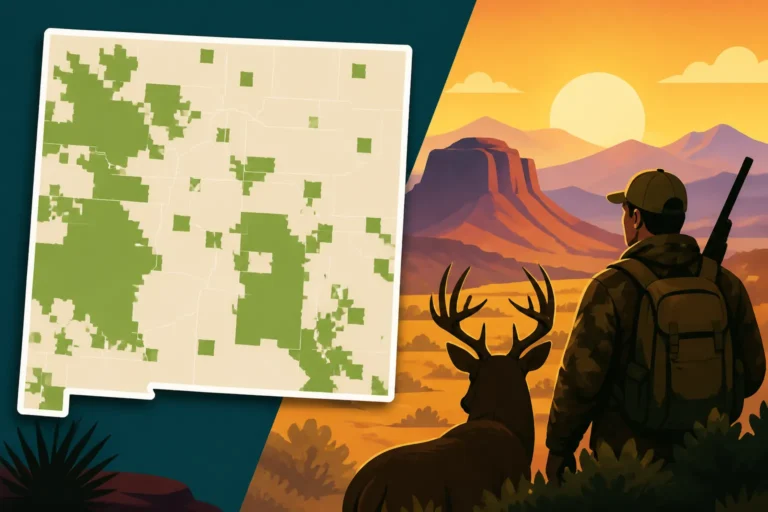
The NMDGF will often release interactive maps or downloadable PDF documents that clearly delineate property boundaries and access points. These resources are invaluable for getting a lay of the land and understanding where you can legally enter and hunt. Because the program relies on voluntary agreements, properties can be added, removed, or have their terms updated periodically. This means that information from a previous year might be outdated, so always ensure you're referencing the most current season's guide. Keep an eye out for news releases or updates from the NMDGF, especially closer to the start of various hunting seasons, as new properties might come online or changes could be announced.
Leveraging Digital Mapping Applications Like onX Hunt and GoHunt
While the NMDGF website is the official word, modern digital mapping tools have become indispensable for actually visualizing and planning your hunt on Open Gate lands. Applications like onX Hunt have revolutionized how hunters approach public and private land boundaries, and they are incredibly valuable for the Open Gate program. With onX Hunt, you can overlay property ownership layers, which will clearly show you where an Open Gate property begins and ends. More importantly, these apps allow you to see the terrain, access roads, potential bedding areas, and water sources on these newly accessible lands. You can essentially perform E-Scouting a New Mexico Unit Before the Season from the comfort of your home, identifying potential game funnels or overlooked corners of a property.
Similarly, platforms like GoHunt, which often compile and analyze hunting data and draw odds, can sometimes integrate or link to NMDGF Open Gate information. While GoHunt's primary focus might be draw tags, it provides a broader hunting context that can complement your research. Using these tools in conjunction with the official NMDGF information allows you to cross-reference satellite imagery, topographic maps, and property boundaries, giving you a comprehensive understanding before you ever set foot on the ground. You can mark waypoints for parking, potential ambush spots, or areas to avoid, making your initial visit much more efficient and productive.
Deciphering the Specific Rules for Each Open Gate Property
This cannot be stressed enough: "Open Gate" is not a blanket permit for all activities on all properties. Every single Open Gate agreement is unique, a bespoke arrangement between the NMDGF and the individual landowner. This means that while one property might allow archery deer hunting and unlimited walk-in access for the entire fall, another might be restricted to youth-only pheasant hunting with specific vehicle access rules, or only open for fishing during certain months. The failure to carefully read and understand these property-specific rules is not just a breach of etiquette; it could lead to legal trouble, including citations for trespass or hunting violations.
The NMDGF will provide a detailed description for each property, outlining what species can be hunted, the specific weapon types permitted (e.g., archery only, shotgun only, any legal weapon), the dates the property is open, and crucially, the access methods allowed. Many Open Gate properties are strictly walk-in only, meaning you’ll need to park at a designated spot and proceed on foot. Others might permit vehicle access on specific routes. It's also vital to check for any restrictions on campfires, camping, or the use of specific types of equipment, like ATVs. Disregarding these rules jeopardizes not only your hunting trip but also the future of the Open Gate program, as it can strain the relationship between the NMDGF and cooperating landowners. Always carry a copy of the specific property rules with you when you visit.
Making the Most of Your Open Gate Hunting Experience
Once you've identified an Open Gate property that fits your hunting goals, the next step is to prepare for your visit and ensure you contribute positively to the program. Treating these properties with the utmost respect is paramount for their continued availability.
The Critical Importance of Respect and Ethical Conduct
Hunting on Open Gate land is truly a privilege, not an inherent right. These properties are private lands where owners have voluntarily chosen to open their gates to the public, and their willingness to continue doing so largely hinges on the behavior of hunters and anglers. This means treating the land, its wildlife, and any existing infrastructure with the highest level of respect, perhaps even more so than you would on traditional public ground. Leave absolutely no trace of your presence. Pack out all your trash, including spent shell casings, food wrappers, and anything else you brought in. Do not disturb livestock, cut fences, or block gates – even if they appear unused.
Consider the landowner’s perspective. They are allowing strangers onto their property, often their home or livelihood. Your ethical conduct reinforces their decision to participate in the program and encourages others to join. If you encounter a problem or witness unethical behavior, report it to the NMDGF. By acting as responsible stewards, you are directly contributing to the longevity and expansion of the Open Gate program, ensuring these valuable opportunities remain available for future generations. Remember, incidents involving irresponsible behavior can quickly lead to a landowner withdrawing from the program, and that's a loss for everyone. This also extends to how you handle any game you harvest; adhere to rules like Retrieving Game From Private Land in New Mexico carefully.
Navigating Access: Walk-In, Vehicle, and Designated Routes
A significant aspect of many Open Gate properties is the mode of access. You'll often find that these lands are designated as "walk-in only." This means that while you can park at a specified access point, your boots are the only motorized vehicle allowed beyond that point. This can be a blessing in disguise, as it naturally reduces hunting pressure and can lead to a more solitary experience. However, it also means you need to be prepared for the physical demands of walking, especially if you're pursuing big game. Factor in the distance you'll need to cover and the terrain when planning your hunt and packing your gear.
For properties where vehicle access is permitted, it is absolutely crucial to stick to designated roads or tracks. Never drive off-road unless explicitly permitted, and always assume you are restricted to established routes. These might be dirt roads, two-track trails, or even well-maintained gravel paths. Over-eager driving or creating new tracks can damage sensitive habitat, cause erosion, and infringe upon the landowner’s property rights. Pay attention to any signage that indicates road closures, parking areas, or areas that are off-limits to vehicles. Understanding and adhering to these access rules is not just about legality; it’s about maintaining the trust that facilitates the entire Open Gate program.
Pre-Season Scouting and On-Site Adaptation
Just like any other hunting venture, pre-season scouting is an invaluable step for Open Gate properties, even if they are new to you. While you might not have the same historical knowledge as you would for a unit you’ve hunted for years, modern technology makes remote scouting highly effective. Use tools like onX Hunt or Google Earth to examine the topography, identify potential game trails, water sources, and areas of dense cover. Look for pinch points, saddles, or benches that might funnel game. Pay attention to fence lines or natural barriers that could direct movement. E-Scouting a New Mexico Unit Before the Season is critical here.
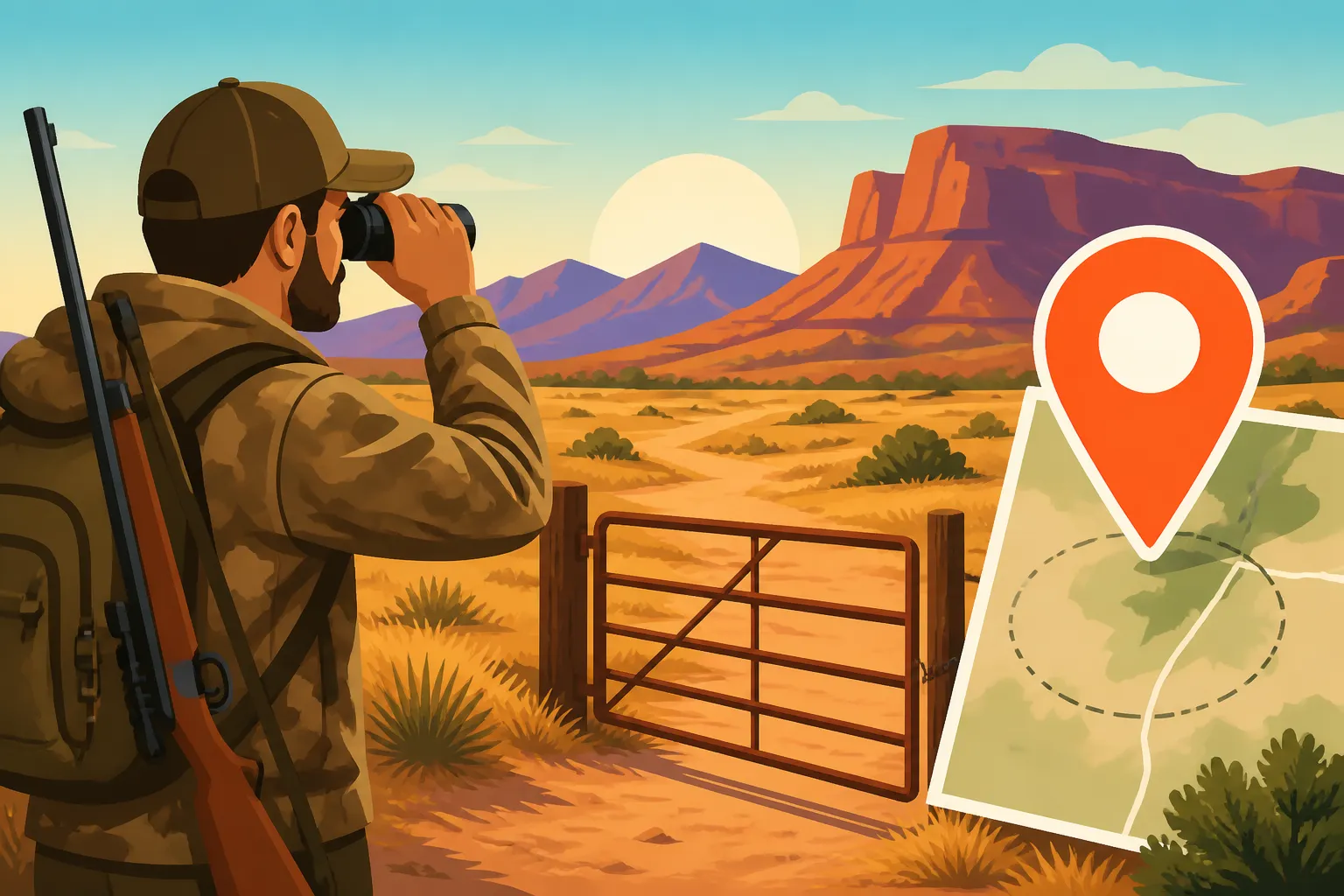
Once you arrive on site, be prepared to adapt. The actual terrain might look different than what you saw on a satellite image, or game patterns could have shifted. Take the time to observe fresh sign, listen for sounds, and adjust your plan based on what you find. If possible, a reconnaissance trip a week or two before the season opens can provide a huge advantage. Even just driving the perimeter of the property and observing from a distance can offer crucial insights into current conditions, recent activity, and potential entry points. Remember, hunting success often comes down to adaptability and a thorough understanding of the specific piece of ground you're on, regardless of whether it's public, private, or Open Gate.
Strategic Considerations for Hunting Open Gate Lands
Hunting Open Gate properties successfully requires more than just showing up. A strategic approach, combining knowledge of the program's specifics with general hunting wisdom, will significantly increase your odds.
Identifying Target Species and Optimal Timing
The beauty of the Open Gate program is its diversity, but this also means you need to be strategic about which properties you pursue and when. Some Open Gate properties are specifically managed or opened for certain species. For example, a property in the eastern plains might be prime for Quail, Dove and New Mexico's Small Game, while a high-country parcel could offer deer opportunities. It’s vital to cross-reference the NMDGF property descriptions with your hunting goals. Don’t expect to find elk on a property explicitly designated for pheasant hunting, for instance.
Timing is also critical. Many Open Gate properties might experience higher pressure on opening weekends or popular holidays. If your schedule allows, consider hunting weekdays, when you might have the property largely to yourself. Early mornings and late evenings are always prime times for game movement, but on Open Gate lands, these periods might be less disturbed by other hunters. Pay attention to the specific dates an Open Gate property is open, as some might only be available for a limited window or specific hunting season. Understanding the nuances of game movement on these smaller, often more fragmented parcels of land will be key to success.
Understanding Regulations Beyond the "Open Gate" Label
While the Open Gate program provides access, it doesn't exempt you from the broader New Mexico hunting regulations. Every general rule that applies to hunting in New Mexico — such as legal shooting hours, blaze orange requirements, tagging procedures, and weapon restrictions for specific species — still applies. Think of the Open Gate rules as an additional layer of stipulations on top of the existing NMDGF regulations, not a replacement for them. You must still hold the appropriate hunting license and tags for the species you are pursuing.
Furthermore, specific rules like those regarding Baiting and Trail Camera Rules in New Mexico are still in effect. Just because you're on a private Open Gate property doesn't mean you can disregard statewide bans on baiting for big game. Always consult the current New Mexico hunting rules and information booklet for comprehensive regulations. Understanding your hunt code and what it allows is also paramount, which is why taking the time to Reading a New Mexico Hunt Code Before You Apply will serve you well, even on Open Gate lands. It’s a combined effort: following the general state laws and adhering to the specific Open Gate property guidelines.
Contributing to the Program's Longevity
The long-term success and potential expansion of the Open Gate program hinge directly on the positive experiences of both landowners and hunters. When hunters consistently demonstrate responsible, ethical behavior, landowners are much more likely to renew their agreements with the NMDGF and even encourage their neighbors to consider participating. Conversely, incidents of littering, property damage, or disrespect can quickly lead to a landowner opting out, diminishing available opportunities for everyone.
Every hunter who utilizes an Open Gate property has a role to play as an ambassador for the hunting community. By following all rules, leaving no trace, and being courteous, you are building trust and demonstrating the value of this partnership. Consider submitting positive feedback to the NMDGF if you have a great experience. Your actions have a direct impact on the program's ability to grow and provide even more access in the future. It’s a collective effort to secure and expand these invaluable hunting grounds, potentially providing more low-pressure spots for future hunts. Finding Low Pressure Ground on Opening Weekend becomes easier if the program expands.
Here's a quick comparison of Open Gate access versus traditional public lands:
| Feature | Open Gate Access | Traditional Public Land (e.g., National Forest, BLM) |
|---|---|---|
| Land Ownership | Private land, temporarily opened via NMDGF | Federally or state-owned land |
| Access Permission | NMDGF agreement with landowner (implied permission) | General public access, managed by federal/state agencies |
| Specific Rules | Highly variable per property; strict adherence required | General federal/state regulations apply, unit-specific rules |
| Scouting | Often requires more digital scouting; on-site recon crucial | Easier to scout remotely, broader historical data |
| Pressure | Can be lower if rules are specific (e.g., walk-in only) | Can be very high, especially in easily accessible areas |
| Amenities | Minimal to none; may lack established trails, restrooms | Varies from primitive to developed, may have trails, campgrounds |
| Habitat Variety | Diverse, often includes agricultural or ranch lands | Typically wilderness, forest, or high desert |
| Vehicle Access | Often walk-in only; strict limits on designated routes | More varied, but off-road restrictions are common |
| Longevity | Dependent on landowner willingness and hunter behavior | Generally permanent, but subject to management changes |
The Open Gate program is a fantastic initiative that adds valuable opportunities to New Mexico's hunting landscape. By understanding how it works, utilizing available resources, and committing to ethical conduct, you can unlock new hunting experiences and contribute to the program's continued success. Never forget that a New Mexico hunting license is not just a piece of paper; it's also your key to accessing A New Mexico License Is Your State Trust Land Easement and these Open Gate properties, expanding your horizons beyond the typical boundaries.
Disclaimer
This article is for general informational purposes only and does not constitute professional advice. Laws, prices and regulations vary by location and change over time. Consult a qualified professional for guidance on your specific situation.