How Long Before a Hunt You May Scout
It’s a common frustration for hunters, especially those new to the unique landscape of New Mexico: you want to get out there, walk the ground, and learn a unit, but you’re worried about whether you’re allowed to "scout" or if you're inadvertently "hunting" outside of season. This guide will cut through that confusion, clarifying the specific rules, especially the often-misunderstood 14-day window, so you can confidently prepare for your hunt.
Understanding New Mexico's 14-Day Scouting Window
New Mexico has specific rules about how far in advance you can scout, particularly concerning state trust lands. It’s a point of confusion for many, but once you understand the distinction, it becomes much clearer. The key lies in understanding where this rule applies and what "scouting" truly means in a legal sense.
The Specifics of State Trust Land
When you hear about a 14-day scouting window, it almost exclusively refers to New Mexico State Trust Land. These lands are managed to generate revenue for specific beneficiaries, often public schools, and while they are open to hunting, access comes with certain stipulations. Your valid New Mexico hunting license acts as an easement, granting you permission to be on these lands for the purpose of hunting, fishing, or trapping. However, this access for hunting-related activities, including scouting, is generally limited to 14 days prior to the start of the hunt unit and season you are licensed for.
Imagine you've drawn a coveted antelope tag for a unit that includes a good chunk of state trust land, and your season opens on September 1st. Under this rule, the earliest you could actively scout that state trust land for your specific hunt would be August 18th. Showing up earlier than that, even if you’re just walking around with binoculars, could be interpreted as unauthorized access for hunting purposes, potentially leading to issues. This window ensures that the primary use of these lands remains aligned with their revenue-generating purpose, while still allowing hunters a reasonable amount of time to familiarize themselves with the terrain and game movement. It’s a balancing act, and understanding New Mexico State Trust Land Access Rules is crucial. For a deeper dive into this specific timeframe, explore The 14-Day Scouting Window on Trust Land.
What "Scouting" Legally Entails During This Window
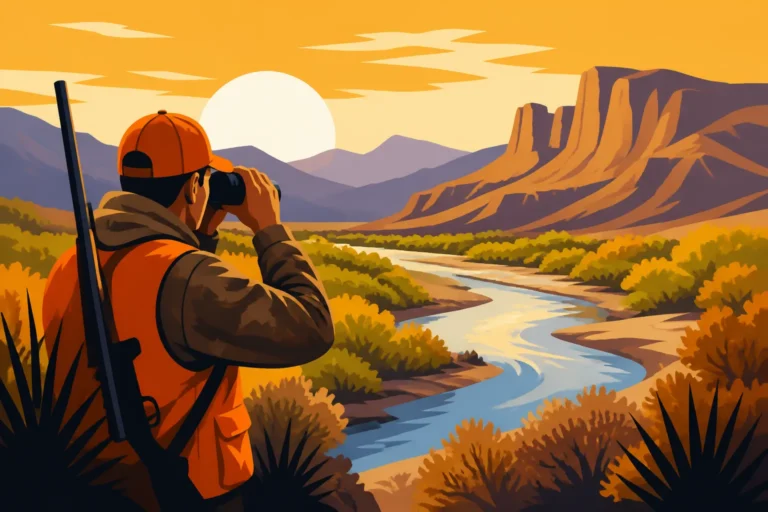
The distinction between "scouting" and "hunting" might seem subtle, but it's legally significant. During that 14-day window on state trust land, "scouting" means activities like hiking, glassing with binoculars or a spotting scope, looking for tracks, rubs, scrapes, water sources, and general game sign. It means using your maps, whether paper or digital like onX Hunt, to identify terrain features, access points, and potential game corridors. You're observing, learning, and planning.
What it doesn't entail, under any circumstances, is carrying a hunting implement that is "uncased and immediately available for use." This means no uncased rifle, no bow strung and ready, no muzzleloader loaded, and certainly no harassment of wildlife. The intent is critical here; if it looks like you're hunting, even if you claim you're just scouting, you could find yourself in trouble. Always ensure your gear clearly indicates you are not hunting. Your primary goal is to gather information, not to pursue or attempt to take game.
Distinguishing State Trust from Other Public Lands
It's vital to remember that the 14-day rule is primarily a State Trust Land regulation. New Mexico has a vast amount of public land, including Bureau of Land Management (BLM) property and National Forests, and the rules for these lands differ significantly. This is where many hunters get confused, applying the restrictive trust land rule to all public access.
When you purchase a New Mexico hunting license, it often grants you more than just the ability to apply for tags; it serves as A New Mexico License Is Your State Trust Land Easement. However, this easement's specific timing for scouting is unique to trust lands. On other federal lands, like the Gila National Forest or BLM acreage, the access rules are generally much more permissive, often allowing year-round recreational use, including scouting, unless specific closures are in effect (such as for fire danger or seasonal road closures). Always confirm the specific land management agency and their rules for the area you intend to scout.
Scouting Other Public Lands: National Forests and BLM
New Mexico boasts an incredible amount of public land that is generally accessible for recreational use, including scouting, outside of any specific hunting season windows. These federal lands, managed by agencies like the U.S. Forest Service and the Bureau of Land Management, offer hunters much more flexibility for pre-season reconnaissance.
Year-Round Access on Federal Ground
One of the great advantages of hunting in New Mexico is the sheer volume of accessible federal ground. Agencies like the Bureau of Land Management and the U.S. Forest Service manage millions of acres, much of which is open to the public year-round for activities like hiking, camping, and, yes, scouting. This means that if you're planning a hunt in an area primarily composed of National Forest or BLM land, you typically don't have the same strict 14-day pre-season scouting limitations as you do on State Trust Land.
This broader access allows you to spend more time getting to know your unit, exploring different drainages, identifying bedding areas, and understanding travel patterns. For instance, if you're drawn for an elk tag in the Gila National Forest, you can visit that area months in advance, learning the terrain, finding water sources, and even watching for early antler growth (from a distance, of course, and always without any hunting implements ready to use). This flexibility is why BLM Ground Carries Most of New Mexico's Open Access, and why understanding the distinctions between land types is so crucial for any serious hunter. The state is home to Nine Million Acres of New Mexico National Forest, offering extensive opportunities for year-round scouting.
Important Considerations for Federal Lands
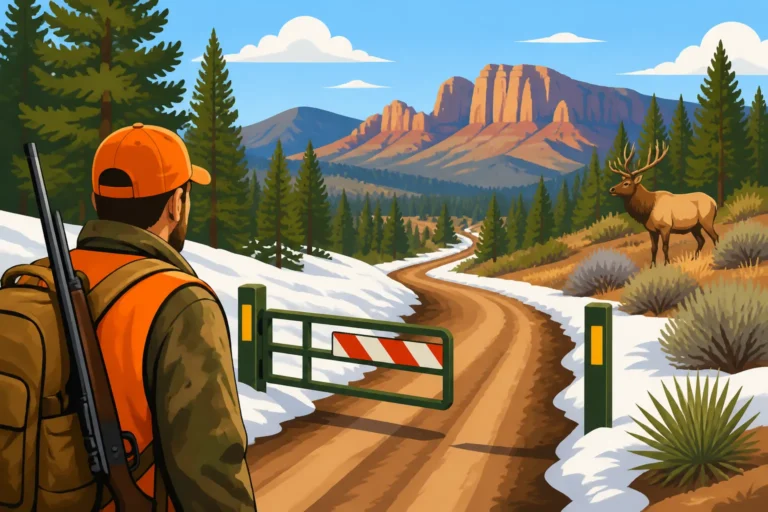
While federal lands generally offer more lenient scouting access, they aren't without their own set of rules and considerations. It's never a free-for-all. Hunters need to be aware of Seasonal Road Closures Across New Mexico, which can impact how far you can drive into a unit, especially in higher elevations or during wet periods. Fire restrictions are another critical factor, particularly during the dry spring and summer months, which can limit campfires and even prohibit certain activities.
Camping is often permitted on federal lands, providing an excellent way to extend your scouting trips. However, there are usually limits on length of stay and designated camping areas. Always practice Leave No Trace principles, pack out everything you pack in, and respect other users of the land, whether they are hikers, campers, or other outdoor enthusiasts. Your presence as a scout sets an example for the hunting community, so always represent it well.
Tools for Effective Public Land Scouting
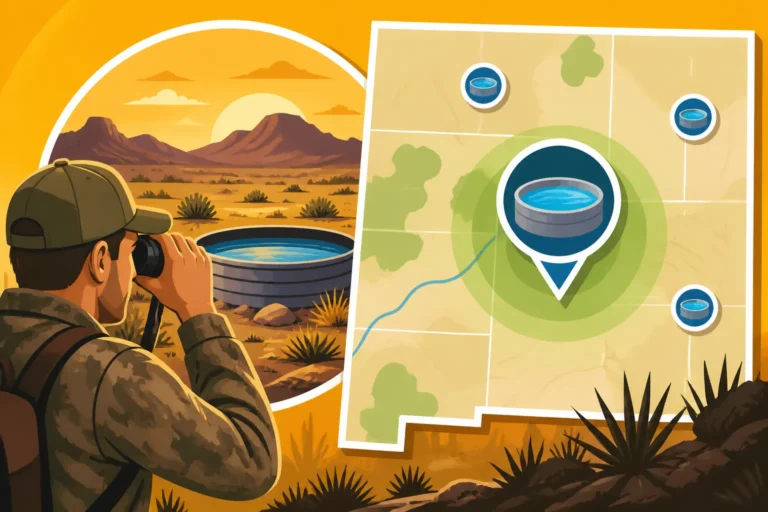
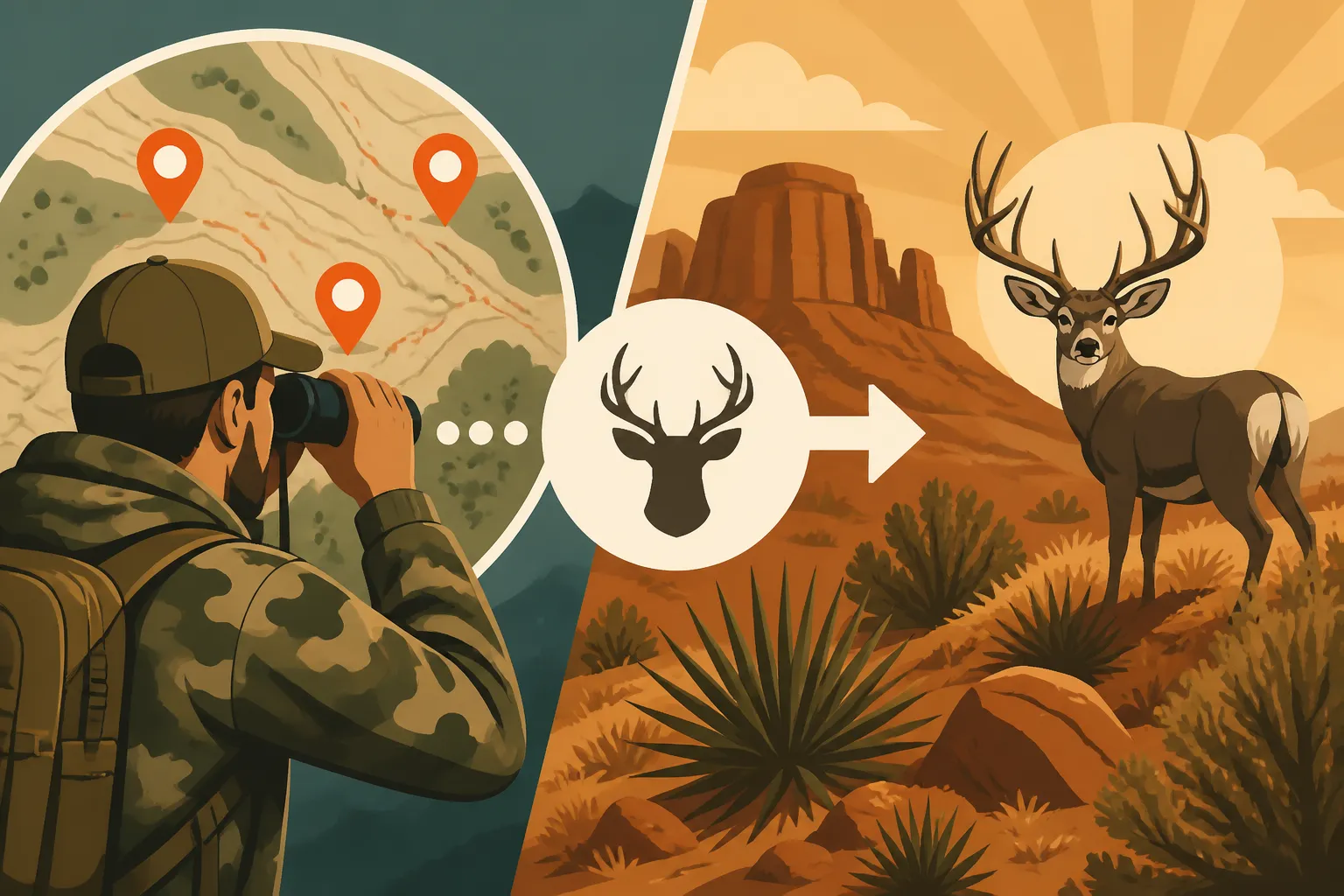
In today's age, technology has revolutionized how we scout, especially on vast public lands. Digital mapping applications like onX Hunt are indispensable. They allow you to overlay land ownership boundaries, topographic maps, and satellite imagery, helping you understand access points, identify potential game habitat, and ensure you're always on public ground. With onX Hunt, you can mark waypoints for glassing points, water sources, and game sign, building a comprehensive understanding of your unit long before opening day.
Another valuable resource is GoHunt, which offers detailed unit data, draw odds, and filtering tools that can help you select units with high public land percentages or specific terrain features you prefer. Using GoHunt in conjunction with onX Hunt allows you to not only identify promising units but also to then drill down into the specifics of accessing and navigating those areas. Combining these tools for E-Scouting a New Mexico Unit Before the Season can give you a huge advantage, letting you maximize your time in the field by focusing on the most productive areas.
Navigating Private Land and Permission
New Mexico is a patchwork of public and private land, and navigating these boundaries safely, ethically, and legally is paramount for any hunter. The rules around private land access, even for scouting, are strict and uncompromising.
The Critical Need for Written Permission
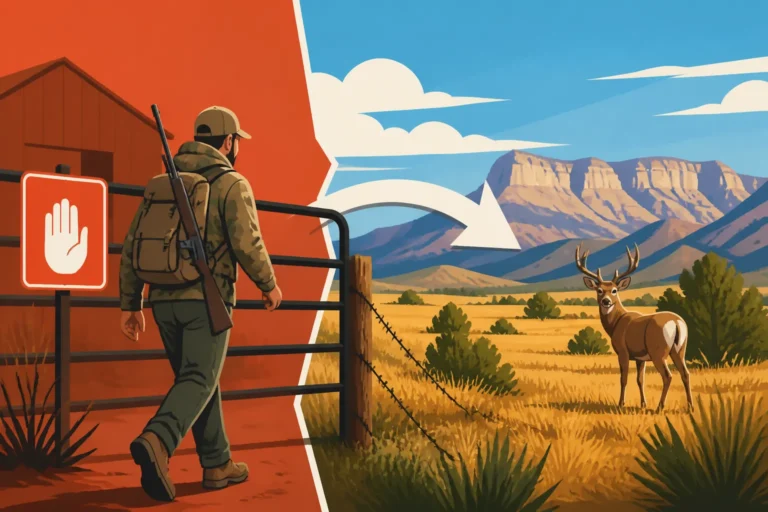
This cannot be stressed enough: if you intend to step foot on private land in New Mexico for any reason, including scouting, you absolutely must have written permission from the landowner. Verbal permission is often insufficient and can lead to misunderstandings. Even if you only need to cross a corner of private property to access public land, that still constitutes trespass without permission. The consequences of trespassing range from fines to confiscation of equipment, and in some cases, even jail time. It's a serious offense, and ignorance is rarely an acceptable excuse.
Landowners have a right to control who is on their property, and respecting that right is fundamental to hunter-landowner relations. A simple phone call or knock on the door, followed by a polite request for written permission, can go a long way. Some landowners may grant access, others may not, but the effort to secure permission is always worth it. Never assume access, even if others have told you "it's usually fine." Always get it in writing. This rule is non-negotiable, emphasizing that Written Permission Is Required to Cross Private New Mexico Ground.
Identifying Private Boundaries While Scouting
Accurately identifying land ownership boundaries is crucial, whether you're actively hunting or just scouting. This is where tools like onX Hunt become an absolute lifeline. With a clear land ownership layer on your phone or GPS device, you can see exactly where public land ends and private land begins. This precision is essential for avoiding accidental trespass.
Before you even leave home, use onX Hunt to study your unit. Identify potential access points, note any private parcels that might block your way to public ground, and mentally (or physically) map out routes that keep you on legal territory. When you're in the field, constantly reference your map. It’s far too easy to inadvertently cross a fence line or an unmarked boundary, especially in remote areas with varied terrain. Trust your map, and always know precisely where you stand. Understanding Reading a Land Ownership Layer Correctly is a critical skill for any New Mexico hunter.
Scouting Adjacent to Private Land
It's perfectly legal and often highly effective to scout public land that borders private property. Game animals don't recognize boundary lines, and often use private ground for sanctuary or feed, transitioning to public land. However, when doing so, ethical and legal considerations are paramount. You can legally glass into private land from public land, but you cannot physically enter private land without permission, nor can you shoot an animal on private land even if you are standing on public ground.
Always be mindful of your optics. While glassing from public land is allowed, setting up a tripod and spotting scope directly overlooking a private ranch house or buildings might be perceived as an invasion of privacy. Maintain a respectful distance and focus your scouting efforts on game and habitat, not on private residences. The goal is to avoid any appearance of impropriety and maintain positive relations with landowners, which ultimately benefits all hunters.
Practical Scouting Strategies Within Legal Limits
Scouting is more than just walking around; it's a strategic effort to gather information that increases your chances of success. By combining modern tools with tried-and-true field techniques, you can become a much more effective hunter.
Maximizing Your E-Scouting Efforts
Before you ever put boots on the ground, invest significant time in e-scouting. This digital reconnaissance can save you countless hours and miles. Start by studying topographical maps to understand elevation changes, drainages, and potential travel corridors. Use satellite imagery to identify different habitat types, open parks, dense timber, recent burn areas, and crucial water sources. GoHunt can provide historical harvest data, success rates, and draw odds for specific units, helping you refine your focus.
The beauty of e-scouting is that you can do it from anywhere, anytime. Mark potential glassing points, access roads, and areas of interest on your onX Hunt map. Look for pinch points, saddles, and benches that might funnel game. Identify bedding areas on north-facing slopes and feeding areas on south-facing ones. Create a detailed plan for your physical scouting trips, focusing your limited time in the field on validating your digital findings and exploring areas that look promising on the map. Scouting a Unit From Satellite Imagery is a game-changer for modern hunters.
Focus on Sign, Not Just Animals
While spotting animals during scouting is exciting and valuable, the real gold is in understanding their patterns and habits through their sign. Deer and elk leave a wealth of clues: tracks, droppings, rubs on trees, and scrapes. Look for fresh sign along trails, near water sources, and in bedding areas. Pay attention to how game moves through the terrain – do they use specific benches, follow certain ridges, or cross drainages at particular points?
Finding a fresh rub line or an active wallow can tell you more about an animal's presence and routine than a fleeting glimpse of an animal from a distance. The goal is to build a picture of how game uses the landscape, allowing you to predict their movements during the actual hunt. This is especially true for species like elk, where understanding Reading Fresh Elk Sign in Ponderosa Timber can mean the difference between finding a bull and coming home empty-handed.
Respecting the Resource and Other Users
As hunters, we are stewards of the land and wildlife. When scouting, always adhere to Leave No Trace principles. Pack out all trash, minimize your impact on vegetation, and avoid disturbing wildlife unnecessarily. Leave gates as you found them, stay on designated roads and trails, and avoid making new tracks or disturbing sensitive ecosystems.
Be courteous and respectful to other outdoor enthusiasts you encounter, whether they are hikers, mountain bikers, or other scouts. A positive interaction can go a long way in promoting a good image of hunters. Remember, we all share these precious public lands. Ensuring Water Sources and Ethics in Desert Hunting are respected, for example, is vital not just for hunters, but for all wildlife and recreationalists. By upholding high ethical standards while scouting, we contribute to the long-term health of both the environment and our hunting traditions.
New Mexico Public Land Scouting Rules Comparison
To help clarify the differences in scouting rules across New Mexico's varied public lands, here's a quick overview:
| Land Type | General Access for Scouting (Non-Hunting) | Specific Scouting Window? | Requirement for Hunting License? | Key Considerations |
|---|---|---|---|---|
| State Trust Land | Generally open for recreational use | Yes, 14 days prior to your specific hunt. | Required (acts as an easement) | Strictly adhere to the 14-day rule for hunting-related activities; no uncased weapons. |
| National Forests | Generally open year-round | No, usually open outside of specific closures. | Required for hunting/fishing | Be aware of seasonal road closures, fire restrictions, and camping rules. |
| BLM Land | Generally open year-round | No, usually open outside of specific closures. | Required for hunting/fishing | Similar to National Forests: check for closures, practice Leave No Trace. |
| Private Land | Not permitted without explicit written permission. | N/A | N/A (unless hunting with permission) | Always obtain written permission to cross or access; trespassing is illegal. |
Disclaimer
This article is for general informational purposes only and does not constitute professional advice. Laws, prices and regulations vary by location and change over time. Consult a qualified professional for guidance on your specific situation.