Cibola National Forest Access in New Mexico
Hunting in New Mexico can be an incredible experience, but navigating the vast and often fragmented public lands, like the Cibola National Forest, can feel like trying to solve a puzzle with half the pieces missing. Hunters often grapple with understanding where one section of the forest ends and private land begins, or how to even reach prime hunting grounds when road access changes seasonally. This comprehensive guide is designed to cut through that confusion, giving you a clear roadmap to accessing and successfully hunting the diverse landscapes of the Cibola National Forest.
Decoding the Cibola National Forest: A Patchwork of Opportunity
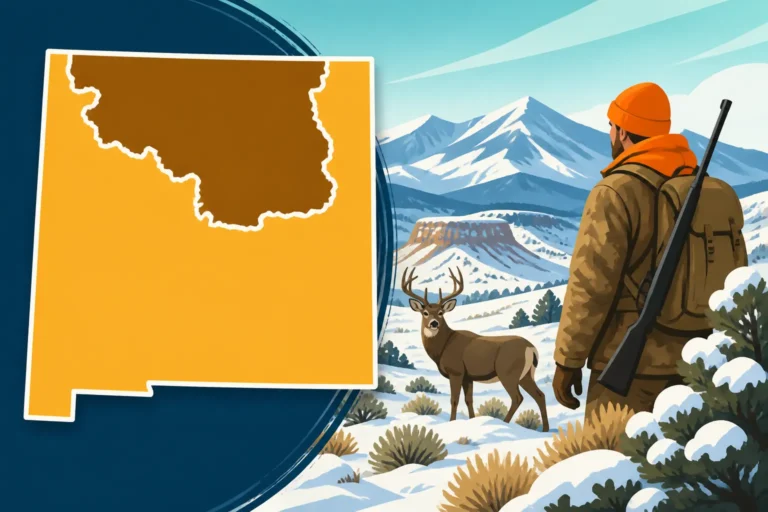
When you hear "National Forest," you might picture one massive, contiguous block of timber and mountains, like the Gila. The Cibola National Forest, however, is a different beast entirely. It's actually a collection of distinct mountain ranges and land units scattered across central and western New Mexico, and even into parts of Oklahoma and Texas. This dispersed nature is crucial for hunters to understand, as access strategies and the species you'll find can vary wildly from one ranger district to another. It's not a single entity you can drive across; it's more like a constellation of incredible hunting opportunities, each with its own character.
More Than Just One Forest: Understanding the Districts
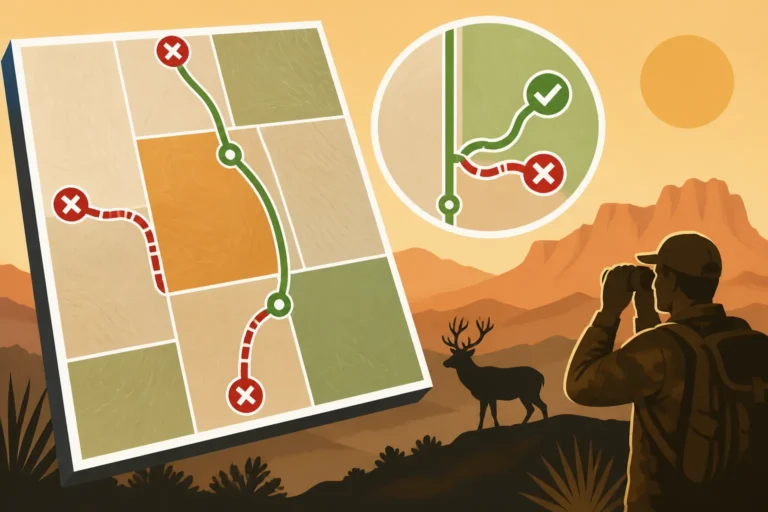
Because the Cibola National Forest is so spread out, it's administered by several ranger districts, each responsible for its unique segment of forest land. For a hunter, this means that the rules, the types of terrain, and even the predominant game species can shift significantly depending on which district you're focusing on. You might be hunting high-elevation ponderosa and aspen in one unit, and dry, rocky desert terrain with sparse juniper in another, all under the "Cibola" umbrella. This fragmentation, while initially confusing, actually offers a remarkable diversity of hunting experiences within a single forest system. Reading a New Mexico Unit Boundary Map becomes absolutely essential here, because knowing exactly where these distinct districts and their associated hunt units begin and end will dictate your entire planning process.
For example, the Magdalena Ranger District, west of Socorro, encompasses the Magdalena Mountains and San Mateo Mountains, offering classic elk and mule deer hunting in a mix of pine forests and desert foothills. Contrast that with the Sandia Ranger District, right outside Albuquerque, which includes the Sandia Mountains. While beautiful, much of it is heavily used by recreationists and has more restricted hunting opportunities due to its urban proximity. It's like having several mini-forests, each with its own personality and access challenges. Taking the time to familiarize yourself with these individual districts on a map, before you even consider applying for a tag, will save you a world of frustration and greatly improve your chances of finding huntable ground.
Diverse Landscapes, Diverse Hunting Challenges
The geographical spread of the Cibola National Forest translates directly into a fantastic range of habitats, which, in turn, dictates the type of hunting experience you'll have and the challenges you'll face. From the high, cool forests of the Zuni and Mount Taylor Mountains to the drier, lower-elevation pinon-juniper breaks and grasslands of the Mountainair district, the Cibola truly offers a cross-section of New Mexico's diverse ecosystems. This means your gear, tactics, and physical preparation will need to adapt as you move from one area to another. Hunting New Mexico From 4,000 Feet to 10,000 is not just a theoretical concept here; it's a practical reality across the Cibola.
Imagine the stark difference between stalking an elk in the timbered slopes of Mount Taylor, where elevation and thick cover are your primary concerns, versus trying to locate a mule deer in the more open, broken country of the Magdalena Mountains, where long-range glassing and water sources become paramount. Each landscape presents its own set of puzzles: navigating dense timber, reading wind in deep canyons, or managing heat in early season hunts. This ecological variety is what makes the Cibola so appealing to many hunters—it offers a chance to experience multiple types of Western hunting without leaving the state's public land system. However, it also demands a thorough understanding of each unit's specific characteristics and what kind of preparation is needed.
Navigating the Cibola's Major Ranger Districts
Understanding the individual ranger districts within the Cibola National Forest is the first real step to unlocking its hunting potential. Each district offers unique terrain, accessibility, and wildlife opportunities. Thinking of the Cibola as a singular entity for hunting purposes can be misleading; instead, consider it a collection of distinct hunting destinations. This table offers a quick overview of some of the primary hunting-focused districts and what you might expect.
| Ranger District | Primary Mountain Range(s) | General Location | Primary Game Species (Common) | Key Access Features |
|---|---|---|---|---|
| Mount Taylor | Mount Taylor, Zuni Mountains | West-Central New Mexico | Elk, Mule Deer, Bear | High elevation, timbered roads, some wilderness |
| Magdalena | Magdalena, San Mateo Mtns. | Southwest of Albuquerque | Elk, Mule Deer, Bear, Oryx | Mix of forest roads & rugged backcountry, desert fringes |
| Mountainair | Manzano Mtns. (southern) | Southeast of Albuquerque | Mule Deer, Bear, Turkey | Pinon-juniper, rolling hills, good road network |
| Sandia (East Side) | Sandia, Manzano Mtns. (north) | East of Albuquerque | Limited Deer, Bear, Turkey | Close to urban areas, higher recreational use |
Mount Taylor: High Elevation and Timber
The Mount Taylor Ranger District, encompassing the Mount Taylor and Zuni Mountains, is quintessential Western high-country hunting. You'll find expansive stands of ponderosa pine, mixed conifer, and aspen at higher elevations, providing excellent cover and forage for elk and mule deer. Access here often means navigating well-maintained forest roads, though many turn into dirt tracks as you get deeper into the backcountry. The challenges typically revolve around elevation, often exceeding 11,000 feet, which can take a toll on hunters not accustomed to the thin air. Altitude Preparation for a Gila Elk Hunt, while focused on the Gila, offers extremely relevant advice for anyone planning a high-country hunt in the Mount Taylor area.
During the archery and muzzleloader seasons, these high elevations can offer cooler temperatures, but don't be fooled—New Mexico weather can change on a dime, so Layering for Gila Temperature Swings is always a smart strategy. The timbered terrain here lends itself well to still-hunting and tracking, especially after a fresh rain when game sign is more visible. While road access is generally good for getting into the general vicinity, be prepared to get out and hike to find unpressured animals, particularly on weekend hunts. Scouting is vital to identify traditional travel corridors, bedding areas, and water sources before the season opener.
Magdalena: Desert to Mountain Transitions
Moving south and east, the Magdalena Ranger District is home to the rugged Magdalena and San Mateo Mountains. This district offers a striking transition from arid desert foothills, covered in creosote and grama grass, up into dense stands of pinon-juniper, and eventually into spruce-fir forests at the highest peaks. This ecological diversity means you could be glassing open country for antelope or oryx on the fringes one day, and deep in dark timber looking for elk the next. The San Mateo Mountains, in particular, hold some excellent elk country and require a commitment to physical exertion to reach their remote pockets.
Access in the Magdalena district is a mix. You'll find some improved gravel roads, but many turn quickly into rough, rocky tracks that demand high-clearance 4×4 vehicles. Expect washboard conditions and potential for mud after summer monsoons. The lower elevations can get incredibly hot during early seasons, making Water You Must Carry on a Desert Day Hunt a crucial consideration. Hunters often find success by focusing on water sources, particularly during dry spells, as game will be concentrated around them. This district also has some excellent opportunities for primitive weapons hunts due to its ruggedness, where packing in away from road systems can yield great rewards.
Mountainair: Pinon-Juniper and Plains
The Mountainair Ranger District, located southeast of Albuquerque, is characterized by its extensive pinon-juniper woodlands, rolling hills, and pockets of ponderosa pine. This area generally sits at a lower elevation than Mount Taylor or the higher San Mateo peaks, offering a different hunting experience. Mule deer are common here, as are bear and turkey. The terrain is often more open, making good optics and patient glassing vital tools. Access is typically via a network of forest roads, many of which are dirt and can become slick with rain, but generally less challenging than some of the more rugged mountain districts.
Hunters in the Mountainair district will find conditions that favor spot-and-stalk tactics in the more open pinon-juniper areas, or careful still-hunting through denser pockets. Finding Stock Tanks on a Unit Map can be particularly effective in this district, as water is often a limiting factor for game. While not known for massive elk herds like some of the larger mountain ranges, the Mountainair district can offer solid opportunities for deer, especially if you put in the time to scout and understand deer movement patterns within the less-dense forest. Given its proximity to more populated areas, you may encounter other recreational users, so understanding and respecting boundaries is key.
Manzano and Sandia: Closer to Urban Areas
While part of the larger Cibola National Forest, the Manzano and Sandia Ranger Districts, particularly the Sandia Mountains directly east of Albuquerque, present a unique set of challenges and opportunities. These areas are heavily utilized for recreation by the urban populations of Albuquerque and Santa Fe, which means hunting opportunities can be more limited or highly regulated. Many trails are reserved for hikers, bikers, and equestrians, and some areas may have specific no-discharge zones or reduced hunting seasons. It’s absolutely critical to consult the current New Mexico Game and Fish regulations and Forest Service rules for these specific units before planning a hunt.
Despite the recreational pressure, the Manzano Mountains, especially south of I-40, still offer some huntable ground for mule deer, bear, and turkey in designated areas. Access generally involves well-maintained roads and a dense network of trails, but hunters must be extra vigilant about identifying property lines and ensuring they are on legal hunting ground. Tree Stand Rules That Apply on Public Land are important to understand here, as stand placement near trails or private property is often restricted. Due to the proximity to population centers, scouting on a map, perhaps using tools like onX Hunt, is vital to avoid encroaching on private land or popular recreational zones. These districts require meticulous planning and a deep understanding of local ordinances beyond just the general state hunting regulations.
Getting Around: Roads, Trails, and Designated Access
Accessing the Cibola National Forest is rarely a one-size-fits-all situation. Due to its fragmented nature and diverse terrain, how you get into your hunting area will depend heavily on the specific ranger district and unit you're targeting. Whether you're driving a truck, riding an ATV, or lacing up your boots for a deep-country hike, understanding the rules and realities of ingress and egress is paramount for a successful hunt.
Motorized Access and Seasonal Gates
Most units within the Cibola National Forest have a network of forest roads, ranging from well-maintained gravel to primitive two-track trails. These roads are your primary means of accessing larger areas and getting closer to your hunting grounds. However, they come with a few caveats. Many roads, particularly those leading into higher elevations or more sensitive habitats, are subject to Seasonal Road Closures Across New Mexico. These closures are often implemented to protect road integrity during wet conditions, prevent resource damage, or to provide wildlife security during critical times of the year, like winter. Always check the specific ranger district's website for current road conditions and closure orders before heading out.
Furthermore, Motorized Travel Rules on New Mexico Public Land apply universally. This means staying on designated roads and trails. Driving off-road to retrieve game, cut corners, or reach a "secret spot" is illegal and can result in hefty fines and resource damage. This is where tools like onX Hunt become invaluable. You can download maps and clearly see the designated road network, helping you avoid accidental trespass or violations. Some areas may have gates that are open during specific hunting seasons but closed otherwise. It's crucial not to tamper with these gates and to understand their purpose. Often, these closures are designed to provide quality hunting experiences by limiting vehicle traffic in prime areas, pushing hunters to use leg power.
Backcountry Foot Traffic and Wilderness Areas
For those willing to put in the effort, accessing the Cibola's wilderness areas and deeper backcountry on foot or horseback often yields the most rewarding hunting experiences. Several units within the Cibola contain designated wilderness areas, such as sections of the Manzano Mountains and the San Mateo Mountains, where motorized travel is strictly prohibited. These are incredible places to escape pressure and find older, undisturbed animals. However, they demand a higher level of physical fitness, navigation skills, and self-sufficiency. Packing an Elk Out of the Gila Alone, while a daunting task, applies to deep backcountry hauls in the Cibola as well.
When venturing into these roadless areas, map and compass skills, or a reliable GPS unit with pre-loaded maps, are non-negotiable. Being able to read the terrain, identify drainages, and follow ridge lines becomes critical. GoHunt's mapping features or onX Hunt can be fantastic resources for planning these routes, identifying potential campsites, and marking water sources. Remember, what you pack in, you must pack out – including all trash and, especially, game meat and bones. The remoteness of these areas means you're largely on your own, so preparation for everything from emergency medical situations to unexpected weather changes is paramount.
Essential Rules and Planning for Your Cibola Hunt
A successful hunt in the Cibola National Forest isn't just about finding game; it's equally about understanding and adhering to the rules and being thoroughly prepared. New Mexico's regulations, combined with specific Forest Service policies, create a framework that every hunter must navigate. Ignoring these can quickly turn a dream hunt into a frustrating, or even illegal, experience.
Understanding Forest Service and State Regulations
Hunting in the Cibola National Forest requires you to be familiar with two sets of regulations: those from the New Mexico Department of Game and Fish (NMDGF) and those from the U.S. Forest Service. The NMDGF regulations cover things like seasons, bag limits, weapon restrictions, licensing, and tagging requirements. This is where you'll find the specific New Mexico Elk Season Dates by Unit or New Mexico Muzzleloader Deer Season Windows for the units that fall within the Cibola. Always have the most current NMDGF hunting proclamation with you, either physically or digitally.
The Forest Service, on the other hand, governs land use, access, camping, fire restrictions, and motorized vehicle use. They are the ones who implement Fire Restrictions During Hunting Season, especially critical during dry periods when wildfires are a threat. They also dictate where you can camp, how long you can stay, and any specific rules for wilderness areas or sensitive habitats. It’s not enough to just know the hunting dates; you need to understand the practical rules of using the land itself. Often, these local rules are posted at trailheads or ranger stations, but checking the relevant ranger district's website beforehand is always the best approach. Disregarding Forest Service rules, even if you're legally hunting, can lead to fines and potentially jeopardize future access.
Leveraging Modern Mapping and Scouting Tools
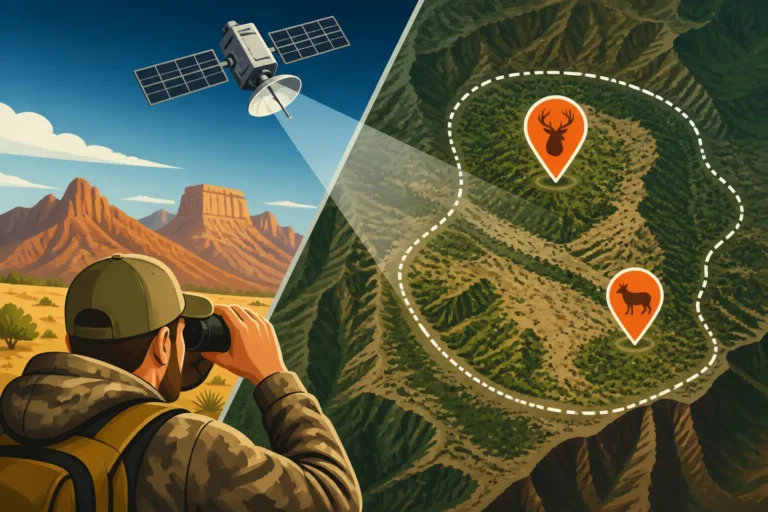
In today's hunting world, digital mapping tools have become indispensable, especially for navigating complex landscapes like the Cibola. Platforms like onX Hunt and GoHunt provide layers that show land ownership (public vs. private), forest service roads, wilderness boundaries, and even historical satellite imagery, all crucial for effective scouting and in-the-field navigation. E-Scouting a New Mexico Unit Before the Season is a game-changer, allowing you to identify potential access points, glassing knobs, water sources, and bedding areas long before you ever set foot in the unit.
With onX Hunt, for example, you can download maps for offline use, which is critical since cell service is often nonexistent in vast stretches of the Cibola. You can mark waypoints for camp, water, or fresh sign, track your movements, and ensure you stay on public land and within unit boundaries. GoHunt often provides detailed unit analyses and draw odds, helping you choose the right unit and hunt code for your application. Using these tools to overlay hunt unit boundaries with land ownership layers can save you from accidental trespass and help you identify prime hunting areas that might be overlooked by others. Always have a backup, like a paper map and compass, but leveraging technology will significantly enhance your planning and execution.
Species and Strategies: What to Hunt in the Cibola
The Cibola National Forest, with its varied terrain and extensive public land, offers a remarkable array of big game and small game hunting opportunities. From elusive elk in high timber to mule deer in the pinon-juniper, and even a chance at oryx in some fringe areas, understanding where and how to pursue these species is key to a successful hunt.
Elk, Deer, and Bear Opportunities
Elk hunting in the Cibola is predominantly focused on the more mountainous ranger districts like Mount Taylor and Magdalena. These areas contain the habitat—food, water, and cover—that elk need to thrive. Early archery seasons typically find elk higher up, often in or near timberline and aspen groves. As seasons progress into muzzleloader and rifle hunts, elk might move to lower elevations, following food sources or seeking thicker cover during colder weather. The key to elk hunting in these areas is often covering ground, whether still-hunting through timber or glassing vast canyons. Bugling Bulls Through New Mexico's Mid-September Rut can be an effective tactic in the right areas of the Cibola during archery season, especially when you find pockets of less pressured animals.
Mule deer are much more widespread across the Cibola, adapting to everything from the high country timber to the more arid pinon-juniper breaks and grasslands. The Mountainair district, with its rolling hills and dense shrubs, can be particularly good for deer. Success often comes down to patient glassing, especially at dawn and dusk, and then executing a careful stalk. Mule Deer Across New Mexico's High Country and Desert describes the broad range of habitats these animals use, and the Cibola exemplifies this diversity. Bear hunting opportunities are also present across most of the Cibola's forested units, typically coinciding with deer and elk seasons. Bear populations are healthy, but they can be incredibly elusive, often requiring a deep understanding of their movements around food sources like acorns or berries.
Small Game and Predator Pursuits
Beyond the big game, the Cibola National Forest also holds excellent opportunities for small game and predator hunting, often providing a fun way to extend your time afield or fill the freezer. Turkey hunting can be fantastic in areas with a good mix of ponderosa, oak brush, and water, particularly in the spring. Both Merriam's and Rio Grande subspecies can be found, depending on the specific elevation and habitat. Quail, including Gambel's and Scaled quail, thrive in the drier, brushier parts of the lower-elevation districts, offering fast-paced action. Finding water sources will be key to locating quail coveys.
Predator hunting, primarily for coyotes, is open year-round in many parts of the Cibola. This can be a rewarding pursuit and a great way to hone your calling skills. Utilizing electronic calls can be highly effective for coyotes in the more open landscapes. Always check the current NMDGF regulations for specific rules on Electronic Calls for Predators and Varmint Hunting. Moreover, a general New Mexico hunting license typically allows for pursuit of small game and predators, making these accessible options for any hunter exploring the Cibola. These hunts often teach you valuable lessons about tracking, stealth, and reading terrain, which are directly transferable to big game pursuits.
Disclaimer
This article is for general informational purposes only and does not constitute professional advice. Laws, prices and regulations vary by location and change over time. Consult a qualified professional for guidance on your specific situation.