Can You Drive Off Road to Retrieve Game?
There’s nothing quite like the rush of finally closing the distance, making a clean shot, and knowing you’ve got an animal down. But that exhilaration can quickly turn to a gut-wrenching dread when you look at the terrain and realize your hard-won game is lying in a spot that seems impossible to reach. Many hunters, especially those new to the vast public lands of New Mexico, might instinctively wonder if they can just drive their truck or ATV off-road for a quick retrieval. This guide will walk you through the very real regulations and ethical considerations surrounding off-road game retrieval in New Mexico, ensuring you stay legal and respect the land we all cherish.
The Strict Rules on Off-Road Travel for Game Retrieval
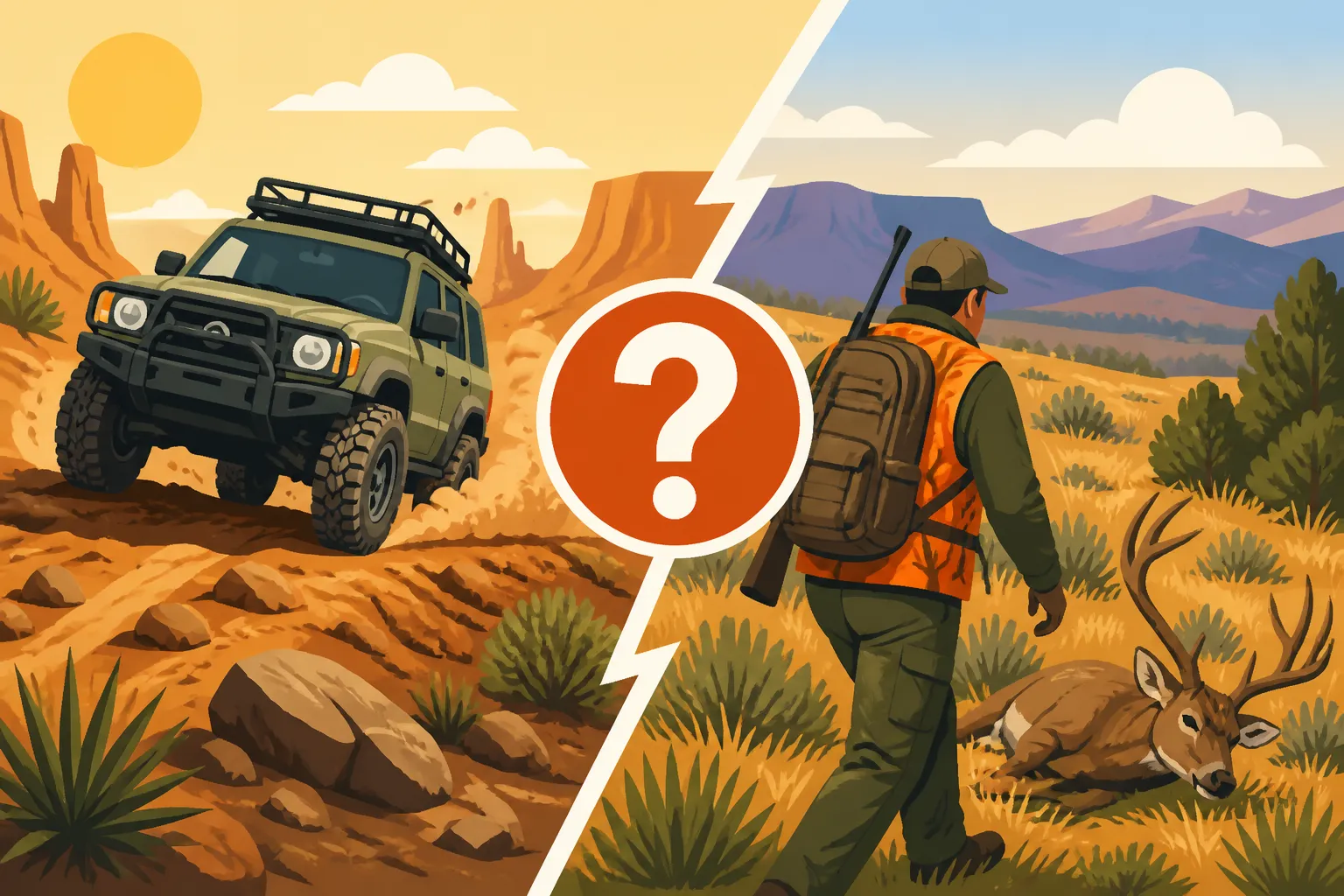
Let's be blunt: the short answer to "Can you just drive off-road to retrieve game?" is almost universally no. It’s a common misconception, a hope born of fatigue and heavy loads, but New Mexico, like most western states, has very clear and often stringent rules against operating motor vehicles off designated roads and trails. These rules aren't just arbitrary roadblocks; they're in place to protect fragile ecosystems, prevent erosion, and maintain the wild character of our public lands for everyone. The burden is always on the hunter to know these regulations before the shot is fired.
Federal Lands: BLM and National Forests
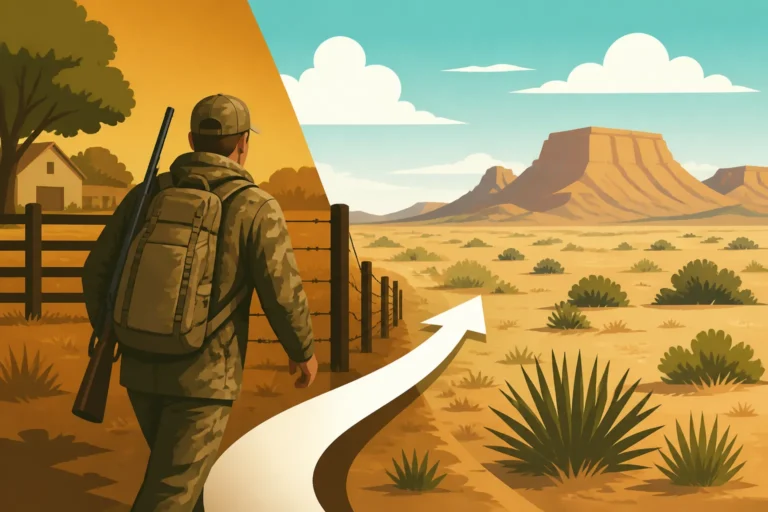
A huge chunk of New Mexico’s hunting opportunities lies within federal lands, primarily managed by the Bureau of Land Management (BLM) and the U.S. Forest Service (USFS). These agencies operate under strict travel management plans that dictate precisely where you can and cannot drive. On these lands, you are generally restricted to roads and trails explicitly designated for motor vehicle use. Thinking you can just take a shortcut across a meadow or down a wash to get to your animal is a surefire way to find yourself in hot water.
The reasoning here is multifaceted. First, off-road driving causes soil compaction and erosion, especially in our arid environment where vegetation is sparse. It can damage delicate plant life, disrupt wildlife habitat, and scar the landscape in ways that take decades to heal. Second, it creates unauthorized routes, which can confuse other users and lead to further habitat degradation. Finally, it's about fairness and management. If everyone drove wherever they pleased, these wild places wouldn't stay wild for long. These rules are non-negotiable, and penalties for violations can be steep, ranging from hefty fines to impoundment of your vehicle. It’s a serious issue, and frankly, one that gives responsible hunters a bad name. Remember, what's often allowed is Motorized Travel Rules on New Mexico Public Land, but that doesn't extend to driving cross-country just because you're retrieving game.
New Mexico State Trust Land and Private Property
New Mexico State Trust Land, while accessible for hunting with a valid hunting license that acts as an easement, also operates under similar restrictions regarding off-road vehicle use. Just like federal lands, you must stick to established roads and trails. There's no special carve-out for game retrieval. These lands are managed to generate revenue for specific beneficiaries, and protecting their resources from damage is paramount.
When it comes to private land, the rules shift but don't necessarily become more lenient. On private property, your access is entirely at the discretion of the landowner. Even if you have permission to hunt, that permission rarely extends to driving off-road, especially if it means damaging fences, fields, or natural terrain. You absolutely need explicit, written permission for any travel off designated routes on private land. Without it, you’re not just violating a rule; you’re trespassing, which carries its own serious consequences. The idea of Crossing Private Ground to Reach New Mexico Public Land is one thing, but driving off-road on it for retrieval is another entirely. Always confirm the exact boundaries and permitted travel routes with the landowner well in advance.
Understanding Designated Routes and Maps
The key to avoiding trouble and knowing where you can and cannot drive is understanding how to read and interpret land use maps. This isn't just about general knowledge; it's about specific, detailed planning that can save you a lot of grief and legal headaches.
Interpreting Motor Vehicle Use Maps (MVUMs)
For federal lands, your bible for legal motorized travel is the Motor Vehicle Use Map, or MVUM. These maps, issued by the U.S. Forest Service and BLM, clearly delineate roads, trails, and areas where motorized vehicles are permitted. They show what's open, what's restricted to certain vehicle types (like ATVs), and what's permanently closed. If a route isn't explicitly marked as open for your vehicle type, assume it's closed. It’s that simple.
MVUMs are typically available for free at Forest Service or BLM offices, and many agencies also provide digital versions for download. They are considered the authoritative source for travel restrictions, and ignorance of them is not a valid defense if you're caught driving illegally. These maps are updated periodically, so always make sure you have the most current version for the specific unit you're hunting. You can't just rely on what a road looks like; you have to rely on what the MVUM says.
Digital Mapping Tools for Clarity
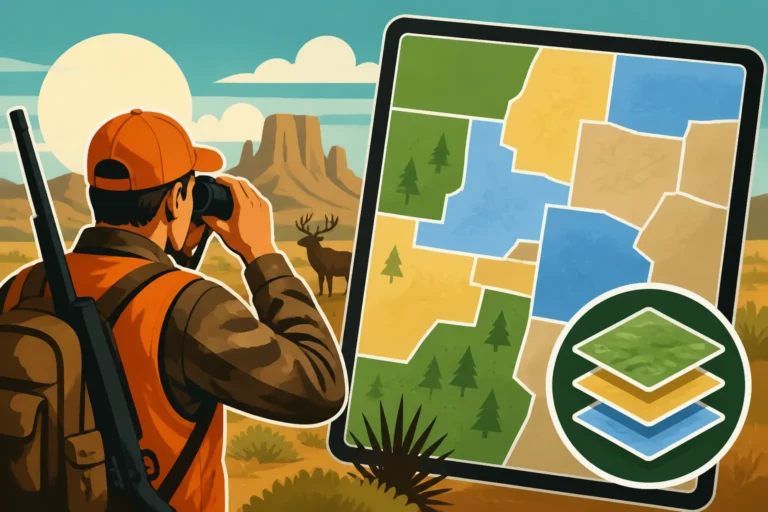
In this modern age, we have incredible tools at our fingertips that can make navigating public lands much simpler and prevent accidental trespass or off-road violations. Apps like onX Hunt and GoHunt have revolutionized how hunters scout and navigate. These digital platforms overlay land ownership boundaries with detailed topographic maps and, crucially, often include the very MVUM data we just discussed.
With onX Hunt, for example, you can see not only public and private land boundaries but also designated roads and trails, often color-coded to indicate their status. This allows you to plan your approach to potential hunting areas, and more importantly, visualize how you might retrieve an animal without breaking the law. Before you even set foot in the field, you can identify legal access points, parking areas, and designated routes. Using onX Layers for New Mexico Public Land can show you how invaluable this technology is. It’s much easier to stick to the rules when you can clearly see them on your phone screen in real-time. Similarly, resources like GoHunt often compile access information, drawing statistics, and general unit details that help you make informed decisions about where to hunt and how to plan for every eventuality, including game retrieval. These tools are incredibly powerful for understanding Reading a Land Ownership Layer Correctly and planning your hunt legally.
The Reality of Retrieval and Ethical Considerations
Given the strict rules, the reality for most hunters is that retrieving game from off-road areas in New Mexico means relying on good old-fashioned human power. This isn't always easy, but it's part of the challenge and responsibility of ethical hunting in wild places.
The "Pack It Out" Mentality
When an animal goes down far from a designated road, your primary method of retrieval will be packing it out. This means quartering the animal in the field and making multiple trips, if necessary, to get the meat and hide back to your vehicle. It’s physically demanding, especially with a large animal like an elk, or in rugged New Mexico terrain, which can range from high desert mesas to dense mountain timber.
Preparing for this reality is crucial. You need to be in good physical shape, carry the right equipment (a sturdy pack frame, sharp knives, game bags), and have a plan for how you’ll handle a large animal in the field. This includes knowing how to properly quarter and debone an animal efficiently to cool the meat quickly, especially during warmer early seasons. Many hunters underestimate the effort involved in Packing an Elk Out of the Gila Alone, but it's often the only legal and ethical option. Having a reliable hunting partner or two can make this task significantly more manageable, sharing the load and the effort.
When Exceptions Might Exist (And How Rare They Are)
While the general rule is no off-road driving, there might be incredibly rare and specific instances where a game warden or land management official could grant an exception. This is not something to ever count on or assume. These exceptions are typically reserved for extreme, unforeseen circumstances where there is absolutely no other way to retrieve an animal without significant spoilage or extreme danger, and only with direct, explicit permission.
For example, if an animal falls into an incredibly deep, impassable canyon with no trails, and there's a risk of losing the meat entirely, a game warden might (and this is a very big might) assist or provide specific guidance. However, this is not a common occurrence, and it's certainly not an excuse to drive off-road without permission. You cannot call a game warden after you’ve driven off-road and expect to be excused. The expectation is that you plan for the possibility of a difficult retrieve and adhere to regulations. Don't put yourself in a position where you're hoping for an exception; plan to follow the rules. Violating Penalties for Breaking New Mexico Travel Rules is not something you want to experience.
Protecting the Resource and Your Reputation
Every time someone drives off a designated road, it leaves a mark. Those tire tracks can persist for years in the delicate desert environment, creating unsightly scars and potentially leading to deeper erosion channels with each rain. This damage detracts from the wild beauty of the landscape and can have long-term negative impacts on wildlife habitat.
As hunters, we are stewards of the land and wildlife. Our actions reflect not just on ourselves, but on the entire hunting community. By adhering to travel management rules, even when it means a grueling pack out, we demonstrate respect for the resource, for non-hunting recreationists, and for the regulations designed to preserve these opportunities for future generations. Ignoring these rules damages not only the land but also the reputation of hunting itself, giving ammunition to those who seek to limit our access and privileges.
Planning for Successful Game Retrieval
The best way to handle game retrieval legally and ethically is to plan for it extensively before you even head out on your hunt. A little foresight can prevent a lot of headache and hard labor, or at least prepare you for it.
Pre-Scouting for Access Points and Terrain
Before you ever put boots on the ground, or certainly before opening day, spend significant time scouting your unit. This isn't just about finding game; it's about understanding the terrain and, crucially, the road and trail networks. Identify all legal vehicle access points, designated parking areas, and trails that could potentially lead you closer to where you expect to find game.
Use your digital mapping tools like onX Hunt, coupled with official MVUMs, to pinpoint these routes. Look for pinch points, saddles, or benches that funnel game, and then figure out the closest legal road access to those areas. It's often helpful to mark potential retrieval routes on your map. This proactive approach allows you to anticipate where you might need to begin a pack out, and mentally prepare for the effort involved. Don't forget that Seasonal Road Closures Across New Mexico can impact your access, especially in higher elevations or during wet conditions, so check those current conditions. This pre-planning also aligns perfectly with strategies for Scouting New Mexico State Trust Land Fourteen Days Out, allowing you to verify road conditions and access points in person.
Essential Gear for Hauling and Packing
Proper gear is your best friend when faced with a long pack out. Don't skimp here. A sturdy, comfortable pack frame is paramount. Look for one designed to carry heavy, awkward loads like game meat. Internal frame packs can work for smaller animals or boned-out meat, but external frames generally excel for larger quarters.
Invest in good quality game bags. These breathable bags protect the meat from flies, dirt, and debris while allowing it to cool. Have sharp knives, a bone saw (or a reciprocating saw if you're taking a vehicle into a legal area), and a sharpening stone. Consider a small, lightweight tarp or ground sheet to keep meat clean while quartering. For those who anticipate a retrieve near a legal vehicle access point but still need to cover some distance, a robust game cart can be an absolute lifesaver. It won't work in truly rugged or steep terrain, but on flatter, brushy ground or old two-track roads, it can save your back significantly. Don’t forget to consider how you’ll manage the meat once it's off the animal, especially in warmer weather. Getting Meat Cooled on an Early Season Hunt is a critical step for preserving your harvest.
Communication and Contingency Plans
Never hunt alone without a solid communication and contingency plan, especially in remote New Mexico country. If you're with a partner or group, discuss beforehand how you'll handle a downed animal in a difficult location. Who carries what? What’s the plan for quartering? How will you transport it back to the vehicle?
If you're hunting solo, make sure someone knows your general hunting area and your expected return time. Carry a satellite communication device like a Garmin inReach or a Zoleo. Cell service is notoriously spotty in much of New Mexico’s hunting country. These devices are not just for emergencies, but also for checking in and letting others know your progress during a retrieval. Know your limits and be realistic about what you can accomplish alone. Sometimes, a successful hunt means calling for help from a friend, even if it’s just for an extra set of hands on the pack out. It's far better to be safe, legal, and successful than to push yourself into a dangerous or illegal situation out of pride or poor planning. Always be aware of your surroundings, and don't forget essentials like Water You Must Carry on a Desert Day Hunt – dehydration can quickly turn a tough situation into an emergency. Knowing how to read a Reading a Forest Service Road Map is also crucial for navigation and planning your exit.
Disclaimer
This article is for general informational purposes only and does not constitute professional advice. Laws, prices and regulations vary by location and change over time. Consult a qualified professional for guidance on your specific situation.