New Mexico Turkey Hunting Units
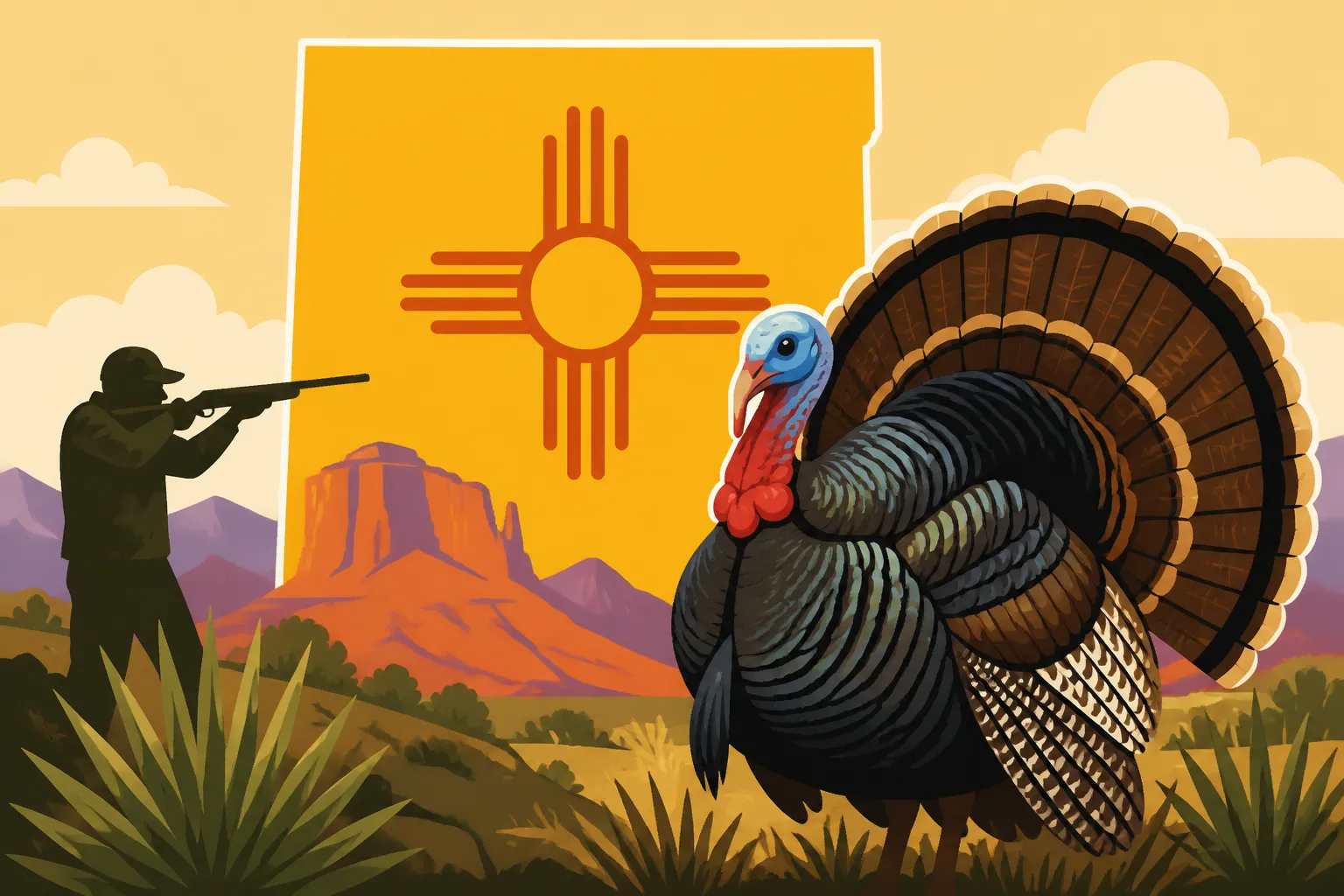
It can feel overwhelming, trying to pinpoint the best spots to chase gobblers in New Mexico. With such incredibly diverse landscapes, from high mountain timber to sprawling river bottoms, knowing which units even hold turkeys, let alone which ones offer a truly quality hunt, can be a real head-scratcher. This guide aims to clear up that confusion, offering a breakdown of New Mexico's prime turkey hunting units and how to choose the right one for your adventure.
Understanding New Mexico's Diverse Turkey Regions
New Mexico is unique in that it offers opportunities for three distinct subspecies of wild turkey: the Merriam's, the Rio Grande, and, for a very lucky few, the elusive Gould's. Each subspecies prefers a specific type of habitat, which naturally dictates where you'll find them and how you'll need to approach your hunt. Getting a handle on these preferences is the first step in narrowing down your unit choices.
Merriam's Turkey: High-Country Timber Birds
When most folks think of New Mexico turkey hunting, they're picturing the majestic Merriam's. These are truly birds of the high country, thriving in the expansive ponderosa pine forests, mixed conifer stands, and even pockets of aspen and oak brush found at higher elevations. You'll often find them bugging out in open parks within the timber, or roosting in tall pines along canyon rims. They really utilize the mountainous terrain, often traveling significant distances across ridges and down into draws.
Hunting Merriam's can be physically demanding. You'll be covering a lot of ground, often at elevation, and navigating steep, broken country. The reward, however, is a bird whose gobble echoes through the canyons, a sound that just can't be beat. Their coloration is typically lighter than other subspecies, with buff-colored tail tips and rump feathers that stand out against the dark timber. These birds are often pressured, especially near easily accessible areas, so understanding how they use the terrain to avoid hunters is key.
Rio Grande Turkey: River Bottoms and Eastern Plains
On the complete opposite end of the spectrum, we have the Rio Grande turkey. As their name suggests, these birds are strongly associated with riparian corridors – the lush, green strips of cottonwoods, willows, and mesquite that line New Mexico's rivers and drainages. You'll also find them extending into the eastern plains, using creek bottoms, agricultural fields, and even scattered juniper and hackberry draws for cover and food.
Rio Grandes tend to be a bit more social and can often be found in larger flocks than Merriam's. Their calls are often a bit rougher, and they can be incredibly vocal, especially during the spring breeding season. Hunting Rio Grandes often involves less vertical climbing, but requires a keen eye for subtle terrain features, understanding water sources, and playing the wind in more open country. They have a darker, more iridescent body plumage than Merriam's, with chestnut brown tail tips. These birds can be very challenging in areas where they're used to human activity, requiring patient observation and stealth.
Gould's Turkey: The Elusive Southern Species
Now, the Gould's turkey is a different beast entirely. These are the largest of the wild turkey subspecies and are native to the mountains of Arizona, New Mexico, and northern Mexico. In New Mexico, their range is extremely limited, primarily to some very specific, rugged mountain ranges in the extreme southwestern part of the state, often referred to as the "Bootheel." Accessing these areas is tough, and the populations are small.
Opportunities to hunt Gould's in New Mexico are exceedingly rare, typically managed through special permits or conservation tags, often for fundraising purposes. They have a distinct copper-colored band of iridescent feathers on their lower back and rump, and their tail tips are a crisp white. If you're dreaming of a Gould's, be prepared for a long journey, potentially a significant financial investment, and very slim odds of drawing a tag. For most hunters, a New Mexico turkey hunt will focus on Merriam's or Rio Grandes.
Key New Mexico Units for Turkey Hunting
Knowing the types of turkeys helps, but now you need to put it on a map. New Mexico's Game and Fish Department divides the state into numerous game management units (GMUs). While turkeys can be found in many of these, some units consistently stand out for their populations and habitat quality.
Northern Mountain Ranges: Merriam's Strongholds
When it comes to Merriam's turkeys, the northern mountain ranges of New Mexico are without a doubt the premier destination. These areas boast vast tracts of national forest land, providing the ideal habitat and public access that Merriam's birds need to thrive.
Units like 4, 5A, 5B, 6A, 6B, and parts of 7, 9, and 10 (especially the more timbered sections) are legendary. These units encompass significant portions of the Carson National Forest and the Santa Fe National Forest. You're looking at elevation changes, thick stands of ponderosa, Ponderosa pine, and mixed conifer, interspersed with aspen groves and open meadows that turkeys love to frequent. Access can range from easily drivable forest roads to serious backcountry hikes, especially in wilderness-adjacent areas. Hunters here often focus on ridges and saddles early in the morning, listening for those first gobblers, then working drainages and benches where birds feed throughout the day. The sheer amount of public land in these units means you can often find unpressured birds if you're willing to put in the legwork. Understanding Merriam's Turkey Through New Mexico Timber can give you a real edge here.
Central and Eastern Units: Rio Grande Country
For Rio Grande turkeys, your gaze should turn towards the central and eastern portions of the state, particularly those units associated with major river systems. These areas offer a stark contrast to the mountainous terrain of the north.
Units like 28 (along the Pecos River), 30, 37, 42, 45, 47, and 48 are often your best bets. These units include areas around the Pecos River, the Canadian River, and the middle and lower Rio Grande corridors. Here, you'll find a mosaic of habitat: dense cottonwood galleries along the rivers, mesquite and juniper thickets in the draws, and sometimes adjacent agricultural fields where turkeys will feed. Hunting strategies differ, often involving walking river bottoms, setting up near known roosts or feeding areas, and using calls to draw birds out of dense cover. Public access can be more fragmented in these areas, often a mix of state trust land, BLM patches, and private property, so knowing your boundaries is absolutely critical. Rio Grande Turkey on New Mexico's Plains offers more insight into these birds and their habits.
Southern Units: Where Giants Roam (and Gould's Might Be)
Even the southern part of New Mexico offers some fantastic turkey hunting, particularly for Merriam's in its higher elevations, and the potential, however remote, for Gould's.
The Sacramento Mountains, specifically Unit 34, is a prime example of a southern Merriam's hotspot. This unit, with its vast national forest lands, offers excellent hunting for Merriam's, often with fewer hunters than some of the more popular northern units. The terrain is classic mountain turkey country, with ponderosa forests, steep canyons, and mixed-conifer slopes. Further west, in the extreme southwestern "Bootheel" area, a few incredibly limited opportunities for Gould's turkeys exist in units like 26 and 27. These are extremely rugged, remote mountains, and as mentioned, Gould's tags are exceptionally hard to come by, often through specific draw opportunities. However, the Merriam's hunting in units like 34, and parts of the Gila National Forest (Units 15, 16, 17) can be truly outstanding, offering a wilder, more remote experience.
Here's a quick reference table to help visualize the main differences:
| Turkey Species | Primary Habitat | Representative Units | General Terrain | Hunting Challenges |
|---|---|---|---|---|
| Merriam's | Ponderosa, mixed conifer, aspen groves, open parks | 4, 5A, 6A, 15, 16, 34 | Mountainous, timbered, steep canyons | Physical exertion, pressured birds, large areas to cover |
| Rio Grande | Riparian corridors (cottonwoods, willows), mesquite, agricultural edges | 28, 30, 42, 47, 48 | River bottoms, plains, canyons, mixed public/private | Fragmented access, wary birds in open country |
| Gould's | Oak woodlands, desert canyons, high elevation islands | Extreme SW Units (26, 27) | Remote, rugged mountains, limited water | Extreme rarity, tough access, special permits |
Deciphering Regulations and Strategic Unit Selection
Now that you have an idea of where the turkeys live, the next step is to understand how to legally hunt them and how to pick the unit that's right for you. It's not just about finding birds; it's about making a smart, informed decision.
Understanding Season Dates and Licensing
Before you even think about units, you need to be aware of New Mexico's turkey season dates. The state typically offers both a spring and a fall season, though the spring season is by far the most popular for gobbling activity. New Mexico Turkey Season Dates will give you the specific window. You'll need a current New Mexico Game Hunting License, plus a turkey tag (or tags, if allowed and you've purchased them). Always double-check the current year's proclamation for any changes to dates, bag limits, or special unit regulations. Some areas might have specific limitations or even require drawing for a limited number of tags, although most general turkey hunts are over-the-counter.
Make sure you understand the rules around methods of take, legal shooting hours, and any blaze orange requirements, which might differ between spring and fall seasons. For instance, sometimes blaze orange isn't required during archery-only spring turkey hunts but might be during fall general seasons.
Researching Unit Boundaries and Public Land Access
One of the biggest frustrations for hunters is showing up only to find that prime-looking ground is private, or that the unit boundary cuts right through a promising area. This is where diligent research pays off. Using a mapping application like GoHunt, or simply downloading and studying the official New Mexico Game and Fish maps, is non-negotiable. You need to understand Reading a Game Management Unit Boundary thoroughly.
For Merriam's, you'll be focusing heavily on national forest land, which generally offers good public access. However, even within national forests, there can be private inholdings, or designated wilderness areas with specific access rules. For Rio Grandes, especially in the eastern plains, you'll often encounter a patchwork of private land, state trust land, and BLM ground. While a New Mexico hunting license grants you an easement for access on A New Mexico License Is Your State Trust Land Easement, it's crucial to identify these parcels beforehand. Pay close attention to roads, trailheads, and any potential landlocked public parcels.
Analyzing Harvest Data and Draw Odds
While most turkey tags in New Mexico are available over-the-counter, some special hunts or areas might have limited draws. Even for over-the-counter opportunities, looking at historical harvest data can give you a realistic expectation of success rates in a given unit. This data, often found on the New Mexico Department of Game and Fish website, can show you how many birds were harvested, and sometimes even the hunter success rate.
Using tools like GoHunt can help streamline the process of reviewing unit information and understanding population trends. While there aren't typically "draw odds" for general turkey tags, understanding past harvest numbers can help you pick a unit that has consistently produced birds, indicating a healthy population and good habitat. It's a key part of E-Scouting a New Mexico Unit Before the Season, allowing you to make data-driven decisions rather than just picking a unit blindly.
Scouting and In-Field Tactics for New Mexico Turkeys
Once you've zeroed in on a few potential units, the real work begins: preparing for the hunt itself. Even with the best unit choice, success often boils down to preparation and smart tactics in the field.
Pre-Season E-Scouting and Boots-on-the-Ground Recon
Before you even step foot in the field, get intimately familiar with your chosen unit through e-scouting. High-quality satellite imagery, available through platforms like GoHunt, is your best friend. Look for:
- Roosting Areas: Identify tall, mature trees (often pines or cottonwoods) along ridges, canyon rims, or river bends. These are prime evening roost sites.
- Water Sources: Turkeys need water daily. Find stock tanks, springs, perennial streams, or even ephemeral seeps. Turkeys will often travel to these spots, especially in drier desert units.
- Food Sources: Look for oak thickets (acorns!), open meadows with grasses and forbs, agricultural fields, or areas with berry-producing shrubs.
- Travel Corridors: Identify saddles, benches, old logging roads, or game trails that connect these key areas.
If at all possible, a boots-on-the-ground scouting trip a few weeks before the season can be invaluable. This allows you to verify what you saw on the map, listen for gobbling activity, and look for fresh sign like tracks, droppings, and dusting bowls. Pay attention to how birds are using the specific terrain and how they react to pressure.
Calling Strategies for Diverse Terrains
Turkey calling is an art form, and the best approach can vary greatly depending on the subspecies and terrain.
- Merriam's in Timber: In the mountains, loud, clear calls that can cut through the timber are often effective. Locator calls like owl hoots and crow calls can help pinpoint roosted birds at dawn. Once a bird is located, a mix of yelps, clucks, and purrs, mimicking a hen, can draw him in. Remember, Merriam's often expect the hen to come to them, so setting up strategically and waiting patiently is crucial. Don't be afraid to be aggressive with your calling early on, but then back off and let the bird work.
- Rio Grandes in Open Country: Rio Grandes are often very vocal, but they can be warier in more open settings. Softer, more realistic hen sounds can be effective, sometimes paired with some light scratching in the leaves to simulate feeding. Because they cover ground quickly, trying to cut off a strutting gobbler by moving ahead of him can be a good tactic. Setting up near river bends or the edge of fields where they often congregate is also effective.
Always read the bird, and adjust your calling. Sometimes less is more, especially with pressured birds.
Setting Up for the Shot: Camouflage and Concealment
Turkeys have incredible eyesight, perhaps their best defense. Full camouflage, including a face mask and gloves, is essential. Breaking up your outline by sitting against a wide tree or in dense brush is paramount.
- Natural Blinds: Utilize fallen logs, rock outcroppings, or thickets for concealment. Make sure you have a clear shooting lane, but remain hidden from the turkey's sharp eyes.
- Decoys: Decoys can be incredibly effective, especially for drawing gobblers into range. A jake and a hen, or just a single hen, can often provoke a gobbler into coming closer to investigate. Position them so the gobbler approaches from your front, giving you a clear shot.
- Patience: Once you're set up and calling, stay still. Even the slightest movement can spook a wary tom. Be patient, be still, and be ready. If you hear a bird gobble close, get ready, because he could appear at any moment.
Remember that ethical hunting means being absolutely certain of your target and what lies beyond it. Take a responsible shot, and retrieve your bird quickly.
Disclaimer
This article is for general informational purposes only and does not constitute professional advice. Laws, prices and regulations vary by location and change over time. Consult a qualified professional for guidance on your specific situation.