Where to Check New Mexico Draw Odds
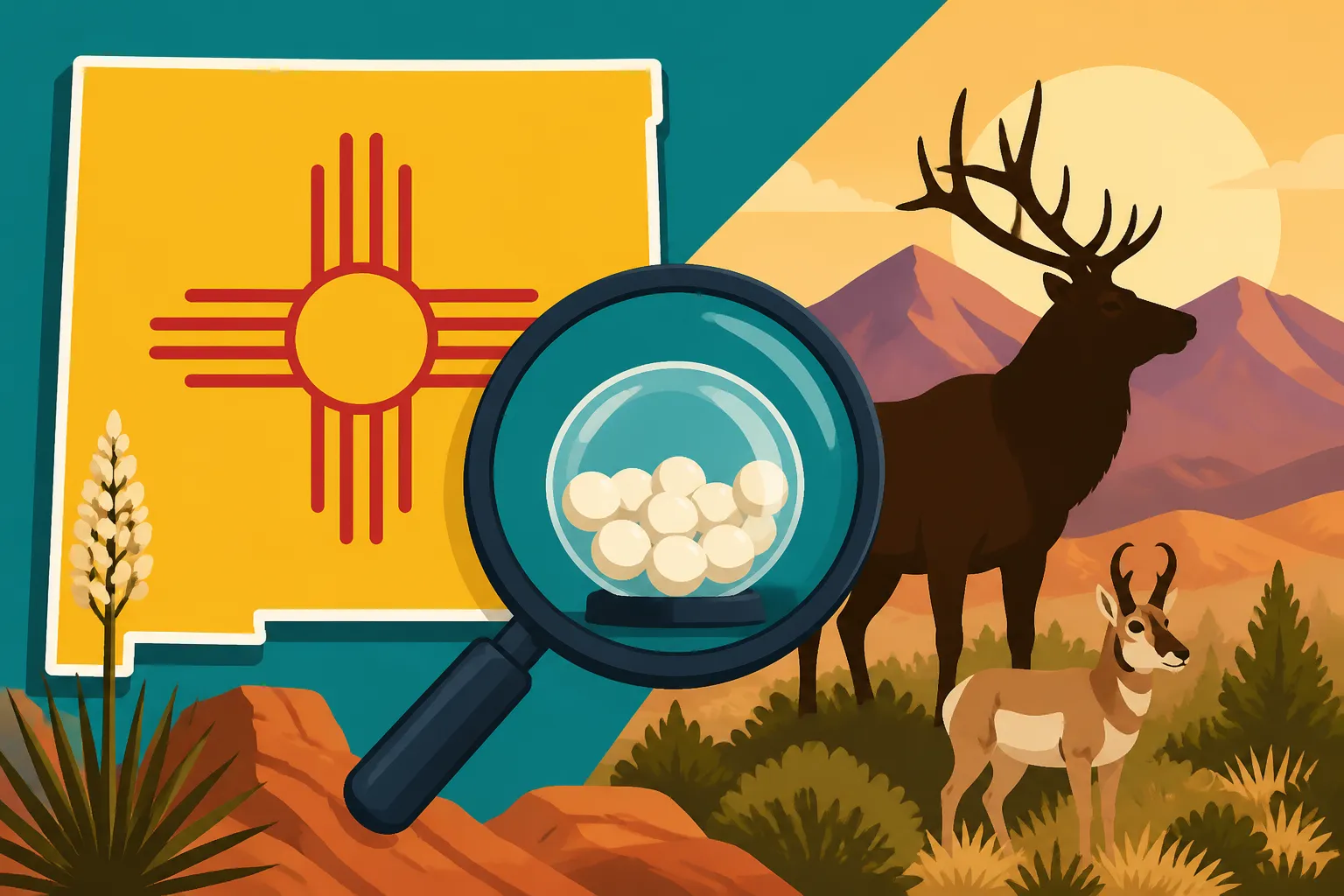
Trying to figure out your chances in the New Mexico big game draw can feel like staring at a complex puzzle with missing pieces. You put in the time scouting, researching units, and dreaming of that tag, only to feel a knot of anxiety about the actual draw odds. This guide is here to untangle that process, showing you exactly where to find the official draw statistics and how to make sense of the numbers so you can apply with more confidence.
Understanding New Mexico's Unique Draw System
New Mexico's draw system is distinct from many other Western states, and understanding its foundation is key to interpreting draw odds. Unlike states that utilize preference points or bonus points, New Mexico operates on a pure lottery system for each species. This means every applicant, regardless of how many years they've applied unsuccessfully, has the same mathematical chance of drawing a tag in a given hunt choice as a first-time applicant. This can be both a blessing and a curse; you don't build points, but you also don't need to feel years behind everyone else.
The Three Allocation Pools
The first crucial aspect to grasp is how New Mexico allocates its tags. The state divides all available tags into three distinct pools, which directly impacts the number of tags available to different applicant types and, consequently, the draw odds.
- Resident Pool: New Mexico reserves a substantial portion of its tags for its own residents. Specifically, The 84 Percent Resident Allocation in New Mexico means the vast majority of tags go to those who call the Land of Enchantment home. This significantly improves resident draw odds compared to nonresidents, especially for highly coveted species like elk and Oryx.
- Outfitter Pool: This is a unique component of the New Mexico draw. The 10 Percent New Mexico Outfitter Pool is set aside for nonresidents who apply with a registered New Mexico outfitter. While it's a smaller percentage than the resident pool, it often represents a nonresident's best chance at drawing a tag, especially for premium hunts. It's important to remember that applying through this pool requires a signed contract with an outfitter.
- Nonresident Pool: The remaining tags, a mere The 6 Percent New Mexico Nonresident Allocation, are distributed among nonresidents who apply without an outfitter. As you can imagine, with such a small percentage, the draw odds in this pool are typically much lower and incredibly competitive.
Why Draw Odds Don't Improve Over Time
Many hunters coming from point-based states find New Mexico's system baffling. The concept of Why New Mexico Draw Odds Do Not Improve With Time is fundamental. Since there are no preference points, your application is treated exactly the same each year. If you apply for a Unit 16D archery elk tag for five consecutive years and don't draw, your sixth year's application still holds the same odds as someone applying for the very first time. This means consistent research into units and hunt codes is paramount every single year, rather than just accumulating points. It reinforces the idea that luck plays a significant role, but strategic application choices can still tilt the scales slightly in your favor. This also contributes to How New Mexico Draw Odds Work Without Points, emphasizing yearly unit analysis over point banking.
Official Resources for New Mexico Draw Odds
The most accurate and authoritative source for New Mexico draw odds is always the New Mexico Department of Game and Fish (NMDGF) itself. They publish comprehensive draw statistics after each application period, offering transparency into the previous year's results.
Navigating the NMDGF Website
Finding these statistics on the NMDGF website can sometimes feel like a treasure hunt, but once you know where to look, it becomes much easier. Typically, you'll want to head to the "Hunting" section, then look for "Draw Results & Statistics" or a similar tab. The NMDGF usually organizes these reports by species (e.g., Elk, Deer, Oryx) and then further by hunt year. You'll generally find PDF documents or interactive tables containing the raw data from the most recent draw. While they don't host an intuitive "draw odds calculator" feature, the raw data provides everything you need to calculate your chances. It’s also where you’ll find information on Reading a New Mexico Hunt Code Before You Apply, which is essential for proper analysis.
Deciphering the Draw Statistics Reports
Once you've downloaded a draw statistics report, it can look a bit overwhelming. These reports typically list every hunt code, the number of applications received for that code, and the number of tags issued for each of the three pools (resident, outfitter, nonresident).
Here's a breakdown of common columns you'll encounter and what they mean:
| Column Header | Description | Importance for Analysis |
|---|---|---|
| Hunt Code | Unique identifier for a specific hunt (e.g., ELK-1-100) | Crucial for identifying the exact hunt you're interested in. |
| Applicants | Total number of applications for this specific hunt code. | Indicates overall demand for this hunt. Higher numbers mean tougher odds. |
| Tags Issued | Total number of tags allocated for this hunt code. | The numerator in your odds calculation. |
| Resident Apps | Number of resident applications for this hunt. | Used to calculate resident-specific odds. |
| Resident Tags | Number of tags drawn by residents for this hunt. | Directly impacts resident success rate. |
| Outfitter Apps | Number of applications from nonresident clients with an outfitter. | Used to calculate outfitter pool odds. |
| Outfitter Tags | Number of tags drawn by outfitter clients for this hunt. | Indicates success rate within the outfitter pool. |
| Nonresident Apps | Number of applications from nonresidents without an outfitter. | Used to calculate nonresident-specific odds. |
| Nonresident Tags | Number of tags drawn by unguided nonresidents for this hunt. | Critically important for unguided nonresident success rate. |
| Success Rate (%) | The percentage of applicants who drew a tag in a specific pool (Tags/Apps). | Provides an immediate snapshot of how difficult a tag was to draw last year. |
To calculate an approximate draw odd percentage yourself, you would divide the "Tags Issued" in a specific pool by the "Applicants" in that same pool, then multiply by 100. For example, if there were 10 resident tags and 100 resident applicants, your odds would be 10%. Keep in mind, Reading New Mexico Hunt Draw Statistics is an acquired skill, but understanding these basic columns will get you far.
Third-Party Tools and Analytics
While the NMDGF website provides the raw, official data, many hunters find it tedious to sift through large PDF reports and perform manual calculations. This is where third-party platforms come in, offering more user-friendly interfaces and enhanced analytical tools.
Using Platforms like GoHunt for Draw Odds
Services like GoHunt have revolutionized how many hunters approach Western draws. They take the raw data provided by state agencies, clean it up, and present it in easily digestible formats, often with visual graphs and search filters. For New Mexico, GoHunt's "Insider" membership, for instance, provides a robust draw odds tool that allows you to quickly filter by species, unit, weapon type, and even residency status. This saves countless hours of manual data crunching.
What makes platforms like GoHunt so valuable is their ability to:
- Aggregate Data: They compile years of draw data, allowing you to see trends over time rather than just a single year's snapshot.
- Visualize Odds: Instead of raw numbers, you often get clear percentages, sometimes even color-coded to indicate difficulty.
- Filter and Compare: You can easily compare the odds of different hunt codes side-by-side, which is incredibly useful when building your application strategy.
- Provide Expert Analysis: Many of these platforms offer articles and insights from experienced hunters and statisticians, helping you understand why certain units or hunt codes have the odds they do.
When using GoHunt, you can plug in your desired species (e.g., Elk, Mule Deer, Oryx) and instantly see the previous year's success rates for various units and hunt choices. This drastically simplifies the process of assessing your chances, especially for nonresidents navigating the highly competitive New Mexico Oryx Draw Odds.
Factors Beyond Raw Odds
It's tempting to look solely at the success rate percentage, but there's more to consider. Raw odds are a great starting point, but they don't tell the whole story.
- Preference vs. Opportunity: Just because a hunt has 50% odds doesn't mean you'll draw every other year. It means each year you have a 50% chance. Conversely, a hunt with 2% odds might seem impossible, but someone will draw that tag. The point is, without preference points, every application is a fresh roll of the dice.
- Unit Quality and Hunter Density: Low draw odds might correspond to a unit with incredible trophy potential or excellent public access. High draw odds might mean more tags, but potentially also more hunters in the field, or less desirable habitat. Consider factors like how much public land New Mexico has in a unit, as well as terrain and game density, when evaluating a hunt code.
- Application Strategy: Your choice order can significantly impact your outcome, even if it doesn't change the underlying odds of drawing a specific hunt. Choice Order Strategy in the New Mexico Draw is a nuanced art. If you list an extremely difficult tag as your first choice, and then a much easier tag as your second, you still only get one tag. The system processes your choices in order. If your first choice is successful, your other choices are not considered. If your first choice is unsuccessful, your second choice is then considered, and so on. Understanding this hierarchy is critical.
Maximizing Your Chances in the New Mexico Draw
While the New Mexico draw is a lottery, there are definitely strategies you can employ to increase your chances of success, or at least apply smarter, beyond simply looking at the raw numbers. It's about playing the odds effectively within the system.
Strategic Hunt Code Selection
This is where your research really pays off. Don't just pick the unit with the biggest bulls or bucks; consider your actual goals and tolerance for risk.
- Balancing Desirability and Odds: Everyone wants that Unit 16D Gila bull tag, but the odds are often abysmal, especially for nonresidents. Instead of solely focusing on these "dream" tags, research units with slightly higher odds that still offer quality hunting experiences. For instance, exploring other less-pressured Gila units or different weapon types could yield better odds for elk.
- Exploring Different Weapon Types: Sometimes, changing your weapon preference can drastically alter your draw odds. For instance, muzzleloader or "any legal weapon" hunts might have different applicant pools and success rates than archery hunts. It’s worth looking at New Mexico Muzzleloader Deer Season Windows versus Any Legal Weapon Deer Seasons in New Mexico to see if a different weapon offers a better chance.
- Considering Hunt Dates: Early season hunts often have different dynamics than late-season hunts. For deer, When the Mule Deer Rut Actually Starts can significantly impact hunter interest and, therefore, application numbers. A less popular time slot might have more favorable odds.
- Utilizing All Choices: Don't leave choices blank! New Mexico allows you to list multiple choices on your application. Even if you don't believe a Does a Second Choice Ever Draw in New Mexico? or third choice has great odds, listing it provides another chance if your top picks don't pan out. However, be sure you'd be happy with any tag you list.
Group Applications and Their Impact
Applying as a group in New Mexico is a popular strategy, but it has specific rules and implications you need to understand.
- All or Nothing: When you apply as a group, it's an "all or nothing" proposition. Either everyone in your group draws a tag, or no one does. This means your group's application will be put into the draw using the applicant with the lowest draw odds. For example, if you have a resident and a nonresident applying in the same group, the application will effectively be treated as a nonresident application for purposes of the draw, significantly impacting the resident's chances.
- Maximum Group Size: New Mexico limits the maximum size of a group application. This is typically four hunters for most big game species. Always double-check the current year's regulations booklet for exact numbers, as rules can change. Understanding Group Application Rules in New Mexico is critical to avoid disqualification.
- Increased Applications, Not Necessarily Odds: Applying as a group doesn't magically increase your individual odds of drawing a specific tag. What it does is tie your fate to your group members. If you're a nonresident, applying with a resident might actually lower the resident's individual odds for a resident-only pool tag, as the application would likely be pulled from the nonresident pool. However, if your goal is simply to hunt together, it’s the only way to ensure it.
Remember, the goal is to make informed decisions that align with your hunting aspirations and risk tolerance. Using a combination of the official NMDGF statistics and third-party tools like GoHunt, along with a solid application strategy, will give you the best chance possible in the New Mexico draw.
Disclaimer
Please note that hunting regulations, fees, and season dates are subject to change annually. Always consult the official New Mexico Department of Game and Fish website and the current year's hunting proclamation for the most up-to-date and accurate information before planning any hunt or submitting an application. This guide provides general information and strategic advice based on publicly available data.