New Mexico Javelina Season Structure
Trying to navigate the hunting seasons for what feels like New Mexico's lesser-known big game can be a real head-scratcher. Most folks focus on elk or mule deer, and the humble javelina often gets overlooked, but that doesn't mean finding accurate season information or understanding the application process is any less frustrating. This guide is here to untangle the details of New Mexico's javelina season structure, helping you understand where and when to pursue these unique desert dwellers, and how to successfully secure a tag.
The Peculiar Charm of New Mexico's Javelina
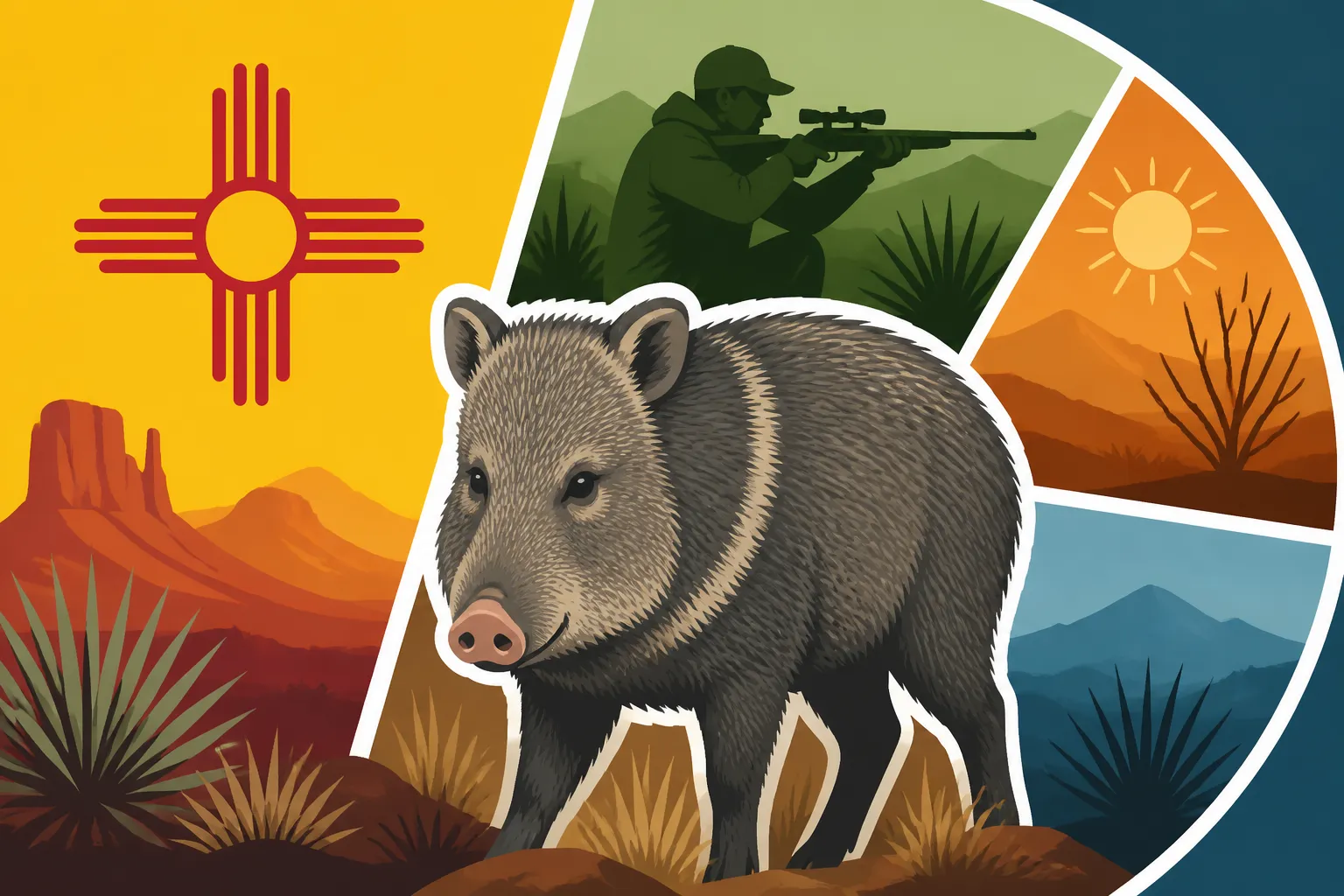
Javelina, or collared peccaries, are one of New Mexico's most unique big game animals. They're often confused with wild pigs, but they're actually a completely different species. These fascinating creatures offer a distinct hunting challenge that's a world away from stalking a bull elk in the timber or glassing for mule deer bucks on a high mountain ridge. Understanding what they are and how they live is the first step to a successful hunt.
Not a Pig, But Close Enough for the Hunter
Let's clear up a common misconception right away: javelina are not pigs. They belong to the family Tayassuidae, while true pigs are from the family Suidae. This might seem like a small biological detail, but it actually has implications for their behavior and how you'll hunt them. They do look pig-like, with coarse, grizzled hair, a short snout, and sharp tusks. They're relatively small, typically weighing between 30 to 60 pounds, making them a compact target but still a formidable opponent if cornered. Their small size and herd behavior means they can often blend seamlessly into the scrub, making them surprisingly difficult to spot even when you're looking right at them. The frustration of walking through prime habitat only to realize you bumped a herd you never saw is a common one for javelina hunters.
Habitat, Herd Dynamics, and Elusive Behaviors
In New Mexico, javelina primarily inhabit the southern desert regions. You'll find them in units characterized by creosote, mesquite, prickly pear cactus, and rocky arroyos. They thrive in these arid environments, often sticking close to washes, canyons, and dense brush where they can find food and cover. They are highly social animals, living in herds that can range from a handful to over 20 individuals. This herd dynamic is crucial to understand; where there's one javelina, there are usually more. They communicate through a variety of grunts and squeals, and they have scent glands on their backs, which they rub on each other to reinforce herd cohesion. You'll often smell them before you see them, a musky, distinctive odor that can give away their presence.
Their diet consists mainly of prickly pear cactus, roots, tubers, and insects. They're excellent at finding water sources, even in the driest conditions, and will frequent stock tanks and natural seeps. Hunting them often involves covering a lot of ground in their preferred habitat, trying to catch them moving between feeding and bedding areas, or discovering where they've been rooting for food. Patience is absolutely key, as is a keen eye for subtle disturbances in the landscape. These little desert ghosts can disappear into seemingly sparse cover with astonishing speed, leaving you wondering if you even saw them at all.
Navigating Javelina Season Dates and Unit Choices
Unlike some of New Mexico's more extended big game seasons, javelina hunts are typically short and specific, often concentrated in the late winter and early spring months. This limited timeframe means that planning your hunt around the official dates and understanding which units offer opportunities is paramount to even having a chance at drawing a tag.
General Season Structure and Timing
Javelina seasons in New Mexico are generally held during cooler parts of the year, which is a blessing when you're trekking through their desert habitat. The heat can be brutal, even in spring, but these earlier seasons avoid the scorching summer temperatures that would make hunting these animals unbearable. You'll typically find seasons running anywhere from late January through mid-March. This window allows hunters to experience desert hunting when the weather is more forgiving, and the javelina are often more active during daylight hours. However, this also means competition for tags can be significant, as many hunters appreciate these comfortable conditions. Always remember to consult the most current New Mexico Hunting Rules & Info booklet, as specific dates can shift year to year.
Specific Season Dates by Weapon Method
New Mexico offers opportunities for javelina hunters across various weapon types, including archery, muzzleloader, and "Any Legal Weapon" (ALW) hunts. Each weapon type has its own specific season dates and often different unit allocations.
- Archery Season: Archery hunts for javelina are often the earliest, sometimes kicking off in late January or early February. These hunts demand close-range encounters and exceptional stealth. If you've ever tried to sneak up on a herd of javelina, you know how jumpy they can be. This can be one of the most challenging, but also most rewarding, ways to hunt them. The early season also means cooler temperatures, which is always a bonus when you're hoofing it across the desert.
- Muzzleloader Season: Muzzleloader hunters typically see their season windows a bit later, often in February. This provides a different kind of challenge, combining a single-shot opportunity with the need to get within moderate range. The smoke and roar of a muzzleloader adds a traditional flair to the hunt.
- Any Legal Weapon (ALW) Season: These are usually the most popular hunts and tend to run in late February and into March. "Any Legal Weapon" means you can use a rifle, shotgun (with slugs or buckshot), or even a handgun, provided they meet minimum caliber requirements. These seasons offer the most flexibility in terms of weapon choice and generally see the highest hunter participation. It’s important to research which rifle season suits a first New Mexico hunt if you're new to the state, as weapon choice impacts success.
The specific dates and unit numbers for these hunts are detailed in the annual Game & Fish proclamation. For example, some years, Unit 26 or Unit 32 might have an ALW season from February 20-24, while an archery season could be offered in Unit 27 from January 25-29. Checking the current year’s New Mexico Hunting Rules & Info booklet is your best friend here.
Key Units for Javelina Hunting
Javelina are not found statewide in New Mexico; their range is concentrated in the southern and southwestern parts of the state. When you're looking at hunt codes, you'll notice units like 26, 27, 30, 32, 36, and 37 frequently appear for javelina tags. These units are characterized by the low-elevation, arid landscapes that javelina call home.
- Units 26 & 27: These units, located in southwestern New Mexico, often boast good populations of javelina. They feature vast tracts of BLM land, mixed with state trust land and some private holdings. The terrain here can be rugged, with rocky hills, arroyos, and dense thorny brush. This is classic javelina country.
- Units 30 & 32: Moving further east, these units also offer solid javelina opportunities. Unit 32, in particular, is often mentioned due to its varied terrain, including rolling hills and expansive desert flats. Just like Units 26 and 27, scouting for water sources that concentrate desert game can be a game-changer in these areas.
- Units 36 & 37: These units, closer to the south-central part of the state, also hold javelina. They can be a bit more challenging due to potentially thicker vegetation or fragmented public land, but persistent hunters can still find success.
When considering a unit, remember that public access varies. While New Mexico holds over 30 million acres of public hunting land, it's crucial to verify land ownership using tools like onX maps or the New Mexico Game & Fish public land maps. Understanding where javelina range across Southern New Mexico is vital, as their populations are not evenly distributed.
Applying for a New Mexico Javelina Tag
Getting a javelina tag in New Mexico generally involves participating in the state's draw system, similar to other big game species. While the draw odds might be better than for a trophy elk tag, it's still far from a guaranteed tag, and understanding the process is essential.
The Draw Process for These Desert Dwellers
New Mexico operates on a lottery-style draw system for most of its big game species, and javelina are no exception. This means you submit an application during a specific period, listing your preferred hunt choices (unit, weapon, dates). The state then conducts a random drawing, and successful applicants are awarded a tag. There are no preference points or bonus points that accumulate over time, so every applicant has an equal chance each year, regardless of how many times they've applied in the past. This also means that New Mexico Javelina Draw Odds don't improve with time, making every application a fresh start. This can be both a relief and a source of frustration, as years of applying don't guarantee a tag.
The application is typically done online through the New Mexico Department of Game and Fish website. You'll need to create an account if you don't already have one, and make sure all your licensing information is up to date.
Application Deadlines, Fees, and Requirements
Mark your calendars! The New Mexico application deadline for most big game species, including javelina, typically falls in mid-March. Specifically, it's often March 18th at 5 p.m. MDT. Missing this deadline means you're out of luck for the draw that year. It’s a hard deadline, and the system shuts down promptly, so don't wait until the last minute. This is a common pitfall for even seasoned hunters.
There are a few fees involved in the application process:
- Nonresident Game Hunting License: Nonresidents must first purchase a non-refundable Game Hunting License, which is often around $65 (prices can change, so always check the current year). This license is your ticket to applying for any big game draw.
- Application Fee: There's a small, non-refundable application fee per species, typically around $7.
- Tag Fee: If you are successful in the draw, your credit card will be charged for the full cost of the javelina tag. For nonresidents, a javelina tag can be around $300-$350. For residents, it's considerably less, usually in the $40-$50 range.
A common frustration is that even if you don't draw a tag, you still lose the Game Hunting License fee and the application fee. It's the cost of playing the game, but it can sting when you come up empty-handed.
Here's a quick look at the typical cost breakdown for non-residents:
| Item | Typical Cost (Non-Resident) | Notes |
|---|---|---|
| Game Hunting License | ~$65 | Non-refundable, required to apply |
| Javelina Application Fee | ~$7 | Non-refundable, per species |
| Javelina Tag Fee (if drawn) | ~$300-$350 | Charged only if successful in the draw |
| HMAV Validation (if applicable) | ~$4 | Habitat Management & Access Validation |
| Habitat Stamp (if applicable) | ~$5 | For federal land, often combined with HMAV |
Always confirm current prices and requirements in the official New Mexico Hunting Rules & Info booklet before applying.
Interpreting Draw Odds and Maximizing Your Chances
While javelina draw odds aren't as notoriously tough as, say, a premier elk hunt in Unit 15, they're not a walk in the park either. Some popular units with good javelina populations can still have low success rates, especially for non-residents. Resources like GoHunt provide excellent tools for analyzing draw odds from previous years, helping you make informed decisions about your hunt choices. Looking at historical data can give you a realistic expectation of your chances.
To maximize your chances, consider applying as a party. Group application rules in New Mexico allow you to apply with friends or family, and if one person draws, everyone in the group draws. This can be a strategic way to pool your luck, especially if you have a group of experienced hunters. However, be aware of the maximum group size in a New Mexico application, which is typically four hunters. Another strategy is to list several hunt choices on your application. You can usually list multiple choices for javelina, and while a second choice might not always draw, it does happen. This increases your chances of drawing a javelina tag, even if it's not your absolute top preference.
Javelina Hunting Regulations and Ethical Considerations
Beyond understanding the season dates and draw process, knowing the specific regulations for hunting javelina in New Mexico and adhering to ethical hunting practices is crucial for a legal and responsible hunt.
Weapon Restrictions and Caliber Minimums
For "Any Legal Weapon" seasons, most common hunting rifles are suitable for javelina. However, the New Mexico Department of Game and Fish (NMDGF) does have minimum caliber requirements for big game. For javelina, typically any centerfire rifle .22 caliber or larger is legal. This means your standard deer rifles in calibers like .243, 6.5 Creedmoor, .270, or .308 will work perfectly. Shotguns are also permitted with slugs or buckshot (check specific rules on shot size), and handguns must also meet minimum caliber and barrel length requirements. For archers, the minimum bow draw weight for big game usually applies, often around 40 pounds, and broadhead requirements for bowhunting typically mandate fixed or mechanical broadheads with at least two cutting edges. Always double-check these specifics in the current regulations booklet.
Bag Limits, Tagging, and Evidence of Sex
The bag limit for javelina in New Mexico is generally one javelina per hunter per license year. This means once you harvest an animal and tag it, your javelina season is over until the next license year.
Once you harvest a javelina, you must immediately validate and attach your tag to the carcass. This is a critical step, and failure to do so can result in serious penalties. The tag must remain attached to the javelina until it is processed for storage or consumption. When field dressing in desert heat, especially in the early spring, it's vital to get the meat cooled as quickly as possible. Even though javelina are small, they can spoil quickly in warm temperatures.
Evidence of sex requirements on a carcass are also important. For javelina, you must leave evidence of sex (e.g., testicles or vulva) attached to the carcass, or portion thereof, until it reaches your home or a processing facility. This allows game wardens to verify the legality of your harvest.
Ethical Hunting and Respecting the Desert Environment
Hunting javelina in New Mexico demands a keen understanding of the desert environment and a strong commitment to ethical practices.
- Retrieving Game in Rough Terrain: Javelina often live in incredibly rugged, thorny country. If you make a shot, be prepared for a difficult retrieve. These animals can be tough, and even a well-placed shot might see them run into the thickest, nastiest brush. Having a good game cart or being prepared to quarter the animal and pack it out is essential. Playing thermals on a canyon stalk is just as important for javelina as it is for elk, as they have an incredible sense of smell.
- Water Sources and Ethics: In arid New Mexico, water is life. Javelina, like all desert wildlife, rely heavily on limited water sources. It's common to hunt near stock tanks or natural seeps, but ethical considerations apply. New Mexico has specific rules on hunting over a stock tank legally. Generally, baiting is allowed and where it is not, it is prohibited for big game, so ensure you understand the rules. Always respect these vital resources and avoid contaminating them.
- Private Land Awareness: Many javelina units in southern New Mexico are a checkerboard of public and private land. It is absolutely critical to know your boundaries. Tools like GoHunt's mapping features or onX are invaluable for determining land ownership. Written permission is required to cross private New Mexico ground, and hunting on private land without explicit permission is trespassing and carries severe penalties. Before you even head out, E-Scouting a New Mexico unit before the season is a great way to identify public access points and potential private land issues. Always carry a physical map and compass as a backup to your digital tools, especially in areas with spotty cell coverage.
- Safety and Environmental Impact: Be mindful of legal shooting hours for big game in New Mexico, which typically run from one-half hour before sunrise to one-half hour after sunset. Blaze orange requirements through the season might also apply in certain areas or during specific weapon seasons, though often not for archery. Leave no trace, pack out all your trash, and avoid disturbing archaeological sites or sensitive habitats. The desert environment is fragile, and it's our responsibility as hunters to be stewards of the land.
In conclusion, hunting javelina in New Mexico offers a truly unique and engaging challenge. With careful planning, a solid understanding of the regulations, and a respectful approach to the desert, you can have a memorable experience pursuing these spirited creatures.
Disclaimer
Please remember that hunting regulations, season dates, and fees are subject to change. Always consult the most current New Mexico Department of Game and Fish Hunting Rules & Info booklet or their official website before planning and executing any hunt. This guide is for informational purposes only and should not be considered legal advice.