The Age Range for New Mexico Mentored Youth
Navigating the world of youth hunting regulations can feel like trying to untangle a spool of fishing line after a big catch – confusing, right? Many well-meaning parents and guardians in New Mexico want to introduce their kids to the incredible tradition of hunting but get bogged down by the specifics of age limits and certifications. This guide is here to clarify exactly what age ranges apply to New Mexico's Mentored Youth Program, so you can confidently plan your child's first adventures afield.
Understanding New Mexico's Mentored Youth Program
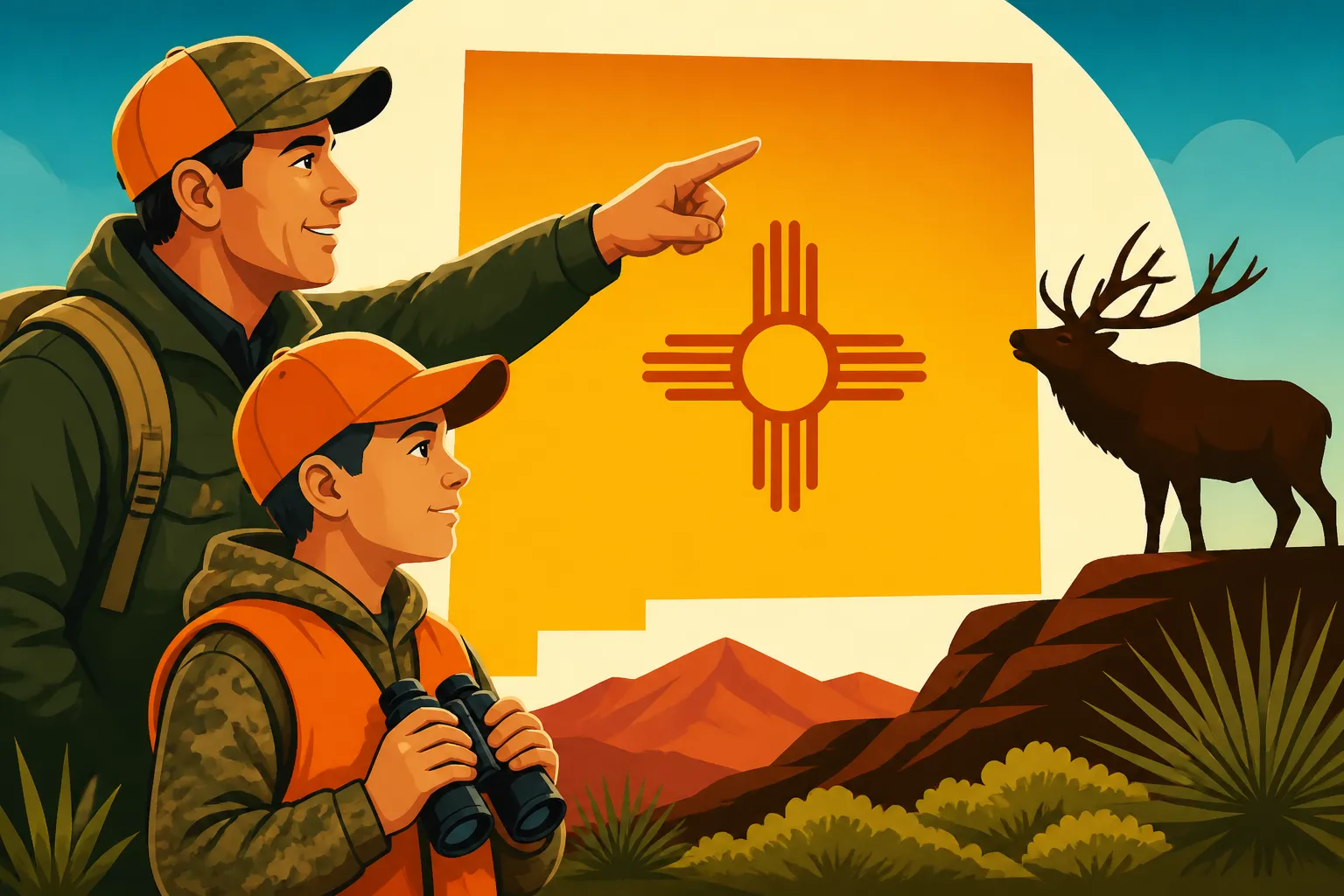
The New Mexico Department of Game and Fish (NMDGF) developed the Mentored Youth Hunter Program with a clear goal: to foster a love for hunting and conservation in the next generation, all under the direct supervision of an experienced adult. It's a fantastic initiative that acknowledges the value of hands-on learning and passing down skills directly from mentor to mentee. This program doesn't just lower the barrier to entry; it reinforces the importance of safe, ethical hunting practices from day one.
The Philosophy Behind Mentored Youth Hunting
At its heart, the Mentored Youth Program is about experience, not just rules. Think about it: how many of us learned to hold a rifle or track a deer by reading a textbook? We learned from our elders, our parents, our grandparents, or a trusted family friend out in the field. This program formalizes that time-honored tradition. It understands that true hunting proficiency comes from countless hours spent alongside someone who knows the ropes, can point out sign, explain wind direction, and instill a deep respect for wildlife and the land. It’s about building confidence and competence long before a young hunter is expected to be fully independent. The goal is to create lifelong hunters who are not just skilled, but also deeply ethical and responsible stewards of New Mexico's rich natural resources.
How the Program Works
For a young hunter to participate in this program, they must first meet the age requirements, which we'll dive into shortly. Crucially, they do not need to have completed a traditional hunter education course to get started. This is the cornerstone of the program – allowing younger, uncertified hunters to gain practical experience. Instead, the youth must be accompanied by a qualified adult mentor. This mentor must be 18 years of age or older and possess a valid hunter education certification or have been born before January 1, 1972. The mentor is solely responsible for ensuring that the mentored youth complies with all hunting laws and safety rules. This includes staying within arm's reach of the youth, maintaining direct control, and ensuring safe firearm handling. The mentor also needs to register for a special mentor number through NMDGF, which is a straightforward process to verify their eligibility. For a deeper dive into the specifics, you can check out The New Mexico Mentored Youth Program Explained.
Specific Age Brackets and Opportunities
This is where many folks get a little confused, and it’s totally understandable. New Mexico's Mentored Youth Program isn't a one-size-fits-all, open-ended arrangement. It has specific age requirements and limitations on what a youth can hunt, depending on their age. These details are super important for planning your hunting season and ensuring you're compliant with all regulations.
Youth Under 10 Years Old
For the truly young aspiring hunters, those under 10 years of age, the Mentored Youth Program offers a foundational entry point. While they are still learning the ropes, these youngest participants have specific opportunities. Generally, youth in this age bracket are allowed to hunt small game, such as rabbits and squirrels, as well as game birds like quail and dove. This provides an excellent, low-pressure introduction to the mechanics of hunting, safe firearm handling, and the exhilaration of being out in the field. It’s a chance to focus on the basics: walking quietly, spotting game, and learning patience, without the intensity of big game pursuits. The mentor's role here is absolutely paramount, ensuring that every moment is a positive learning experience. For specifics on what they can pursue, refer to What Mentored Youth Under Ten May Hunt.
Youth 10 Years Old and Older
Once a youth reaches the age of 10 years old and older, their hunting opportunities within the Mentored Youth Program expand significantly. At this point, in addition to small game and birds, they are generally eligible to pursue big game species, assuming they draw a tag or secure an over-the-counter license for specific species where available. This is a big step up, allowing them to participate in elk, deer, antelope, and other big game hunts that might be the main draw for many families. It means they can experience the challenge and reward of a big game hunt, still under the close supervision of their mentor. This age group has more responsibility, but also more chances to truly engage with the broader hunting landscape. Remember, even at this age, the core requirement is that they are actively accompanied by their qualified mentor. More details are available in What Mentored Youth Over Ten May Hunt.
The Two-Year Window
It's critical to understand that the Mentored Youth status isn't forever. The New Mexico Department of Game and Fish designed the program with a specific timeframe in mind to encourage young hunters to eventually complete their formal hunter education. A youth is eligible to participate as a mentored hunter for a maximum of two license years. This "two-year window" starts from the very first hunting license year in which they participate. For example, if a youth hunts under the program in the 2024-2025 license year, they can also participate in the 2025-2026 license year. After that, they are expected to complete hunter education to continue hunting independently or as an unmentored youth. This limited timeframe is a crucial detail that often catches people off guard. To dive deeper into this duration, check out How Long Mentored Youth Status Lasts.
Here's a quick summary of the age ranges and general eligibility:
| Age Range | Hunter Education Required? | Eligible Species (General) | Mentoring Requirement | Duration |
|---|---|---|---|---|
| Under 10 Years Old | No | Small game, game birds | Direct, within arm's reach, one mentor per youth | Max. 2 license years |
| 10 Years Old & Older | No | Small game, game birds, big game (with tag) | Direct, within arm's reach, one mentor per youth | Max. 2 license years |
| After 2 License Years | Yes | All legal game species | None (unless still under 18 and no HE cert, then still requires mentor for legal hunting) | N/A (requires HE cert) |
| 18 Years Old & Older | Yes or Born before 1/1/72 | All legal game species | None | N/A (independent hunter) |
Beyond Mentored Youth: Hunter Education Requirements
So, what happens once that two-year window closes, or if your child starts hunting at an older age? The Mentored Youth Program is a fantastic starting block, but it's not the finish line for a hunter's education journey. There's a clear path for continued participation, and it hinges on formal hunter education.
Transitioning to Hunter Education
After a youth has completed their two license years in the Mentored Youth Program, or if they choose to start hunting at an age where the program isn't the primary entry point (for instance, if they're 12 and haven't participated before), the next step is completing a certified hunter education course. This is a mandatory requirement for any hunter born after January 1, 1972, who wishes to hunt independently in New Mexico. These courses cover everything from firearm safety and wildlife identification to ethical hunting practices and game care. They are comprehensive and vital for creating responsible, knowledgeable hunters. While the in-field experience of the mentored program is invaluable, the formal course provides the regulatory and safety framework necessary for a lifetime of safe hunting. Understanding Who New Mexico's Hunter Education Rule Covers is key here. Many resources are available, including online courses supplemented by field days, which make it accessible for busy families.
The Mentor's Crucial Role
Throughout the entire process, whether it's during the mentored youth phase or even after the youth has completed their hunter education but is still young, the mentor remains a critical figure. Even when a youth transitions to being a fully certified hunter, especially if they are still a minor, continued mentorship is invaluable. The formal rules outline responsibilities, but true mentorship goes beyond that. It’s about sharing wisdom, teaching field craft, modeling ethical behavior, and fostering a deep respect for nature. The mentor is the primary teacher, safety officer, and guide. They're the one checking local regulations, ensuring the youth understands shooting fundamentals, and helping them develop the judgment needed for responsible hunting. Without dedicated mentors, the program simply wouldn't be as effective. If you're looking to become a mentor, securing your Getting a Mentor Number From New Mexico is your first official step.
Planning Your Youth Hunt
Planning a hunt with a mentored youth requires extra attention to detail. Beyond just checking the season dates and obtaining the necessary licenses and tags, you need to consider the youth's skill level, physical endurance, and ability to stay focused. Start with shorter, less demanding outings. Focus on species where success rates might be higher, like small game, to keep spirits up. Utilize tools like those offered by GoHunt to e-scout units, identify accessible terrain, and research potential game concentrations, making the experience more enjoyable and less frustrating for the young hunter. Always prioritize safety, communication, and making memories over harvesting an animal. Packing plenty of snacks, water, and being prepared for breaks is far more important than rushing. Remember, the goal is to build a positive association with hunting.
Navigating the Draw and Opportunities for Youth
Once you understand the age ranges and requirements, the next logical step is figuring out how these young hunters actually get a tag. New Mexico’s draw system can be complex, but there are specific avenues designed to give youth hunters a fair shot at coveted opportunities.
Applying for Youth-Specific Hunts
New Mexico offers special youth-only hunt codes for certain species and units. These hunts are exclusively for young hunters, typically those 17 years old and younger, and often have better draw odds than the general public draw. These are fantastic opportunities, as they concentrate youth hunters and mentors, fostering a supportive environment and often leading to higher success rates and more positive experiences. The NMDGF publishes these specific hunt codes in their annual Big Game & Turkey Hunting Rules & Information booklet. When applying, it's crucial to correctly enter the youth hunt code to ensure your child is considered for these special draws. Using resources like GoHunt can help you identify these youth-specific opportunities and analyze their draw odds, giving your young hunter the best chance at success. For more information on identifying these, look into New Mexico Youth-Only Hunt Codes.
General Draw Participation
Mentored youth, especially those aged 10 and older, are also eligible to apply in the general public draw for big game tags, just like any other hunter. They would apply for the same hunt codes as adults, adhering to the same application deadlines and fees. The key difference is that if they draw a tag before completing their hunter education, they must still hunt under the direct supervision of a qualified mentor. It's a fantastic way to introduce them to the full draw system and the anticipation that comes with it. While draw odds can be tough for popular big game species like elk or mule deer, applying early and often is part of the tradition for many New Mexico families. The youth's license year status as "mentored" means they get the field experience without the immediate certification burden, providing a smooth pathway into the broader hunting community. Keep in mind that New Mexico Mentored Youth Can Hunt Two Years Before Certifying, offering a good window to gain experience before needing to get certified.
Disclaimer
Please remember that hunting regulations can change. While I strive to provide the most up-to-date and accurate information, it is always your responsibility to consult the current New Mexico Department of Game and Fish (NMDGF) regulations and proclamations before planning any hunt. This guide is for informational purposes only and should not be considered a substitute for official NMDGF documentation.