New Mexico Muzzleloader Deer Season Windows
Navigating New Mexico's deer hunting landscape can feel like deciphering a cryptic code, especially when you’re passionate about the unique challenge of muzzleloader hunting. It’s easy to feel overwhelmed by the varying dates, unit restrictions, and weapon specifics. This comprehensive guide aims to cut through the confusion, offering a clear roadmap to understanding New Mexico's muzzleloader deer season windows, helping you prepare for a successful and rewarding hunt.
Understanding New Mexico's Muzzleloader Deer Seasons
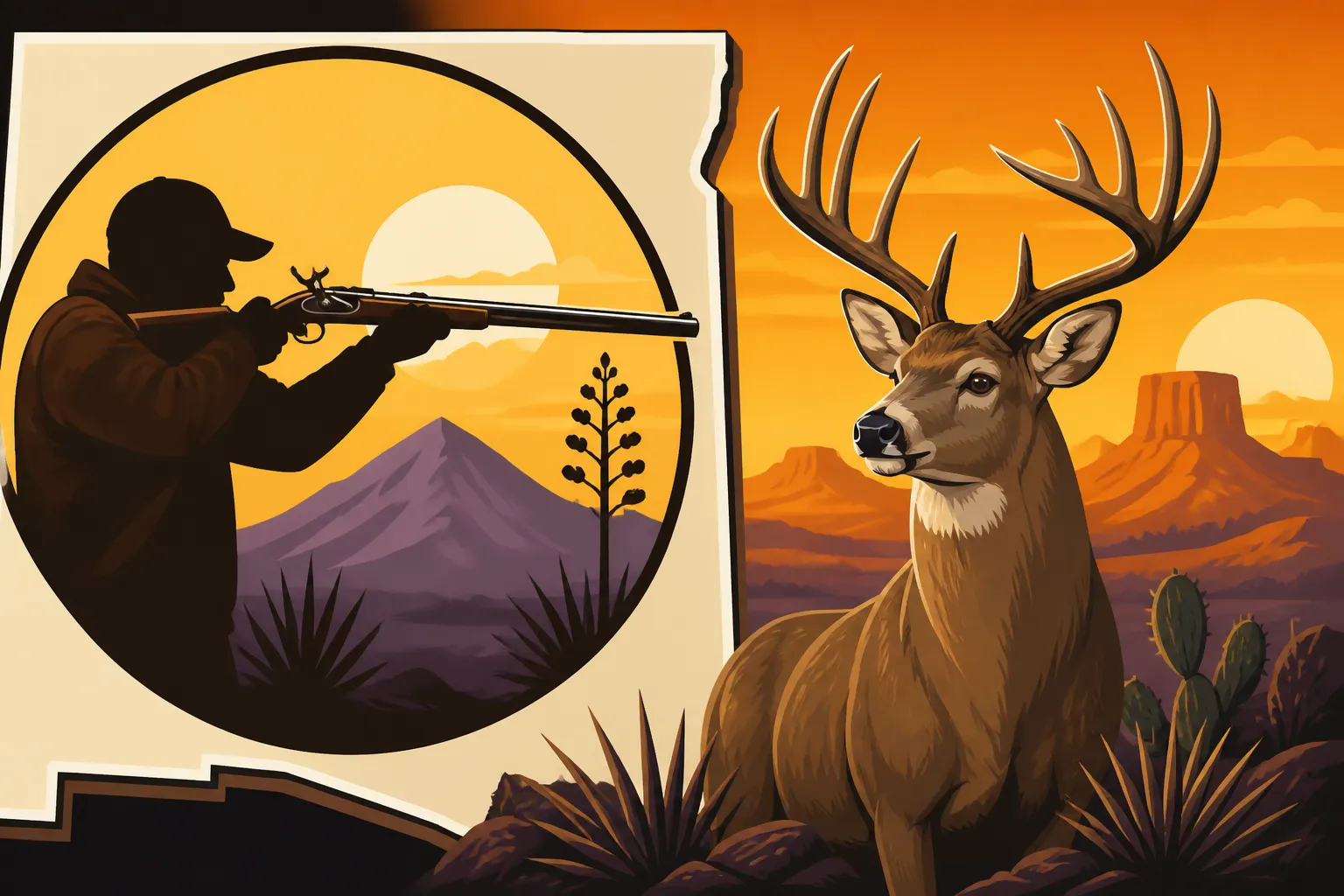
Muzzleloader hunting in New Mexico offers a distinct, often nostalgic, experience that takes hunters back to a more traditional form of the sport. It's not just about the weapon; it's about the connection to history and the added challenge that comes with a single-shot, front-stuffing firearm. However, these hunts also come with specific regulations and season dates that differ significantly from archery or any legal weapon hunts.
New Mexico organizes its hunting seasons by game management units (GMUs), and within those units, by specific weapon types. This means that a unit might have an archery hunt in September, a muzzleloader hunt in October, and a rifle hunt in November. The key is knowing how to locate and interpret these specific muzzleloader windows for deer. This often involves poring over the annual "Rules and Information Booklet" from the New Mexico Department of Game and Fish (NMDGF) – a document that quickly becomes your best friend and worst enemy, all at once!
Why Muzzleloader Hunts Offer a Unique Challenge
For many, the draw of muzzleloader hunting isn't about an easier path or higher success rates, but quite the opposite. It's about embracing limitations and honing skills that modern firearms sometimes let us overlook. The single-shot nature demands precision, patience, and a deep understanding of shot placement. You don't get a quick follow-up. This creates an intense focus on the stalk, the approach, and making that one shot count.
There's a rhythm to loading a muzzleloader – the powder, the patch, the ball or sabot – that connects you to generations of hunters who relied on similar tools. It slows the hunt down, forcing you to be more deliberate in every action. Furthermore, the smoke and roar of a muzzleloader are truly unique, adding to the primitive feel. This type of hunting often appeals to those who appreciate a greater challenge and a more profound connection to the hunting heritage, falling under the broader category of What Makes a Weapon Primitive Under the Rules.
Decoding the New Mexico Hunt Code for Muzzleloaders
New Mexico's hunt codes are the linchpin of understanding when and where you can hunt. These codes are usually a combination of numbers and letters, such as "DM-1-100" or "DM-3-001". The first part, "DM," typically denotes "Deer Muzzleloader." The subsequent numbers refer to the unit and the specific hunt within that unit.
For instance, a code like DM-1-100 would indicate a deer muzzleloader hunt in Unit 1, hunt number 100. The NMDGF booklet will then list the dates associated with that specific hunt code. It's not uncommon for a single unit to have multiple muzzleloader hunts, each with slightly different dates, often catering to different parts of the rut or varying deer populations. Understanding how to interpret these codes is absolutely essential, and a thorough read of Reading a New Mexico Hunt Code Before You Apply is highly recommended. These hunt codes are the direct pipeline to knowing your precise season window, so don't skim this section of the regulations!
Navigating Specific Muzzleloader Deer Season Windows
The timing of muzzleloader deer seasons across New Mexico is not uniform. It varies widely depending on the unit, the deer population dynamics, and the NMDGF's management goals for that specific area. Generally, you'll find muzzleloader seasons sandwiched between archery and rifle seasons, often falling in October or early November. However, some units offer unique opportunities.
For example, high-country units in northern New Mexico might have earlier muzzleloader seasons due to potential for early snow, while some southern desert units could see seasons later in the fall. It's a patchwork, which makes detailed research imperative for any aspiring muzzleloader hunter.
Early Fall Muzzleloader Opportunities
Many muzzleloader deer seasons in New Mexico kick off in early to mid-fall, typically from late September through mid-October. These hunts often coincide with crisp autumn weather, before the deep cold of winter sets in. Units in the northern part of the state, particularly those with higher elevations like parts of the Carson National Forest or the Sangre de Cristo Mountains, might offer these earlier seasons. These are great opportunities to combine the changing fall colors with deer hunting.
During these early fall windows, deer behavior is often predictable. Bucks are generally still in bachelor groups or just starting to disperse, feeding heavily as they prepare for the rut. They haven't been pressured as much as they will be during later rifle seasons. Hunters focusing on these earlier dates need to be prepared for potentially warmer weather, especially in the lower elevations. Hydration and heat management remain important considerations, even as fall progresses. Hunting New Mexico From 4,000 Feet to 10,000 feet means being ready for varied conditions.
Late Fall and Early Winter Muzzleloader Hunts
As the calendar turns to November and even into December, a different set of muzzleloader opportunities emerge. These late-season hunts are often found in units where the mule deer rut is starting to gain momentum, particularly in parts of the Gila National Forest or some of the more rugged, remote units like Unit 15 or Unit 17. These later hunts can be incredibly exciting, as rutting bucks become more active and less cautious, often cruising for does.
Some units, especially those known for their desert mule deer, will have muzzleloader seasons stretching into December. If you're looking for these opportunities, you'll specifically want to consult Which Units Run a December Muzzleloader Hunt. The cooler temperatures of late fall and early winter mean different challenges: colder weather gear, potential for snow, and shorter daylight hours. However, the chance to catch a mature buck during the peak of the rut with a muzzleloader is a truly special experience, making these seasons highly coveted.
Example Muzzleloader Deer Season Windows (Hypothetical)
Here's a generalized look at how muzzleloader deer seasons might typically fall in different regions of New Mexico. Remember, exact dates and units vary annually, so always check the current NMDGF regulations.
| Region | Typical Unit Examples | General Muzzleloader Dates | Deer Behavior Notes |
|---|---|---|---|
| Northern High Country | Units 45, 49, 53 | Mid-October | Pre-rut, feeding heavily, bachelor groups breaking up |
| Central Mountains | Units 9, 10, 14 | Late October – Early November | Start of rut activity, increased buck movement |
| Gila Wilderness | Units 15, 17, 22 | Early – Mid-November | Rutting activity picking up, bucks seeking does |
| Southern Desert | Units 23, 27, 34 | Mid-November – Early December | Peak rut activity, bucks more visible |
This table provides typical ranges; actual dates are subject to annual NMDGF regulation changes.
Strategies for Drawing a New Mexico Muzzleloader Deer Tag
New Mexico operates on a lottery draw system for big game tags, and muzzleloader deer tags are no exception. Success in the draw hinges on a combination of strategic application and a little bit of luck. Unlike some other states, New Mexico doesn't use a preference point system, meaning every applicant has essentially the same odds each year, regardless of how many times they've applied. This can be both frustrating and liberating!
The key is to understand the odds for the units and hunt choices you're applying for and to maximize your chances within the system. Don't just pick a unit because you've heard good things; pick it because the draw odds align with your goals and the season fits your schedule.
Researching Unit-Specific Draw Odds
Before you even think about submitting an application, diligent research into unit-specific draw odds is paramount. This is where tools and resources truly shine. Websites and applications like GoHunt provide invaluable data on historical draw success rates, allowing you to compare units and identify those that might offer better chances, whether you're targeting a trophy mule deer or simply a higher probability tag.
When evaluating odds, consider the tradeoff: units with excellent trophy potential often have very low draw odds, while units with more abundant, but perhaps smaller, deer populations might be easier to draw. GoHunt's data can help you find a balance that suits your hunting aspirations. Look beyond just the percentage – also consider the number of tags offered in a unit, as this directly impacts your chances. Remember, Where to Check New Mexico Draw Odds should be your first stop after reading the regulations. This crucial step helps inform your choices.
Application Timing and Process
New Mexico's application deadline is firm: it's typically March 18th at 5 p.m. Mountain Time. Miss this window, and you're out of luck for the draw that year. This is a critical date to mark on your calendar, as highlighted in All New Mexico Applications Close March 18 at 5 p.m.. It's always a good idea to submit your application well before the deadline to avoid any last-minute technical glitches or website congestion.
The application process itself is conducted online through the New Mexico Department of Game and Fish website. You'll need to create an account, purchase a Game Hunting License (which is required before applying for any draw hunt), and then select your hunt choices for deer. You can typically list up to five choices. Carefully reviewing the current Reading the New Mexico Rules and Info Booklet is crucial to ensure you understand all the requirements and hunt codes before finalizing your application. Double-check your choices, unit numbers, and hunt codes to make sure you're applying for the correct muzzleloader deer season window.
Gear and Field Considerations for Muzzleloader Deer
Once you've successfully drawn that coveted New Mexico muzzleloader deer tag, the real planning begins. Muzzleloader hunting comes with its own set of gear requirements and field tactics that differ from standard rifle hunting. Being prepared with the right equipment and understanding how to effectively hunt with a muzzleloader will greatly increase your chances of success.
From your firearm setup to your approach in the field, every detail matters when you're limited to a single, often slower, shot. The beauty of it is that these limitations force you to become a more disciplined and skilled hunter.
Essential Muzzleloader Setup and Accessories
Your muzzleloader itself is just one piece of the puzzle. You'll need a complete system. First, consider your caliber. While Muzzleloader Caliber Minimums for Elk will give you a baseline, for deer, a .50 caliber is widely popular and effective. You'll need to decide between traditional black powder or modern black powder substitutes like Pyrodex or Triple Seven, and then dial in your preferred bullet and primer combination. Spend ample time at the range, practicing different loads and shot sequences until you're confident out to your maximum ethical range.
New Mexico regulations often permit the use of scopes on muzzleloaders, which is a significant advantage for many hunters. If you're curious about this, Can You Use a Scope on a Muzzleloader? provides more specific details. However, ensure your optic is robust enough to handle the recoil and smoke. Beyond the firearm, you'll need a reliable bullet starter, cleaning patches, bore solvent, extra primers, and a watertight container for your powder and pre-measured charges. A good shooting stick or bipod is also invaluable for steadying your shot in the field, especially on uneven terrain.
Tactics for Muzzleloader Deer Hunting
Hunting deer with a muzzleloader demands a blend of stealth, patience, and precise execution. Spot and stalk is a highly effective tactic in New Mexico's varied terrain, from the open expanses of the plains to the broken timber of the mountains. Spend time glassing hillsides, draws, and timber edges, especially at dawn and dusk when deer are most active. Once you spot a buck, the real work begins: the stalk. Because of the shorter effective range of many muzzleloaders compared to modern rifles, you often need to get significantly closer. How Far to Stalk a Bedded Mule Deer offers excellent insights into closing the distance effectively.
Still hunting, moving slowly and deliberately through promising habitat, is another potent tactic. Pay attention to wind direction, thermals, and deer sign. Once you're in range, focus on making a clean, ethical shot. The single-shot nature means every shot counts, so be patient for the ideal broadside opportunity. After the shot, be prepared for a thorough track, and understand that Field Dressing in Desert Heat or Getting Meat Cooled on an Early Season Hunt will be important considerations depending on your season dates and weather conditions. Proper preparation for meat care starts the moment you pull the trigger.
Disclaimer
Please note that hunting regulations, season dates, and unit boundaries can change annually. While this guide provides general information and common practices for New Mexico muzzleloader deer season windows, it is not a substitute for thoroughly reading and understanding the current year's official New Mexico Department of Game and Fish Hunting Rules and Information Booklet. Always verify all information directly with NMDGF before planning and executing your hunt.