Comparing Two Outfitter Bids Side by Side
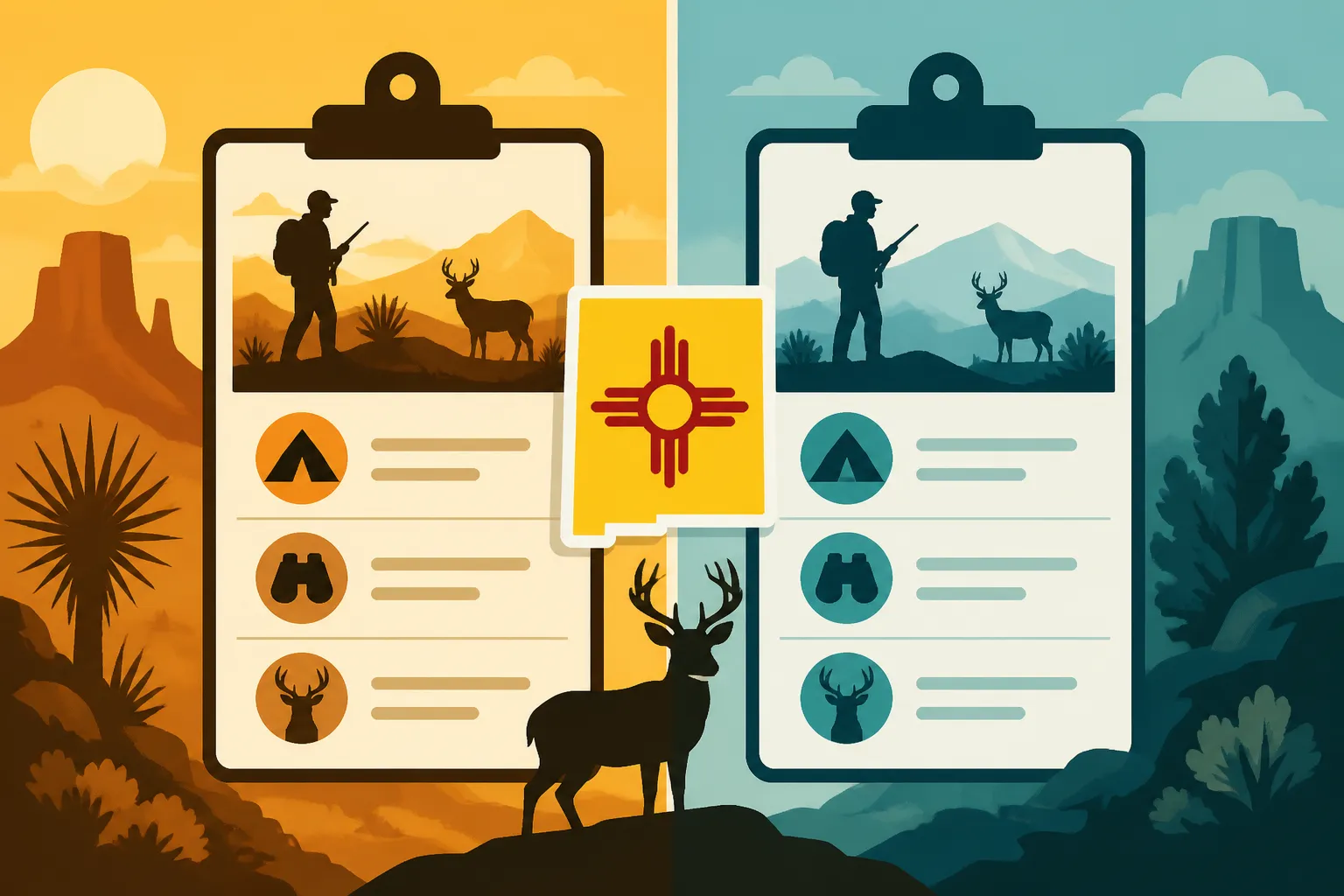
Deciding on a guided hunt in New Mexico is a huge investment, both financially and emotionally. It's truly disheartening when you've done your research, talked to a few outfitters, and now you're sitting there with two promising bids that look eerily similar on the surface, making it incredibly hard to pick the right one. This guide will help you meticulously break down and compare those outfitter bids side-by-side, ensuring you make an informed decision that aligns with your hunting goals and expectations.
Understanding the Scope: What's Truly Included (and What Isn't)
One of the biggest pitfalls when comparing outfitter bids is assuming that "fully guided" or "all-inclusive" means the same thing to every operation. Trust me, it almost never does. You need to dig past the flashy photos and the general descriptions to understand the nitty-gritty details of what your money actually covers, and more importantly, what it doesn't. This is where the devil truly hides in the details, and overlooking these distinctions can lead to unexpected costs and frustrations down the road.
Digging into the Base Price: Accommodation, Meals, and Daily Rates
When you look at the sticker price of a guided hunt, that figure usually represents the base cost for the guide's services, accommodation, and food. But even within these seemingly straightforward categories, there can be vast differences between two bids. For instance, "accommodation" could mean anything from a luxurious lodge with private rooms and hot showers to a canvas wall tent camp tucked deep in the Gila Wilderness, or even a basic spike camp where you're sleeping under the stars. Neither is inherently bad, but they offer vastly different comfort levels and experiences. You need to understand what you're signing up for. Ask about amenities: hot water, generator power, cell service (or lack thereof). Some outfitters include non-alcoholic beverages, while others might expect you to bring your own.
Meals are another area where expectations can diverge. Are you getting gourmet, lodge-cooked dinners every night, or are you packing freeze-dried meals to minimize weight in a backcountry setting? Both are valid approaches to feeding hunters, but they speak volumes about the overall style of the hunt. Pay close attention to the number of hunting days versus travel days included in the rate. A "seven-day hunt" might only include five actual days of hunting, with a day on either end for travel in and out of camp. Clarifying this upfront avoids a nasty surprise when you realize your time in the field is shorter than anticipated.
Beyond the Basics: Licenses, Tags, and Extra Fees
This is perhaps the most critical section to scrutinize when comparing bids. Very few, if any, outfitter bids in New Mexico will include the cost of your hunting license and big game tag in their base price. These are separate expenses you'll need to budget for, and they can add a significant amount to your overall hunt cost, especially for non-residents. Make sure you understand the current pricing for your chosen species and residency status. Are Tags Included in Outfitter Prices? will delve deeper into this.
Beyond the actual tags, what other fees might crop up?
- Transportation: Does the outfitter pick you up at the nearest commercial airport (like Albuquerque's Sunport for a northern hunt, or El Paso for a southern one), or do you need to arrange your own transport to a designated meeting point closer to the unit?
- Trophy Fees: This is common, especially on ranches with high-quality animals. Some outfitters charge an additional fee if you harvest an animal exceeding a certain size (e.g., a bull elk over 350 inches). This isn't always a deal-breaker, but it's essential to know if it applies and what the terms are.
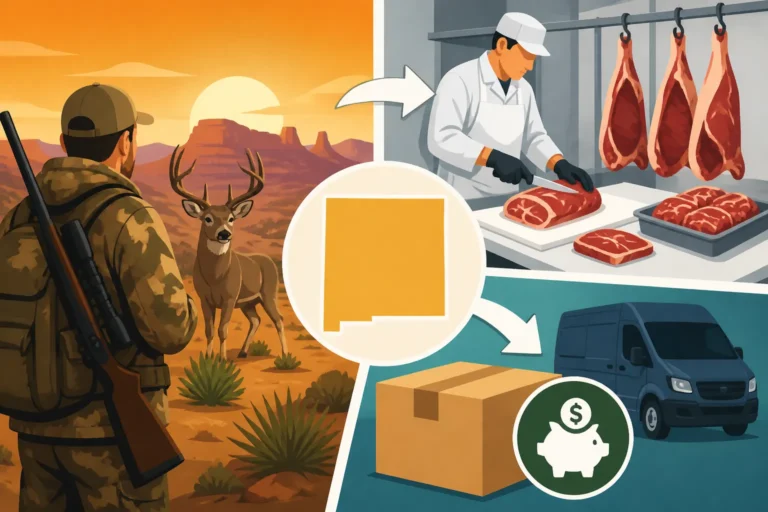
- Meat Processing & Taxidermy: Very rarely are these services included. Most outfitters will help you with initial field dressing and getting the animal out of the field, but the cost of butchering, vacuum-sealing, and shipping your meat, or caping and freezing your trophy for a taxidermist, usually falls on you. Ask if they have preferred local processors or taxidermists they can recommend and what those services typically run.
- Gratuities: Tipping your guide and camp staff is customary in the hunting industry, and while not a mandatory "fee," it's an expected part of the overall cost. Ask for a general guideline on what's appropriate.
- Special Permits or Fees: Are there any additional state or federal land access fees not covered by your general hunting license or habitat stamp? For instance, some specific areas, like tribal lands or private ranches, might have unique access fees.
A detailed comparison might look something like this:
| Feature/Cost Item | Outfitter Bid A | Outfitter Bid B |
|---|---|---|
| Base Price | (e.g., higher end of typical range) | (e.g., mid-range of typical cost) |
| Hunting Days | 5 Full Hunting Days | 6 Full Hunting Days |
| Accommodation | Wall Tent Camp (stove, cots, generator for lights) | Lodge (private rooms, hot showers) |
| Meals | Hearty field-cooked, packed lunches | Chef-prepared, lodge dining, packed lunches |
| Guide Ratio | 1:1 (one guide per hunter) | 2:1 (one guide per two hunters) |
| Transfers | Pick up from nearest town (e.g., Reserve, NM) | Pick up from Albuquerque International Sunport |
| License/Tag Costs | NOT INCLUDED | NOT INCLUDED |
| Trophy Fees | $1,500 for bulls over 350" B&C | NONE |
| Meat Processing | Arranged with local butcher, client pays | Arranged with local butcher, client pays |
| Taxidermy Prep | Basic caping and freezing, client pays shipping | Full cape and freeze, client pays shipping |
| Gratuities | Suggested 15-20% of base price | Suggested 10-15% of base price |
| Camp Amenities | Limited cell service, satellite phone available | Wi-Fi available, good cell service |
What a Guided New Mexico Elk Hunt Costs will give you a general idea of the financial commitment involved, helping you benchmark these numbers.
Evaluating Experience and Reputation: Not All Guides Are Equal
Beyond the dollars and cents, the experience and reputation of an outfitter are paramount. You're entrusting them with your precious hunting time, often a once-in-a-lifetime tag, and your safety in potentially remote and rugged New Mexico terrain. A polished website or a smooth sales pitch means nothing if the actual hunt doesn't deliver or, worse, if there are ethical or safety concerns. This is where your due diligence truly comes into play. You want an outfitter who is not only skilled but also operates with integrity and professionalism.
Checking References and Online Reviews
This is your golden ticket to understanding what a hunt with a particular outfitter is really like. Any reputable outfitter will gladly provide you with a list of past clients. Don't just pick the first few names; try to get references from different seasons or even different species if possible, especially if you're targeting a challenging animal like a Gila bull elk or a desert mule deer. When you call these references, ask pointed questions:
- "Was the hunt as described in the contract?"
- "How was the guide's demeanor and work ethic?"
- "What was the camp like?"
- "How did they handle unexpected challenges, like bad weather or a missed shot?"
- "Would you hunt with them again?"
- "Were there any hidden costs?"
Beyond direct references, delve into the online world. Websites like BookYourHunt can provide aggregated reviews and direct feedback from hunters who have booked with various operations. Search hunting forums and social media groups specific to New Mexico hunting. Look for consistent themes, both positive and negative. One disgruntled client might be an anomaly, but a pattern of complaints about disorganization, false advertising, or safety issues is a huge red flag. Conversely, repeated praise for a guide's hard work, knowledge of the unit, and ethical practices is a strong indicator of a quality operation. This step is critical to Vetting a New Mexico Outfitter Before You Send a Deposit.
Understanding Success Rates and What They Mean
Every outfitter loves to tout their success rates, and while they are an important metric, they need to be interpreted with a critical eye. A "100% opportunity rate" is very different from a "100% harvest rate." Opportunity means clients had a shot opportunity, not that they filled their tag. Harvest rate is the percentage of clients who actually took an animal. Always clarify which number they're quoting.
Furthermore, context is everything. An outfitter guiding archery elk hunts in the Gila might have a lower harvest rate than one running rifle deer hunts on private land, simply because of the inherent difficulty of the hunt style and species. Ask for success rates specific to the species, weapon, and unit you're interested in. Don't be afraid to ask for break-downs over the past few years, not just a single banner season. What constitutes a "trophy" for them? Is their definition of success aligned with yours? Some hunters are happy with any legal animal, while others are strictly seeking a record-book buck or bull. A good outfitter will be transparent about what's realistic for a given hunt and will manage your expectations honestly. New Mexico Outfitter Success Rates for Elk will show you how these numbers can fluctuate based on conditions and units.
Comparing Logistics and Practicalities: Making the Hunt Work for You
Once you've analyzed the financial and reputational aspects, it's time to consider the practicalities that will shape your personal hunting experience. This isn't just about what they offer, but how well their offering fits your personal needs, capabilities, and preferences. A fantastic outfitter might run a demanding backcountry hunt that simply doesn't align with your physical conditioning, for example.
Hunt Style, Physical Demands, and Accessibility
Hunting in New Mexico is incredibly diverse. You could be chasing pronghorn across the eastern plains from a pickup truck, packing mules deep into the Gila Wilderness for elk, or spot-and-stalking Barbary sheep in rugged rimrock country. Each of these styles comes with different physical demands and logistical considerations. If one outfitter specializes in horseback pack-in hunts and the other primarily utilizes ATVs for access from a comfortable lodge, that's a huge difference.
- Physical Fitness: Be brutally honest with yourself about your physical condition. If a bid describes a hunt in high-elevation, rugged terrain with extensive hiking, and you've spent the last year on the couch, that bid might not be the right fit, no matter how appealing the trophy potential. Ask about the average daily mileage, elevation changes, and the typical pace of the hunt. A good outfitter will appreciate your honesty and will help match you to an appropriate hunt. Physical Conditioning for a Gila Hunt is a great resource to assess your readiness.
- Medical Considerations: Do you have any medical conditions or dietary restrictions? Communicate these upfront. A remote tent camp might not be ideal if you require frequent access to medical facilities. Likewise, dietary needs might be easier to accommodate in a lodge setting than in a minimalist spike camp.
- Accessibility: How far is the drive from the nearest major airport or town? What are the road conditions like to get to the meeting point or camp? Will you need a 4×4 vehicle? These details, while seemingly minor, can impact your travel time, costs, and overall comfort getting to and from the hunt.
Deposit, Payment, and Cancellation Policies
Understanding the financial terms is crucial to avoid stress and potential financial loss. Every outfitter will have a deposit structure, a payment schedule, and a cancellation policy, and these can vary wildly between operations.
- Deposit Amount and Timing: How much of a deposit is required, and when is it due? Some outfitters ask for 50% upfront, others less. Is it refundable under any circumstances?
- Payment Schedule: When is the final balance due? Is it 30, 60, or 90 days before the hunt? Are there installment options?
- Cancellation Policy: This is a big one. What happens if you have to cancel due to unforeseen circumstances (illness, family emergency)? What if you fail to draw a tag in New Mexico's lottery system? Many outfitters will offer to roll your deposit over to the following year if you don't draw, but this is not always the case, and some may retain a portion of the deposit as a booking fee. Conversely, what happens if the outfitter has to cancel (e.g., due to wildfire closures, personal emergency, or an unexpected change in regulations)? Will you receive a full refund, or just a credit? Always get these terms in writing, and make sure you understand every clause. This is vital information covered in Reading the Cancellation and Refund Terms.
It's also worth asking about their policy if you're applying in the outfitter pool. If you don't draw an outfitter tag, can they still offer you a hunt on an EPLUS landowner tag, or an over-the-counter private land tag? Many hunters book with an outfitter well before the draw results are announced, so understanding what happens if you don't draw is paramount. Websites like GoHunt can provide valuable insights into draw odds for specific units and species, which might influence your booking strategy when applying for limited-entry tags. Booking Before New Mexico Draw Results Land offers more guidance on this timeline.
Finally, consider the outfitter's policy on guide accompaniment. New Mexico has specific rules regarding how many days a licensed outfitter or guide must be in the field with you, especially if you drew your tag through the outfitter pool. Ensure both bids clearly comply with How Many Days a New Mexico Outfitter Must Accompany You rules. The best practice is to have all these details in a clear, written contract before sending any money. If an outfitter is hesitant to provide a detailed contract, consider it a significant warning sign.
Disclaimer
This article is for general informational purposes only and does not constitute professional advice. Laws, prices and regulations vary by location and change over time. Consult a qualified professional for guidance on your specific situation.