Horses and Mules on a Gila Hunt
Trying to hunt New Mexico's Gila Wilderness on foot can be a truly humbling experience. This vast, rugged country, with its deep canyons, towering peaks, and sprawling timber, often feels designed to swallow even the most determined hunter whole. If you've ever dreamt of reaching those untouched basins, or simply shuddered at the thought of packing a heavy elk out miles on your back, then you already understand the problem. This guide is all about how horses and mules can be your most invaluable partners in conquering the Gila, making those remote areas accessible and your hunt far more manageable.
The Indispensable Role of Pack Stock in the Gila Wilderness
The Gila National Forest is not just "big country"; it's an intimidating expanse of rugged terrain that challenges hunters like few other places. From the steep ascents to the thick timber and lack of roads, getting deep into the wilderness, staying there, and especially getting an animal out, requires strategic thinking. This is where horses and mules transform a daunting expedition into a feasible adventure, opening up opportunities you simply can't reach on foot alone.
Why the Gila Demands More Than Your Own Two Feet
Imagine looking at a topographic map of units like 16A or 16D, seeing endless green and contour lines stacked so tight they look like a solid wall. That's the Gila. Roads are sparse, and designated wilderness areas like the Gila Wilderness and the Aldo Leopold Wilderness mean no motorized vehicles are allowed. This pushes game into remote sanctuaries where hunting pressure is significantly lighter. However, reaching these spots on foot is an exhausting, multi-day affair. You're not just hiking; you're often breaking trail, navigating dense brush, and crossing canyons that can drop thousands of feet. The sheer physical toll of carrying enough food, water, and gear for several days, let alone the added weight of an elk quarter, quickly becomes overwhelming.
Many hunters dream of getting back into those untouched pockets, the ones they see on satellite imagery or hear legends about. But the reality of hiking in six or eight miles, setting up a spike camp, hunting hard for days, and then facing a potential Packing an Elk Out of the Gila Alone is enough to make many reconsider. The elevation changes, often from 4,000 feet up to 10,000 feet, compound the difficulty, draining energy and testing endurance. This is where the four-legged members of your team become your greatest asset, allowing you to cover vast distances with less personal exertion and carry far more provisions. They let you focus your energy on hunting, not just surviving the hike.
Horses for Riding, Mules for Packing: Understanding the Difference
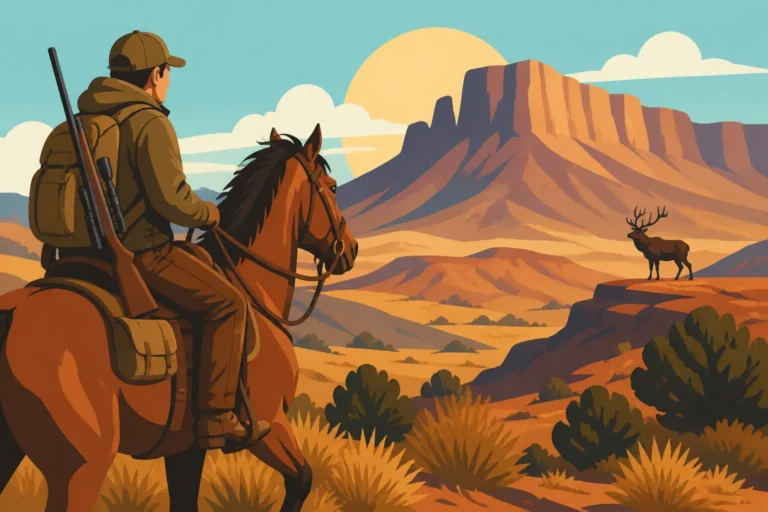
While often used interchangeably in conversation, horses and mules each bring distinct strengths to a Gila hunt, and a good pack string usually includes both. Horses are generally bred for riding. They offer a smoother ride, are often quicker, and can cover ground efficiently with a rider in the saddle. Their calm demeanor and responsiveness make them excellent for covering long distances, getting you comfortably from trailhead to camp, or even for leisurely scouting rides around a larger area. They are the workhorses of your personal transport, saving your legs for the actual hunting once you dismount.
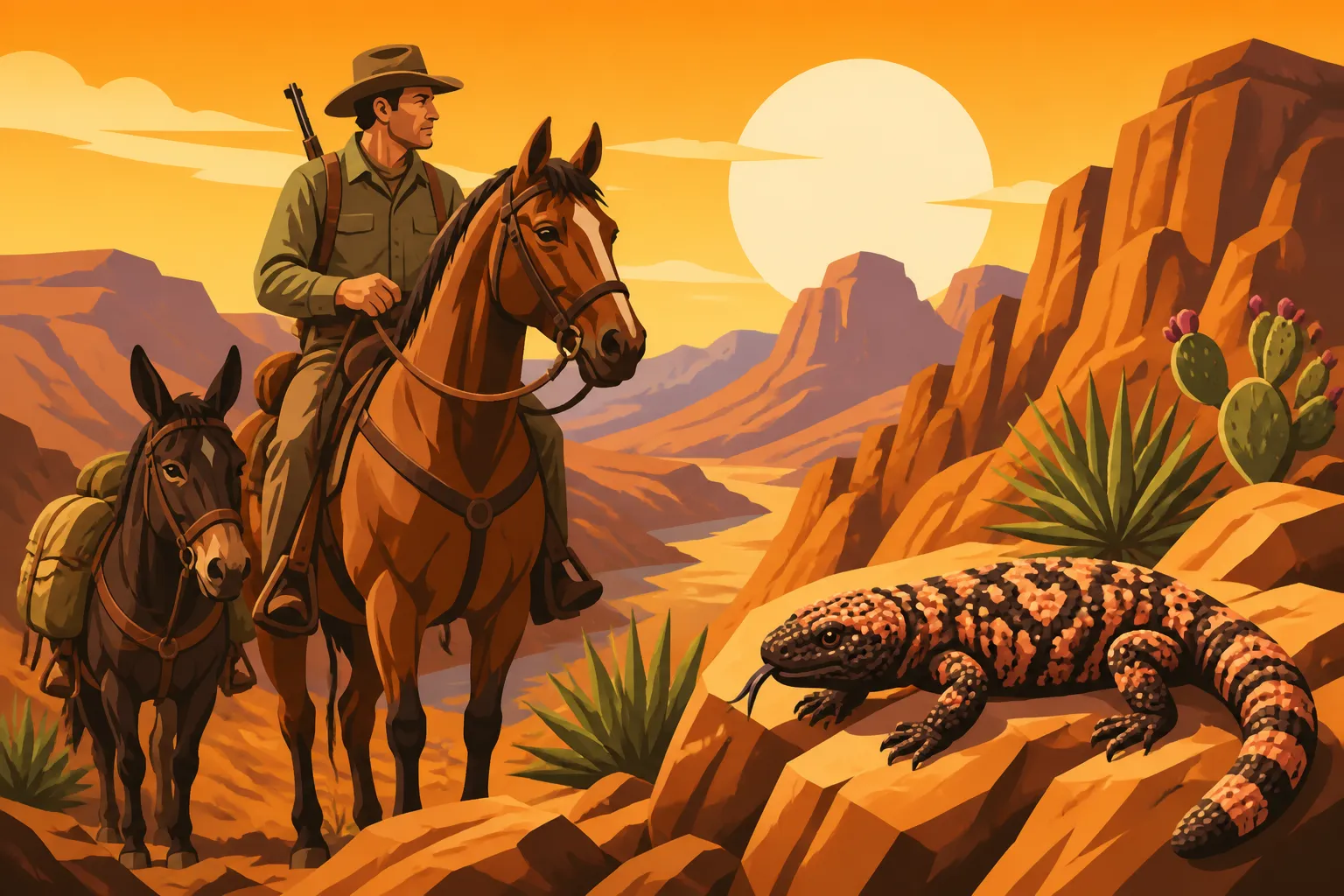
Mules, on the other hand, are the undisputed champions of packing. A hybrid of a horse and a donkey, they combine the strength and size of a horse with the intelligence, sure-footedness, and incredible endurance of a donkey. Mules are legendary for their ability to navigate treacherous terrain with heavy loads. They have a lower center of gravity, hooves that grip incredibly well, and a natural caution that makes them excellent at picking their way through rocky slopes, muddy trails, and steep inclines without losing their footing. If you're planning to haul out significant weight – like a quartered elk, several days' worth of camp gear, or heavy water containers – a string of mules is absolutely essential. While you can ride a mule, their gait can sometimes be a bit bumpier than a horse's, but for reliable, sturdy packing, they are truly unmatched. Together, a mix of horses for riding and mules for packing forms the ideal team for any serious Gila backcountry expedition.
Planning Your Pack String for a Gila Hunt
Deciding to use horses and mules for a Gila hunt is one thing; actually making it happen requires careful planning. You have two main routes: either taking on the significant undertaking of bringing and managing your own stock, or enlisting the expertise of a professional outfitter. Each option has its own set of considerations, from cost to experience, and choosing the right path will heavily influence the success and enjoyment of your hunt.
DIY vs. Hiring an Outfitter with Stock
The idea of a DIY horse pack trip into the Gila sounds incredibly romantic, doesn't it? And for experienced horsemen with the right gear, it absolutely can be. If you own your own horses or mules, have years of experience packing, maintaining trails, and animal care, and possess all the necessary equipment from saddles to panniers, then a DIY trip might be a cost-effective and deeply rewarding option. You have complete control over your schedule, your animals, and your route. However, the upfront investment in stock, trailers, and specialized gear is substantial, not to mention the immense responsibility and knowledge required. One wrong step with an animal far from a road can turn a hunt into a crisis.
For most hunters, especially those without extensive equine experience or their own reliable string, hiring an outfitter with stock is a far more practical and often safer choice. Reputable New Mexico outfitters specialize in guided or drop camp services that utilize horses and mules to access remote areas of the Gila. They provide seasoned guides, well-trained animals, all the necessary packing gear, and crucial local knowledge of the terrain and game movements. This allows you to focus on the hunting without the added stress of animal husbandry in the backcountry. While the cost is higher than a DIY venture, the peace of mind, access to prime hunting areas, and the increased chance of success often make it a worthwhile investment. You can find many reputable operators through platforms like BookYourHunt or by doing some research on outfits known for their deep Gila roots. These services often include Gila Outfitters Sell Access to Country You Cannot Reach Alone, ensuring you get to the best spots.
Essential Gear and Logistics for a Horseback Hunt
Whether you're going DIY or opting for a drop camp, understanding the gear and logistical demands of a horseback hunt is crucial. For the animals themselves, comfortable and well-fitting saddles are paramount for riding horses, while pack saddles are essential for mules. Panniers – large bags that hang on either side of the pack saddle – are what you'll use to carry most of your gear, food, and eventually, meat. You'll also need rope, lead lines, hobbles, and probably a high line system for safely securing your animals in camp overnight. Don't forget feed; if you're in the wilderness for an extended period, you'll need to pack in cubes or pellets, as grazing might be limited or restricted.
Logistically, water planning is often underestimated. While the Gila has rivers and creeks, especially during certain times of the year, carrying extra water for yourself and your animals, particularly in drier units or on ridgetops, is vital. You might need to make strategic water caches or plan your route around known Water Sources and Ethics in Desert Hunting. Food storage is another big one; in bear country, all food and scented items must be hung from trees or stored in bear-resistant containers, which adds to your packing load. Both you and your animals need to be conditioned. Just as you'd train for a high-elevation hunt, your horses and mules need to be physically ready for the strenuous demands of the Gila terrain. Planning routes, contingency plans for weather or animal issues, and emergency communication like a satellite messenger are also indispensable. For those doing their own research, a platform like GoHunt can be invaluable for e-scouting and understanding terrain characteristics before you ever leave home.
What to Expect When Hunting with Horses and Mules
Embarking on a Gila hunt with horses and mules fundamentally changes the experience. It's not just about getting from point A to point B; it's about extending your reach, conserving your energy, and dramatically simplifying the most physically demanding aspect of any successful hunt: getting your game out of the backcountry.
The Pace and Reach of a Horseback Hunt
Hunting with horses and mules allows you to cover significantly more ground than you could on foot, especially in the vastness of the Gila. A seasoned string of horses can comfortably travel 10-15 miles in a day, sometimes more, even across challenging terrain. This means you can access those remote basins and ridges that are simply too far for a practical spike camp on foot. Imagine being able to ride several hours into a secluded canyon, dismount, and hunt prime elk country with fresh legs, rather than arriving exhausted after a grueling hike. This extended reach translates directly to finding less pressured animals. You can penetrate deeper into areas known for older, bigger bulls, increasing your chances of success.
Moreover, having stock allows you to establish a more comfortable base camp further into the wilderness. Instead of worrying about carrying every single item on your back, you can bring extra provisions, better camping gear, and even some small luxuries that make a multi-day backcountry hunt more enjoyable. This improved comfort and access to more supplies can boost morale and endurance, which are critical when you're hunting hard for a week or more across Hunting New Mexico From 4,000 Feet to 10,000. You might even be able to scout new territory more effectively, riding ridgelines to glass distant slopes and then dismounting to slip into promising draws, giving you a comprehensive advantage.
Handling Game Recovery and Packing Out
This is arguably where horses and mules truly earn their keep. Down an elk, especially a bull, in the Gila, and the initial thrill can quickly turn to dread when you realize the monumental task of Packing an Elk Out of the Gila Alone. An average bull elk can weigh over 700 pounds live, meaning you're looking at hundreds of pounds of meat, bone, and hide to move, often uphill, over rough terrain, for miles. Without stock, this can easily become a multi-day ordeal involving multiple trips, immense physical strain, and a race against time, especially if Heat Management on an Early Season Hunt is a concern.
With horses and mules, game recovery, while still hard work, becomes infinitely more manageable. Once your animal is quartered and caped, you can systematically load the heavy quarters into panniers. A strong mule can comfortably carry 150-200 pounds, sometimes more, depending on the animal and the terrain. This means a single mule can typically carry two elk quarters, potentially allowing you to pack out an entire elk with just a couple of trips and a few animals. The sheer relief of having your stock ready to haul that heavy load back to camp or trailhead is immeasurable. It also drastically reduces the risk of spoilage, as you can get the meat cooled and processed much faster. This efficiency is critical for both the ethical treatment of the animal and ensuring you bring home quality meat.
Animal Care and Ethical Considerations in the Backcountry
Bringing horses and mules into the wilderness carries a significant responsibility. These aren't just tools; they are living, breathing partners whose well-being is paramount. Ethical animal care means ensuring they are properly fed, watered, and rested. They need appropriate tack that fits well to prevent sores, and you must regularly check them for any signs of injury or discomfort, especially after navigating rocky trails. Knowing basic equine first aid is crucial, as veterinary care is non-existent deep in the Gila. This also extends to managing their impact on the environment.
When camping with stock, it's essential to follow Leave No Trace principles. This means packing out all feed, hay, and any other non-native materials. Distribute manure and scatter pawed areas to minimize impact. Use designated high lines or tie animals in a way that minimizes damage to trees and vegetation. Be mindful of water sources, ensuring that animals don't contaminate them. Respect other wilderness users; not everyone is accustomed to seeing horses and mules on the trail, so always yield the right-of-way and communicate clearly. The Gila is a pristine and sensitive environment, and as hunters, we have a duty to minimize our footprint, whether it's our own or that of our trusty four-legged companions.
Disclaimer
This article is for general informational purposes only and does not constitute professional advice. Laws, prices and regulations vary by location and change over time. Consult a qualified professional for guidance on your specific situation.