Tribal and Pueblo Boundaries to Respect
It's an all too common scenario for New Mexico hunters: you're out in the field, maybe chasing a mule deer or an elk, you've been carefully consulting your maps, and suddenly you spot a fence line or a faded sign that makes you pause. You realize you might be close to, or even on, land that isn't just "public" or "private" in the traditional sense, but land with a much deeper, more complex history and a unique set of rules. Navigating the diverse landscape of New Mexico, especially when it comes to respecting tribal and Pueblo boundaries, is absolutely critical for a successful and legal hunt. This guide will walk you through understanding these unique land designations, how to identify them, and the crucial steps you need to take to avoid unintentional trespass and ensure a respectful hunting experience.
The Complexities of Land Ownership in New Mexico
New Mexico's landscape is a fascinating mosaic of different land designations, each with its own set of rules and access policies. While we often think in broad strokes of "public land" (like National Forests or BLM ground) and "private land," the reality, especially in a state with such a rich Native American heritage, is far more nuanced. It’s easy to get turned around, especially when you're focused on tracking game, but understanding these distinctions is paramount.
Why Boundaries Matter More Than Ever
In the excitement of a hunt, it can be tempting to focus solely on the game and the terrain. However, ignoring property lines, especially those of tribal and Pueblo lands, can lead to serious legal repercussions and irreparable damage to the reputation of hunters everywhere. Imagine you're deep in an area you thought was public, perhaps following a hot elk track, only to discover you've crossed onto land where your hunting license holds no sway. The consequences can range from hefty fines and confiscation of your harvest or even your equipment, to criminal charges for trespass. It's not just about avoiding trouble for yourself; it's about honoring the rights and sovereignty of landowners. Every time a hunter disregards a boundary, it creates friction, leading to more "No Hunting" signs and further restricting access for all of us. This is why having a clear understanding of where you are at all times is so important.
The Unique Status of Tribal and Pueblo Lands
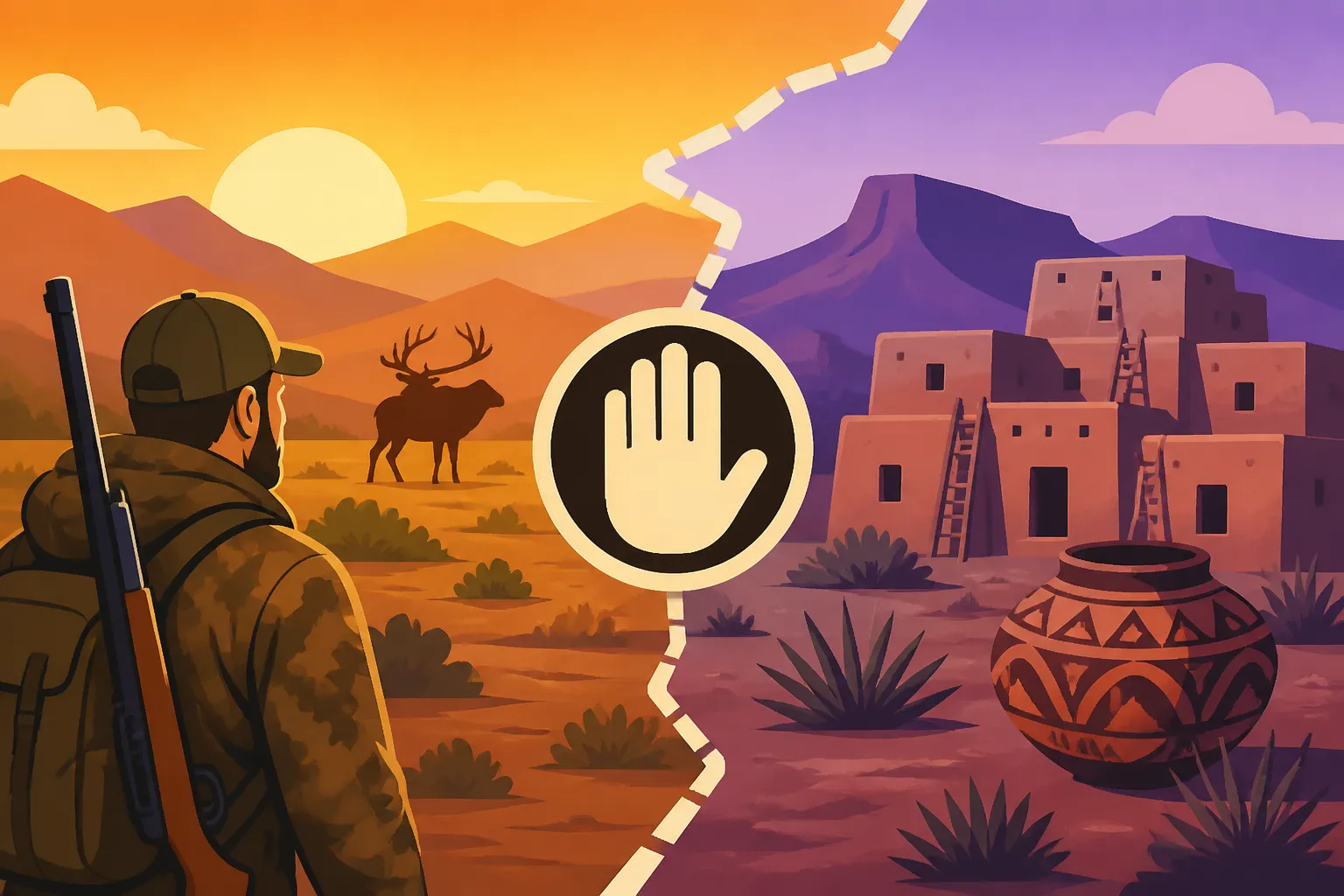
Unlike federal lands managed by the Bureau of Land Management (BLM) or the Forest Service, or even state trust lands, tribal and Pueblo lands are sovereign nations within New Mexico. This means they are not subject to the same state hunting regulations or public access easements that apply to other categories of land. A New Mexico hunting license, which typically grants you access to hunt on general public lands, explicitly does not authorize you to hunt on tribal or Pueblo lands without specific, separate permission from the governing tribal authority. These lands have been home to indigenous peoples for thousands of years, and their governments maintain strict control over who can access them and under what conditions. Tribal and Pueblo Boundaries to Respect is not just a polite request; it's a legal and ethical imperative rooted in sovereignty and cultural heritage. You simply cannot assume that because a piece of land looks wild and undeveloped, it is open for hunting.
Identifying Tribal and Pueblo Lands
The first step to respecting tribal and Pueblo boundaries is knowing where they are. This isn't always as simple as looking for obvious signage, especially in remote areas where markers might be sparse or weathered. Modern technology has become an invaluable tool for hunters, but combining it with traditional methods provides the most robust defense against unintentional trespass.
Utilizing Digital Mapping Tools
In today's hunting world, digital mapping applications like onX Hunt and GoHunt have become indispensable for navigating New Mexico's complex land ownership. These apps offer detailed layers that visually differentiate between private, state, federal, and crucially, tribal and Pueblo lands.
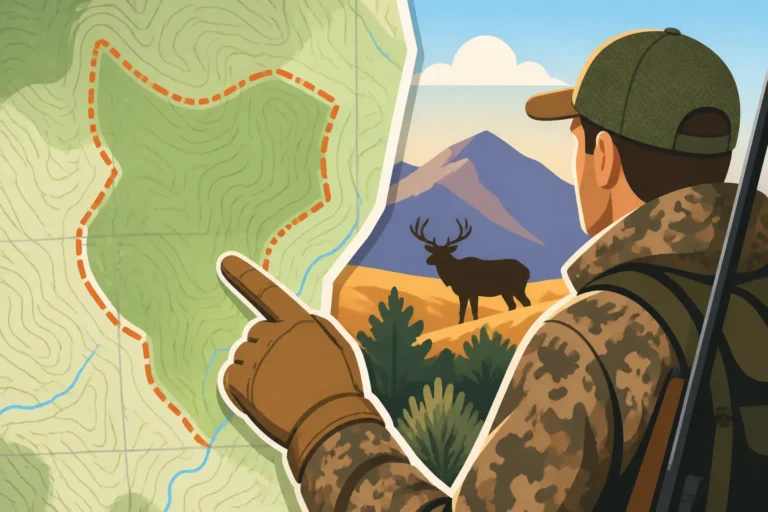
When you're planning your hunt, or even in the field, loading your unit's boundaries onto one of these platforms can save you a world of trouble. You can zoom in and see exact property lines, often color-coded, clearly showing where tribal land begins and ends. For example, if you're scouting near the Jicarilla Apache Nation or one of the many Pueblo lands along the Rio Grande corridor, these apps will highlight those boundaries vividly. It's not enough to just glance at the map; you need to understand Reading a Land Ownership Layer Correctly and actively monitor your position, especially if you're stalking an animal near a perceived boundary. Using the GPS functionality on your phone, even without cell service, can pinpoint your exact location relative to these critical lines, giving you peace of mind and preventing accidental incursions. Always download offline maps before heading into areas with no signal.
Understanding Traditional Maps and Cultural Markers
While digital tools are incredibly powerful, they should always be complemented by a thorough understanding of physical maps and local knowledge. Good old-fashioned paper maps, especially those from the Forest Service or BLM, can offer excellent overview and topographic detail, often depicting tribal lands as distinct entities. However, these maps may not always be as granular as digital apps for exact property lines.
Beyond maps, it's vital to be aware of physical markers in the landscape itself. Fences, often with specific types of posts or wire, can delineate property lines. Sometimes, you'll see signage, though it might be old, faded, or in a language you don't immediately recognize. Learning to spot these subtle cues, even when your eyes are scanning for game, is a skill every responsible hunter needs to cultivate. Locals might also provide valuable insights into specific areas, though always cross-reference with official maps. Keep an eye out for changes in infrastructure, fence styles, or even different land management practices that can signal a shift in ownership. For instance, a sudden change in grazing patterns or timber management might indicate a different landowner, and that landowner could be a tribal entity. Always err on the side of caution.
Respecting the Rules and Seeking Permission
Once you've identified tribal or Pueblo lands, the next step is straightforward: respect their rules. This isn't just about avoiding a fine; it's about showing respect for the cultural heritage and sovereignty of the indigenous communities who manage these lands.
The Necessity of Explicit Permission
Let's be crystal clear on this: a New Mexico state hunting license does not grant you permission to hunt on tribal or Pueblo lands. Period. Your state license applies to state trust lands (with a proper HMAV or Habitat Stamp), federal lands, and private lands where you have explicit permission. Tribal lands operate under their own governmental authority, issuing their own permits and setting their own seasons, bag limits, and rules. If you find yourself near a tribal boundary and wish to hunt on that land, you absolutely must obtain separate, explicit permission directly from the relevant tribal government. This usually means purchasing a tribal hunting permit, which is a completely different process from the New Mexico state draw. Trying to sneak onto tribal land to hunt is not only illegal but deeply disrespectful. It damages the trust between the hunting community and tribal nations, making it harder for future generations of hunters to gain any access or goodwill. Understanding Hunting New Mexico Tribal Land Through an Operator can offer insights into the formal processes some tribes have established.
Hunting Opportunities on Tribal Lands
While you can't just wander onto tribal land with your state tag, many New Mexico tribes and Pueblos do offer incredible hunting opportunities. These hunts are often highly sought after, known for exceptional game quality and unique cultural experiences. For example, the Jicarilla Apache Nation and the Mescalero Apache Tribe are renowned for their trophy elk and deer hunts, which are often fully guided and offer a very different experience than a DIY public land hunt.
These opportunities usually come with their own application process, fees, and strict guidelines. You'll typically apply directly through the tribal game and fish department or their designated outfitters. The costs can be significantly higher than a state tag, reflecting the quality of the game and the unique management practices. However, they provide access to some of the best hunting grounds in the state. If you're interested in pursuing a hunt on tribal land, start by researching the specific tribe or Pueblo you're interested in, visiting their official websites, or calling their game and fish departments well in advance. Remember, these are sovereign nations, so their rules and timelines might differ significantly from state regulations. Look into Mescalero Apache Guided Elk Hunts or Jicarilla Apache Trophy Hunts for examples of what's available.
Consequences of Trespassing and Ethical Considerations
The stakes are high when it comes to respecting tribal and Pueblo boundaries. It's not merely a theoretical concern but a real-world issue with tangible consequences, both legal and ethical. Understanding these repercussions can reinforce the importance of meticulous planning and respectful conduct.
Legal Ramifications of Trespass
Trespassing on tribal or Pueblo lands, especially with a firearm or while hunting, is a serious offense. The legal consequences can be severe and far-reaching. You could face:
- Significant Fines: These can easily run into the thousands of dollars, far exceeding the cost of a state hunting license or even a tribal permit.
- Confiscation of Equipment: Your firearms, bows, optics, vehicles, and even your harvested animal can be seized by tribal law enforcement. Recovering these items can be a long, costly, and often unsuccessful process.
- Criminal Charges: Trespass can lead to arrest and prosecution in tribal court, and potentially even state or federal charges, depending on the circumstances. This could result in jail time, probation, and a permanent criminal record, which can impact your ability to hunt in the future.
- Loss of Hunting Privileges: Beyond tribal penalties, the State of New Mexico can also revoke your hunting and fishing privileges for a period of years for egregious violations.
It's a stark reminder that ignorance of boundaries is no excuse in the eyes of the law. You are responsible for knowing where you are hunting, plain and simple. Imagine the heartbreak of finally drawing a coveted New Mexico elk tag, only to have your hunt end prematurely with legal trouble because you didn't double-check a boundary. It's a risk no hunter should take.
The Broader Impact on Hunter-Landowner Relations
Beyond the personal legal headaches, trespassing has a corrosive effect on the broader relationship between hunters and all landowners, including tribal nations. Every act of disrespect, every ignored boundary, chips away at the goodwill and tolerance that allows for public and private land hunting opportunities. When hunters trespass, tribal communities (and private landowners alike) become more wary, often leading to increased restrictions, tighter enforcement, or even complete closures of access.
Our collective responsibility as hunters is to be exemplary stewards of the land and respectful guests wherever we go. This means going above and beyond to verify boundaries, seeking permission diligently, and adhering to all rules, even if they seem inconvenient. When we show respect for tribal sovereignty and cultural values, we not only protect our own hunting future but also foster positive relationships that can open doors, rather than close them, for future generations. It’s about building bridges, not burning them. Being a responsible hunter means doing your homework, using your tools like onX Hunt to stay informed, and always treating the land and its stewards with the utmost respect.
| Land Type | Primary Governing Authority | Access Requirements for Hunting | New Mexico State Tag Validity | Typical Access Experience |
|---|---|---|---|---|
| Federal Public Land | US Forest Service, BLM | State hunting license + HMAV/Habitat Stamp (where applicable) | Yes | Generally open, follow specific unit regulations |
| New Mexico State Trust Land | New Mexico State Land Office | State hunting license + HMAV/Habitat Stamp (specific to NMSLO) | Yes (with NMSLO-specific stamp) | Open with proper stamps, follow state regulations and NMSLO rules |
| Private Land | Individual/Corporate Landowners | Explicit, written permission from landowner | Yes (with landowner permission) | Varies widely, often restricted, can be leased or paid access |
| Tribal & Pueblo Land | Sovereign Tribal/Pueblo Governments | Separate tribal hunting permit/license (explicit permission) | NO (unless specifically permitted by tribe, which is rare) | Separate, often guided hunts; highly regulated and unique |
Disclaimer
This article is for general informational purposes only and does not constitute professional advice. Laws, prices and regulations vary by location and change over time. Consult a qualified professional for guidance on your specific situation.