Access Around Elephant Butte
For many hunters, the idea of pursuing game around a landmark like Elephant Butte Reservoir in New Mexico can be both enticing and incredibly daunting. The vastness of the landscape, coupled with the intricate mosaic of public and private land, not to mention fluctuating water levels, makes understanding where you can legally and effectively hunt a real head-scratcher. It’s easy to get lost in the regulations and feel like you're constantly on the verge of trespassing. This guide aims to clear up that confusion, offering a detailed look at navigating access around Elephant Butte, helping you plan a successful and stress-free hunt.
Understanding the Landscape Around Elephant Butte Reservoir
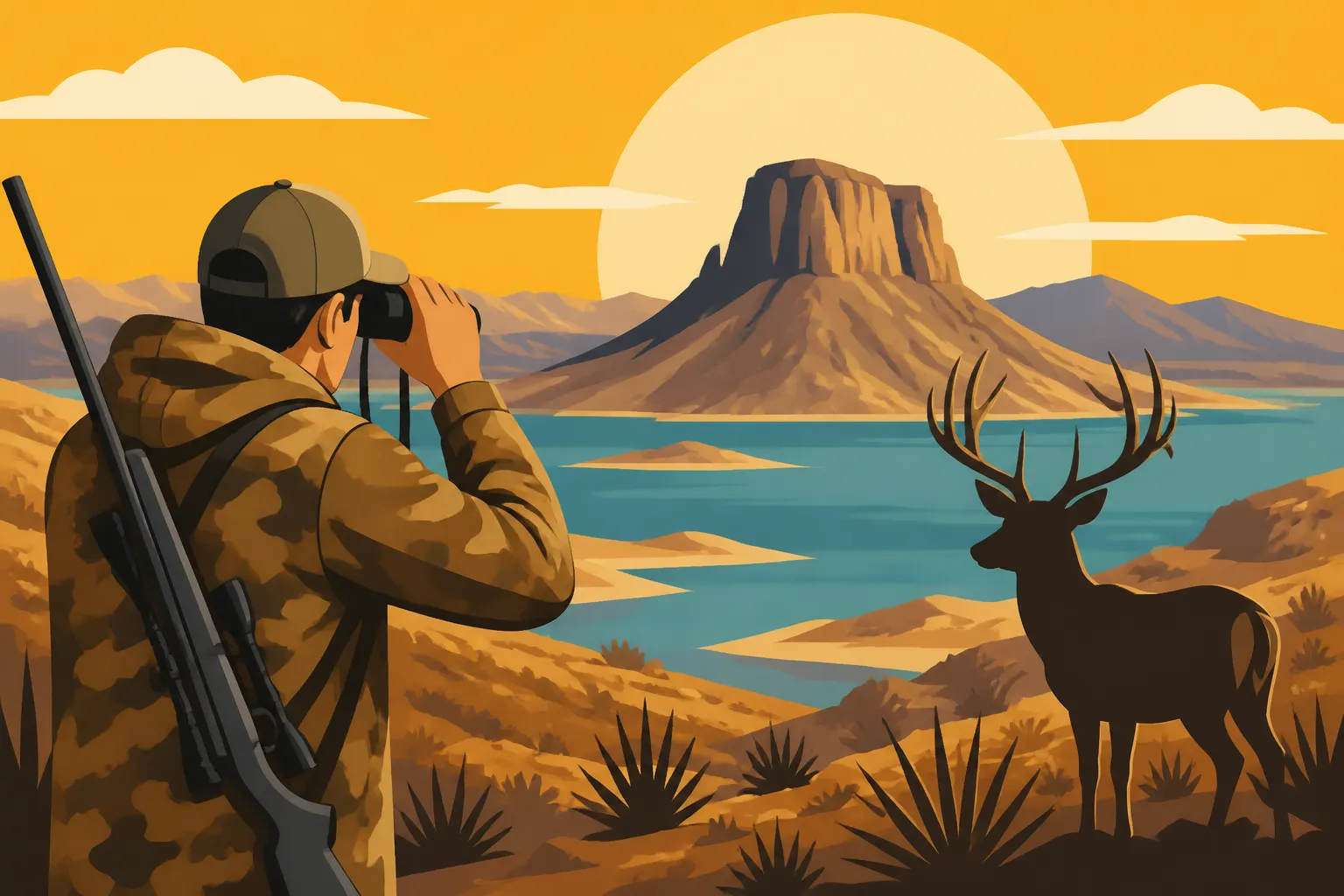
Elephant Butte Reservoir is a massive body of water, and its surrounding lands are a complex blend of various jurisdictions, all of which impact hunting access. It's not just a big lake; it's a dynamic ecosystem shaped by the Rio Grande, land management agencies, and even private holdings. Getting a handle on this diverse terrain is the first step to unlocking its hunting potential.
The Geographic and Hydrologic Context
Elephant Butte Reservoir, fed by the Rio Grande, sits in south-central New Mexico, dominating a landscape that transitions from high desert scrub to riparian corridors. The reservoir itself is a Bureau of Reclamation project, but the land immediately surrounding it, especially at lower elevations, is managed in various ways. The sheer size of the lake means that its shorelines can extend or recede significantly depending on snowmelt and rainfall, especially in dry years. This constant change profoundly affects access points, road conditions, and where game animals concentrate. What might be dry ground one year could be underwater the next, turning familiar hunting spots into inaccessible marsh or open water. This variable environment means your scouting, both in person and with digital tools, needs to be dynamic and up-to-date.
Dominant Land Ownership Types
The area around Elephant Butte is a patchwork of land ownership, making it crucial for hunters to understand who owns what. You'll primarily encounter Bureau of Land Management (BLM) land, New Mexico State Trust Land, private property, and land managed directly by the New Mexico Department of Game and Fish (NMDGF) or the Bureau of Reclamation. BLM lands typically offer the most open access for hunters, often without additional permits beyond your valid New Mexico hunting license. State Trust Lands, while generally accessible with a valid hunting license, come with specific rules regarding scouting periods and vehicle use, which we'll dive into shortly. Private lands are, of course, off-limits without explicit permission from the landowner, and these often checkerboard prime hunting areas, creating tricky access challenges. Ignoring these boundaries can lead to severe penalties, so it’s essential to be absolutely certain of your location at all times.
The Role of the Rio Grande Corridor
The Rio Grande, flowing both into and out of Elephant Butte, forms a vital riparian corridor that acts as a lifeline for wildlife in this arid region. This green ribbon attracts a variety of game, including deer, javelina, and small game like rabbits and quail. However, the river corridor itself often consists of private property, agricultural fields, and state park lands where hunting is restricted or prohibited. Even where public lands meet the river, access can be difficult due to dense vegetation, cliffs, or irrigation canals. Hunters need to carefully delineate public stretches along the river, often relying on detailed maps. Hunting the Rio Grande Corridor can be incredibly productive, but it demands careful planning to ensure you're not inadvertently trespassing or hunting in a restricted zone. The river is a major attractant, but it's also a maze of nuanced access.
Navigating Public Access for Hunting Near Elephant Butte
With the general landscape in mind, let’s get into the nitty-gritty of how to actually access those public lands for hunting around Elephant Butte. It's not always straightforward, and understanding the specific rules for each land type is key to a legal and enjoyable experience.
State Trust Land and Its Rules
New Mexico State Trust Land is a significant component of public hunting access around Elephant Butte and across the state. Unlike federal lands, State Trust Lands are managed by the State Land Office with a primary goal of generating revenue for state beneficiaries, often schools. However, a valid New Mexico hunting license acts as your easement for recreational access, including hunting, on these lands. This means you don't need a separate permit to step foot on it for hunting purposes, which is a huge benefit.
However, there are crucial rules to remember. You can only scout State Trust Land up to 14 days before your specific hunt unit's season opens. This prevents excessive pre-season pressure and disruption. Camping is also restricted on State Trust Lands; generally, it's not allowed without a specific permit, which is rarely granted for hunting. Vehicle access is typically limited to established roads, so don't plan on driving cross-country to retrieve game or set up camp. Always carry a copy of your license and be prepared to show it if asked by a State Land Office official. Using mapping applications like onX Hunt is invaluable for identifying these parcels and their boundaries, helping you stay compliant. For a deeper dive into the specifics, check out New Mexico State Trust Land Access Rules.
BLM Ground Opportunities
Bureau of Land Management (BLM) lands are often the workhorse of public hunting in New Mexico, offering extensive, relatively unrestricted access. Around Elephant Butte, large tracts of BLM land can be found, often interspersed with State Trust Land and private parcels. BLM ground generally allows for more flexibility than State Trust Land when it comes to activities like dispersed camping (unless otherwise posted), and often has a denser network of two-track roads for access.
This is where much of the open-country hunting for desert mule deer, pronghorn, and various small game occurs. Because of its expansive nature and generally looser regulations compared to state parks or specific recreation areas, BLM Ground Carries Most of New Mexico's Open Access. However, even on BLM land, it's vital to respect private property inholdings. Just because you're on BLM doesn't mean you can cross a private parcel that happens to be surrounded by it. Always be aware of signs, fences, and property lines. Maps from GoHunt or onX Hunt are invaluable for clearly delineating these boundaries, helping you navigate confidently and avoid accidental trespass. Many areas might have old mining claims or grazing leases, which don't restrict public hunting but are important to be aware of.
Special Regulations for the Reservoir Area
Hunting directly within the Elephant Butte Lake State Park boundaries or on the immediate shoreline managed by the Bureau of Reclamation can be highly restricted or entirely prohibited. These areas are primarily designated for recreation, fishing, and boating, not hunting. While some species like waterfowl might be pursued in designated areas on specific larger lakes in New Mexico, Elephant Butte typically does not allow big game hunting directly adjacent to the main recreation zones.
The exact boundaries of these restricted areas can be confusing, often extending some distance from the actual high-water mark. It's imperative to consult the current NMDGF regulations booklet and possibly the State Parks website to understand specific no-hunting zones. Don't assume that because it looks like open desert, you can hunt it. Often, even areas within a mile or two of major campgrounds or boat ramps are off-limits for safety and public use reasons. This is one of those frustrating aspects where the map tools mentioned earlier become indispensable, as they often have layers indicating state park boundaries or restricted zones. You don't want to inadvertently step into a campground with your rifle.
Key Considerations and Practical Advice for Hunters
Hunting around Elephant Butte requires more than just knowing where the public land is. You need to understand how the environment itself influences your hunt, and how best to prepare for the unique challenges this area presents.
Seasonal Water Level Impacts on Access
The water level in Elephant Butte Reservoir is probably the single most dynamic factor impacting hunting access. In years of high water, what was once a drivable two-track road leading to prime hunting ground can become inundated and impassable. Boat ramps might be submerged, or new islands might form, creating temporary new habitats. Conversely, in low-water years, vast mud flats and exposed lakebed can become difficult to traverse, but they also expose new terrain for animals to explore, and they can consolidate game around the remaining Water Sources That Concentrate Desert Game.
Roads that follow the old shoreline might suddenly become accessible again, opening up new areas. Always check current conditions before heading out. The NMDGF and State Parks websites often have updates on reservoir levels, and local knowledge from bait shops or ranger stations can be invaluable. Don't rely solely on satellite imagery from months ago; the landscape can literally change overnight after a big rain or a significant water release. Planning for these fluctuations means being adaptable and having alternative access points in mind.
Mapping Tools for Successful Planning
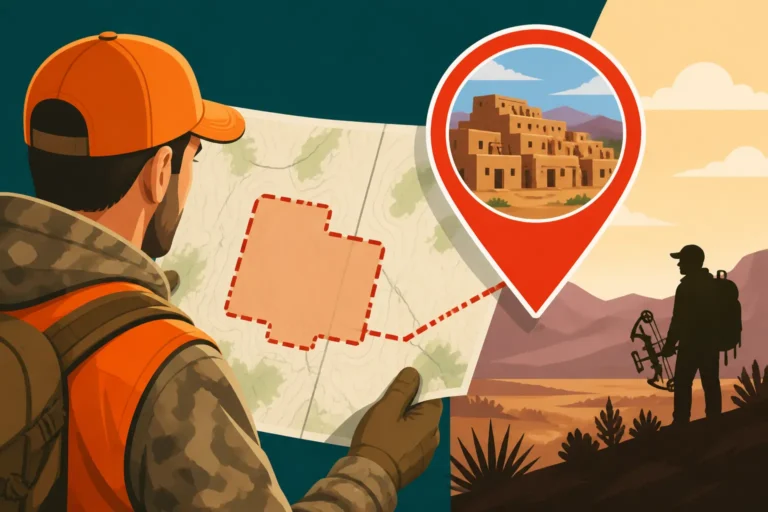
In a checkerboard landscape like Elephant Butte, digital mapping tools are not just helpful; they are absolutely essential. Platforms like onX Hunt and GoHunt provide detailed overlays showing land ownership, unit boundaries, roads, trails, and even water sources. These are far superior to traditional paper maps for understanding the intricate public/private mix.
For example, using onX Hunt, you can instantly see if that promising ridge is on BLM land or a private ranch, and crucially, identify legal access corridors. Reading a Land Ownership Layer Correctly is a skill every hunter needs to develop, and these apps make it much easier. You can drop pins on potential water sources, mark game sightings, and even track your movements to avoid getting disoriented. GoHunt often provides detailed draw odds and unit information, which, while more relevant to applying for tags, complements the navigational aspects perfectly. Before any hunt, spend significant time e-scouting with these tools, identifying all potential access points, escape routes, and alternative areas should your primary plan fall through due to unforeseen circumstances like high water or unexpected private land postings. This level of preparation will save you countless headaches and wasted miles in the field.
Ethical Hunting and Respecting Boundaries
Hunting around Elephant Butte, like anywhere else, comes with a profound responsibility to hunt ethically and respect all regulations and property rights. This means more than just having the right tag; it means understanding the spirit of the law. Always assume private property until confirmed otherwise, and err on the side of caution if you're unsure about a boundary. This area often sees heavy recreational use, especially on weekends, so be extra vigilant about shot placement and backstops.
The desert environment is fragile. Pack out everything you pack in, and minimize your impact on the land. Game animals in this arid region are heavily dependent on sparse water sources. Be mindful of these vital areas, and avoid contaminating them or disrupting animals excessively around them. When you're Sitting Water for Deer and Antelope, make sure you're doing so legally and responsibly. Retrieving game from private land without permission, even if you shot it on public land, is still trespassing and can result in severe penalties and reflect poorly on all hunters. A strong ethic of respect—for the land, the wildlife, and other users—is paramount to ensuring continued access for everyone.
Land Ownership and Access Summary Around Elephant Butte
| Land Type | Primary Manager | General Hunting Access | Key Restrictions/Notes |
|---|---|---|---|
| Bureau of Land Management (BLM) | U.S. Bureau of Land Management | Generally open, unpermitted access | Respect private inholdings, established roads for vehicles. |
| State Trust Land | NM State Land Office | Accessible with valid hunting license | 14-day scouting limit, no camping without permit, established roads only. |
| Private Land | Individual Owners | No access without written permission | Strict trespass laws, identify boundaries carefully. |
| Elephant Butte Lake State Park | NM State Parks | Hunting generally prohibited | Designated recreation areas, specific no-hunting zones. |
| Bureau of Reclamation (Shoreline) | U.S. Bureau of Reclamation | Highly restricted, consult maps | Often overlaps with State Park, critical infrastructure protection. |
This article is for general informational purposes only and does not constitute professional advice. Laws, prices and regulations vary by location and change over time. Consult a qualified professional for guidance on your specific situation.