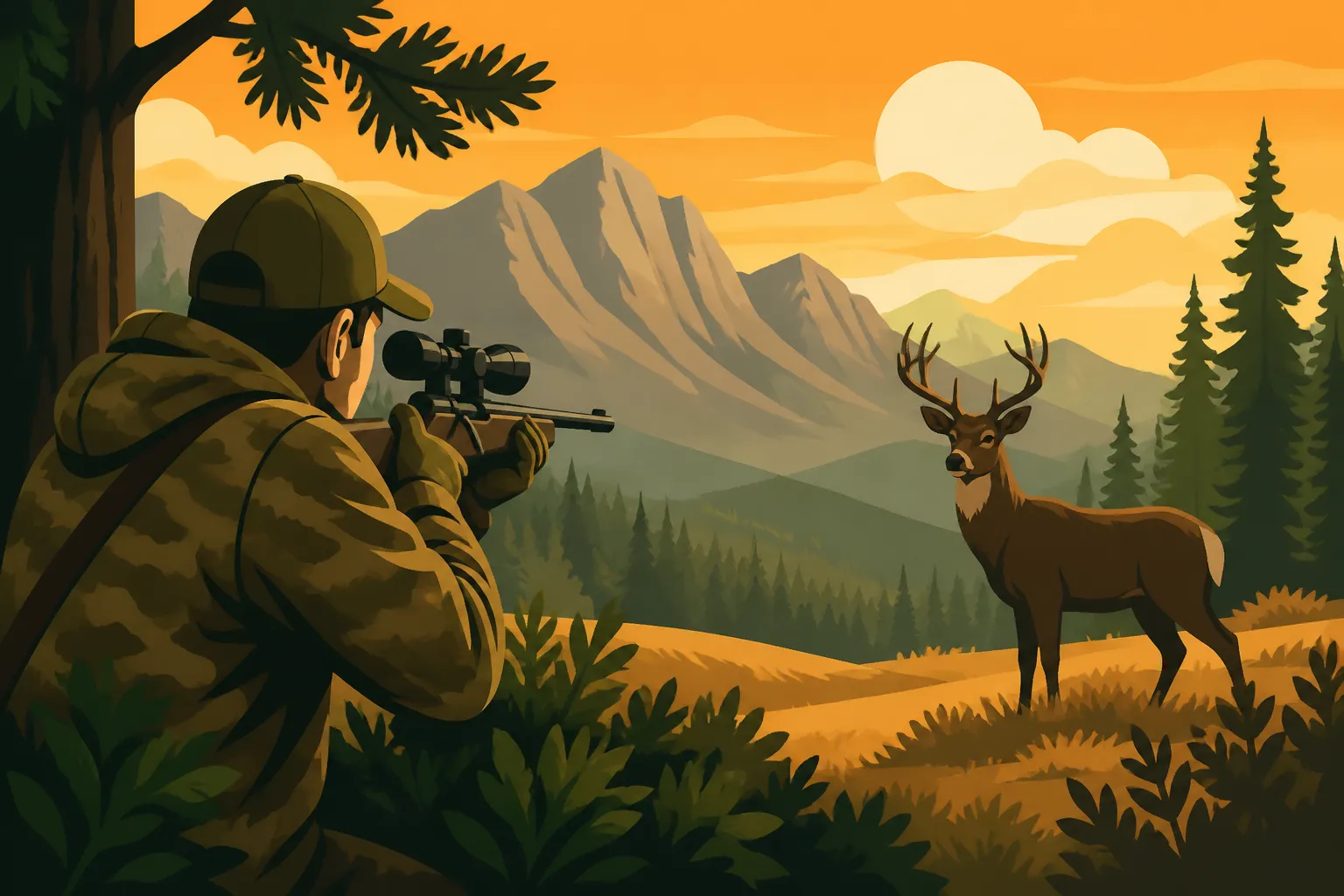
Lincoln National Forest Hunting Ground
Finding productive public land to hunt in New Mexico can feel like a puzzle, especially when everyone talks about the Gila and you're looking for something a little different, or perhaps closer to home. It’s easy to feel overwhelmed by the sheer size of the state and wonder if there are any hidden gems left to explore. This guide is here to unravel the hunting opportunities within the sprawling and diverse Lincoln National Forest, offering a practical look at its terrain, game, and what you need to know for a successful and rewarding hunt.
Understanding the Landscape of Lincoln National Forest
The Lincoln National Forest (LNF) isn't just one type of habitat; it's a tapestry woven from various ecosystems, stretching across several distinct mountain ranges in south-central New Mexico. This incredible diversity is what makes it such a fascinating and challenging place to hunt, but it also means you need to understand where to focus your efforts for specific species. It’s definitely not a one-size-fits-all kind of hunting ground.
Diverse Terrain and Habitats
Imagine stepping from arid desert foothills, dotted with creosote and prickly pear, and climbing steadily through juniper and piñon pine, eventually reaching lush ponderosa pine forests that transition into cool, dark stands of mixed conifer like fir and spruce at higher elevations. This dramatic shift in scenery is exactly what you’ll find across the Lincoln National Forest. The LNF is primarily concentrated in three major mountain ranges: the Sacramento Mountains to the west, the Capitan Mountains further north, and the Guadalupe Mountains extending south towards the Texas border. Each range has its own unique character, elevation profile, and, consequently, its own wildlife populations.
The Sacramentos, for instance, are the largest and most prominent, offering vast tracts of high-elevation timber, deep canyons, and expansive meadows. This is where you might find more classic high-country hunting experiences. The Capitans, while smaller, are rugged and isolated, providing dense cover and steep terrain that can hold trophy animals for hunters willing to put in the work. Down in the Guadalupes, particularly in the southern reaches, the landscape shifts back to more arid, rocky terrain with steep canyons and sparse vegetation, where animals adapted to a harsher environment thrive. This habitat mosaic means that scouting, both virtually with tools like onX Hunt and on the ground, becomes absolutely critical for success. Understanding these transitions is key to unlocking the forest’s potential.
Key Game Species Present
With such a varied landscape, it's no surprise that the Lincoln National Forest is home to a fantastic array of big game species, making it a truly diverse hunting destination. For many, the main draw is the mule deer, which can be found from the piñon-juniper foothills all the way up into the higher conifer forests. While the LNF might not have the same "trophy elk" reputation as the Gila, it does hold a respectable population of elk, particularly in the Sacramento and Capitan Mountains. These are typically forest-dwelling elk, and they can be incredibly elusive, requiring patient still-hunting or methodical calling through dense timber. Don't underestimate them simply because they're not in the Gila.
Beyond deer and elk, the LNF also provides excellent opportunities for other exciting species. Black bears are common throughout the timbered areas, often following the same seasonal food sources as elk and deer. Mountain lions, ever the apex predators, also roam these mountains, though drawing a tag and successfully hunting one is a significant challenge. Perhaps one of the most unique draws to the LNF, especially the southern Guadalupe Mountains, is the barbary sheep. These tenacious, non-native rams thrive in the rugged, rocky canyon country and offer an incredibly challenging and rewarding hunt. Don't forget the smaller game either; wild turkeys, especially the Merriam's subspecies, are abundant in the ponderosa parks, and various small game animals and upland birds can provide additional hunting fun. Mule Deer Across New Mexico's High Country and Desert covers a lot of relevant information for this region.
Navigating Access and Regulations in Lincoln National Forest
Hunting the Lincoln National Forest requires more than just knowing what animals live there; you need to understand how to get to them and what rules you must follow. It’s not always as simple as pulling off the highway and walking in. Respecting the land, other users, and the regulations is paramount to ensuring a positive experience for everyone and for the preservation of these hunting grounds.
Public Access Points and Motorized Travel
Accessing the vast expanses of the Lincoln National Forest often begins with a network of Forest Service roads, ranging from well-maintained gravel paths to rough, two-track trails that require a high-clearance 4×4. The good news is that much of the LNF is open to public access, providing a solid foundation for your hunting adventures. Many of these roads lead into trailheads that open up into deeper backcountry areas, perfect for those seeking solitude. However, it's crucial to be aware of motorized travel rules. Many areas, particularly those designated as wilderness or specific roadless areas, have strict restrictions on vehicles, sometimes even closing roads seasonally to protect wildlife or prevent erosion.
Before you ever leave your driveway, you should be thoroughly checking maps and current Forest Service travel management plans. Tools like onX Hunt are invaluable here, as they often display designated routes, open/closed roads, and wilderness boundaries with incredible detail, helping you avoid accidental trespass or violations. This digital scouting can save you hours of driving down dead-end roads or encountering locked gates. Remember that seasonal closures, especially in the spring due to wet conditions or in winter due to snow, can drastically alter your access plans. Always verify the current status before heading out, especially if you're planning a hunt during the shoulder seasons.
Understanding Unit Boundaries and Special Regulations
The Lincoln National Forest is not contained within a single game management unit; it sprawls across several, including well-known units like 34, 36, 37, and parts of 30, among others. Each of these units will have its own specific hunt codes, season dates, species-specific regulations, and draw odds. What's legal or in season in Unit 34 might be completely different in Unit 37, even if they share a common boundary within the forest. This is why a thorough understanding of the current New Mexico hunting regulations booklet is non-negotiable. Don't rely on old information or hearsay.
When planning your application, you absolutely need to know which units fall within the LNF and carefully compare their regulations to your desired hunt. The official New Mexico Department of Game and Fish website will always have the most up-to-date information, including the detailed hunt codes that specify weapon type, species, and season dates. You'll want to review Reading a New Mexico Hunt Code Before You Apply and How New Mexico Numbers Its Game Management Units to truly grasp the system. Some areas within the LNF might also have special rules, such as antler point restrictions for elk or specific requirements for blaze orange. Always ensure you are hunting within the correct unit and adhering to all local and statewide regulations to avoid a citation and ensure a legal, ethical hunt.
Strategies for a Successful Hunt in Lincoln National Forest
Hunting in Lincoln National Forest, like any public land in New Mexico, requires thoughtful planning and adaptable strategies. You can't just show up and expect success without putting in the legwork, both before you arrive and once you're on the ground. The unique challenges and opportunities of the LNF demand a hunter who is prepared to adjust their tactics based on terrain, weather, and animal behavior.
Scouting and Planning Your Hunt
The old adage "luck favors the prepared" rings especially true when hunting the Lincoln National Forest. Preseason scouting is absolutely critical, and it should involve a combination of virtual and physical effort. Start with high-quality satellite imagery and topographic maps using platforms like GoHunt or onX Hunt. Look for key terrain features: north-facing slopes with dense timber for bedding, south-facing slopes that get early sun and green up faster, benches, saddles, and natural funnels that animals might use for travel. Identify water sources – seeps, springs, stock tanks – especially in the more arid units within the LNF, as these can be magnets for game. Pay close attention to recent burns, as new growth can create fantastic forage for deer and elk, but also consider areas that might have been hit by Wildfire Changes Gila Elk Habitat, which also applies to LNF.
Once you've narrowed down potential areas, get boots on the ground if at all possible. This ground truthing is invaluable for confirming what you see on a map. Look for fresh tracks, scat, rubs, and active feeding areas. Pay attention to game trails and how they connect different habitats. If you can't scout in person, use the information gathered from your digital tools to develop a detailed plan, including primary and secondary hunting areas, escape routes, and potential camp spots. Consider the time of year you'll be hunting; early season means animals will be focused on food and water, while later seasons might see them moving to lower, south-facing slopes for warmth. E-Scouting a New Mexico Unit Before the Season provides excellent guidance on getting started.
Adaptable Hunting Techniques
Given the diverse terrain of the Lincoln National Forest, being adaptable with your hunting techniques is paramount. There isn't one single method that will guarantee success across all its varied landscapes. For the higher, timbered elevations of the Sacramentos, especially for elk, patient still-hunting through thick cover can be very effective. This involves moving slowly, taking a few steps, and then pausing for several minutes to observe and listen, letting your eyes pick apart the shadows and your ears catch the subtle sounds of the forest. Calling techniques, such as bugling or cow calling, can also be highly effective during the rut, especially if you're targeting those elusive timber elk.
In the more open, broken country and canyons of the Guadalupes, particularly when targeting mule deer or barbary sheep, spot and stalk becomes the name of the game. This involves using quality optics – binoculars and a spotting scope – to meticulously glass distant slopes and benches from a vantage point, looking for bedded animals. Once an animal is spotted, a careful and often challenging stalk is required to get within shooting range, navigating wind, thermals, and difficult terrain. For any hunt in the LNF, understanding Reading Wind in a Deep Gila Canyon can be directly applied to the LNF's varied topography. Additionally, setting up near known water sources during hot, dry periods can be a highly productive ambush strategy, as animals will be forced to come to water. Don't be afraid to switch up your approach if what you're doing isn't producing results.
Challenges and Considerations for Lincoln National Forest Hunters
Hunting in the Lincoln National Forest, while incredibly rewarding, isn't without its challenges. Being aware of these potential hurdles and preparing for them will not only increase your chances of success but also ensure a safer and more enjoyable experience. From managing crowds to dealing with Mother Nature, a proactive mindset goes a long way.
Pressure and Solitude
While the Lincoln National Forest might not always draw the same massive crowds as some of New Mexico's more famous elk units, it is still public land, and certain areas, especially those with easy road access, will experience hunting pressure. This is a reality of public land hunting. During popular rifle seasons for deer or elk, you can expect company, particularly on opening weekend. Don't be surprised to find other vehicles at trailheads or hear shots echoing through the canyons.
To find more solitude and potentially less-pressured animals, you’ll often need to work harder. This means hiking further from designated trailheads, exploring less-obvious access points, or focusing on areas that require more significant physical effort to reach. Animals quickly learn to avoid areas with high human activity, pushing them into thicker cover or more remote pockets of the forest. Using your detailed maps to identify drainages or ridges that are just beyond the typical "day-trip" range for most hunters can pay dividends. Consider hunting midweek if your schedule allows, as pressure typically drops significantly after opening weekend. Embrace the challenge of putting in the miles; often, the rewards are found where others aren't willing to go.
Environmental Factors and Preparedness
New Mexico weather is notoriously unpredictable, and the Lincoln National Forest, with its wide elevation changes, is a prime example. You could start your day in cool, crisp air at 8,000 feet and find yourself sweating through brush at 5,000 feet by midday. Early archery seasons can bring intense heat, especially in the lower elevations, making Heat Management on an Early Season Hunt a vital skill. Conversely, late-season rifle hunts can easily turn into cold-weather excursions with significant snow accumulation in the higher mountains, transforming the landscape and requiring different gear and tactics. Layering is crucial, and having gear that can handle both unexpected warmth and sudden drops in temperature is a must. Layering for Gila Temperature Swings offers advice that directly applies to the LNF.
Beyond temperature, other environmental factors demand attention. Water availability, particularly in the more arid parts of the LNF and during dry spells, can be a major concern; plan to carry more water than you think you'll need. Fire danger is another serious consideration, especially during the spring and early summer. Forest closures or Fire Restrictions During Hunting Season can happen quickly and without much notice, potentially impacting your hunt or even closing entire sections of the forest. Always check current conditions before and during your trip. Navigation is also paramount; even with GPS devices, always carry a physical map and compass, and know how to use them. Cell service can be spotty or non-existent in many remote areas, so a satellite communication device for emergencies is a wise investment. Being prepared for anything Mother Nature throws at you will not only keep you safe but also ensure you can focus on the hunt itself.
| Species | Typical Habitat in LNF | Common Hunting Methods | Best Time of Year (General) |
|---|---|---|---|
| Mule Deer | Piñon-juniper foothills to conifer forests | Spot & stalk, still-hunting, glassing | Archery, Muzzleloader, Rifle |
| Elk | High-elevation timber, dense canyons | Still-hunting, calling, spot & stalk | Archery, Muzzleloader, Rifle |
| Barbary Sheep | Rugged, rocky canyons, steep desert slopes | Spot & stalk, long-range glassing | Archery, Muzzleloader, Rifle |
| Black Bear | Dense timber, areas with food sources | Spot & stalk, still-hunting, baiting (where legal) | Early fall seasons |
| Mountain Lion | Anywhere big game is found, dense cover | Hound hunting (where legal), incidental harvest | Year-round, often winter |
Disclaimer
This article is for general informational purposes only and does not constitute professional advice. Laws, prices and regulations vary by location and change over time. Consult a qualified professional for guidance on your specific situation.