Crossing Private Ground to Reach Public Land
One of the most frustrating scenarios for any hunter in New Mexico is looking at a beautiful chunk of public land on a map, full of promising habitat, only to realize it's completely surrounded by private ground. This isn't just a minor inconvenience; it's a legitimate roadblock that can derail a hunt before it even begins. This guide will help you understand the complexities of accessing landlocked public ground in New Mexico, outline the legal requirements, and provide actionable strategies and tools to help you navigate these tricky situations ethically and effectively.
The Frustrating Reality of Landlocked Public Land in New Mexico
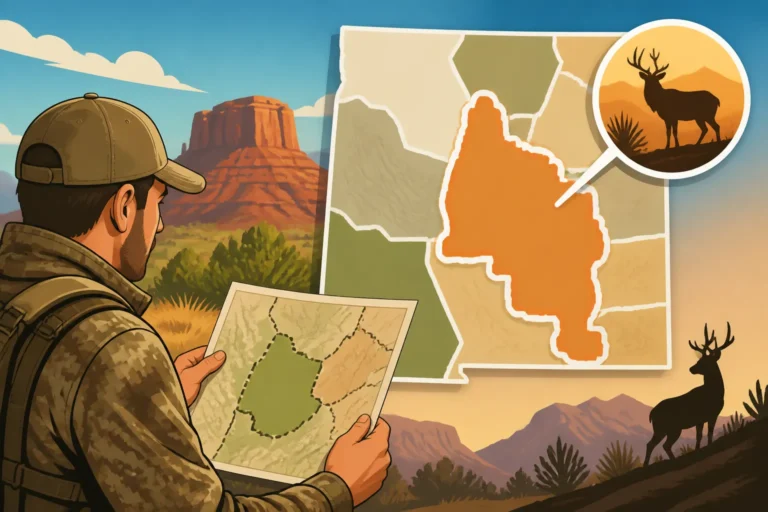
It's a scene many of us have faced: you're poring over maps, dreaming of that big bull or buck, and you pinpoint an incredible basin or a secluded mesa. You zoom in, and there it is – that familiar pattern of contrasting colors on your digital mapping app, indicating public land. But then, a closer look reveals a disheartening truth: every single access point is blocked by private property. This isn't a rare anomaly; it's a common and deeply frustrating reality for hunters throughout New Mexico and the broader American West.
Understanding the "Checkerboard" Problem
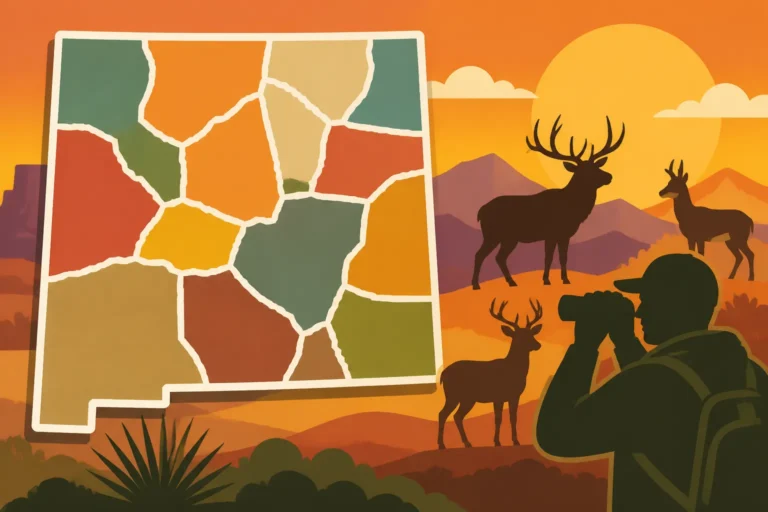
The term "checkerboard" land refers to the historical pattern of land grants and railway development that left a patchwork of private and public parcels interspersed. Imagine a checkerboard, where alternating squares are public and private. While this might seem like a straightforward arrangement on a flat map, the reality on the ground is far more complex and often presents significant access challenges. You might have thousands of acres of prime public hunting ground, but if you can't legally step foot on it without crossing someone's deeded property, it's effectively off-limits. This isn't about malicious landowners; it's often a legacy of how the West was settled and how land was allocated decades, even a century or more, ago. The boundaries can be incredibly intricate, twisting and turning, making it difficult to even identify where one jurisdiction ends and another begins without precise tools.
Why This Is Such a Common Issue Out West
The vast public land holdings in states like New Mexico are a hunter's dream, but their accessibility is often complicated by historical land management practices. Early land grants, homesteading, and especially railroad land grants often created these complex intermingled ownership patterns. For instance, railroad companies were often granted alternating sections of land along their proposed routes to fund construction, leading to a sprawling checkerboard effect across millions of acres. This fragmentation means that what appears as a large, continuous block of potential hunting ground on a regional map can actually be a series of disconnected islands when you zoom in. It creates a constant tension between the desire for public access and the rights of private property owners. For hunters, it means that "public land" isn't always synonymous with "public access," which can be a bitter pill to swallow when you've invested time and effort into scouting.
New Mexico's Rules for Accessing Public Land Across Private Ground
Navigating the private/public land interface in New Mexico requires a clear understanding of the law. Ignorance is no excuse, and accidental trespassing can lead to severe penalties, damage your reputation, and jeopardize future hunting opportunities. It’s absolutely critical to know what you can and cannot do before you ever leave your vehicle.
The Written Permission Mandate
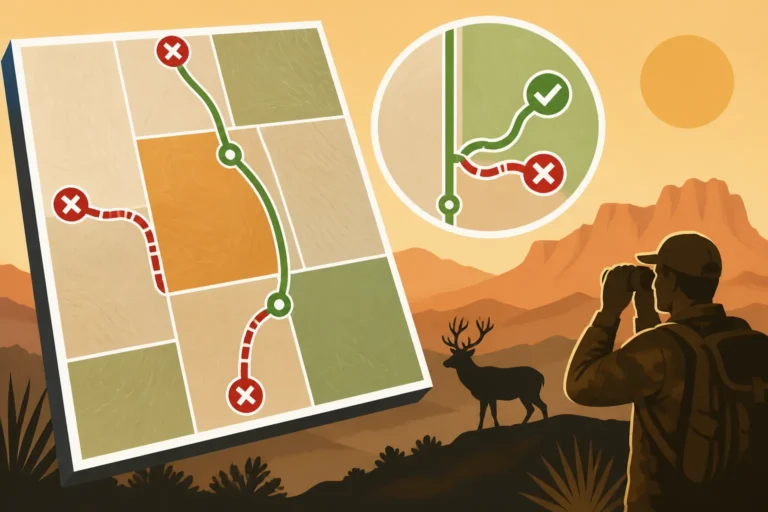
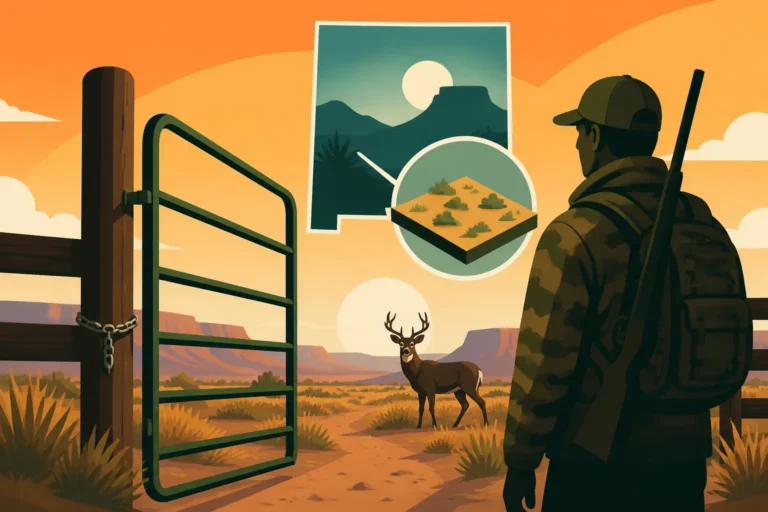
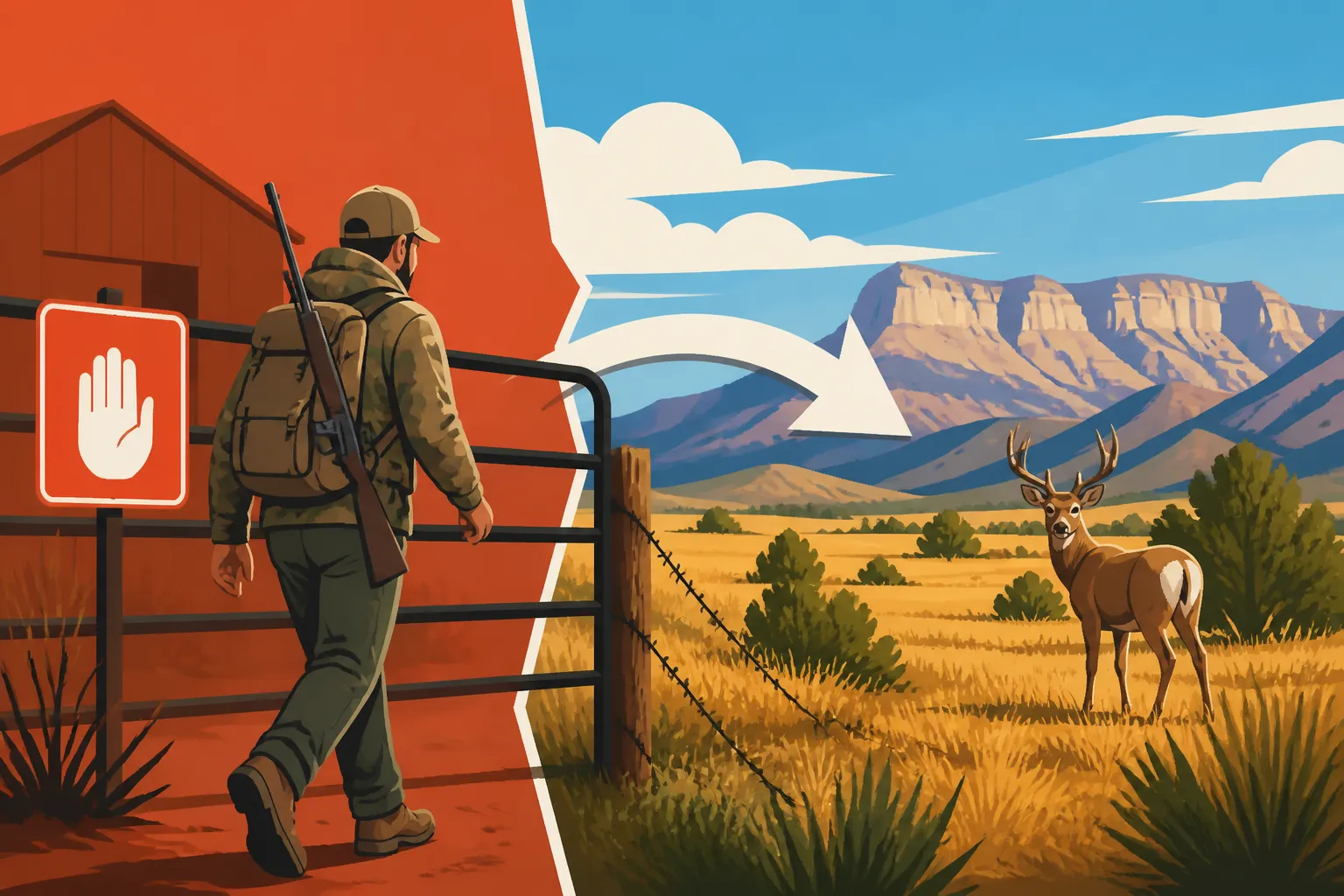
In New Mexico, the law is clear: you must have written permission to cross private land to access public land, or for any other reason, unless you are on a designated public right-of-way. This isn't a suggestion; it's a legal requirement. Verbal permission, while friendly, often isn't enough if you encounter an enforcement officer or if there's a dispute. Always seek to obtain permission in writing, clearly stating the purpose of your access (e.g., "to cross Ranch X for the purpose of accessing BLM land in Unit 15 to hunt during the December muzzleloader season"), the dates, and the specific route you intend to use. A good practice is to have the landowner sign and date a simple agreement or letter that you carry with you. Without this documented consent, even if you intend to just "cross through," you are trespassing. This rule applies whether the private land is a sprawling ranch or a small, seemingly insignificant parcel. This isn't unique to New Mexico; many western states have similar strictures. Remember to check out Written Permission Requirements in New Mexico for more specifics.
You'd be surprised how many hunters overlook this vital step, assuming that if the public land is technically accessible, they can just "cut across" a corner of private property. This is a dangerous assumption. Even crossing a seemingly unoccupied corner of private property, known as "corner crossing," can be a legal grey area in some states, but in New Mexico, the emphasis is on permission for any entry onto private ground. The best approach is always proactive and documented.
Consequences of Trespassing
The penalties for trespassing in New Mexico can range from fines to confiscation of equipment, and in some serious cases, even felony charges, especially if property damage occurs or if the trespass is repeated. Beyond the legal ramifications, there's the ethical side. Trespassing erodes landowner trust, makes it harder for other hunters to gain access in the future, and damages the overall image of the hunting community. A reputation for disrespecting private property can spread quickly in rural areas, making it even more challenging for anyone to gain permission.
Consider a hypothetical situation: you've drawn a coveted New Mexico elk tag, and you scouted a remote canyon on public land that looks incredible. On opening morning, eager to get into position, you decide to cross a short stretch of private land that you believe is "unoccupied." A landowner, who may not even live on the property but maintains it, observes you. Even if no game is taken, you could be cited, have your hunting license suspended, and potentially lose your expensive tag. The cost of a simple mistake far outweighs the reward of saving a few minutes. It's crucial to understand What Happens Without Landowner Permission. The Game and Fish Department takes these violations seriously, not just to protect private property, but to maintain the delicate balance of access and respect that allows hunting to continue on these mixed landscapes.
Strategies and Tools for Navigating Access
Successfully navigating the private/public land maze requires diligence, good tools, and a willingness to put in the effort. It’s not always easy, but it’s definitely possible to find legal access.
Utilizing Digital Mapping Tools
Modern technology has revolutionized how hunters approach land access. Digital mapping applications are indispensable for understanding land ownership boundaries. Brands like onX Hunt and GoHunt provide detailed overlays that clearly distinguish between public lands (BLM, National Forest, State Trust Land), private parcels, and even tribal lands. These tools are critical for pre-scouting and real-time navigation in the field. Before you even leave home, you can identify landlocked public parcels, trace potential access routes, and pinpoint the specific landowners you might need to contact.
For example, using onX Hunt, you can zoom in on a unit and see the color-coded land ownership. Green might be National Forest, yellow for BLM, and white for private. If a white parcel completely surrounds a green or yellow one, you know you have an access issue. These apps often provide landowner names and sometimes even contact information, which is a fantastic starting point for seeking permission. They can also show you Reading a Land Ownership Layer Correctly, ensuring you understand what you're seeing. When you're in the field, GPS functionality allows you to precisely track your location relative to property lines, preventing accidental trespass. This is far superior to relying on outdated paper maps or general assumptions about where public land begins. Many hunters rely on Using onX Layers for New Mexico Public Land for this very reason.
Researching Easements and Rights of Way
Sometimes, what appears to be landlocked public land actually has legal easements or public rights-of-way that provide access. These are legal agreements or historical pathways that grant the public or specific entities the right to cross private land. Identifying these can be tricky, as they aren't always clearly marked on basic maps. You might need to delve into county records, plat maps, or contact the managing agencies (like the BLM or Forest Service) to inquire about specific access points.
For example, a historic two-track road that crosses private land might technically be a public right-of-way if it has been used consistently by the public for a certain period, or if it was established as part of a land transaction long ago. Researching these possibilities can sometimes unlock access to vast areas. It's a time-consuming process, often requiring calls to county clerk offices or land management agencies, but the reward of finding a legitimate access point can be immense. Unfortunately, many easements are not well-documented or easily discoverable, making this a challenging but sometimes fruitful avenue. It's a key part of thorough E-Scouting a New Mexico Unit Before the Season.
Establishing Relationships with Landowners
The most direct, and often most rewarding, way to gain access is by building relationships with private landowners. Many landowners are open to granting permission, especially if you approach them with respect, clear intentions, and a willingness to abide by their rules. This isn't about being overly ingratiating; it's about being a good neighbor and a responsible hunter. Before you approach, make sure you know exactly what you're asking for: specific dates, specific access points, and what you're hunting.
When you make contact, be polite, well-dressed, and don't show up empty-handed (a small token of appreciation or offering to help with a chore can go a long way, though it's not always expected). Be prepared for a "no," and accept it graciously. If they say "yes," clarify their expectations regarding gates, fences, livestock, and any other specific rules they might have. Remember to get that permission in writing! A well-maintained relationship can lead to access for years to come and open up hunting opportunities that are otherwise impossible. Don't be afraid to try multiple landowners in an area; one "no" doesn't mean all will deny access. The key is showing genuine respect for their property and their way of life. This is paramount for addressing Landlocked Public Parcels in New Mexico. Many successful hunters find that patience and persistence in seeking Getting Written Permission in New Mexico pays dividends.
What to Do When Access Isn't Possible
Despite your best efforts, there will be times when gaining access across private ground is simply not possible. A landowner might refuse, or there might be no legal easement in sight. When this happens, it's not the end of your hunting dreams; it simply means you need to pivot your strategy.
Alternative Public Land Options
New Mexico is blessed with millions of acres of public land. If a particular parcel is landlocked, it's time to explore other options that have direct, unhindered access. The Bureau of Land Management (BLM) and National Forests offer vast stretches of huntable ground that are readily accessible. You might need to shift your focus to a different unit or a different part of the same unit, but there's almost always another place to hunt.
Take the time to thoroughly research other public land holdings in your target area or adjacent units. Use your digital mapping tools to identify large, contiguous blocks of public land with established roads or trailheads. Sometimes, even a slight change in elevation or aspect within the same general region can lead you to expansive public lands that don't have these access issues. Don't get hung up on one particular spot if access is truly impossible; adapt and explore. Before applying for a tag, it's always wise to thoroughly understand Reading a New Mexico Unit Boundary Map to identify potential access challenges upfront. You can also review Where New Mexico Lists Unit Access Maps to find resources that might highlight these areas.
Considering Outfitter and EPLUS Access
For those determined to hunt a specific landlocked area, or who prefer a guided experience, an outfitter can be a viable option. Many outfitters have established relationships with private landowners and hold leases that grant them and their clients access across private ground to reach prime hunting areas, including those landlocked public parcels. While this comes with a significant financial investment, it solves the access problem and often provides an expert guide to boot.
Additionally, New Mexico's EPLUS (Elk Private Land Use System) program allows landowners to receive elk authorizations (tags) that they can then sell directly to hunters or through an outfitter. These EPLUS tags often provide access to private ranches that might otherwise be off-limits, or offer crossing rights to reach otherwise inaccessible public lands within or adjacent to the private property. This can be a strategic way to hunt high-demand units or areas with excellent game populations that are difficult to access via general public land. It's a different way to play the game, but for some, it's the only way into certain quality areas. Understanding How New Mexico EPLUS Authorizations Work can open up a whole new realm of possibilities, especially for coveted elk hunts. If considering this route, research Booking Agents Against Booking Direct to ensure you're getting the best deal and the right service.
Navigating New Mexico's hunting landscape, with its mix of private and public lands, demands careful planning and respect for property rights. While landlocked public parcels present unique challenges, they are not insurmountable. By leveraging modern mapping tools, diligently researching access points, and fostering positive relationships with landowners, hunters can unlock incredible opportunities and enjoy the diverse hunting experiences New Mexico has to offer.
Disclaimer
This article is for general informational purposes only and does not constitute professional advice. Laws, prices and regulations vary by location and change over time. Consult a qualified professional for guidance on your specific situation.