Does a Hunting License Cover Trust Land?
One of the biggest head-scratchers for folks looking to hunt New Mexico is figuring out exactly what "State Trust Land" is and if your hunting license actually lets you set foot on it. It’s a common point of confusion, and frankly, it can be intimidating to think you might be trespassing when all you want to do is chase a mule deer or an oryx. This guide is going to clear up that mystery, explain the crucial role your hunting license plays, and give you the real-world rundown on how to navigate New Mexico State Trust Land so you can hunt with confidence.
Understanding New Mexico State Trust Land (STL)
Let's face it, New Mexico has a patchwork quilt of land ownership. You’ve got vast stretches of Bureau of Land Management (BLM) ground, incredible National Forests like the Gila and Carson, and then there's this other category: State Trust Land. Many hunters, especially those new to the state or coming from other places, often lump all public land together. But Trust Land operates under a different set of rules, and understanding that distinction is key to a successful, legal hunt.
What is State Trust Land, Anyway?
State Trust Land isn't "public" in the same way a National Forest or BLM land is. Imagine it less as a park for everyone and more as an investment portfolio for specific beneficiaries. In New Mexico's case, these lands were granted by the federal government when the state was formed, specifically to generate revenue for public institutions, primarily schools and hospitals. These lands are managed by the New Mexico State Land Office with a fiduciary responsibility to maximize income from resources like grazing leases, mineral extraction, and, yes, even recreational use. This means while you can hunt there, the underlying purpose isn't recreation for recreation's sake; it's about generating funds for state beneficiaries. So, you'll often find active grazing, oil and gas operations, and other commercial activities happening on these lands, which might look a little different from what you expect on other public lands.
Who Manages New Mexico's Trust Land?
The New Mexico State Land Office (NMSLO) is the primary agency responsible for managing these vast tracts of land. Unlike the U.S. Forest Service or the BLM, which are federal entities, the NMSLO is a state agency, and their mission dictates how these lands are used. For hunters, the critical connection happens through an agreement between the NMSLO and the New Mexico Department of Game and Fish (NMDGF). This inter-agency agreement creates what's known as a recreational easement. It's this easement, and not merely the fact that the land is "state" land, that allows licensed hunters and anglers to access these parcels. Without this specific agreement, hunting on State Trust Land would generally be considered trespassing, even with a valid hunting license. It’s a crucial distinction, and it's why you can't just assume all state-owned land is fair game for hunting.
The Direct Answer: Your Hunting License as an Easement
Here's the straight talk that many hunters are looking for: Yes, a valid New Mexico hunting license does provide you with an easement to access State Trust Land for authorized hunting and fishing activities. It's not a free-for-all, but it absolutely grants you legal access to pursue game on these lands, provided you follow the specific rules associated with them. This is often a huge relief to hunters who've been trying to piece together the regulations. The state knows hunters need access, and they've worked out a system to provide it while still fulfilling the NMSLO's mandate. In fact, A New Mexico License Is Your State Trust Land Easement is one of the foundational pieces of understanding access in the state.
The Specifics of the Easement
Think of your New Mexico hunting license as your key to unlocking State Trust Land. This access is a result of a long-standing agreement between the New Mexico Department of Game and Fish and the State Land Office. This agreement is designed to allow recreational opportunities like hunting and fishing while still respecting the primary revenue-generating purpose of the land. When you buy your license, a portion of those funds helps to maintain this easement, ensuring that hunters continue to have places to go. The easement specifically covers hunting and fishing during legal seasons for which you possess the appropriate licenses and tags. It’s not just a handshake agreement; it's a formal understanding that is renewed and upheld by both state agencies. This cooperative effort is vital for preserving hunting opportunities on millions of acres across the state. The Easement Between the Land Office and Game and Fish details this relationship further.
What Your License Doesn't Cover
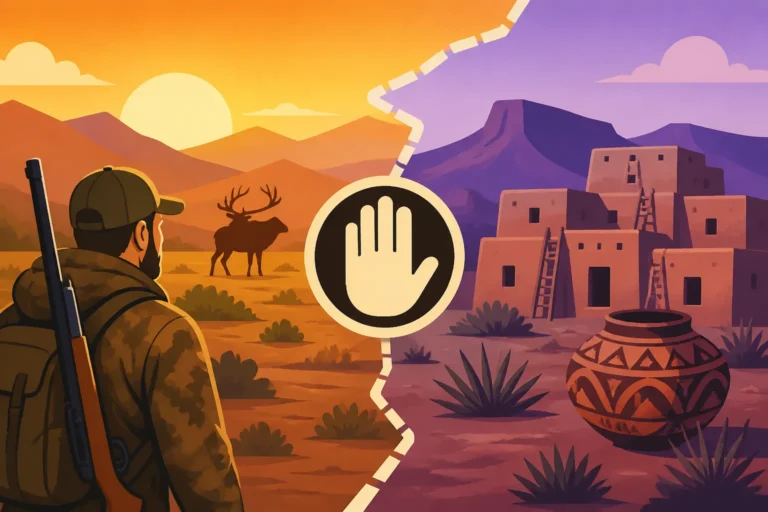
While your hunting license is powerful, it's not a blanket pass for all activities on Trust Land. This is where many hunters can inadvertently run into trouble. For instance, your hunting license does not automatically grant you permission for general recreation like hiking, picnicking, or horseback riding outside of hunting activities. If you want to do those things, you'd typically need a separate recreation permit from the State Land Office. Moreover, it absolutely does not permit camping. Setting up a tent or parking an RV for overnight stays on State Trust Land is generally prohibited without specific, separate authorization from the NMSLO. Can You Camp on New Mexico Trust Land? is a crucial piece of information to remember. The easement is explicitly for hunting and fishing, and stretching those boundaries can lead to citations or loss of privileges. It's vital to respect these limitations to ensure continued access for all hunters.
Here's a quick comparison of general access rules for different public land types in New Mexico:
| Land Type | Primary Manager | Hunting/Fishing Access | General Recreation (Non-Hunting) | Camping Generally Allowed? | Motorized Travel Rules |
|---|---|---|---|---|---|
| Bureau of Land Management (BLM) | Federal (Dept. of Interior) | Yes, with appropriate licenses | Yes, generally permitted | Yes | Designated roads/trails |
| National Forest (NF) | Federal (USDA) | Yes, with appropriate licenses | Yes, generally permitted | Yes | Designated roads/trails |
| State Trust Land (STL) | New Mexico State Land Office | Yes, with appropriate hunting/fishing license | No, often requires separate permit | No, not generally permitted | Designated roads/trails |
| Private Land | Individual Landowners | Only with written permission | Only with written permission | Only with written permission | Only with permission |
Navigating and Respecting Trust Land Rules
Hunting on Trust Land, while legal with your license, requires a bit more homework and diligence than perhaps a vast tract of National Forest. Because these lands often have active commercial operations, and sometimes even homes or ranches embedded within them, situational awareness is key. Knowing where you are at all times, understanding the specific rules for Trust Land, and being a good steward of the land are paramount.
Essential Tools for Identifying Trust Land
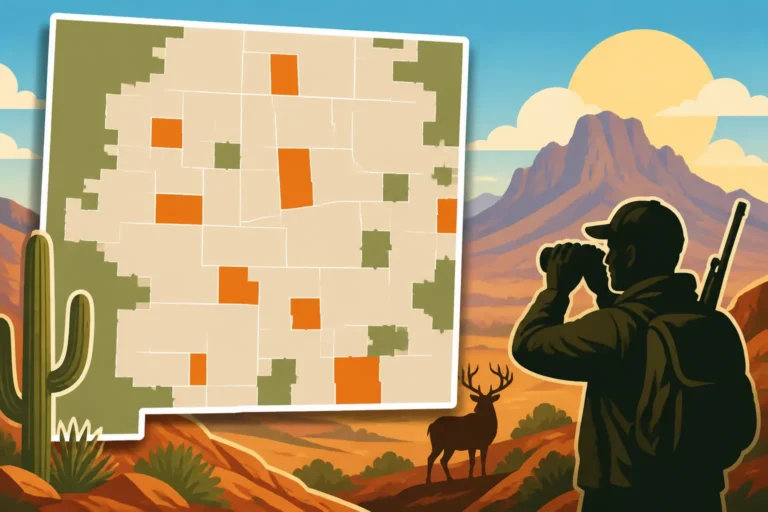
You absolutely cannot hunt New Mexico without reliable mapping tools, and this is doubly true for State Trust Land. Digital mapping applications are your best friend here. Services like onX Hunt have sophisticated layers that clearly show land ownership, delineating State Trust Land from private parcels, BLM ground, and National Forest. Having a solid app like onX Hunt or using mapping features from a service like GoHunt can save you a ton of headaches and keep you on the right side of the law. Before you even leave your driveway, you should be e-scouting your chosen unit, paying close attention to these land ownership boundaries. Trust Land often borders private property, and sometimes, a small corner of Trust Land might be entirely surrounded by private ground, making access tricky or even impossible without permission from adjacent landowners. Using onX Layers for New Mexico Public Land is an invaluable resource for understanding how to leverage these tools.
Scouting and Camping on Trust Land
This is another area where Trust Land rules differ significantly. While your hunting license grants you access for hunting, the rules surrounding scouting are more specific. New Mexico has a "14-day rule" for State Trust Land. This means you generally cannot scout or access these lands more than 14 days before the start of your specific hunt season. This rule exists to prevent prolonged general recreational use and disturbance, further emphasizing the specific, limited nature of the easement. So, while you might be itching to check your spots months in advance, you'll need to hold off on physically accessing Trust Land until that 14-day window opens. And as mentioned earlier, camping is a definite no-go. Plan for day trips or find alternative camping locations on adjacent BLM or National Forest land if available. Understanding What the 14-Day Scouting Window Allows is critical for planning your pre-season activities.
Respecting Boundaries and Private Inholdings
New Mexico's landscape is a mosaic, and State Trust Land parcels often sit right next to or are even intermingled with private property. It’s not uncommon to find a ranch that leases Trust Land for grazing, meaning you might encounter cattle, fences, and even ranch infrastructure on land you legally have access to for hunting. Always be mindful of gates; if it's closed, close it behind you. If it's open, leave it open. Never damage private property to gain access. Sometimes, what looks like a simple fence line is actually a private property boundary, and crossing it without written permission is trespassing. Always verify your position with your mapping app, especially when traversing washes, timber, or broken terrain. Reading a Land Ownership Layer Correctly is not just good advice, it’s a necessary skill for ethical and legal hunting in New Mexico. There are also situations where public land, including Trust Land, can be "landlocked" by private property, making it inaccessible without permission to cross the private land. Always scout thoroughly and have a plan for legal access.
Ultimately, hunting New Mexico State Trust Land is a fantastic opportunity, but it demands a proactive approach to understanding and respecting the rules. Your hunting license is indeed your ticket, but it comes with caveats. Know your maps, know the regulations, and always leave the land better than you found it. Happy hunting!
Disclaimer
This article is for general informational purposes only and does not constitute professional advice. Laws, prices and regulations vary by location and change over time. Consult a qualified professional for guidance on your specific situation.