Aldo Leopold Wilderness Hunting in New Mexico
For many hunters, the thought of stepping into a vast, untouched wilderness is both a dream and a daunting challenge. New Mexico's Aldo Leopold Wilderness, nestled within the larger Gila National Forest, epitomizes this, offering incredible hunting opportunities but demanding a level of preparation and self-reliance that can feel overwhelming. This guide aims to demystify hunting in this rugged, remote area, helping you understand the unique characteristics, challenges, and rewards of pursuing game in one of the state's most iconic wild places.
Understanding the Aldo Leopold Wilderness
The Aldo Leopold Wilderness is not just another piece of public land; it's a designated wilderness area with specific rules and an inherent wildness that sets it apart. Understanding what this means before you even begin to plan is crucial.
Location and Size
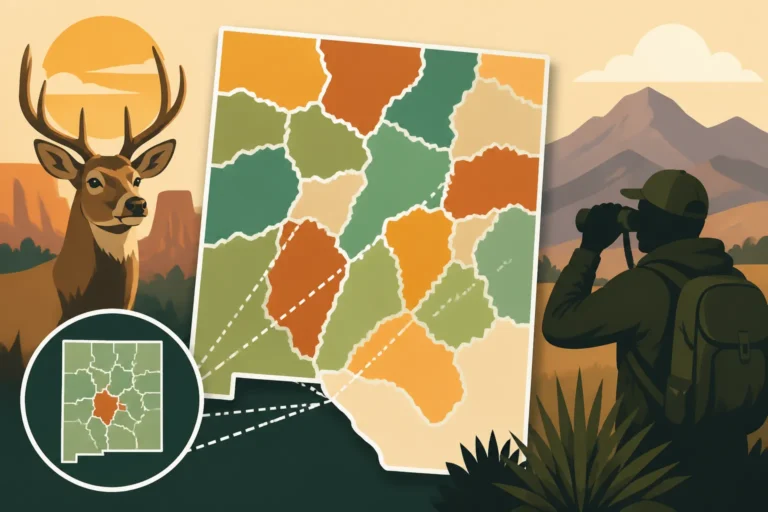
Nestled primarily within the Black Range of southwestern New Mexico, the Aldo Leopold Wilderness is a significant portion of the larger Gila National Forest. We're talking about roughly 200,000 acres of incredibly diverse, rugged terrain. If you look at a map, you'll see it bordered by Highways 152 and 59, but don't let those lines fool you into thinking access is easy. This isn't country where you can just pull off a paved road and start walking in five minutes. It's deep, mountainous land, characterized by steep canyons, high ridges, and often dense timber that feels a world away from any human influence. The Gila National Forest as New Mexico Elk Country provides context for just how vast and important this region is for big game.
The sheer scale of the Leopold is one of its defining features. When you're standing on a ridge looking out over miles of roadless country, the feeling of insignificance is profound, and that's exactly what draws many hunters here. It's a place where you truly have to earn your experience, and the rewards—like finding a mature bull elk or a wary mule deer in such wild surroundings—are all the more meaningful for it. However, this scale also means that getting lost, running out of water, or having an emergency can quickly become life-threatening if you're not prepared.
The "Wilderness" Designation
The term "wilderness" isn't just a descriptive word here; it's a legal designation under the Wilderness Act of 1964. This act was put in place to protect certain federal lands in their natural state, ensuring that they remain undeveloped and managed for their primitive character. For hunters, this translates into a unique set of circumstances. Essentially, this means no motorized vehicles, no mountain bikes, and no mechanical transport of any kind (like ATVs or even chainsaws for clearing trails). When you're in the Leopold, you're either on foot or on horseback.
This designation is fundamental to the hunting experience in the Aldo Leopold. It guarantees solitude and a truly primitive hunting experience, free from the sounds of engines or the sight of roads. It also means that any game you harvest, any gear you bring in, and any waste you create must be packed out under your own power, or with the help of pack animals. This commitment to self-reliance is both the biggest draw and the biggest hurdle for hunters considering this area. It's a commitment to a purer, more challenging form of hunting.
Permitted and Prohibited Activities
Within the Aldo Leopold Wilderness, the primary permitted activity for most visitors is non-mechanized recreation, which includes hiking, camping, fishing, and, of course, hunting. You can camp anywhere that doesn't show signs of overuse, practicing Leave No Trace principles strictly. Campfires are generally allowed, though you should always check current fire restrictions, especially during dry seasons. You can use traditional hunting methods, which for many means archery or muzzleloader, embracing the challenge that primitive weapons present in such rugged country.
On the flip side, the list of prohibited activities is equally important. As mentioned, anything with a motor or wheels is out. This means no ATVs, motorcycles, drones for scouting, or even electric bikes. Building permanent structures, disturbing historical sites, or creating new trails is also strictly forbidden. Hunters must be particularly mindful of carcass disposal—leaving anything but bone, hair, and gut piles is a no-go. This pristine environment relies on every visitor understanding and respecting these rules. The focus is always on preserving the wilderness character, ensuring it remains wild for generations to come.
Planning Your Hunt in the Leopold
Hunting in the Aldo Leopold Wilderness isn't something you decide to do on a whim. It requires meticulous planning, an intimate understanding of the terrain, and a realistic assessment of your own capabilities.
Access Points and Trailheads
Getting into the Aldo Leopold Wilderness is a challenge in itself, often requiring miles of driving on unpaved Forest Service roads before you even reach a trailhead. The main access points are typically off Highway 152 to the south and Highway 59 to the north, but these are just starting points. From there, you'll often encounter rough, winding dirt roads that may require a high-clearance, 4×4 vehicle, especially after rain or snow. It's not uncommon for these roads to be seasonally closed, so always check with the Gila National Forest office before heading out. Using mapping tools like onX Hunt can be invaluable here, helping you identify specific trailheads, understand the underlying land ownership, and even gauge the road conditions based on topo maps.
Once you hit a trailhead, the real work begins. Many trails into the wilderness are rugged, poorly maintained, or simply faint game trails. Some areas might not even have marked trails, requiring navigation solely by map and compass, or a reliable GPS device. Expect long, steep climbs right from the start. This isn't a place for casual day hikes; even reaching a potential hunting area can take several hours, if not a full day, of strenuous hiking with a heavy pack. Factor in enough time for travel to the trailhead, plus the time to actually get deep enough into the wilderness to find undisturbed game. For many, simply Getting Into New Mexico's Gila National Forest is the first hurdle, let alone the Leopold.
Essential Gear for Wilderness Hunts
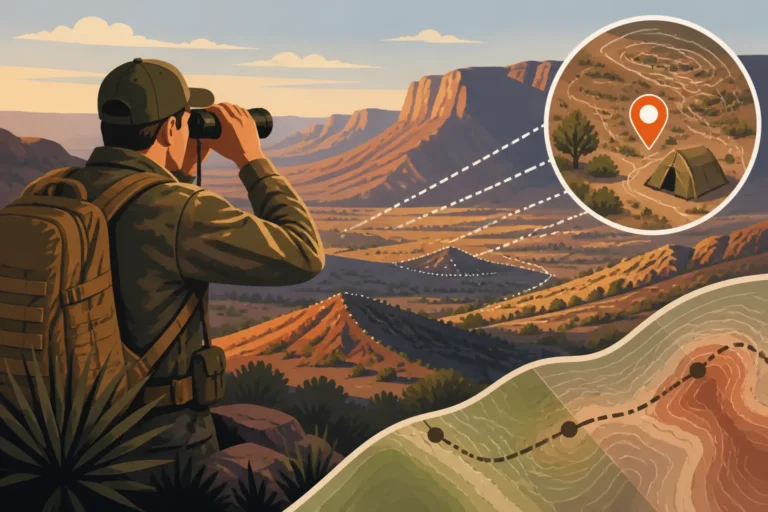
When you're miles deep in the Aldo Leopold, what you carry on your back determines your success, safety, and comfort. Every item must earn its place. Start with a robust pack capable of handling heavy loads, because if you're successful, you'll be packing out meat. Navigation tools are non-negotiable: a reliable GPS, a satellite communication device (like a Garmin inReach or Zoleo), a physical map, and a compass. Cell service is virtually non-existent in much of the wilderness, so don't count on your phone for anything but photos. This is where applications like onX Hunt truly shine, allowing you to download offline maps before you lose signal, giving you confidence in your location even in the deepest canyons.
Beyond navigation, consider your sleep system (tent/shelter, sleeping bag, pad rated for expected temperatures), a portable stove, water purification system (filter and chemical treatment), a first-aid kit, and high-quality optics. For optics, a good pair of binoculars is critical for spotting game in the vast landscape, and many hunters opt for a spotting scope for long-range glassing of distant slopes. Optics Power for New Mexico's Open Country is a great resource to consider. Layered clothing is also key, as temperatures can swing wildly from cold mornings to warm afternoons, and even sudden thunderstorms. Remember the mantra: "ounces equal pounds, and pounds equal pain."
Physical and Mental Preparation
The Aldo Leopold Wilderness will test you, physically and mentally. This isn't flat, easy country; it's a constant series of steep ascents and descents, often over rocky, unstable ground. You need to be in excellent cardiovascular shape. Start training months in advance with a focus on hiking with a weighted pack, stair climbing, and general strength conditioning. If you're coming from sea level, consider spending a few days acclimatizing to the elevation before heading deep into the wilderness. Preparing Physically for a High Elevation Hunt is essential reading for anyone contemplating a Gila elk hunt.
Beyond the physical, the mental aspect is just as important. Wilderness hunting means long hours of solitude, often without seeing another soul. You'll face discomfort, fatigue, and perhaps even moments of doubt. The ability to stay positive, make sound decisions under pressure, and maintain self-reliance is paramount. This environment demands resilience and a problem-solving mindset. Being comfortable with your own company, and confident in your survival skills, will make a huge difference in your overall experience. The Leopold rewards those who are truly prepared for its challenges.
Navigating the Terrain and Wildlife
The rugged landscape of the Aldo Leopold Wilderness is both a sanctuary for game and a maze for hunters. Understanding how to interpret the terrain and where the animals hold is key to success.
Key Game Species and Their Habitat
While the Aldo Leopold Wilderness is part of the larger Gila ecosystem, it has distinct characteristics that influence its wildlife. The primary draw for many hunters is elk. The Leopold's vast, untouched areas, often covered in ponderosa pine forests, mixed conifer stands, and oak brush, provide ideal habitat for these majestic animals. During the archery season, particularly in September, bulls can be found bugling in the canyons and parks, making for an unforgettable experience. New Mexico Elk Are Why the Gila Draws Everyone highlights the quality of elk hunting in this region. Mule deer are also present, especially in the more open, broken country, along canyon rims, and in areas with denser browse.
Beyond the big game, you might encounter black bear, which thrive in the forested areas, often near water sources or areas with abundant oak mast. Mountain lions also roam this wilderness, preying on deer and elk. While not typically hunted by most visitors, their presence is a testament to the wildness of the area. Understanding the seasonal movements and preferred habitats of these species is crucial. For instance, elk often gravitate towards higher elevations and cooler timber during early season hunts, while later in the year, they might move to south-facing slopes for warmth or into deeper canyons for shelter.
Reading Topography and Finding Game
Effective hunting in the Leopold is all about reading the landscape. This isn't a place for simply wandering; it requires strategic movement. Look for saddles, benches, and finger ridges that animals use to travel between feeding and bedding areas. Areas where different types of habitat converge—like where open meadows meet dense timber, or where a canyon system starts to flatten out—are often productive. Thermal currents, which rise in the morning and fall in the evening, will dictate how you approach an area, especially for species like elk that rely on their sense of smell. Reading Wind in a Deep Gila Canyon offers critical insights into this.
Using detailed topographical maps, whether paper or digital, is non-negotiable. Tools like GoHunt or onX Hunt allow you to visualize the terrain in 3D, identify potential bedding thickets, and plan your approach routes before you even step foot in the unit. Pay attention to water sources—springs, seeps, and seasonal tanks—as these are magnets for all wildlife, particularly in arid New Mexico. Studying historical burn areas can also provide clues, as new growth often attracts grazers and browsers. The more you understand the contours of the land, the more effectively you can predict animal movement.
Water Sources and Environmental Challenges
Water, or the lack thereof, is a primary concern when hunting in the Aldo Leopold. While there are perennial streams and springs, especially in the deeper canyons, many areas can be surprisingly dry, particularly during early fall hunts. Always carry more water than you think you'll need, and have a reliable filtration and purification system. Identifying dependable water sources on your map beforehand is crucial. Water You Must Carry on a Desert Day Hunt offers essential advice on hydration strategies.
Beyond water, the environmental challenges are numerous. Sudden thunderstorms can turn dry washes into raging torrents and make trails impassable, especially during the monsoon season. Temperatures can fluctuate drastically, demanding a flexible layering system. Snow can arrive early in the higher elevations, making travel difficult and increasing the risk of hypothermia. Rocky terrain can be unforgiving on boots and ankles, and loose scree slopes pose a constant tripping hazard. Wildlife encounters are also part of the challenge; while rare, a run-in with a bear or mountain lion requires awareness and preparedness. Being mentally ready for these variables is just as important as having the right gear.
Regulations and Ethics in the Wilderness
Hunting in a designated wilderness area comes with a unique set of regulations and ethical considerations, all designed to preserve the wild character of the landscape.
Special Rules for Wilderness Hunters
While the general New Mexico hunting regulations apply, there are additional layers when you're in a wilderness area. The most significant is the strict prohibition of motorized or mechanized vehicles. This extends to things like game carts or bicycles used for game retrieval. If you harvest an animal, it must be packed out on your back, or with the use of horses or mules. This makes Packing an Elk Out of the Gila Alone a truly monumental task, often requiring multiple trips or a carefully coordinated team.
Another key aspect is the "Leave No Trace" principle, which becomes an absolute mandate. All trash, food scraps, and even human waste (improperly buried) must be packed out. You cannot build permanent structures, cut live trees (even for firewood, if alternatives exist), or disturb archaeological sites. It's also important to be aware of any specific fire restrictions, which can change quickly, particularly in dry years. Always check with the Forest Service or Game and Fish Department for the most current information before your trip. Understanding these rules ensures that you're not just a hunter, but a steward of this special place.
Minimizing Impact and Practicing Leave No Trace
The core of ethical wilderness hunting is minimizing your impact. This means planning ahead and preparing, traveling and camping on durable surfaces, disposing of waste properly, leaving what you find, minimizing campfire impacts, respecting wildlife, and being considerate of other visitors. For hunters, specifically, this translates to careful campsite selection away from water sources and trails, digging proper cat holes for human waste at least 200 feet from water, and packing out everything you pack in. This includes spent cartridges, food wrappers, and any non-biodegradable items.
When field dressing an animal, move away from water sources and trails, spreading gut piles to allow for quicker decomposition and to avoid creating attractants for predators near high-traffic areas. The goal is to leave no trace that you were ever there, preserving the pristine nature of the wilderness for the next visitor and for the wildlife that calls it home. This isn't just about following rules; it's about a deep respect for the land and the experience it offers.
Understanding Pack-In, Pack-Out Requirements
The "pack-in, pack-out" rule is paramount in wilderness areas. This isn't just a suggestion; it's a fundamental operating principle. Everything you bring into the Aldo Leopold—from your tent and food to your water bottles and hunting supplies—must leave with you, regardless of whether you harvest an animal. This includes all trash, uneaten food, and even biodegradable items like orange peels, which can take years to break down in arid environments and attract wildlife.
For hunters, this rule takes on added weight when a harvest occurs. A successful elk hunt, for example, means dismantling the animal, deboning it, and packing out hundreds of pounds of meat, hide, and antlers. This often requires multiple trips back and forth from the kill site to your camp, and then eventually out to your vehicle. This is why many hunters planning a multi-day trip into the Leopold either bring pack animals or rely on an outfitter with a string of mules. Without this capability, a successful hunt can quickly turn into a logistical nightmare, and failure to pack out all edible meat is a serious violation of New Mexico game laws.
Strategic Approaches to Hunting the Leopold
Hunting the Aldo Leopold Wilderness requires a strategic mindset, not just a willingness to walk. You need to think differently about scouting, camping, and handling emergencies in this remote environment.
Scouting Challenges and Solutions
Traditional scouting methods, like driving roads and glassing, are largely irrelevant once you're deep inside the Aldo Leopold. With no motorized access, preseason scouting means committing to multi-day backpack trips, mimicking the physical demands of the actual hunt. This is a huge time commitment, but it's invaluable for understanding game patterns, identifying water sources, and learning the terrain. Many hunters use digital tools like GoHunt and onX Hunt extensively for e-scouting before ever stepping foot in the unit. These platforms allow you to study satellite imagery, topo maps, and public land boundaries to identify potential areas, travel corridors, and bedding cover. Using onX Layers for New Mexico Public Land can help you maximize these tools.
While e-scouting is critical, nothing replaces boots on the ground. If you can't manage a full scouting trip, try to arrive in the area a few days early. Even a day or two of hiking the perimeter trails or making a deep push into a promising canyon can provide crucial insights. Look for fresh sign: tracks, scat, rubs, and wallows. Listen for elk vocalizations, especially during early archery season. Remember that game patterns can shift, so fresh sign is always more valuable than last year's intel. The sheer size of the Leopold means you'll never "know" it all, but targeted scouting can significantly increase your odds.
Backcountry Camping Strategies
Your camp in the Aldo Leopold Wilderness will be your base of operations and your refuge. Since you're packing everything in, a lightweight, durable setup is essential. Choose a campsite that is relatively flat, well-drained, and sheltered from wind, but also mindful of not being in a low-lying area that could flood in a sudden storm. Always camp at least 200 feet from water sources and trails to minimize your impact and avoid disturbing wildlife or other users. Disperse your impact by setting up in an area that doesn't show signs of heavy use.
Bear safety is also a consideration. Store all food, scented items, and trash in a bear-resistant container or hang it from a tree using a bear bag system. Cook away from your sleeping area to reduce attracting animals to your tent. In a pinch, a simple tarp and bivy sack can save weight over a full tent, but evaluate the weather forecast carefully. For longer hunts, establishing a main camp and then using smaller, spike camps for closer pushes into specific hunting areas can be an effective strategy, allowing you to cover more ground while still having a comfortable base.
Dealing with Isolation and Emergencies
The profound isolation of the Aldo Leopold is part of its allure, but it also amplifies the risks of emergencies. Cell service is virtually non-existent, so a satellite communication device (like a Garmin inReach or Zoleo) is essential for calling for help, sending check-in messages, or receiving weather updates. Cell Coverage Across New Mexico Hunt Units confirms that wilderness areas are often dead zones. Always tell someone your detailed plans, including your route, expected return date, and emergency contacts. Carry a comprehensive first-aid kit and know how to use it for common wilderness injuries, from sprains and cuts to snakebites (though rare, they can happen).
Beyond physical injuries, mental resilience is critical. Long periods of no success, adverse weather, or unexpected delays can wear on you. Maintain a positive attitude, stay focused on safety, and be prepared to turn back if conditions become too dangerous or if an emergency arises. It's important to remember that the animal isn't worth risking your life or the lives of rescuers. Knowing your limits and making conservative decisions is a sign of experience, not weakness.
What to Expect During Your Hunt
Embarking on a hunt in the Aldo Leopold Wilderness is an immersive experience. From the moment you start hiking in to the final pack out, it's a continuous test of skill, endurance, and mental fortitude.
The Reality of Wilderness Hunting Pressure
While the Aldo Leopold offers immense solitude compared to easily accessible public lands, it's not entirely devoid of other hunters. Popular areas or those known for big game can still see pressure, especially during opening weekend or peak rut for elk. However, the wilderness designation itself acts as a filter; the farther you hike in, the fewer people you'll typically encounter. The effort required to get deep into the Leopold means that many hunters simply can't or won't make the commitment. This often pushes game deeper into the most rugged, remote canyons and ridges.
Expect to work hard for your solitude. If you're willing to go where others aren't, you'll likely find pockets of undisturbed animals. Learning to recognize the subtle signs of other hunters (old boot prints, discarded wrappers, faint trails where there shouldn't be any) can help you adjust your strategy. Remember that wildlife, especially elk and mule deer, are highly sensitive to human presence and will quickly move to escape pressure. Being flexible and adaptable, and willing to put in the extra miles, is often the key to success in pressured wilderness areas.
Harvest and Meat Care in Remote Areas
Successfully harvesting an animal in the Aldo Leopold is a tremendous accomplishment, but it's only half the battle. The real work of meat care and retrieval then begins. In a remote wilderness setting, speed is paramount, especially during warmer early season hunts. You'll need to field dress and quarter your animal quickly to allow the meat to cool. Boning out an animal is usually the most efficient way to reduce weight for packing, ensuring you meet The Meat Salvage Requirements for Big Game New Mexico enforces.
Carry game bags to protect the meat from flies and dirt. If temperatures are warm, hang the quarters in the shade, allowing air to circulate. Some hunters might even use a game hoist to get meat off the ground. Getting meat cooled is critical to prevent spoilage. Field Dressing in Desert Heat is a practical guide for these conditions. This is where your physical preparation truly pays off, as you'll be making multiple trips with heavy loads over challenging terrain. It's physically demanding work that will push you to your limits, but the reward of knowing you earned every ounce of that meat from the wilderness is unmatched.
Post-Hunt Reflection and Future Planning
After an Aldo Leopold hunt, whether successful or not, take time to reflect on the experience. What went well? What could have been done differently? Did your gear perform as expected? Were you physically prepared enough? These self-assessments are crucial for improving future wilderness hunts. Consider recording your observations about game sign, animal behavior, and terrain features. This information, combined with notes from your e-scouting apps, can create a powerful database for future planning.
The Aldo Leopold Wilderness is a destination that calls many hunters back year after year. It's not just about the harvest; it's about the challenge, the solitude, and the profound connection to nature that such a wild place offers. Even if you come home empty-handed, the lessons learned and the experiences gained are invaluable. Use this knowledge to refine your strategies, enhance your gear, and further develop your skills for your next adventure into one of New Mexico's most magnificent wild places.
Wilderness vs. Non-Wilderness Hunting: Key Differences
To help illustrate the unique challenges and rewards, here's a quick comparison:
| Feature | Aldo Leopold Wilderness Hunting | Non-Wilderness Hunting (General Public Land) |
|---|---|---|
| Access | Foot or horseback only; rough, remote trailheads. | Vehicle access to roads, sometimes ATV trails. |
| Transportation | No motorized vehicles, mountain bikes, or game carts. | ATVs, vehicles on designated roads and trails. |
| Solitude | High potential for true solitude, especially deeper in. | Varies greatly; can be crowded near access points. |
| Physical Demand | Extremely high; arduous hikes, heavy packing. | Moderate to high; can hunt closer to vehicles. |
| Gear Required | Lightweight, durable, self-reliant (sat comms, filter). | More flexibility; can carry heavier/bulkier items. |
| Game Pressure | Less pressure deeper in; game can be less skittish. | Higher pressure, especially in easily accessed areas. |
| Meat Retrieval | Labor-intensive pack out by foot or horse. | Easier retrieval with vehicles or game carts. |
| Environmental Impact | Strict Leave No Trace ethics; pack out everything. | Leave No Trace encouraged, but less enforced. |
| Emergency Response | Delayed; requires satellite communication. | Quicker response due to road access, cell service. |
| Cost | Often involves pack services or personal horses. | Generally lower; less specialized equipment needed. |
Disclaimer
This article is for general informational purposes only and does not constitute professional advice. Laws, prices and regulations vary by location and change over time. Consult a qualified professional for guidance on your specific situation.