Waterfowl Along New Mexico’s Rio Grande
Finding consistent waterfowl hunting opportunities in a state often associated with arid deserts and towering mountains can feel like searching for a needle in a haystack. Many hunters assume New Mexico is solely big game country, overlooking the vibrant migratory pathways that slice through its diverse landscapes. This guide is here to illuminate one of the state's true waterfowl treasures: the mighty Rio Grande corridor, detailing the species you'll encounter, the regulations you'll need to know, and the strategies that can lead to a successful hunt.
The Rio Grande: An Oasis for Waterfowl in the Desert
The Rio Grande isn't just a river; it's a lifeline, a verdant ribbon stretching from the northern mountains down through the heart of New Mexico and beyond. For waterfowl, particularly during migration, it's an indispensable oasis, providing critical water, food, and resting areas in an otherwise often dry landscape. Understanding its unique characteristics is key to unlocking its hunting potential.
Why the Rio Grande Attracts Such Diversity
Imagine flying for hundreds, sometimes thousands, of miles from northern breeding grounds, only to encounter vast stretches of desert. Then, suddenly, there's the Rio Grande – a shimmering ribbon of water, flanked by agricultural fields, cottonwood bosques, and marshy areas. This stark contrast is precisely why the river corridor acts as such a powerful magnet for migratory waterfowl. It’s a vital stopover on the Central Flyway, a superhighway for birds heading south for the winter. The combination of flowing water, backwaters, oxbows, and irrigated farmland provides everything from submerged aquatic vegetation for dabbling ducks to waste grain in harvested fields for geese and cranes. Without this ecological corridor, New Mexico's waterfowl hunting scene would be a vastly different, and much poorer, experience.
The river's role is particularly crucial when other, smaller water sources across the state dry up, which happens more often than not in our arid climate. When ephemeral ponds disappear or stock tanks get low, the Rio Grande's consistent flow becomes the primary draw. This concentration of birds can create some truly memorable hunting opportunities, but it also means hunters need to be diligent about scouting and understanding bird behavior in these specific environments. It's a testament to the resilience of these birds and the critical importance of a healthy river system.
Key Sections and Their Characteristics
The Rio Grande's character changes dramatically as it flows south through New Mexico, and so do the waterfowl hunting opportunities. Knowing these distinctions can help you focus your scouting efforts and tailor your strategies.
In the northern stretches, above areas like Española and even approaching Albuquerque, the river often runs through narrower canyons and more rugged terrain. Here, waterfowl hunting might involve smaller, more isolated pockets of water, back eddies, or agricultural fields that butt right up against the river. It can be more challenging to find extensive, open water setups, but these areas can hold surprising numbers of ducks, especially mallards, widgeons, and green-winged teal, in more intimate settings. Access can sometimes be tricky, requiring permission on private lands or careful navigation of state and federal properties.
As you move into the Middle Rio Grande Valley, particularly south of Albuquerque through communities like Belen and Socorro, the river broadens. This is where you find the expansive agricultural landscapes, the iconic cottonwood bosques, and critically, the federal wildlife refuges like Bosque del Apache National Wildlife Refuge. While direct hunting inside the refuge is highly regulated and often involves special draws for species like sandhill cranes, the areas immediately surrounding these refuges are often honey holes. The birds will feed in surrounding private fields during the day and roost on the refuge, creating predictable flight paths for hunters willing to put in the work on adjacent public or permissioned private lands. This section offers a mix of river hunting, pond hunting, and field hunting for ducks and geese.
Further south, towards Las Cruces and the border, the river basin becomes even more dominated by agriculture. Here, the climate is warmer, and the river itself might be more channelized in some areas, but the abundance of irrigated fields, especially corn and alfalfa, continues to draw large numbers of geese, primarily Canada geese, and often snow and Ross's geese. Ducks are still present, utilizing irrigation ditches, canals, and any remaining open water. Hunters in these southern units will often focus on field setups, requiring robust decoy spreads and effective calling to bring in the birds. The longer growing season can mean birds stay later into the winter, offering extended opportunities.
Species You'll Encounter Along the Flyway
The Rio Grande corridor supports an impressive array of waterfowl species, providing diverse hunting experiences depending on what you're targeting. From the swift, acrobatic teal to the majestic Canada goose, there's always something new to learn and pursue.
Common Duck Species
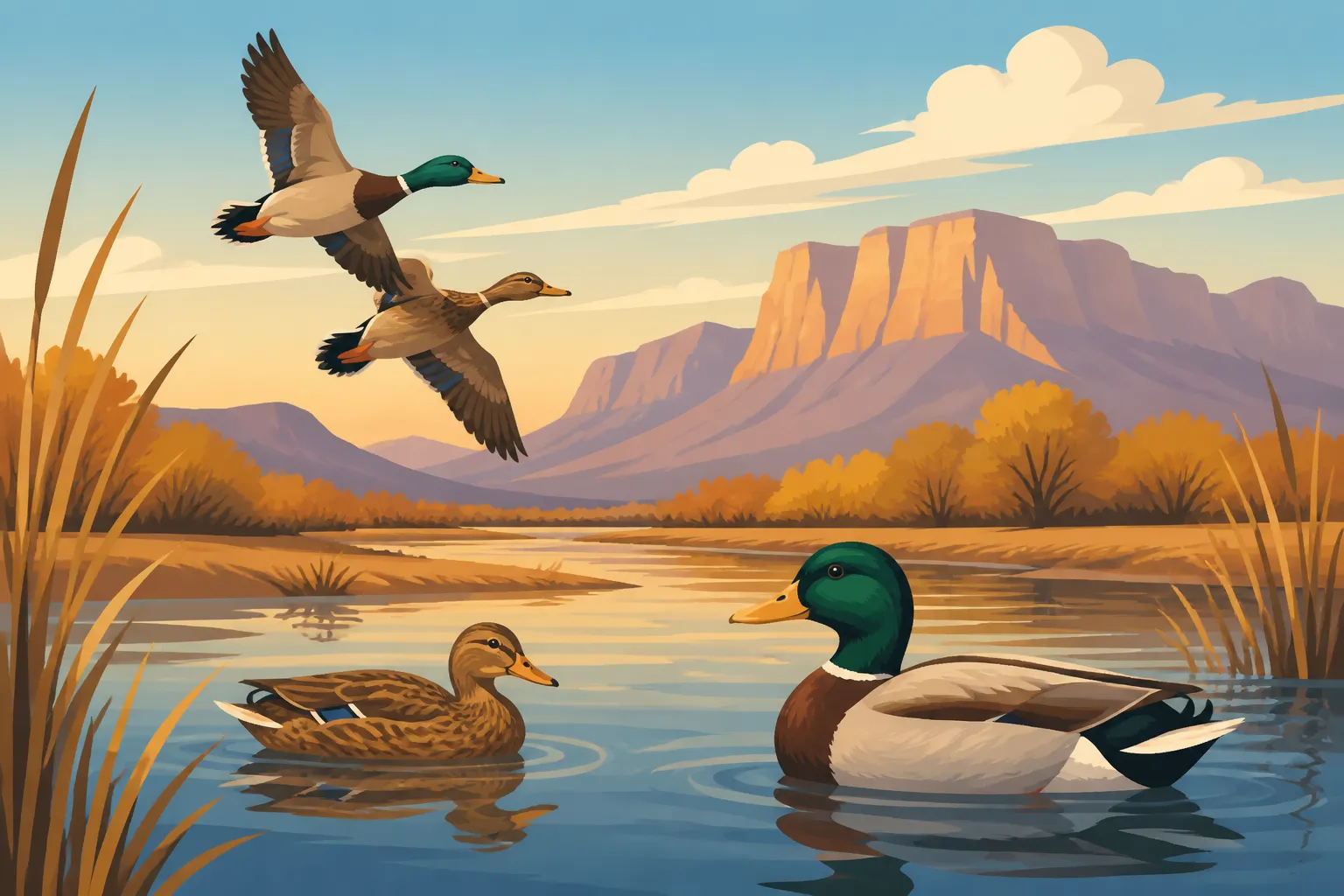
When you're out along the Rio Grande, you'll likely encounter a fantastic mix of duck species. Mallards are, of course, a staple, often seen loafing on the main river channel or dropping into flooded fields. Their distinctive green heads and loud quacks are a familiar sight and sound. You'll often find them mixed with gadwalls, which are a beautiful grey duck, and American widgeons, easily identified by the white patch on their wings and often heard whistling. These dabbling ducks prefer shallower waters where they can tip up to feed, and they’re often found in agricultural run-off ponds, irrigation ditches, and calmer backwaters of the river itself. A good spread of mallard decoys, mixed with a few pintail or widgeon, can be very effective for these birds.
Another key group are the teal, specifically green-winged teal, with their explosive takeoffs and darting flight patterns. These small, fast ducks are often some of the first to arrive in the early season and can provide incredibly exciting shooting. They love shallow, muddy edges of ponds and flooded fields. Sometimes you’ll see cinnamon teal as well, though they are less common in the main winter migration. Divers like common mergansers and occasionally ring-necked ducks might also be present, particularly on deeper, more open stretches of the river or larger reservoirs adjacent to the river. Success with ducks often comes down to knowing their preferred feeding and loafing spots and setting up where you can intercept them along their daily flight paths.
Geese and Other Migratory Birds
The Rio Grande is also a significant corridor for various goose species. Canada geese are prevalent, with both resident populations and migratory birds using the river. You'll find them feeding in agricultural fields, especially corn and alfalfa stubble, and roosting on large, open bodies of water. Hunting Canada geese often requires large spreads of decoys and robust calling to convince wary birds to commit. Their sheer size and impressive flights make for an unforgettable hunt.
Further south, particularly around the Bosque del Apache area, hunters can witness spectacular concentrations of snow geese and Ross's geese. These white geese often move in massive flocks, swirling and chattering, creating a truly awe-inspiring spectacle. While they primarily utilize the refuge for safety, they will often fly out to surrounding agricultural fields to feed. Pursuing snow geese typically involves very large numbers of decoys, often hundreds, and specialized calling techniques to imitate their cacophonous chatter. Keep in mind that for specific, highly managed populations like sandhill cranes, New Mexico operates a special draw permit system, separate from general waterfowl hunting. If you're lucky enough to draw a Sandhill Crane Permits in New Mexico tag, you'll be targeting these magnificent birds in similar habitats along the Rio Grande corridor. It's a completely different hunt than ducks or geese, requiring specific identification skills and adherence to strict regulations.
Strategies and Regulations for Hunting the Rio Grande
Hunting waterfowl along the Rio Grande presents unique challenges and rewards. Success often hinges on understanding access, employing the right tactics, and meticulously adhering to state and federal regulations.
Public Access Points and Considerations
Finding good public access along the Rio Grande can be a bit of a jigsaw puzzle, but it’s definitely there if you know where to look. New Mexico's Department of Game and Fish manages several State Game Commission (SGC) properties that offer waterfowl hunting opportunities. These often include managed impoundments, river access, and sometimes adjacent fields. Additionally, Bureau of Land Management (BLM) acreage often borders the river or is found nearby, providing more expansive areas, though these might not always be prime waterfowl habitat directly unless they encompass a specific water feature or adjacent agricultural land. Using mapping tools like GoHunt can be invaluable for identifying these public parcels and understanding the ownership boundaries. These tools allow you to layer public land maps with satellite imagery, helping you pinpoint potential access points, identify features like ponds or ditches, and plan your approach long before you ever set foot in the field.
A significant challenge, however, is the patchwork of private land that often runs right up to the river's edge. This means that even if a segment of the river looks promising, you might need written permission from landowners to access it or cross their property to reach public sections. Always err on the side of caution and secure permission if there's any doubt. Never assume access. National Wildlife Refuges, like Bosque del Apache, are critical bird habitat and often have very specific, limited hunting opportunities that require special permits or draws. It's crucial to consult their specific regulations before planning a hunt. For general rules about State Wildlife Management Areas Open to Hunting and understanding BLM Acreage Across New Mexico, always check the official resources.
Essential Gear and Tactics
Waterfowl hunting, especially along a dynamic river system like the Rio Grande, demands specific gear and a thoughtful approach. Decoys are fundamental. For ducks, a spread of a dozen to two dozen mallard, pintail, or mixed dabbler decoys can be effective in backwaters, flooded fields, or even small potholes along the river. For geese, you'll often need larger numbers, sometimes 50 or more full-body or shell decoys, particularly when targeting wary Canada or snow geese in open fields. Motion decoys, like spinning-wing ducks or flappers, can also add crucial realism and draw attention from passing birds.
Blinds are another essential piece of the puzzle. Natural cover, such as cattails, willows, or brush piles, can be highly effective if you blend in well. Portable panel blinds or layout blinds are excellent for field hunting, allowing you to disappear into the landscape. Calling is an art form that takes practice but is vital for bringing birds within range. Master basic mallard quacks and greetings, as well as goose honks and clucks, and learn to read the birds' reactions to your calls. A good retriever, if you have one, is an invaluable asset, saving you from cold water retrieves and minimizing crippling losses. Finally, don't forget quality waders – neoprene or breathable chest waders are essential for navigating variable water depths and muddy banks, keeping you dry and comfortable during long waits. Choosing a Rifle for Gila Timber and Canyons focuses on big game, but the principle of matching gear to terrain applies equally here.
Navigating Seasons and Licensing
Successfully hunting waterfowl along the Rio Grande means meticulously understanding and adhering to a complex web of seasons and licensing requirements. New Mexico’s waterfowl seasons are set by the New Mexico Department of Game and Fish (NMDGF) in alignment with federal guidelines, so they can vary slightly year to year. Generally, you’ll see early teal seasons, followed by a longer regular duck and goose season that typically runs from late fall through mid-winter. Specific dates can be found in the current year’s hunting proclamation. You'll definitely want to consult New Mexico Waterfowl Season Dates and New Mexico Duck Bag Limits by Species for the exact figures before you head out. These details are crucial, as bag limits and species restrictions can change based on population surveys and migratory patterns.
Beyond your standard New Mexico hunting license, waterfowl hunters have several additional requirements. A valid Federal Duck Stamp is mandatory for anyone 16 years of age or older, and it must be signed across the face. You'll also need a Harvest Information Program (HIP) certification, which is free but required annually to collect data on migratory bird hunters. Some specific areas, like certain National Wildlife Refuges or State Game Commission properties, might have their own special permits or draw requirements, so always check local rules for your chosen hunting spot. Make sure you understand Legal Shooting Hours and Blaze Orange in New Mexico as well, though blaze orange is typically not required for waterfowl hunting unless it's a specific youth or special hunt. Keep in mind that Baiting and Trail Camera Rules in New Mexico also apply and are very strict for migratory birds – never hunt over baited areas.
Maximizing Your Chances: Scouting and Local Knowledge
Waterfowl hunting is often less about luck and more about diligent preparation, especially in a diverse and sometimes challenging environment like the Rio Grande. Effective scouting and understanding local conditions will always tip the odds in your favor.
The Importance of Pre-Season Scouting
You simply cannot overstate the value of thorough pre-season scouting for waterfowl. Birds are creatures of habit, establishing clear flight paths between roosting areas (where they spend the night safely) and feeding areas (where they forage during the day). Your job as a hunter is to identify these patterns and set up to intercept them. Begin by locating potential public access points along the river or areas with adjacent agricultural fields. This is where tools like GoHunt really shine. Its detailed mapping features allow you to identify public land boundaries, zoom in on satellite imagery to spot water features, fields, and potential roosting ponds, and even review historical weather data that might influence migration. You can literally e-scout an entire unit before ever leaving your couch, saving precious time and gas money.
Once you have identified promising areas, it’s time for boots on the ground (or waders in the water). Drive or walk the perimeters, observing from a distance. Look for concentrations of birds, paying close attention to where they are landing, feeding, and taking off. Note the time of day these movements occur. Are they flying out to feed at dawn and returning to roost at dusk? Are there specific fields they favor? Is there a particular bend in the river or a secluded pond they prefer? This ground-level observation, combined with the detailed information you can gather from platforms like GoHunt, allows you to build a comprehensive picture of bird behavior and identify the absolute best locations for your blind and decoy spread. Remember, E-Scouting a New Mexico Unit Before the Season is a great start, but nothing beats real-world observation.
Weather and Water Level Impacts
Waterfowl behavior is intrinsically linked to weather and water conditions, making these crucial factors for any hunter along the Rio Grande. Cold fronts, particularly strong northern pushes, are often a waterfowl hunter’s best friend. These fronts push new waves of migratory birds south, replenishing hunting areas and often making existing birds more active as they seek out food sources before a deep freeze. A sudden drop in temperature can also cause smaller, shallower ponds to freeze, forcing birds onto larger, still-open bodies of water like the main river channel or managed impoundments, making them more concentrated and predictable.
Conversely, mild weather can spread birds out, making them less reliant on specific feeding or roosting areas, and consequently, harder to hunt. Water levels in the Rio Grande are also constantly fluctuating due to irrigation demands, snowmelt, and rainfall. High water can flood new areas, creating temporary but excellent feeding grounds, while low water can expose mudflats that attract dabbling ducks. Heavy rainfall can also create temporary sheet water in fields that usually wouldn't hold birds, offering unexpected opportunities. Paying attention to river flow reports, local precipitation forecasts, and observing how water levels change on your scouting trips will give you a significant advantage. This intimate understanding of how these environmental factors influence bird movement is what separates consistently successful waterfowl hunters from those who simply head out hoping for the best. Don't forget the importance of Water Sources and Ethics in Desert Hunting and how knowing where the water is can change your whole hunt plan.
Disclaimer
This article is for general informational purposes only and does not constitute professional advice. Laws, prices and regulations vary by location and change over time. Consult a qualified professional for guidance on your specific situation.