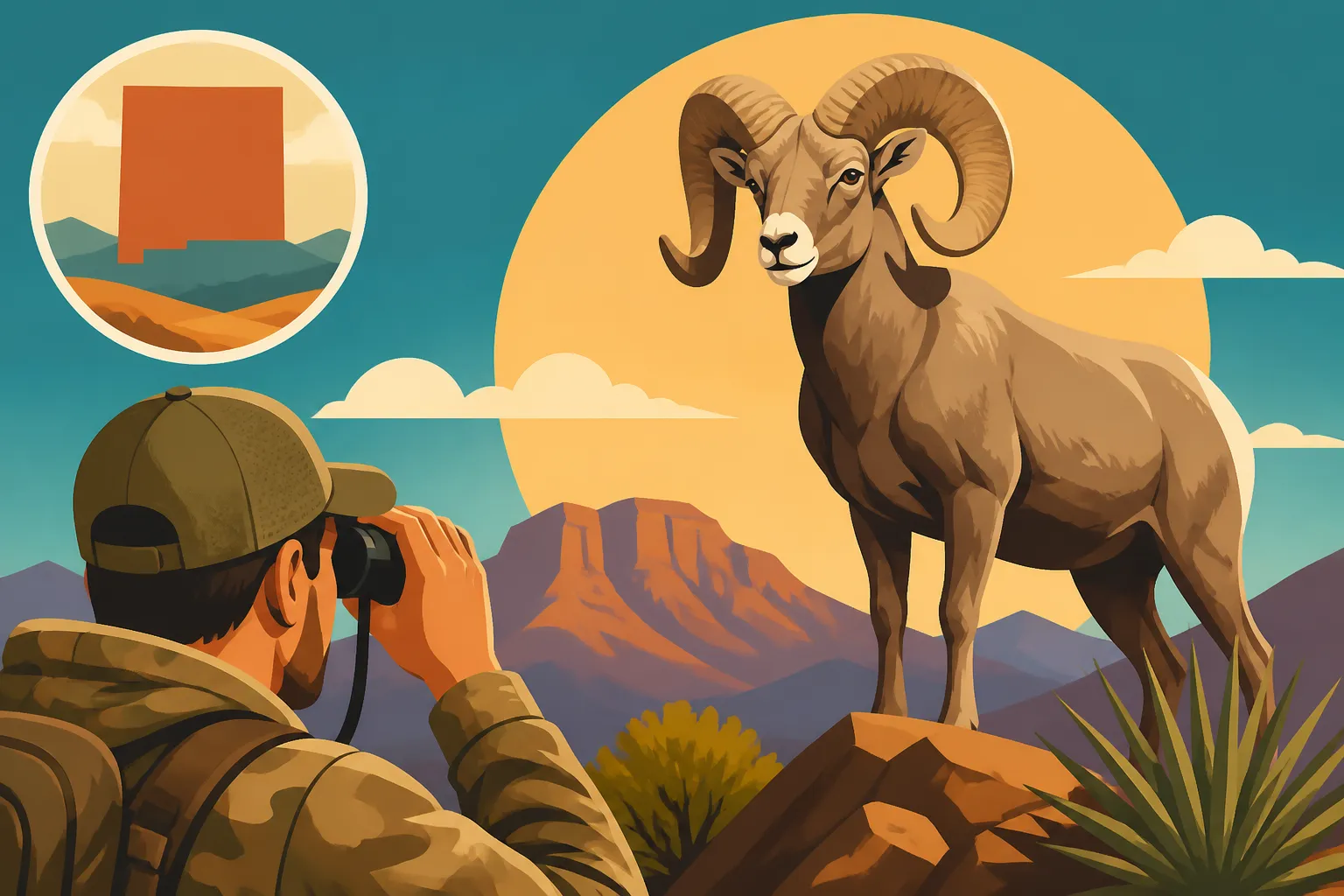
Judging a New Mexico Barbary Sheep Ram
Spotting a Barbary sheep ram in New Mexico's rugged canyon country is a thrill, but judging its size and age on the hoof can be incredibly daunting. These animals, often called Aoudad, are masters of camouflage and difficult terrain, making it frustratingly hard to assess their trophy potential accurately. This guide will walk you through the essential characteristics and field-judging techniques to help you confidently identify a mature ram and make the most of your New Mexico Barbary sheep hunt.
The Unique Challenge of Judging Barbary Sheep
Hunting Barbary sheep in New Mexico means stepping into some truly breathtaking, but equally challenging, landscapes. Unlike some other big game where antler points or distinct features are easy to count from afar, Barbary rams demand a keen eye and a deep understanding of their unique growth patterns. Many hunters find themselves second-guessing their observations, worried they might pass on a great ram or, worse, take one that hasn't reached its full potential.
Why Barbary Rams Are So Tricky
Barbary rams don't grow antlers in predictable, symmetrical patterns like deer or elk. Their horns are a continuous spiral, constantly growing throughout their lives, making age and trophy quality less about "points" and more about overall horn length, mass, and depth of curl. Compounding this challenge, Barbary sheep are often found in extremely broken, rocky terrain where judging distances and sizes is naturally distorted. A ram on a distant cliff band can look significantly different than one at eye level, leading to classic "rock fever" misjudgments. The sheer effort involved in reaching these remote areas also adds pressure to make the right call when an opportunity finally presents itself.
Another factor that makes judging Barbary rams difficult is their physical resilience and adaptability. These aren't creatures that stand out against a lush green background. They blend seamlessly with the dry, often monochromatic, desert and canyon environments they inhabit. You might have a ram in your optics and still struggle to pick out the finer details of its horns against the chaotic backdrop of cliffs and scrub. Understanding How Aoudad Reached New Mexico Canyon Country helps appreciate their hardiness and ability to thrive in such unforgiving habitats, which in turn influences their elusive nature and the difficulty in assessing them quickly.
Understanding Their Native Habitat and Behavior
Barbary sheep are native to the arid mountains of North Africa, and their chosen habitat in New Mexico mirrors this harsh environment perfectly. You'll find them clinging to steep canyon walls, traversing rimrock, and disappearing into dense juniper and oak brush. This makes for intense spot-and-stalk hunting, but it also means most of your judging will happen at significant distances. They are incredibly wary animals with excellent eyesight, often making only brief appearances before melting back into the landscape. This behavior, combined with the terrain, limits your window for assessment. Knowing Where Barbary Sheep Live in New Mexico is the first step, but truly understanding their movements within these areas is critical for getting a good look at a ram.
Their social structure also plays a role. While you might occasionally see a lone, older ram, they often travel in groups, making it harder to single out a specific animal and focus on its characteristics without other sheep moving around or blocking your view. These groups can vary in size, from small bachelor bands of rams to larger mixed-sex herds. When a group is on the move, especially across broken terrain, quick, decisive judgment is paramount. This emphasizes the need for pre-hunt scouting, whether it's E-Scouting a New Mexico Unit Before the Season or putting boots on the ground to learn their travel corridors and bedding areas.
Key Characteristics for Field Judging a Barbary Ram
When you finally get a ram in your scope or binoculars, knowing exactly what to look for is paramount. It’s not just about the horns; it’s about the whole animal. A mature Barbary ram presents a distinct profile, but discerning the nuances requires practice and a systematic approach. Many hunters, especially those new to Barbary sheep, rush the evaluation, focusing on just one aspect, like perceived horn length, and miss other crucial indicators of maturity.
Horn Length and Mass: The Primary Indicators
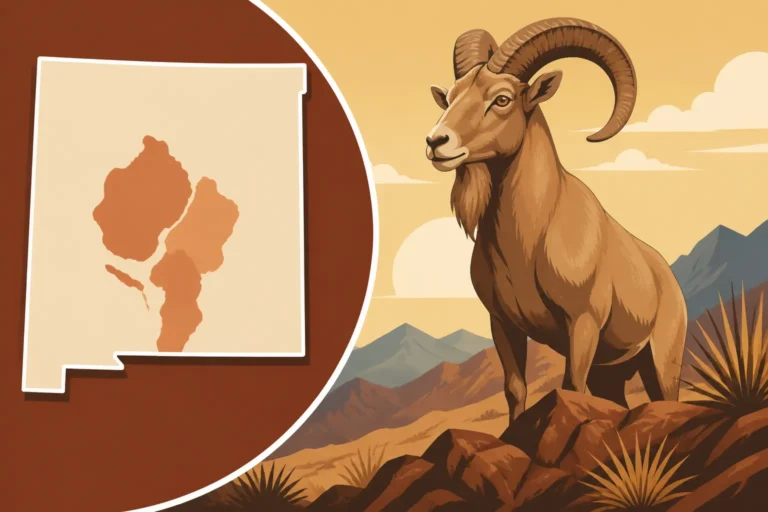
The horns are undeniably the most defining feature for judging a Barbary ram. You're looking for length that sweeps back and then curls forward, often in a distinct C-shape or double curl. However, length alone can be deceiving. A younger ram might have decent length, but it will lack the incredible mass and deep annulations (rings) that mark a truly mature animal.
- Length: A ram with horns reaching well past its shoulder, sometimes even approaching its hindquarters in older animals, is a good indicator of age and trophy potential. The tips should ideally curl forward past the eye or even further. Think of the horn as describing a significant arc away from the head and then back towards the front.
- Mass: This is often overlooked but is absolutely critical. Mature rams develop immense horn mass, particularly at the base, which then carries well through the length of the horn. The bases should look thick and "heavy," almost disproportionate to the head. A good tip is to compare the horn base diameter to the diameter of the ram's eye or ear – a truly massive ram will have bases that appear much thicker than these features.
- Curl and Annulations: The depth and tightness of the curl also matter. Older rams will have a more pronounced, often tighter, backward and forward curl. The annulations, or growth rings, will be very distinct and deeply ridged, particularly near the bases. Younger rams will have smoother, less defined rings. A general rule of thumb for many is looking for rams with horn lengths that start pushing past 28-30 inches, but ideally, you're looking for 30 inches and beyond, combined with exceptional mass.
Body Size and Physical Maturity
The ram's body itself tells a story of age and development. Just like with other big game, older animals carry more bulk and have a different physical presence than younger ones. A truly mature ram won't just have impressive horns; it will have a formidable physique that complements them.
- Overall Size: Mature rams are considerably larger and more heavily muscled than ewes or younger rams. They'll have a thick, deep chest, a sturdy neck, and broad shoulders. They often appear "blocky" or "barrel-chested" compared to the leaner, more elegant build of ewes. When you see a group, the biggest body in the bunch often belongs to the oldest ram.
- Facial Features: Look at the ram's face. Older rams often develop a grizzled, battle-hardened look. Their muzzles might appear wider and heavier, and their eyes can seem set deeper. Compare this to the more refined, almost delicate, features of a younger animal.
- Stance and Demeanor: A mature ram often carries itself with an air of dominance. They might stand taller, move with a more deliberate gait, and seem less skittish than younger animals or ewes. While Barbary sheep are generally wary, an old ram has seen it all and might hold its ground a bit longer, allowing for better observation. Don't underestimate these subtle cues; they often confirm what you're seeing in the horns.
Mane, Chaps, and Other Aesthetic Features
Beyond the horns and body, Barbary sheep possess some striking aesthetic features that can also aid in judging age and trophy quality. These aren't always definitive on their own, but they provide valuable supporting evidence.
- Mane: The long, flowing mane on a ram's throat and chest is a hallmark of the species. On a mature ram, this mane will be exceptionally long, dense, and often darker in color, sometimes reaching almost to the ground. Younger rams will have shorter, sparser manes.
- Chaps: The "chaps" or long hair on the front of their legs are another distinctive feature. Similar to the mane, these will be longer, thicker, and more prominent on older, mature rams. They can create a dramatic, almost shaggy appearance on the forelegs.
- Coloration: While coloration can vary slightly due to individual genetics and diet, older rams sometimes exhibit a richer, deeper reddish-brown coat. The contrasting lighter patches on their inner legs and belly can also appear more pronounced. However, use caution with color as a primary judging factor, as lighting conditions and distance can drastically alter perceived hues.
Combine these observations with the horn assessment. A ram with massive, long horns, a thick body, a long, flowing mane, and pronounced chaps is almost certainly a mature trophy animal.
Practical Tips for Spotting and Assessing Barbary Sheep
Barbary sheep are not easy targets, and getting a clear, unpressured look at a ram in their steep, rocky domain is a challenge. You need to leverage your tools and skills effectively to make the most of every sighting. Many hunters get frustrated trying to rush a shot, only to find later that their quick assessment was flawed. Taking your time, when possible, is always the best approach.
Optics and Observation Strategies
Your optics are your best friends in Barbary sheep country. High-quality binoculars and a spotting scope are non-negotiable for effective field judging.
- Binoculars First: Start with your binoculars to scan vast expanses of rimrock, canyons, and brushy slopes. Don't just scan randomly; try a systematic Grid Glassing a Basin Without Missing Bucks approach, even if you're not looking for deer. Barbary sheep blend in remarkably well, and a methodical scan will help you pick apart the landscape.
- Spotting Scope Power: Once you spot movement or a potential ram, get your spotting scope on it. This is where you'll make your detailed assessment. For the open, rugged country of New Mexico, a good quality spotting scope with variable magnification from 20-60x or even higher is ideal. Consider Optics Power for New Mexico's Open Country to ensure you have enough magnification to see the critical horn details. A sturdy tripod is essential for steady viewing, especially when trying to discern annulations on horns at extreme distances. Setting up a Tripod Setup for Glassing From a Ridge will provide the stability needed for those long sessions.
- Patience is Gold: Barbary sheep often move slowly or bed down in shaded areas. Don't rush your observation. Watch the ram for an extended period if possible. Let it stand, walk, and turn, offering different angles of its horns and body. This allows you to evaluate all the characteristics mentioned earlier. Sometimes, you need to wait for the animal to move into better light or a clearer position. GoHunt offers excellent resources for detailed unit maps and terrain analysis, which can help predict where sheep might be bedding or feeding, giving you a better chance for prolonged observation.
Using Photography and Video for Analysis
In today's digital age, your phone or a dedicated camera can be a powerful judging tool, especially when a ram is at a distance and time is of the essence.
- Digiscoping/Phonescoping: Attaching your smartphone to your spotting scope (digiscoping or phonescoping) can allow you to capture high-resolution images or video. This is incredibly useful for reviewing details you might have missed in the field, or for sharing with a hunting partner for a second opinion without both of you peering through the scope. Take multiple shots from different angles if the ram allows.
- Analyzing Frames: Back at camp, or even quickly in the field, you can zoom in on the captured images or play back video frames. This allows for a more relaxed and detailed assessment of horn length, mass, and body characteristics. It's much easier to confirm those subtle annulations or the exact sweep of a horn when you can pause the action.
- Reference Photos: Keep reference photos of known trophy Barbary rams on your phone or in your pack. Comparing what you see in the field (or on your camera screen) to these examples can help calibrate your eye and give you a more accurate sense of what constitutes a truly exceptional animal.
What to Do When You Can't Get Close
Barbary sheep are not known for their cooperative nature. Sometimes, despite your best efforts, you just can't get within comfortable viewing or shooting range, or the terrain makes a closer approach impossible.
- Evaluate Best Available Information: In these situations, you have to make a judgment based on the best information you can gather. Focus on the most obvious indicators: is the ram clearly larger than any ewe? Do its horns appear to reach well past its shoulders with significant mass at the base? If you’re unsure, it’s often best to err on the side of caution.
- Relocate and Re-evaluate: If you have the time and the terrain allows, try to reposition yourself for a better vantage point. This might mean a strategic hike around a ridge or patiently waiting for the sheep to move into a different area. Remember, Spot and Stalk Tactics for Barbary Sheep often involve significant effort and multiple attempts to get into position.
- Know When to Pass: There's no shame in passing on an animal if you can't confidently judge it to be what you're looking for. The beauty of Barbary hunting often lies in the challenge and the experience, not just the harvest. New Mexico offers a unique opportunity, and sometimes waiting for the right ram is part of the journey. Familiarize yourself with the New Mexico Barbary Sheep Draw Odds if you plan on drawing another tag in the future; understanding the draw ensures you don't feel undue pressure to take an animal that doesn't meet your expectations for a hard-earned tag.
Barbary Sheep Hunting in New Mexico: What to Expect
Beyond the technicalities of judging, it's vital to have a realistic understanding of the overall Barbary sheep hunting experience in New Mexico. This isn't a relaxed walk in the park; it's a physically demanding and mentally challenging pursuit that requires preparation and respect for the animal and the environment.
Common Hunting Areas and Draw Odds
Barbary sheep are found in various mountain ranges and canyon systems across New Mexico, particularly in the south-central and southeastern parts of the state. These include areas like the Guadalupe Mountains, the Canadian River breaks, and other rugged desert ranges. Tags are primarily obtained through the annual draw, which can be competitive due to the unique nature of the hunt.
When researching units, pay close attention to the public land access and the terrain features. GoHunt's mapping tools are invaluable for identifying suitable areas and understanding the public/private land mosaic. Some units might have higher Barbary populations, while others might offer better trophy potential, albeit with tougher access. It's crucial to Reading a New Mexico Hunt Code Before You Apply to ensure you're applying for the correct species and hunt period, as errors can cost you a chance at a tag. Expect low draw odds for desirable hunts, making it all the more important to be prepared when you finally draw.
Ethics and Conservation Considerations
Hunting Barbary sheep, like all big game, comes with significant ethical and conservation responsibilities. These animals are a valuable resource, and responsible hunting practices ensure their continued health and availability for future generations.
- Respect for the Land: New Mexico's Barbary country is often remote and fragile. Practice Leave No Trace principles. Pack out all your trash, respect private land boundaries, and be mindful of water sources. The desert is a harsh environment, and Water Sources and Ethics in Desert Hunting are paramount.
- Shot Placement and Retrieval: Due to the steep terrain and the Barbary sheep's toughness, precise shot placement is critical. Always strive for a clean, ethical kill. Be prepared for difficult retrievals, potentially requiring extensive packing or even quartering an animal in steep, rocky conditions. This also means being physically fit. Choosing Boots for Rocky Desert Ground and conditioning your body for the rigors of the hunt are essential.
- Fair Chase: Uphold the principles of fair chase. Avoid using electronic calls for big game (where illegal) or any method that gives an unfair advantage. The challenge of a Barbary hunt is part of its appeal, and overcoming that challenge ethically is what makes the experience truly rewarding. The Barbary sheep is a formidable adversary, and a successful, ethical hunt is a testament to the hunter's skill and perseverance.
Hunting Barbary sheep in New Mexico is an adventure like no other. By understanding their behavior, focusing on key judging characteristics, utilizing your optics effectively, and upholding ethical hunting principles, you'll be well-equipped to pursue a mature ram with confidence and pride.
Disclaimer
This article is for general informational purposes only and does not constitute professional advice. Laws, prices and regulations vary by location and change over time. Consult a qualified professional for guidance on your specific situation.