Typical Bull Scores Out of Unit 15
If you're dreaming of a trophy bull from New Mexico, Unit 15 often tops the list, but it's easy to get lost in the hype without a realistic understanding of what to expect. This guide is here to cut through the noise, offering a grounded look at the typical bull scores coming out of Unit 15, what makes this unit so special, and how you can manage your expectations for a truly successful hunt.
Understanding New Mexico's Unit 15 Reputation
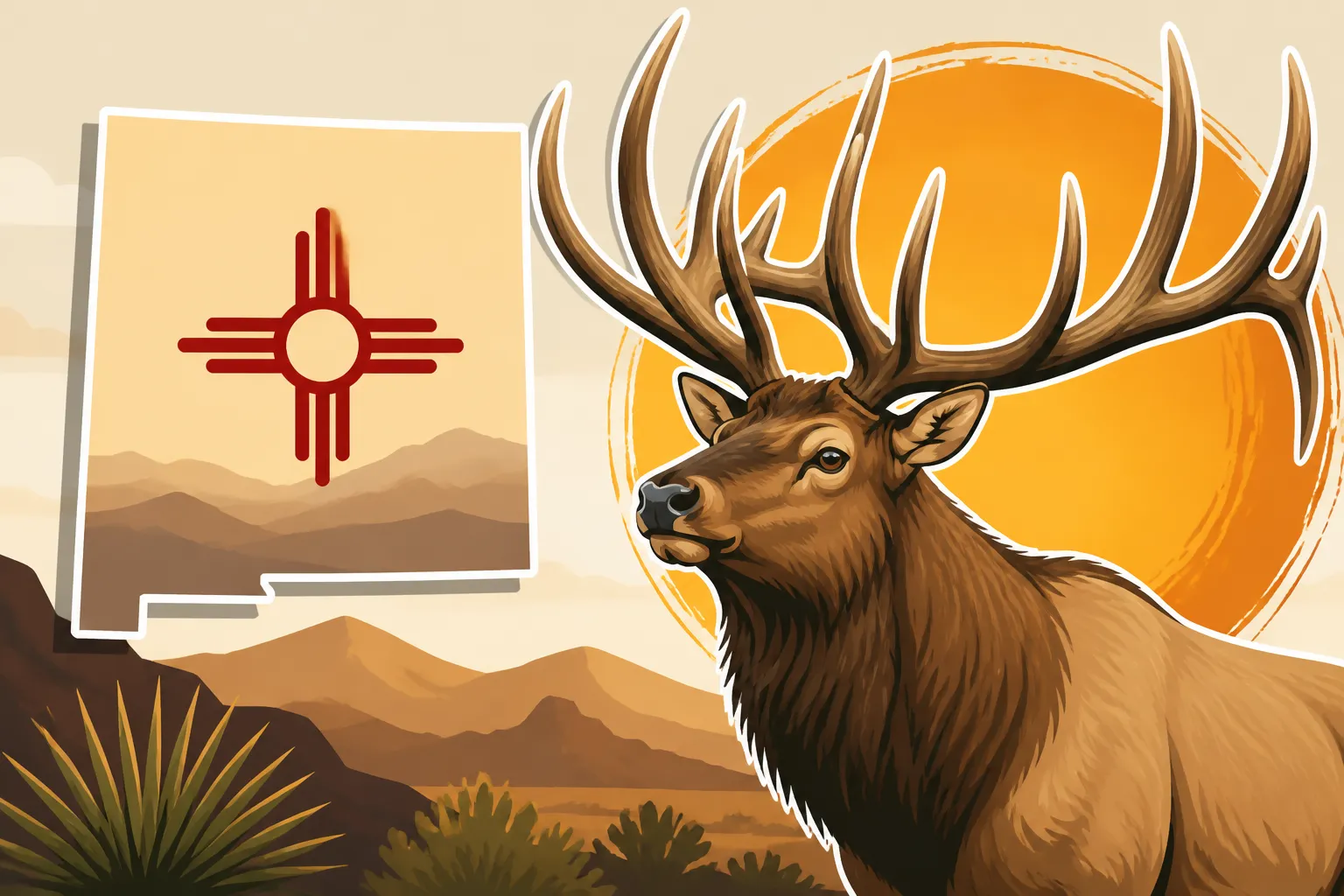
Unit 15, nestled within the vast Gila National Forest, holds a near-mythical status among elk hunters, and for good reason. It’s a unit that consistently produces impressive bulls, drawing hopeful applicants from across the country. But what exactly is it about Unit 15 that gives it this reputation, and what does it mean when we talk about "typical" scores?
Why Unit 15 Stands Out for Trophy Elk
New Mexico's Unit 15 is often called the finest in the Gila for a host of interconnected reasons. First and foremost, its sheer size and the rugged, roadless wilderness within its boundaries provide the perfect sanctuary for elk to grow old. Mature bulls, the kind that carry impressive antlers, need space, security, and time to develop their full potential, and Unit 15 offers all three in spades. Much of the unit is either officially designated wilderness or has very limited vehicle access, meaning less human disturbance and more opportunities for elk to establish undisturbed patterns.
The habitat itself is a rich tapestry of ponderosa pine forests, steep canyons, high-elevation parks, and vital water sources, particularly crucial in a high desert environment. This diverse terrain provides excellent feed throughout the year, from nutritious grasses in the open parks to browse in the timbered slopes. The combination of incredible habitat, low pressure in vast backcountry areas, and strict management by the New Mexico Department of Game and Fish (NMDGF) contributes directly to the potential for trophy-class animals. This isn't a unit where you'll find a giant behind every tree, but the conditions are ripe for them to exist. If you're looking for an in-depth dive into the terrain that helps foster these animals, consider reading about Hunting New Mexico From 4,000 Feet to 10,000.
What "Typical" Means in Elk Scoring
When hunters talk about "typical bull scores," they're almost always referring to the Boone & Crockett Club's scoring system for North American big game. This system is designed to measure the quantifiable aspects of an animal's antlers in a standardized way. For typical elk, the score is based on the length of the main beams, the length of all tines (points), and the circumference measurements at specific points along the main beam. The key here is "typical"—meaning the antlers should display a relatively symmetrical growth pattern, with points originating from the main beam in a generally uniform fashion on both sides.
Non-typical points, or abnormal points, are deducted from a typical score if they don't mirror each other or grow in the expected pattern. This is why a bull with impressive mass and many points might still score lower as a "typical" animal if its antler configuration is asymmetric. Understanding this distinction is crucial when you look at harvest photos or hear hunters discussing scores. A bull scoring 350 typical inches is often considered a far more impressive symmetrical animal than a 380 non-typical bull, depending on personal preference. The focus in Unit 15, for many, is on that classic, symmetrical Gila monster.
Realistic Expectations for Bull Scores in Unit 15
It's easy to get caught up in the tales of Boone & Crockett monsters, especially when hearing about a unit like Unit 15. While the potential for a true giant absolutely exists here, it's vital to ground those expectations in realism. Not every bull in Unit 15 is a 380-inch behemoth, and most hunters will be thrilled with a mature, respectable animal.
Average Scores for Harvested Bulls
Based on historical harvest data and anecdotal reports from successful hunters, a typical mature bull taken in Unit 15 by a dedicated hunter will often fall into the 280 to 320-inch range, net typical score. These are solid, impressive bulls that any hunter would be proud to hang on their wall. You're looking at animals that are likely 5.5 to 7.5 years old, with strong main beams and well-developed tines, often 6×6 configurations. Some will push into the 330-340 range, representing exceptional animals for most hunters.
Think of it this way: if you draw a Unit 15 tag and you're persistent, put in the work, and hunt smart, you have a very good chance of encountering bulls in this "respectable" class. These are not "raghorns" by any stretch of the imagination; they are formidable, mature elk. The Gila consistently delivers strong genetics, and even an average mature bull from Unit 15 often looks better than a top-end bull from less managed or pressured units elsewhere.
The Elusive 350-inch Plus Bull
Now, let's talk about the bulls that truly make Unit 15 legendary: the 350-inch and above giants. These are the true trophies, the animals that often make the record books and fuel a lifetime of hunting stories. While Unit 15 does produce these bulls with a higher frequency than many other units, they are by no means common. Harvesting a bull of this caliber requires a combination of impeccable scouting, unwavering determination, a bit of luck, and often, exceptional hunting skill.
These bulls are survivors. They've navigated years of hunting pressure, predators, and harsh environmental conditions. They are smart, elusive, and often inhabit the deepest, most remote parts of the wilderness, making them incredibly challenging to locate and even harder to close the distance on. Many hunters spend their entire season, or multiple seasons in Unit 15, dedicated to finding such an animal, and still come up empty-handed. For an idea of the commitment required, consider the advice in Glassing New Mexico's Gila for Trophy Bulls. It's the pursuit of this caliber of animal that draws many to apply for this coveted tag year after year, fully knowing the odds are stacked against them, but the potential reward is immense.
Factors Influencing Bull Size in Unit 15
The antler size of a bull is not just a matter of luck; it's the culmination of a complex interplay of biological factors and environmental conditions. Understanding these elements can help you appreciate why certain units consistently produce bigger bulls, and what contributes to that potential in Unit 15.
Age, Genetics, and Nutrition
These three pillars are fundamental to antler growth.
- Age: This is arguably the most critical factor. Elk antlers reach their peak size when a bull is typically between 6.5 and 9.5 years old. Younger bulls are still growing, and older bulls past their prime might see a decline in antler quality. Unit 15's vast, rugged terrain and management strategy help ensure a good proportion of bulls reach these older age classes. The sheer difficulty of accessing some areas also acts as a natural protective measure, allowing bulls to mature without excessive pressure.
- Genetics: The inherent genetic potential of the elk herd plays a huge role. The Gila elk herd has a strong genetic lineage for impressive antler growth, a legacy that's been fostered over generations. While not something a hunter can directly influence, it's a foundational reason why Unit 15 is known for big bulls.
- Nutrition: Antlers are essentially bone, and their growth demands a tremendous amount of energy and specific nutrients, particularly calcium and phosphorus. Abundant, high-quality forage throughout the year is crucial. Good spring and summer rains translate directly into lush feed, which in turn fuels antler development. A dry year can mean smaller antlers across the herd, even for mature bulls. A unit like Unit 15, with its diverse ecosystems and water sources, often provides more consistent nutrition than more arid regions. For related information on how environmental factors impact game, you might find How Monsoon Rain Affects Antler Growth interesting.
Hunter Pressure and Season Timing
While age, genetics, and nutrition are biological and environmental, hunter pressure and season timing are human-influenced factors that significantly impact a bull's ability to reach trophy potential and a hunter's ability to find one.
- Hunter Pressure: Unit 15, despite its fame, is still a tough place to hunt. The sheer scale of the wilderness means that pressure, while present, can be effectively dispersed. Experienced hunters who are willing to pack in deep and hunt away from roads will find areas with significantly less pressure, allowing bulls to behave more naturally. Less pressure during crucial times (like the rut) means bulls are less likely to be pushed out of prime habitat or become excessively nocturnal, increasing the chances of daylight encounters with mature animals. This highlights the importance of being prepared to cover serious ground, as detailed in Packing an Elk Out of the Gila Alone.
- Season Timing: New Mexico often schedules elk hunts with a spread of archery, muzzleloader, and rifle seasons. For Unit 15, many trophy hunters target the early archery season during the peak of the rut, hoping to capitalize on vocal, less wary bulls. However, this is also when bulls are most vulnerable. Later seasons, like muzzleloader or rifle, can be challenging as bulls become more call-shy and move to thicker cover. The early seasons, while demanding, often provide the best opportunities for close encounters with larger, more vocal animals. Understanding Bugle Timing Through New Mexico's Rut can be a game-changer for early season hunters.
Leveraging Data and Resources for Unit 15 Success
Drawing a Unit 15 elk tag is a significant achievement, but it's only the first step. To maximize your chances of harvesting a mature bull, you need to go beyond basic knowledge and dive deep into preparation and data analysis. This is where tools and strategic planning become invaluable.
Using Historical Harvest Data
The New Mexico Department of Game and Fish (NMDGF) publishes harvest statistics annually. This data, while not revealing specific locations of giant bulls, offers crucial insights into the unit's potential. You can look at success rates for different weapon types and specific seasons within Unit 15. Pay attention to the age class of bulls harvested, if available, or the general antler points. While exact scores aren't typically published, consistent reports of 6×6 bulls or higher harvest percentages for mature animals are strong indicators.
Resources like GoHunt provide invaluable tools for analyzing draw odds and harvest success rates, often synthesizing complex NMDGF data into user-friendly formats. They can help you compare Unit 15's performance against other units, or even against its own historical trends. Don't just look at the overall success rate; try to discern trends over several years. Has the unit consistently produced a certain caliber of bull? Are the success rates trending up or down? This kind of detailed analysis is essential for setting realistic expectations and refining your hunt strategy. For more on interpreting these numbers, check out Reading New Mexico Hunt Draw Statistics.
Scouting and Preparation for Unit 15
Once you've drawn that coveted Unit 15 tag, the real work begins. Successful trophy hunting in this unit isn't about stumbling onto a giant; it's about meticulous preparation, often starting months in advance.
- E-Scouting: Before you ever set foot in the unit, spend countless hours e-scouting with satellite imagery and mapping applications. Identify potential bedding areas, feeding zones, water sources, and travel corridors, paying close attention to terrain features that offer security for mature bulls. Mark areas with minimal road access or steep terrain that might deter other hunters. GoHunt's mapping tools, which integrate public and private land boundaries, elevation, and historical burn data, are incredibly useful for this phase. Look for remote benches, hidden basins, and dense timber pockets where big bulls might hide.
- Physical Conditioning: Unit 15 is physically demanding. You'll be hunting at elevations ranging from 4,000 to over 10,000 feet, often traversing steep, rocky, and timbered country. Physical fitness is not just about comfort; it directly impacts your ability to get to those remote areas where big bulls live, stalk effectively, and then pack out an animal. Start a rigorous conditioning program months before your hunt.
- Gear Preparation: Ensure your gear is up to the task. This includes reliable optics for glassing vast country, a high-quality backpack for packing in and out, appropriate layering systems for drastic temperature swings, and a weapon you are proficient with at various ranges. For example, considering Optics Power for New Mexico's Open Country is crucial for effective long-range glassing.
- In-Season Scouting: If possible, visit the unit a few weeks before your hunt to confirm your e-scouting findings. Look for fresh sign: rubs, wallows, tracks, and droppings. Identify where the elk are currently concentrated and how they're using the landscape. This on-the-ground intelligence is invaluable and often makes the difference between a good hunt and a truly exceptional one.
By combining thorough data analysis with rigorous scouting and preparation, you give yourself the best possible chance to connect with a truly impressive bull in New Mexico's legendary Unit 15. The Gila will test you, but the rewards are often well worth the effort.
Comparative Unit Potential
To further illustrate the potential of Unit 15, let's look at a hypothetical comparison with a few other quality New Mexico units. While specific harvest data varies year to year, this table gives a general idea of how Unit 15 stacks up in terms of trophy potential and hunting difficulty.
| Unit (Hypothetical) | Typical Bull Score Potential (Net B&C) | Hunt Difficulty | Public Land Access | Primary Draw (Resident) | General Characteristics |
|---|---|---|---|---|---|
| Unit 15 | 290-360+ inches | Very High | Excellent (Wilderness) | Extremely Tough | Prime trophy unit, remote, physically demanding, exceptional genetics |
| Unit 16A/D | 280-340+ inches | High | Good (Wilderness/Forest) | Very Tough | High quality, slightly more accessible in some areas, strong potential |
| Unit 17 | 270-330+ inches | High | Good (Wilderness/Forest) | Tough | Good bulls, diverse terrain, often requires packing in |
| Unit 34 | 260-310 inches | Medium-High | Moderate (Forest/Private) | Moderate | More road access, higher pressure, still good quality |
Note: These are illustrative ranges and general observations, not official NMDGF statistics. Individual bull scores and unit characteristics can vary.
As you can see, Unit 15 consistently sits at the top for potential score, but it also comes with the highest difficulty rating due to its ruggedness and the demanding nature of hunting deep within its wilderness. This table reinforces why Unit 15 is often considered the pinnacle for New Mexico elk hunters seeking a truly memorable, and potentially record-book, experience.
Disclaimer
This article is for general informational purposes only and does not constitute professional advice. Laws, prices and regulations vary by location and change over time. Consult a qualified professional for guidance on your specific situation.