How New Mexico Bear Harvest Limits Work
There’s nothing quite as disheartening as meticulously planning a bear hunt, drawing a coveted tag, and then hitting the field only to discover that your chosen zone has suddenly closed due to harvest limits. It’s a real kick in the gut, a unique challenge that bear hunters in New Mexico face every single season. This isn't like deer or elk where your season dates are usually set in stone; bear hunting here involves a dynamic, real-time management system. This guide is here to unravel the complexities of New Mexico's bear harvest limits, explaining exactly how they work so you can navigate the season with confidence and avoid that crushing disappointment.
Understanding New Mexico's Bear Management Philosophy
New Mexico's approach to black bear management is rooted deeply in conservation, aiming to maintain healthy, thriving bear populations across the state while also providing hunting opportunities. Unlike many big game species where harvest numbers are primarily controlled by the number of tags issued, bear hunting often involves a more fluid, adaptive system. This is largely because black bear populations can fluctuate, and managers need the flexibility to respond to real-time data, often driven by things like food availability, cub survival rates, and overall population health.
The Goal Behind Dynamic Limits
The primary goal of these dynamic harvest limits isn't to make life harder for hunters, but to ensure the long-term sustainability of the bear resource. Think about it: a fixed quota might work well for a species with stable populations and predictable recruitment, but bears are different. Their reproductive rates can be slower, and females with cubs are particularly vulnerable. The New Mexico Department of Game and Fish (NMDGF) monitors harvest numbers closely, using a combination of biological data and hunter reporting to make rapid management decisions. This means that harvest limits are designed to prevent overharvest, particularly of breeding-age females, which are crucial for population growth. It’s a constant balancing act, ensuring enough bears survive to perpetuate the species while still allowing for recreational hunting.
How Data Informs Decisions
Every bear harvested in New Mexico contributes to the data used by wildlife biologists. This data includes the bear's sex, age, and location of harvest. When you check in your bear, you’re not just validating your tag; you're providing vital information that helps the NMDGF understand the health and demographics of local bear populations. Biologists analyze trends in harvest numbers, looking for shifts in age structures or sex ratios that could signal a need for more conservative management. This is why accurate and timely reporting is so critical – it's the backbone of the entire dynamic management system. Without this information, managers would be flying blind, and the season would be far less predictable for everyone involved. For a deeper dive into the overall bear population, you might find insight in our post on .
Deciphering Bear Hunt Zones and Quotas
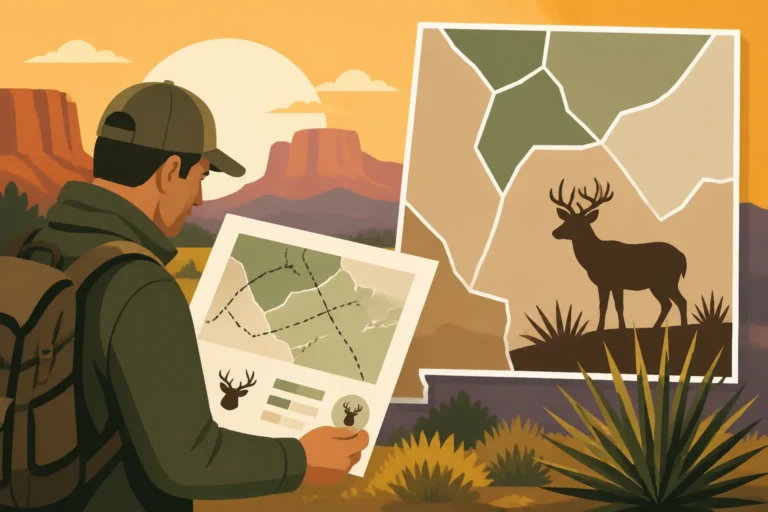
New Mexico is a large, diverse state, and bear populations aren't evenly distributed. To manage them effectively, the NMDGF divides the state into specific Bear Management Zones, each with its own set of regulations and harvest limits. This localized approach allows managers to tailor strategies to the unique conditions and bear densities within each region.
Geographic Zones and Their Significance
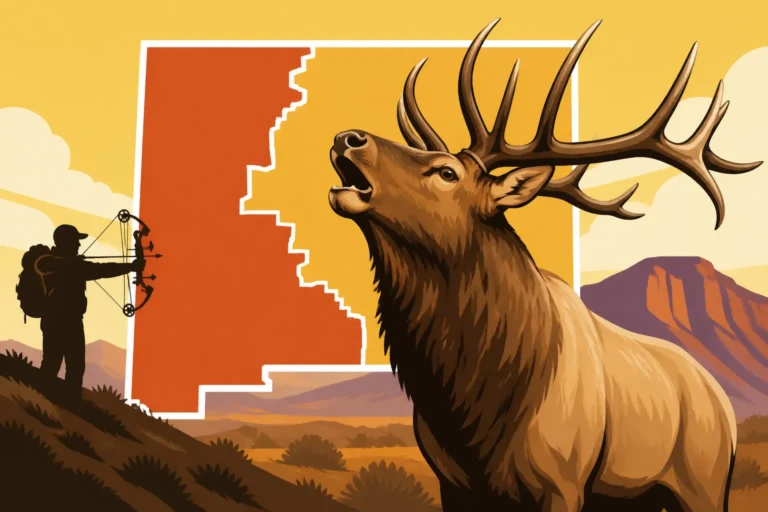
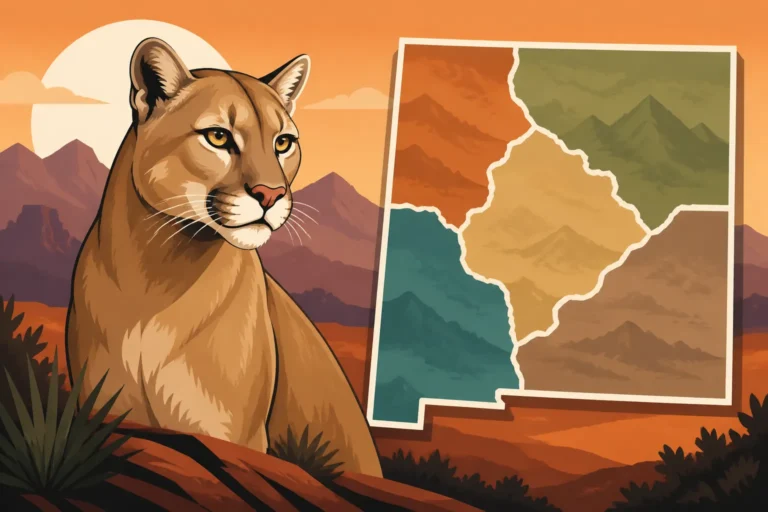
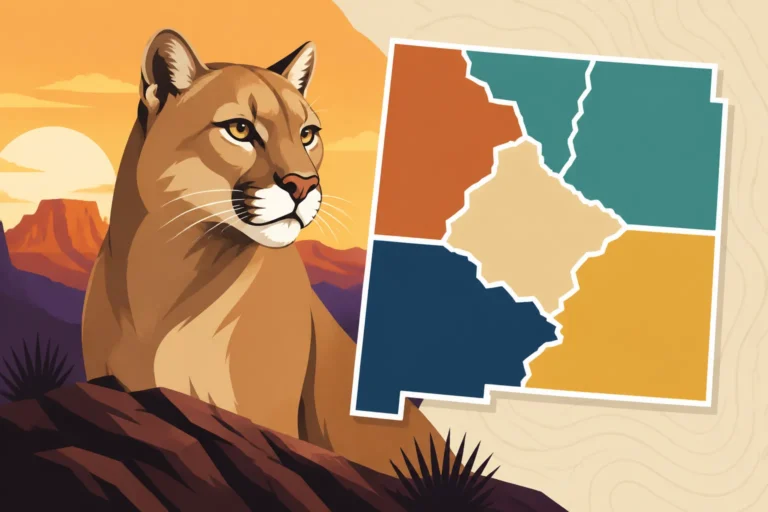
Currently, New Mexico's bear hunting areas are typically divided into four main zones: Northeast, Northwest, Southwest, and Southeast. Each of these broad zones encompasses numerous Game Management Units (GMUs) and is assigned a specific overall harvest quota for the season. This isn't just a random division; these zones reflect distinct ecological regions and bear population dynamics. For instance, the forested mountains of the Northwest and Southwest zones might hold higher densities of bears compared to the more arid plains of the Southeast. Understanding which zone you're applying for, or hunting in, is absolutely paramount because the rules and the likelihood of a closure vary significantly. Using tools like GoHunt can help you visualize these zones and understand the units within them, aiding in your pre-hunt scouting and planning.
Overall Quotas and Female Sub-Quotas
Within each of these major zones, there are two critical numbers to be aware of: the total overall harvest quota and a separate sub-quota specifically for female bears. For example, a zone might have a total quota of 100 bears, but within that, a female sub-quota of only 30 bears. This distinction is incredibly important for bear population management. As a general rule, limiting the harvest of sows (female bears) is essential for maintaining a healthy and growing population, as they are the reproductive engine of the species. If the female sub-quota is met, the entire zone will close, even if the overall quota hasn't been reached. This is a common point of confusion and frustration for hunters, but it's a non-negotiable aspect of sustainable bear management. If you're wondering about specific limits, our guide on . offers more details.
| Bear Management Zone | Total Annual Harvest Quota (Example) | Female Harvest Sub-Quota (Example) | Primary Habitat Type (General) |
|---|---|---|---|
| Northeast Zone | 150 | 50 | Mountains, Pinyon-Juniper, Plains |
| Northwest Zone | 200 | 70 | Conifer Forests, Mountainous |
| Southwest Zone | 250 | 90 | Gila Wilderness, Diverse Forests |
| Southeast Zone | 100 | 35 | Desert Mountains, Pinyon-Juniper |
| Note: These quotas are illustrative examples and should not be considered current or official. Always check the latest NMDGF regulations. |
The "Zone Closure" System and How It Works
This is perhaps the most critical, and often the most stressful, aspect of New Mexico's bear hunting regulations. The zone closure system is designed to immediately halt hunting once a specific harvest limit, particularly the female sub-quota, is met within a given bear management zone. It’s a necessary tool for wildlife managers, but it demands constant vigilance from hunters.
Real-Time Monitoring and Notification
The NMDGF actively monitors reported bear harvests throughout the season. When a zone approaches either its overall or female harvest quota, the department issues public notifications. This isn't something that happens once a week; harvest data can trigger a closure at any time, day or night. The primary methods of notification include updates on the NMDGF website, often a dedicated bear harvest reporting page, and sometimes through a recorded hotline number. Imagine you’ve just packed into a remote area of the Gila, set up your camp, and you’re relying on your phone's satellite signal for updates. You absolutely need to be checking these resources religiously, sometimes multiple times a day, especially as the season progresses and harvest numbers climb. Missing a notification means you could inadvertently hunt in a closed zone, which carries serious penalties. Staying on top of these real-time changes is crucial for any bear hunter. Being able to access accurate, up-to-date information, perhaps through a platform like GoHunt, is invaluable for hunters to react quickly.
Implications for Hunters in the Field
The dynamic nature of these closures presents a significant challenge. Picture this: you’ve spent weeks e-scouting, packed your gear, driven for hours, and finally set up your backcountry camp in what you thought was an open bear zone. You're deep in a unit known for its higher bear density, maybe near where New Mexico black bear density runs highest, and suddenly, you get a ping on your satellite messenger: your zone is closed. What do you do? The regulations are clear: once a zone is closed, all bear hunting activity must cease immediately. This means packing up, pulling your traps if you're a trapper, and leaving the field. There's no grace period. This scenario is incredibly frustrating, especially if you’ve invested time, money, and effort. It underscores the importance of having a backup plan, maybe even considering multiple zones if your tags allow, or focusing on areas that historically have later closures. For insights on how the seasons generally run, you can check out our post on ..
Mandatory Reporting and Evidence of Sex
Harvesting a bear in New Mexico isn't just about the hunt itself; it comes with critical post-harvest responsibilities that are integral to the state's bear management program. These requirements aren't bureaucratic hurdles; they are vital pieces of the puzzle that allow NMDGF to monitor populations and implement the dynamic closure system effectively.
Reporting Your Harvest Quickly
Once you've successfully harvested a bear, your work isn't done. New Mexico requires hunters to report their bear kill to the NMDGF within 48 hours of harvest. This isn't a suggestion; it's a mandatory step. The clock starts ticking the moment the bear is down, so you need to factor this into your hunt plan, especially if you're deep in the backcountry. This rapid reporting is what enables the NMDGF to update its harvest data in near real-time, allowing them to make those critical zone closure decisions. Without timely reporting from every hunter, the system breaks down, and harvest limits could be exceeded, potentially impacting future bear populations and hunting opportunities. For more on this, our article on . has additional details.
The Importance of Evidence of Sex
When you report your harvest, you'll need to provide evidence of sex. This is crucial because of the female sub-quotas in each zone. Without clear evidence, biologists can't accurately track the number of sows harvested, which could lead to an unnecessary closure or, worse, an unintentional overharvest of females. Typically, this means leaving either the head or the vulva attached to the carcass, or clearly marking and presenting the sex organs at the time of reporting. Always consult the most current NMDGF regulations booklet for the exact requirements. It's a small but significant detail that directly supports the science behind bear management. Being careless with this step not only puts you at risk of a citation but also compromises the integrity of the data used to manage New Mexico's bear herds.
Planning Your Hunt Around Dynamic Harvest Limits
Successfully navigating New Mexico's bear season requires a proactive and adaptable approach, especially with the dynamic harvest limits. You can't just set it and forget it; you need to be engaged with the regulations from start to finish.
Pre-Season Research and Strategy
Before you even apply for a tag, or certainly before the season opens, immerse yourself in the current year's New Mexico Game and Fish regulations. Don't just skim them; read them thoroughly. Pay close attention to the bear management zones, their specific quotas, and the reporting requirements. Look at historical harvest data – sometimes published by the NMDGF – to understand which zones tend to close earlier. Often, zones with higher bear densities or easier access might reach their quotas faster. This information can help you strategize your application or your hunt timing. For example, if a specific zone always closes within the first two weeks of the season, you might plan to hunt earlier, or consider a different, less-pressured zone. Utilizing resources like GoHunt to analyze past draw odds and harvest success can also give you an edge in planning. You'll find a useful guide on . to assist with your planning.
In-Season Vigilance and Adaptability
Once the season is underway, your vigilance needs to kick into high gear. Make it a routine to check the NMDGF website or call the dedicated hotline for bear harvest updates. If you're hunting in a remote area without cell service, plan for how you'll get updates. This might mean driving to a service point every day or two, or having a satellite communication device that allows you to check online resources. The ability to adapt is key. If your primary zone closes, do you have a secondary option? Are you prepared to shift gears, pack up, and move to another open zone if necessary? This level of flexibility is what separates a successful bear hunter from one who goes home empty-handed (or worse, with a citation). It's a demanding way to hunt, no doubt, but it's the reality of bear hunting in New Mexico. Remember, knowledge of . can be a game-changer for quick adjustments.
Common Misconceptions About Bear Hunting Regulations
Navigating the nuances of New Mexico's bear hunting regulations can be tricky, and it’s easy for misconceptions to take root. Clearing up these common misunderstandings is crucial for a safe, legal, and successful hunt.
"My Season Dates Are Fixed"
One of the biggest mistakes hunters make is assuming that a bear tag guarantees a hunt for the entire published season window, just like it might for deer or elk. This simply isn't the case for bears in New Mexico. While the regulations booklet will list an open and close date for the bear season in a given zone, these dates are merely a framework. The actual end date for your hunt could come much sooner, the moment either the overall quota or, more commonly, the female sub-quota is met in your zone. I've known hunters who've driven cross-state, only to find their zone closed before they even set up camp. It’s a harsh reality, but it’s how the system works to protect the bears. Always remember that the season can close early, and it often does.
"I Can Keep Hunting Until I Hear Otherwise"
Another dangerous misconception is thinking you don't need to actively monitor harvest numbers and that the NMDGF will directly notify every hunter of a closure. While the NMDGF does its best to disseminate information widely through its website and hotlines, the onus is always on the hunter to know if their zone is open. They won't send you a text message or an email specifically. If you're in the field, you need a plan for checking the official sources regularly. Ignorance of a closure is not a valid defense if you're caught hunting in a closed zone. The responsibility for staying informed about current harvest data and zone closures lies squarely with you. Always refer to the most up-to-date regulations, which can be found in our post on ..
Disclaimer
Please remember that hunting regulations can change frequently. The information provided in this guide is for general informational purposes only and is not a substitute for reviewing the official New Mexico Department of Game and Fish (NMDGF) hunting proclamation and regulations booklet for the current year. Always verify all dates, quotas, and rules directly with the NMDGF before planning or undertaking any hunting activity.