Nonresident Oryx Tag Pricing in New Mexico
Planning a nonresident hunt in New Mexico can feel like navigating a maze, especially when it comes to understanding all the costs involved. Many hunters dream of pursuing the majestic oryx in the Land of Enchantment, but the price tag can be a real head-scratcher. This comprehensive guide will break down the exact costs associated with drawing and successfully hunting an oryx as a nonresident, helping you budget wisely and turn that dream into a reality.
Understanding the Base Cost of a Nonresident Oryx Tag
When you first look at New Mexico's hunting regulations, the numbers can be a bit daunting. It’s not just one simple fee; there are several components that add up to your total investment. For nonresidents, this multi-layered pricing structure can feel especially complex, but breaking it down makes it much clearer.
The Big Ticket Item: The Oryx License Fee
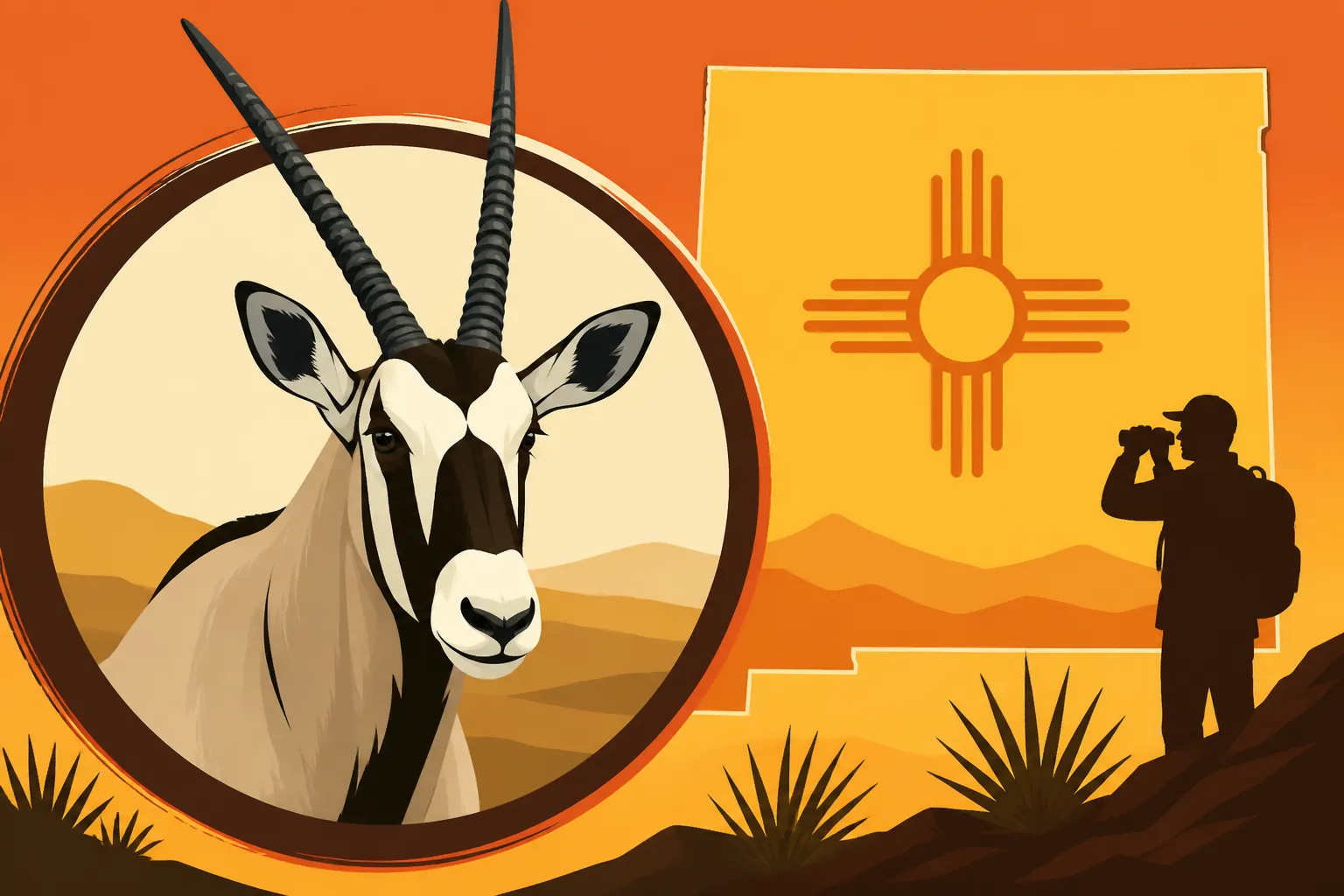
Let's get right to the heart of it: the oryx license itself. For a nonresident, this is by far the most significant portion of your financial outlay. Currently, a nonresident New Mexico oryx tag runs a substantial $1,623. Yes, you read that right. It's a premium price, reflecting the unique opportunity to hunt this incredible introduced species in a free-range setting. Many hunters experience a bit of sticker shock when they first see this figure, especially when comparing it to deer or even elk tags in some other states. However, the experience of pursuing oryx in New Mexico is truly one-of-a-kind, often leading to impressive trophies and an unforgettable adventure. This cost covers your ability to legally harvest one oryx during your allocated season. It’s important to budget for this amount upfront, as it's a non-negotiable part of securing your tag if you're successful in the draw.
Essential Add-Ons: Game Hunting License and Stamps
Beyond the species-specific tag, New Mexico requires nonresidents to purchase a general Game Hunting License, which serves as your overarching permit to hunt any big game in the state, even if you only draw one species tag. For nonresidents, this license is an additional $30. It’s a necessary foundational piece before any species-specific tags can be validated.
Then, there are the stamps. You'll need two crucial stamps to hunt public lands in New Mexico. First, the Habitat Management and Access Validation (HMAV), which costs $4 for nonresidents. This validation helps fund projects that improve wildlife habitat and access for hunters. Second, the Habitat Stamp, priced at $10 for nonresidents, is required for hunting on any federal lands, which include the vast stretches of Bureau of Land Management (BLM) and National Forest lands where much of the oryx hunting takes place, particularly for off-range opportunities.
It's worth noting that New Mexico's fees did see a recent adjustment. As of July 1, 2023, Senate Bill 5 raised New Mexico fees for the first time in 20 years. This legislation increased the cost of various licenses and stamps across the board, so if you've looked at New Mexico regulations in the past, expect these figures to be a bit higher now. Always check the most current New Mexico Department of Game and Fish (NMDGF) regulations booklet for the absolute latest pricing before applying.
Beyond the Tag: Other Financial Considerations for a Nonresident Oryx Hunt
The tag cost, while significant, is just one piece of the puzzle. For a nonresident, planning an oryx hunt involves a host of other expenses that can quickly add up. Overlooking these can lead to unexpected budget strains down the road, so it's critical to consider them from the outset.
Application Fees and the Draw System
Before you even have a chance at that coveted oryx tag, you have to apply, and applying comes with its own set of costs. New Mexico charges a non-refundable application fee for each species you apply for. For oryx, this fee is $7. This fee is charged whether you draw a tag or not, and it helps cover the administrative costs of running the draw system. Unlike some other western states, New Mexico does not have a preference point or bonus point system. This means that every applicant, regardless of how many times they've applied in the past, has an equal chance in the random draw. While this is great news for first-time applicants, it also means that draw odds do not improve with time, making every application a fresh shot at luck. Understanding this system is key; you’re paying for a chance, not a guarantee.
Travel, Lodging, and Equipment
Let's talk about getting to New Mexico and staying there. Travel expenses can be substantial for a nonresident. If you're driving, fuel costs can add up quickly, especially if you're coming from a distant state and planning to cover a lot of ground scouting or hunting. For those flying in, airfare to major hubs like Albuquerque (ABQ) or El Paso (ELP) will be a primary cost, followed by car rental fees, which can be significant, especially for a truck or SUV capable of handling New Mexico's diverse terrain.
Lodging options range from budget-friendly camping on public lands to hotels or RV parks in nearby towns. If your hunt is on White Sands Missile Range, you might find yourself staying in Alamogordo or Las Cruces. For off-range hunts, your options could be more remote, sometimes requiring backcountry camping. These choices dramatically impact your lodging budget.
Then there's the gear. Oryx hunting often means covering vast, open country, demanding good quality optics. A solid pair of binoculars and a spotting scope are indispensable for glassing distant animals. You'll also need appropriate clothing for extreme desert conditions, which can range from scorching heat to surprisingly cold nights, depending on the season. Proper hiking boots for rugged terrain, a reliable rifle with accurate ammunition, and a good backpack for carrying water and essentials are also critical. While many hunters already own much of this, new purchases or upgrades should be factored into your total hunt cost.
Potential Outfitter Costs and White Sands Access
While it's absolutely possible to do a DIY oryx hunt, especially on off-range public lands, many nonresidents consider hiring an outfitter, particularly for a White Sands Missile Range hunt. The White Sands hunts are unique; they are often limited to three days, and access to the military base requires specific procedures and adherence to strict regulations. An experienced outfitter will navigate the entry process, understand the unique challenges of the range, and guide you to productive areas. While adding significantly to the overall cost, What a Guided New Mexico Oryx Hunt Costs will cover this in detail, it can dramatically increase your success rate and enhance the overall experience. For those considering Hunting Oryx on an Active Missile Range, it's wise to weigh the benefits of local expertise.
Strategies to Manage Your Oryx Hunt Budget
A New Mexico oryx hunt is an investment, but there are definitely ways to approach it smartly and keep your budget in check without sacrificing the quality of the experience. It's all about making informed choices based on your priorities and resources.
DIY vs. Guided Hunt: A Cost Comparison
One of the biggest decisions you'll face as a nonresident oryx hunter is whether to go it alone or hire a guide. A do-it-yourself (DIY) hunt will undoubtedly be less expensive on the surface, as you're saving on guide fees, daily rates, and tips. For hunters with extensive experience in western hunting, excellent navigational skills, and a willingness to put in serious scouting time, a DIY off-range oryx hunt can be incredibly rewarding. You handle all your own logistics, from food and lodging to field dressing and packing out. However, it also demands a lot of research, preparation, and self-reliance. For specific units, oryx can be found on vast tracts of BLM land, but they are often widely dispersed, requiring significant glassing and stalking skills.
On the other hand, a guided hunt, while more costly, offers significant advantages, especially for a first-time oryx hunter or someone unfamiliar with New Mexico's terrain. Outfitters provide invaluable local knowledge, often have access to private land or understand the intricacies of Getting Onto White Sands Missile Range, and handle many of the logistical headaches. They know the animals' patterns, where to find water sources that concentrate desert game, and how to approach effectively. The average cost of a guided New Mexico oryx hunt can easily add several thousand dollars to your total, typically ranging from $4,000 to $8,000 or more, depending on the outfitter, the duration, and what's included. This usually covers accommodation, meals, transportation during the hunt, and the guide's expertise. When considering the price tag, remember to factor in the potential for higher success rates and a much smoother, less stressful experience that a guide can offer.
Scouting Smart and Saving Money
Effective scouting is paramount for any successful hunt, and it's also an area where you can save significant money, especially for a nonresident. Instead of multiple expensive trips to New Mexico before your hunt, leverage modern technology for e-scouting. Tools like GoHunt or onX Hunt are invaluable. They allow you to meticulously pore over satellite imagery, topo maps, and public/private land boundaries from the comfort of your home. You can identify potential water sources, access points, bedding areas, and travel corridors. This virtual reconnaissance helps you arrive in New Mexico with a solid game plan, minimizing wasted time and fuel driving around unfamiliar country.
Focus on understanding the unit's terrain, elevation changes, and typical animal behavior for the season you've drawn. Websites like GoHunt also provide draw odds and harvest statistics, which can help inform your application strategy even before you commit. By doing your homework digitally, you can significantly reduce the need for multiple physical scouting trips, saving on travel, lodging, and food expenses. Remember, a well-planned e-scouting mission can be almost as effective as boots-on-the-ground for initial intel gathering.
Weighing the Value: Is the Price Tag Worth It?
The upfront costs of a nonresident New Mexico oryx tag and the associated expenses are undeniably high. So, the big question becomes: is it worth it? For many, the answer is a resounding yes. New Mexico offers a truly unique hunting experience for this magnificent African antelope. How Oryx Were Introduced to New Mexico is a fascinating story, leading to a thriving population of free-ranging animals that often grow to impressive sizes.
Oryx are incredibly tough, beautiful animals that present a challenging hunt. Both sexes carry impressive, straight horns, meaning that even a cow can be a fantastic trophy. The meat is also highly regarded—succulent and mild, making it a prized table fare. Furthermore, New Mexico implements a "once-in-a-lifetime" rule for many oryx hunts, meaning that if you draw a coveted White Sands tag, for example, you likely won't be able to apply for another for several years or potentially ever again for that specific hunt. This makes each tag incredibly special and adds to its perceived value.
When you weigh the costs against the opportunity to pursue an exotic, trophy-quality animal in stunning desert landscapes, many hunters find it to be an investment in an unparalleled adventure. It's not just about the monetary cost; it's about the unique memory, the challenge, and the singular thrill of a New Mexico oryx hunt.
Disclaimer
Please note that hunting regulations, license fees, and application deadlines are subject to change by the New Mexico Department of Game and Fish. It is always the hunter's responsibility to consult the most current official New Mexico Hunting Rules & Info booklet and the NMDGF website before planning or participating in any hunting activities. This guide is for informational purposes only and does not supersede official regulations.