What If Your New Mexico Outfitter Cannot Attend
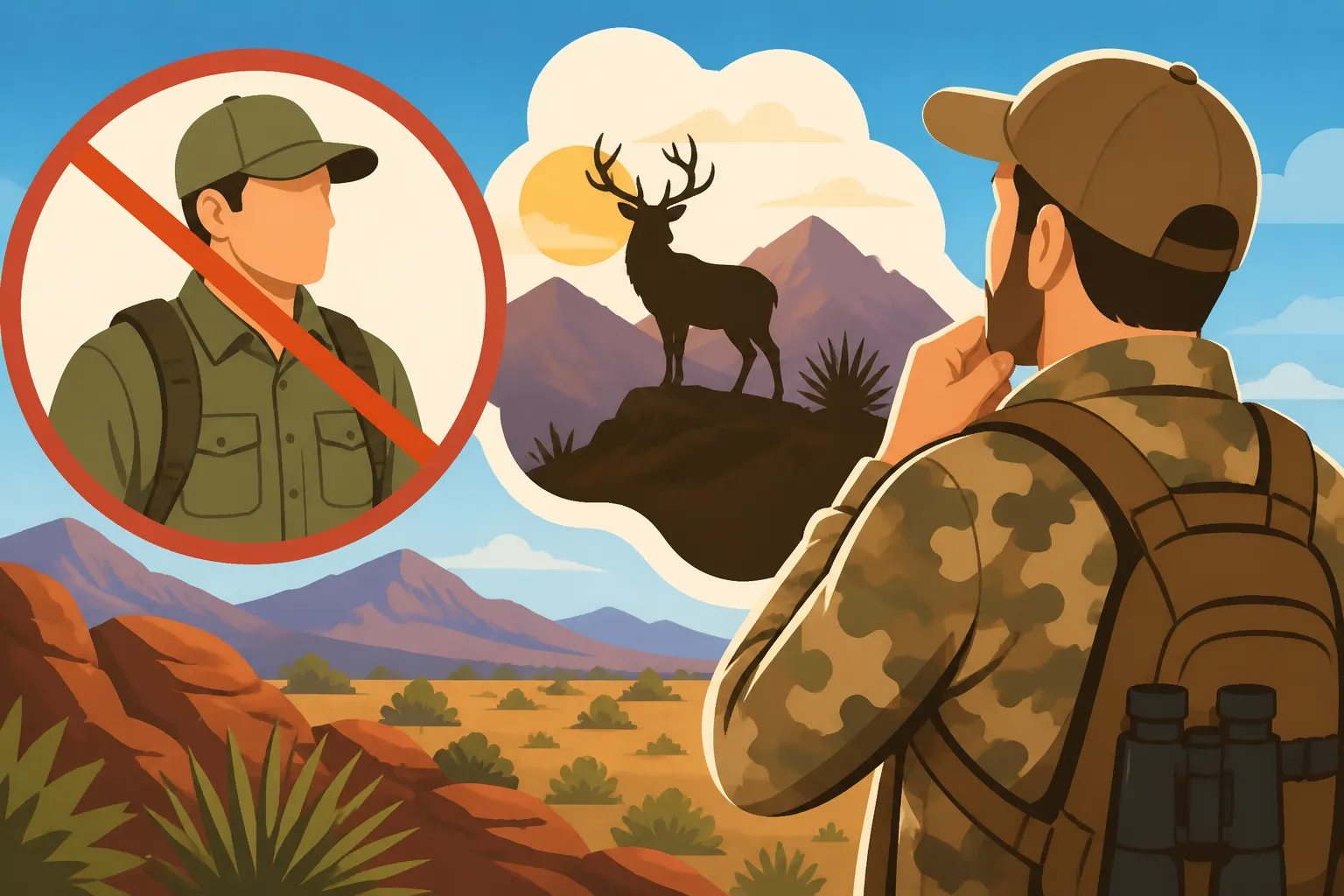
It’s a hunter’s worst nightmare: you’ve spent countless hours planning, preparing, and dreaming of your New Mexico hunting adventure, perhaps even drawing that coveted tag through the outfitter pool. The gear is packed, the dates are set, and then, at the eleventh hour, your outfitter can't make it. The panic sets in – what now? Will your hunt be ruined? Will your tag be invalid? This guide is here to walk you through exactly what happens if your New Mexico outfitter cannot attend your hunt, outlining the rules, your options, and how to protect yourself from such a frustrating scenario.
Understanding New Mexico's Outfitter Accompaniment Rule
First and foremost, it’s absolutely critical to understand the specific regulations New Mexico has in place regarding outfitters. The state operates under a unique system, particularly for nonresident hunters, where a portion of draw tags are allocated to applicants who apply with a registered outfitter. This system comes with a significant stipulation: the outfitter, or a registered guide working under their direct supervision, must physically accompany you in the field for a minimum number of days. If this accompaniment doesn't happen, there can be serious ramifications for your hunt and your tag.
What the Two-Day Accompaniment Rule Means
New Mexico law is very clear: if you applied for a tag through the outfitter draw pool, your outfitter or one of their licensed guides is legally obligated to accompany you in the field for at least two days of your hunt. This isn't just about them meeting you at camp, shaking your hand, and then disappearing for the rest of the week. "Accompaniment" means they are actively hunting with you, providing guidance, spotting game, helping with logistics, and generally being present as part of your hunting party.
Imagine showing up to camp, fired up for your mule deer hunt, only to find a note from your outfitter saying they had a last-minute emergency and won't be joining you at all. This isn't just an inconvenience; it's a direct violation of the terms under which your tag was issued, especially if you secured that tag through the 10 percent New Mexico outfitter pool. The intent behind this rule is to ensure that hunters who benefit from the outfitter allocation actually receive the service they paid for and that the outfitter is truly involved in the hunting experience. For those wondering, the outfitter pool isn't exclusive to nonresidents; residents can also apply in this pool, though it's typically more popular with those coming from out of state. You can learn more about how New Mexico Splits Every Hunt 84, 10 and 6 Percent to understand the tag allocation system.
The Role of the Signed Guide-Client Contract
Before you even step foot in New Mexico, a critical piece of protection is your guide-client contract. The state mandates that a signed contract exist between the hunter and the outfitter, detailing the services provided. This isn't just bureaucratic red tape; it's your legal document outlining the agreement. It should specify the hunt dates, the species, the unit, and crucially, the commitment of the outfitter to provide services, including the required accompaniment.
If your outfitter cannot attend, this contract becomes your first line of defense and reference. Did it include clauses about substitutes? Did it specify what happens in case of non-attendance due to unforeseen circumstances? A reputable outfitter will have these contingencies laid out. It’s vital to thoroughly read and understand this contract before signing it and sending any deposit. Many outfitters require deposits well in advance, sometimes even before New Mexico draw results land, so ensuring clear terms is paramount. This contract also dictates the terms of your application, including where the outfitter number goes on your application.
Common Reasons an Outfitter Might Not Be Able to Attend
Life, as we all know, can throw curveballs. Even the most seasoned and professional outfitters can face situations that prevent them from fulfilling their obligations. Understanding these potential reasons can help you gauge the severity of the situation and what steps to take.
Unforeseen Personal Emergencies
This is perhaps the most common and understandable reason. An outfitter, like anyone else, can experience a sudden family emergency, a serious illness, or an unexpected accident. These situations are often unavoidable and can arise with little to no notice. While empathetic, as a paying client, you still need to know how such an event impacts your hunt.
Imagine your outfitter calls you a week before your archery elk hunt, devastated to inform you that a close family member has had a medical crisis. They apologize profusely but explain they simply cannot be in the field. This is where the strength of your contract and the outfitter's contingency plan really come into play. A good outfitter will have a backup plan, often involving a qualified guide who can step in.
Scheduling Conflicts or Overbooking
While less forgivable for a professional operation, scheduling conflicts or accidental overbooking can occasionally happen, especially with smaller outfits juggling multiple hunts. This is why thorough vetting of an outfitter is so important. You might find yourself in a bind if the outfitter simply made a mistake and booked too many clients for overlapping dates, or if a previous hunt ran long and they are physically unable to be in two places at once.
This scenario highlights the importance of asking specific questions during your initial conversations with potential outfitters. Do they run multiple camps? How many guides do they employ? What is their policy for overlapping hunts? Checking an outfitter's references and reading reviews on platforms like GoHunt can often give you insight into their organizational skills and reliability, potentially saving you from this kind of headache.
Regulatory Issues or License Problems
This is a less common but more serious issue. An outfitter's license could be suspended or revoked by the NMDGF due to various violations. This could range from ethical breaches to safety infractions, or even operating without proper insurance. If an outfitter loses their license, they legally cannot guide you.
This situation puts both the outfitter and the hunter in a very difficult position. If you discover this before your hunt, you need to contact the NMDGF immediately. If it happens during your hunt, it could instantly invalidate the accompaniment requirement and potentially your tag. This underscores the need to confirm an outfitter's current licensing status before finalizing your booking and periodically re-verifying it.
The Substitution Clause: Can a Registered Guide Take Over?
This is a critical point of confusion and a common question. If the primary outfitter can't make it, can one of their guides step in? In New Mexico, the answer is generally yes, but with important stipulations.
NMDGF Rules on Guide Substitution
The New Mexico Department of Game and Fish allows a registered guide working under the direct supervision of the licensed outfitter to fulfill the two-day accompaniment requirement. This is not just any person; it must be someone who is officially licensed as a guide by the state and explicitly working for that outfitting business. This means your outfitter can't just send their buddy or an unlicensed helper to cover for them. The substitute must be a legitimate, registered guide.
Think of it this way: the outfitter is the licensed business entity responsible for the operation, and their registered guides are their authorized agents in the field. As long as the guide meets all state requirements and is employed by the outfitter, they can provide the necessary accompaniment. This is often the most practical and legally sound solution when an outfitter faces an unexpected absence.
Verifying a Substitute Guide's Credentials
If your outfitter informs you they will be sending a substitute guide, it's perfectly reasonable and highly advisable to ask for that guide's full name and guide license number. You can then independently verify their credentials with the NMDGF. This small step can save you a world of grief later on.
It’s about peace of mind. You’ve invested significant time and money into this hunt, and you have a right to ensure that the person accompanying you is legally qualified. This is especially true if you're undertaking something as demanding as Hunting New Mexico From 4,000 Feet to 10,000 feet, where experienced guidance is not just a luxury but a safety necessity. The state wants to ensure hunters are safe and that the rules are followed, so don't hesitate to do your due diligence.
What Happens to Your Tag If Accompaniment Fails?
This is the big question, the one that keeps hunters awake at night. If the outfitter (or a qualified substitute guide) fails to meet the two-day accompaniment rule, what becomes of your hard-won New Mexico tag?
Potential Invalidation of Your Tag
The short answer is: your tag could be invalidated. If the NMDGF determines that the required accompaniment did not take place, and you acquired your tag through the outfitter draw pool, they can deem your tag invalid. This means you would not be legally authorized to continue hunting, and any animal harvested could be considered illegally taken. This is a severe consequence, akin to hunting without a license.
This situation isn't just about the disappointment of a missed hunt; it carries potential legal repercussions. You could face fines, forfeiture of your animal, and even loss of hunting privileges. It’s a stark reminder of the importance of the regulations. This is why when you apply, understanding The New Mexico Outfitter Draw and Its Two-Day Rule is so important.
Filing a Complaint with NMDGF
If your outfitter fails to provide the agreed-upon and legally mandated accompaniment, your first official step, after attempting to resolve it directly, should be to file a complaint with the New Mexico Department of Game and Fish. They are the regulatory body responsible for licensing outfitters and enforcing these rules.
When you file a complaint, provide all documentation: your signed contract, communication logs (emails, texts, call records) with the outfitter, proof of payment, and any evidence supporting your claim that the accompaniment did not occur. The NMDGF will investigate the matter. Their action could range from issuing a warning to the outfitter, to fines, or even license suspension or revocation depending on the severity and frequency of the violation.
Seeking Financial Recourse
Beyond the NMDGF, you may have grounds for civil legal action to recover the money you paid for the hunt. This would involve pursuing a claim for breach of contract. Keep meticulous records of all expenses related to the hunt, including application fees, license costs, travel, and the outfitter's fees.
Before jumping to legal action, review your contract for any dispute resolution clauses, such as arbitration. Often, a strongly worded letter from an attorney can prompt a negligent outfitter to offer a partial or full refund without needing to go to court. Remember, a reputable outfitter will have clauses in their contract to handle these situations, and they will want to protect their reputation.
Here’s a simplified breakdown of potential outcomes:
| Scenario | Immediate Hunter Action | NMDGF Impact on Tag | Potential Hunter Recourse (Financial) |
|---|---|---|---|
| Outfitter sends Registered Guide | Verify guide credentials | Tag remains valid | None (service rendered) |
| Outfitter fails to attend, no substitute | Document communications, notify NMDGF, do NOT hunt | Tag potentially invalid | Breach of contract claim, refund request |
| Outfitter (or guide) attends < 2 days | Document attendance, notify NMDGF, do NOT hunt after | Tag potentially invalid if non-compliant | Breach of contract claim, partial refund request |
| Outfitter refuses communication | Document attempts, notify NMDGF immediately | Tag potentially invalid | Breach of contract claim, refund request |
Proactive Steps to Minimize Risk
While you can't control every unforeseen event, there are many things you can do to significantly reduce the risk of your outfitter not attending and protect your investment.
Vetting Your Outfitter Thoroughly
This cannot be stressed enough. Before you even think about booking, do your homework. Look beyond glossy brochures and impressive websites.
- Check References: Ask for a list of recent clients (ideally from the last 1-2 years) and actually call them. Ask specific questions about communication, professionalism, adherence to the contract, and how the outfitter handled any unexpected situations.
- Verify Licensing and Insurance: Contact the NMDGF to confirm the outfitter's current license status and inquire about their insurance. This protects both you and the outfitter in case of accidents in the field.
- Online Reviews and Forums: While not always perfect, aggregate review sites and hunting forums (like those often found on platforms such as GoHunt) can offer valuable insights. Look for consistent patterns in positive or negative feedback. Be wary of outfits with little to no online presence or exclusively glowing, vague reviews.
- Ask Direct Questions: Don't be shy about asking the outfitter directly about their contingency plans for non-attendance. What happens if they get sick? Who is their designated backup guide? How do they handle scheduling conflicts?
Vetting a New Mexico outfitter before you send a deposit is crucial. It’s an investment in your peace of mind and your hunting success.
Detailed Contract Review and Understanding
Never sign a contract without reading every single line, especially the fine print. Pay close attention to clauses related to:
- Cancellation and Refund Policy: What happens if you cancel? What happens if the outfitter cancels or cannot provide services? Are application fees refundable if you don't draw?
- Substitution Policy: Does the contract explicitly state who can substitute for the outfitter and what their qualifications must be?
- Services Included: Be crystal clear on what's covered (e.g., meals, lodging, transportation, field dressing, caping, packing out game). The cost of a guided New Mexico elk hunt varies widely, and you need to know exactly what you're getting.
- Dispute Resolution: How are disagreements handled? Is there an arbitration clause?
- Force Majeure: This clause typically covers "acts of God" or unforeseen circumstances beyond control (like wildfires or extreme weather). Understand how these events impact your hunt and potential refunds.
Many hunters are so excited about the prospect of a hunt that they skim over these critical details. Don't make that mistake. Understanding the contract is your best defense.
Maintaining Clear Communication with Your Outfitter
From the moment you book until the last day of your hunt, keep lines of communication open.
- Regular Check-ins: A few weeks or even days before your hunt, touch base with your outfitter to confirm logistics, travel plans, and any last-minute details. This helps ensure everyone is on the same page.
- Email Confirmation: Follow up important phone calls with an email summarizing what was discussed and agreed upon. This creates a written record.
- Document Everything: Save all emails, texts, and notes from phone calls. If a problem arises, having this documentation is invaluable.
For example, when preparing for a big trip like Glassing New Mexico's Gila for Trophy Bulls, you'll want constant communication about scouting reports, current conditions, and travel advisories.
During the Hunt: What to Do If Things Go Wrong
Despite your best efforts, sometimes things still go sideways. Knowing what to do in the moment can mitigate the damage.
Immediate Contact and Documentation
If your outfitter doesn't show up as agreed, or if their designated guide is clearly unqualified or fails to provide the required accompaniment:
- Contact the Outfitter Immediately: Try to reach them via phone, text, and email. Document every attempt. Give them a reasonable opportunity to rectify the situation.
- Contact NMDGF Law Enforcement: If you cannot reach the outfitter, or if they are unresponsive or unable to provide a legitimate solution, contact NMDGF law enforcement. Explain the situation clearly, providing all the details and documentation you have. They can advise you on the legality of continuing your hunt.
- Do Not Hunt Without Accompaniment (If Required): This is crucial. If your tag was obtained via the outfitter draw and accompaniment is legally required, do not continue hunting if that requirement isn't met. You risk severe penalties. It's an incredibly tough decision, especially after all the effort and expense, but it's vital to stay within the law.
Considering Your Options and Next Steps
If the outfitter's failure to attend or provide proper accompaniment leads to an invalidated tag or a ruined hunt, you'll need to decide on your next steps.
- Refund Negotiation: Attempt to negotiate a full or partial refund with the outfitter based on your contract. If they're unwilling to cooperate, refer back to the complaint process with NMDGF and potential legal action.
- Alternative Arrangements: In rare cases, the NMDGF might offer guidance on obtaining a replacement tag if the fault lies entirely with the outfitter and the state wants to make an exception, but this is highly unlikely. More realistically, you might need to consider if you can salvage any part of your trip, perhaps by shifting to a general season tag for another species (if available and legal) or simply cutting your losses and returning home.
- Learning Experience: While frustrating, view this as a learning experience. Use it to refine your vetting process for future hunts and share your experience (constructively) to help other hunters avoid similar pitfalls.
It's a tough pill to swallow when a dream hunt turns into a bureaucratic headache. But by understanding the rules, being proactive, and knowing your rights, you can navigate these challenging situations with confidence and protect your passion for hunting in New Mexico.
Disclaimer
This article is for general informational purposes only and does not constitute professional advice. Laws, prices and regulations vary by location and change over time. Consult a qualified professional for guidance on your specific situation.