How New Mexico EPLUS Authorizations Work
It's no secret that drawing a coveted big game tag in New Mexico can feel like winning the lottery. For years, hunters have navigated the complex draw system, hoping for that golden ticket, especially for trophy elk. The frustration of striking out season after season, or only drawing less desirable hunts, is a common tale. But what if there was another path to secure a quality elk tag, one that bypasses the lottery entirely? This guide is going to peel back the layers on New Mexico's EPLUS program, explaining exactly how these authorizations work, what they offer, and how you can potentially secure a tag outside of the traditional draw.
Understanding the New Mexico EPLUS Program
Navigating the world of hunting tags in New Mexico can feel like learning a whole new language, and EPLUS is one of those terms that often brings up more questions than answers. Let's break down what it truly means for hunters and landowners alike.
What EPLUS Authorizations Actually Are
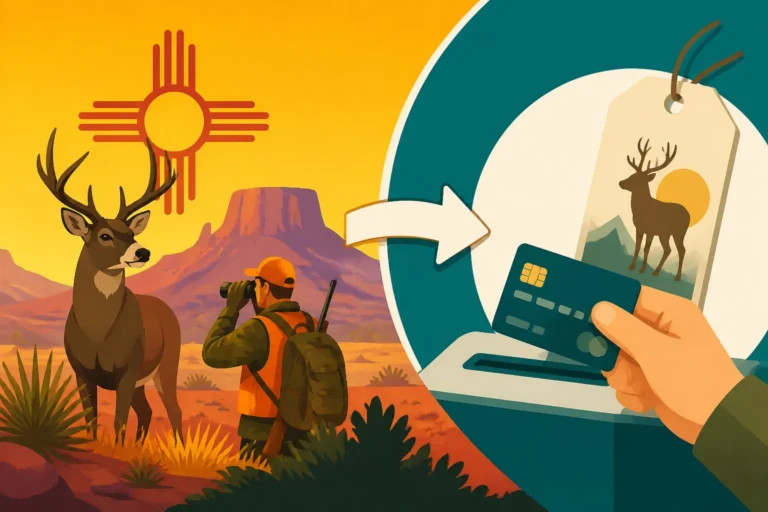
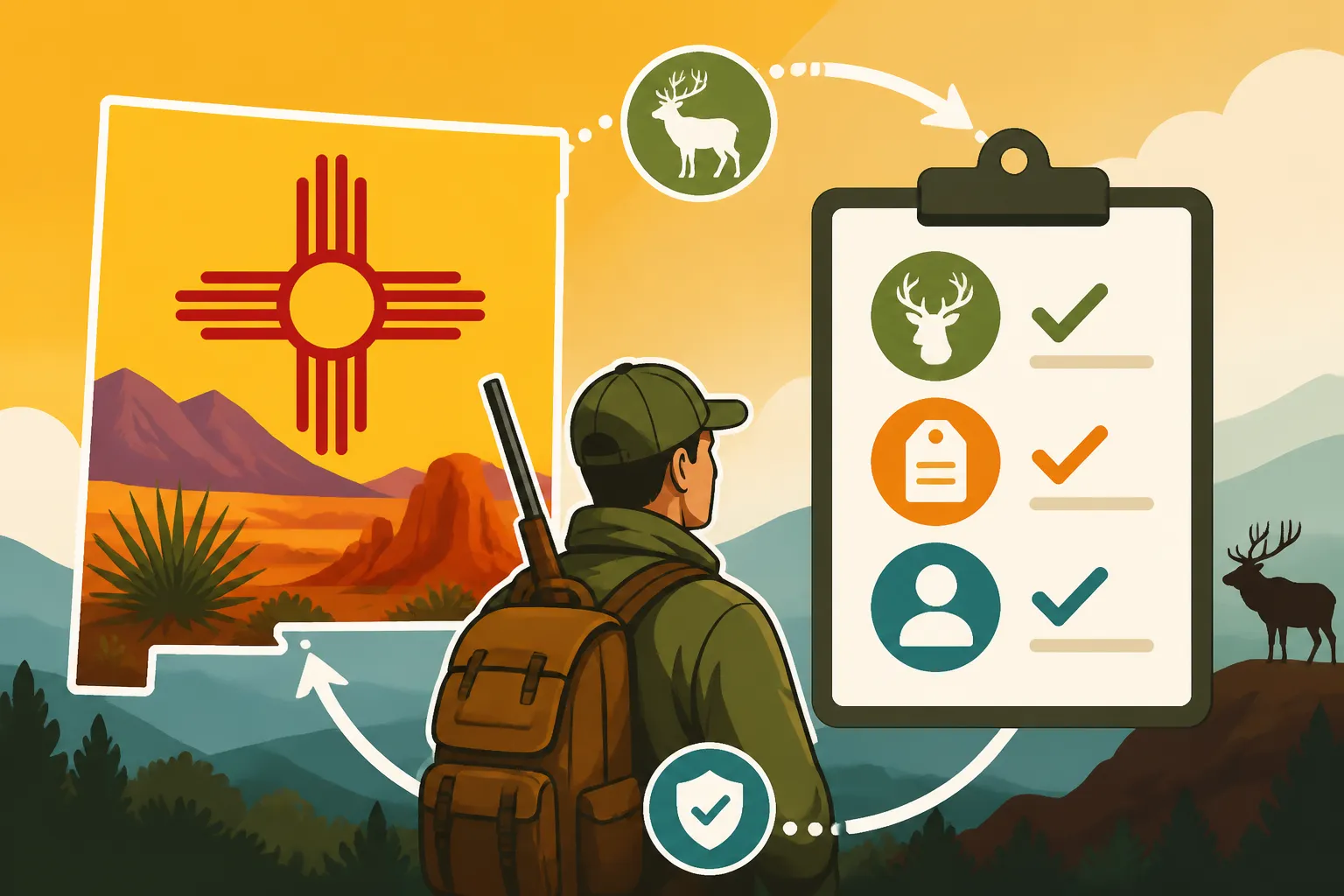
At its core, EPLUS stands for the Elk Private Land Use System. Now, here's the crucial bit: an EPLUS authorization isn't actually a hunting license or a tag in itself. Think of it more like a golden pass that grants you the ability to purchase a specific elk license from the New Mexico Department of Game and Fish (NMDGF). It's a key that unlocks a direct path to a tag, bypassing the highly competitive public land draw. This system was put in place to help manage elk populations on private lands, providing an incentive for landowners to participate in wildlife conservation efforts. Instead of landowners being burdened by elk damaging their crops or fences with no recourse, EPLUS allows them to monetize the elk on their property by selling these authorizations to hunters. For a hunter, this means a guaranteed elk tag, often in units that are incredibly difficult to draw otherwise.
The Genesis of EPLUS and Its Purpose
The EPLUS program didn't just appear out of thin air; it was born out of a very real need to balance wildlife management with private property interests. For a long time, landowners across New Mexico, particularly those with prime elk habitat, faced significant challenges. Large elk herds, while a boon for hunters, can cause considerable damage to agricultural crops, fences, and water sources on private property. This often led to tension and a desire for better management tools. The NMDGF recognized this dilemma and developed EPLUS as a solution. By allocating a certain number of elk authorizations to participating landowners, the state empowered them to manage elk on their property. This not only provided a financial incentive for the landowners but also helped distribute the elk harvest more effectively across various units. For hunters, it opened up new opportunities, allowing access to private lands that might otherwise be inaccessible, and importantly, offering a way to secure a tag without relying on the often-slim odds of the general draw. It’s a pragmatic approach to wildlife management that acknowledges the significant role private lands play in sustaining healthy elk populations in New Mexico.
How EPLUS Differs from the Public Draw
The distinction between EPLUS and the traditional public draw system is fundamental to understanding New Mexico hunting. When you apply in the public draw, you're essentially entering a lottery. You put in your application, pay the non-refundable application fee, and then you cross your fingers and hope your name is pulled from the hat for one of the limited public land tags. There's no guarantee, and for highly sought-after units or trophy bull tags, the odds can be incredibly low year after year. How New Mexico Draw Odds Work Without Points makes it clear that everyone starts on equal footing each year, which means the competition is always fierce.
EPLUS, on the other hand, is a direct purchase. Once you acquire an EPLUS authorization from a landowner or outfitter, you are guaranteed a tag (assuming you meet all other licensing requirements, of course). You're not relying on luck; you're making an investment. This often means a significantly higher upfront cost compared to just the state license fee after drawing a public tag, but it comes with the assurance of a hunt. Furthermore, EPLUS tags are typically tied to specific private land access, or in some cases, unit-wide access that includes public land. The public draw, by contrast, gives you a license to hunt on any accessible public land within the unit you drew, which could be millions of acres or just a few isolated parcels. This difference in access and certainty is why many hunters, tired of the draw frustration, turn to EPLUS as a viable alternative for their New Mexico elk hunt.
How Landowners Receive and Distribute EPLUS Authorizations
The EPLUS system is heavily reliant on the landowners themselves, as they are the direct recipients and often the distributors of these valuable authorizations. It's a symbiotic relationship designed to benefit both the land and the hunter.
Allocation Criteria for Landowners
So, how does a landowner in New Mexico get their hands on these EPLUS authorizations? It's not as simple as owning a parcel of land. The NMDGF has a stringent set of criteria to ensure that authorizations are allocated responsibly and effectively for elk management. First and foremost, the property must demonstrate significant elk activity and provide crucial elk habitat. This isn't just a hunch; it's backed up by NMDGF surveys, game camera data, and biological assessments. Landowners typically need to submit applications detailing their property, its size, habitat quality, and observed elk numbers. The NMDGF then evaluates these applications, often conducting on-site visits to verify the presence and impact of elk.
The number of authorizations a landowner receives is directly tied to the estimated elk population utilizing their property and the habitat's carrying capacity. Larger ranches with extensive elk movement and prime habitat, like those bordering areas in New Mexico Units 16A and 16D Elk Reputation, are likely to receive more authorizations than smaller parcels with intermittent elk presence. The NMDGF wants to ensure that the allocations support sustainable harvest and management goals, not just provide a revenue stream without ecological benefit. It's a careful balance that prioritizes the health of the herd and the habitat, while simultaneously offering a practical solution for landowner-wildlife conflicts.
The Role of the Landowner in EPLUS Sales
Once a landowner has received their EPLUS authorizations from the NMDGF, they become the primary conduit for these tags to reach hunters. This means they effectively set the market price for these authorizations. The cost can vary wildly depending on several factors: the quality of the unit (is it known for trophy bulls?), the type of hunt (archery cow, rifle bull?), the specific dates, and the amount of private land access included. Think of it like a micro-market for elk tags.
Many landowners choose to sell these authorizations directly to hunters. This often involves personal connections, word-of-mouth, or advertisements in hunting publications or online forums. Others, especially those with larger operations or who want to offer a more comprehensive experience, partner with reputable outfitters. These outfitters then package the EPLUS authorization with a guided hunt, including lodging, meals, and expert guidance. This can be a great option for hunters who are less familiar with the area or prefer a full-service experience. The key takeaway is that the landowner holds the power in pricing and distribution, making it crucial for hunters to understand what they are getting for their investment.
Finding Available EPLUS Authorizations
Alright, so you're intrigued by the idea of bypassing the draw and securing a New Mexico elk tag through EPLUS. But where do you actually find these authorizations? It can feel a bit like searching for a needle in a haystack if you don't know where to look. One of the most common ways is through direct contact with landowners. This might involve researching specific units known for EPLUS participation and then trying to find contact information for ranches in those areas. It can be a time-consuming process, but sometimes leads to excellent opportunities.
Another very popular and often more efficient route is through established hunting outfitters in New Mexico. Many outfitters have long-standing relationships with landowners who hold EPLUS authorizations, allowing the outfitter to offer these tags as part of their guided or semi-guided hunt packages. Websites like GoHunt also offer services that list available EPLUS tags, acting as a marketplace where landowners or outfitters can advertise their offerings directly to hunters. This can be an invaluable resource, allowing you to filter by unit, hunt type, and price range, making the search much more streamlined. Just remember, regardless of where you find an authorization, always perform your due diligence. Ask for references, get everything in writing, and ensure you fully understand the terms of the sale and what specific access is being granted. Vetting a New Mexico Outfitter Before You Send a Deposit is a crucial step if you're going that route.
Navigating the Types of EPLUS Tags and Access
Not all EPLUS authorizations are created equal, and understanding the nuances of each type is critical before you commit your hard-earned money. The kind of access you get will significantly impact your hunting strategy and experience.
Unit-Wide vs. Ranch-Only Authorizations
This is arguably the most critical distinction to grasp when considering an EPLUS tag, and it has a monumental impact on your hunt.
-
Ranch-Only Authorizations: As the name suggests, a "ranch-only" EPLUS authorization means you are strictly limited to hunting on the specific private land(s) identified by the landowner. You cannot venture onto any adjacent public land, even if it borders the ranch, unless the landowner specifically owns an easement or grants permission to cross their land to access public parcels, which is rare for a ranch-only tag. This type of authorization is generally less expensive than unit-wide options because your hunting grounds are confined. However, it requires you to thoroughly understand the private property you'll be hunting. You'll need to know the property boundaries, elk movement patterns on that specific ranch, and where elk might seek refuge if pressured. For some hunters, a well-managed private ranch can offer an incredible, low-pressure experience, but for others, the limited scope might feel restrictive.
-
Unit-Wide Authorizations: Now, this is where EPLUS can get really exciting for many hunters. A "unit-wide" EPLUS authorization grants you the right to hunt not only on the participating private land but also on any accessible public land within the specified Game Management Unit (GMU). This effectively gives you the same public land hunting opportunities as someone who drew a public land tag for that unit, plus the added benefit of having specific private land to hunt. This vastly expands your hunting options and dramatically increases your chances of success, especially in units known for large tracts of public land. Because of this expanded access, unit-wide authorizations command a much higher price. When considering a unit-wide tag, you'll still need to utilize mapping tools like those offered by GoHunt to identify legal access points to public land and understand Reading a Land Ownership Layer Correctly. Just because it's unit-wide doesn't mean you can trespass across private parcels to get to public land; legal access is always paramount. These tags are highly sought after precisely because they combine guaranteed access with expansive hunting grounds.
Species and Weapon Specifics
It's vital to remember that EPLUS authorizations are not a one-size-fits-all solution for all game. While the vast majority of EPLUS tags are for elk, they are very specific in terms of the animal's sex and the weapon allowed.
Most EPLUS authorizations you'll encounter will be for either a bull elk or a cow elk. These distinctions are crucial for wildlife management, as they allow for targeted harvest to control herd numbers or improve herd genetics. A bull tag, especially for a mature animal, will invariably be more expensive than a cow tag. Similarly, the authorization will specify the legal weapon type: archery, muzzleloader, or any legal weapon (rifle). This directly dictates the season dates you can hunt, aligning with the general New Mexico Elk Season Structure by Unit. For example, you might find a "Unit 16A Archery Bull EPLUS" or a "Unit 17 Any Legal Weapon Cow EPLUS."
These specifics mean you need to be very clear about what kind of hunt you're looking for and ensure the EPLUS authorization you acquire matches your desired experience and legal requirements. Always double-check the hunt code and ensure it aligns with the Reading a New Mexico Hunt Code Before You Apply guidelines before making any purchase, as a mismatch could render your authorization invalid for your intended hunt.
Understanding Public Land Access with EPLUS
This is an area where a lot of confusion can arise, especially with unit-wide EPLUS authorizations. While a unit-wide tag technically allows you to hunt public land within the specified GMU, it does not automatically grant you access to all public land. You are still bound by New Mexico's trespass laws. If public land is landlocked by private property and there's no legal right-of-way or public access point, you cannot legally access it, even with a unit-wide EPLUS authorization.
This is why mapping tools, like those from GoHunt or other reputable providers, are absolutely indispensable. Before purchasing any EPLUS authorization, especially a unit-wide one where public land hunting is a key draw, you need to meticulously scout the unit using these tools. Identify actual public land access points—forest service roads, BLM routes, or state trust land access—and understand the boundaries of tribal or private lands that might block entry. You might also want to look into Hunting New Mexico From 4,000 Feet to 10,000 for specific units, as terrain can also impact realistic access.
Some outfitters who offer EPLUS hunts have leases or private properties that strategically border large tracts of public land, allowing easy ingress and egress. This is a huge advantage and part of what you're paying for in a guided EPLUS hunt. Always ask very specific questions about public land access: "Where are the entry points? Can I drive there? Is there a walk-in access agreement?" Never assume access; always verify it.
| Feature | Public Draw Tag | EPLUS Authorization + Tag |
|---|---|---|
| Availability | Lottery-based, highly competitive | Direct purchase from landowner/outfitter |
| Cost | Application fee + license fee (if drawn) | Authorization fee (often substantial) + license fee |
| Guaranteed Tag? | No, based on draw odds | Yes, upon purchase of authorization |
| Access | Any accessible public land in unit | Ranch-only or Unit-wide (private + accessible public) |
| Odds of Success | Highly variable, depends on luck & unit | Generally higher due to guaranteed access & less pressure |
| Flexibility | Limited to drawn unit/dates | Often more flexibility in choosing hunt dates/units |
| Required Research | Draw odds, unit research, public access | Landowner/outfitter vetting, specific access details |
Cost, Considerations, and Maximizing Your EPLUS Hunt
Making the decision to pursue an EPLUS tag is a significant one, not just in terms of strategy but also financially. It's crucial to understand the investment and how to make the most of your opportunity.
The Financial Investment in an EPLUS Tag
Let's not beat around the bush: EPLUS tags are a considerable financial investment, often much more than a public draw tag. You're paying for the certainty of a tag, often in a premium unit, and sometimes for exclusive access to private land. The costs involved generally break down into a few key components:
- The EPLUS Authorization Fee: This is the bulk of the cost. Prices vary dramatically based on the unit, whether it's bull or cow, rifle or archery, and most importantly, if it's a ranch-only or unit-wide authorization. A ranch-only cow tag might start around a few thousand dollars, while a unit-wide trophy bull authorization in a highly sought-after unit could easily reach $10,000 to $20,000, or even more for truly exceptional opportunities.
- The State License Fee: Once you have the EPLUS authorization, you still need to purchase the actual state hunting license from the NMDGF. This is the standard fee for non-residents, which can be significant for elk (currently, a nonresident elk license is around $550-600, plus other required stamps like the Habitat Management & Access Validation (HMAV) and Habitat Stamp).
- Outfitter Fees (if applicable): If you purchase your EPLUS authorization through an outfitter, their guiding fees will be added on top. These fees cover their services, which might include guiding, lodging, meals, field care of your animal, and potentially even transportation. A fully guided EPLUS hunt can quickly push the total cost into the high five-figure range.
When you factor in travel, gear, meat processing, and taxidermy, The All-In Cost of a New Mexico Elk Hunt with an EPLUS tag can be substantial. However, for many hunters who value a guaranteed tag, access to prime habitat, and a potentially less pressured hunting experience, the investment is absolutely worth it. It’s about prioritizing what’s important to your hunting goals.
Vetting Landowners and Outfitters
Because of the significant investment involved, vetting the source of your EPLUS authorization is paramount. You wouldn't buy a car without checking its history, and you shouldn't buy an EPLUS tag without doing your homework.
If you're dealing directly with a landowner, ask for references from previous hunters who have purchased authorizations from them. Inquire about the specific boundaries of the private land, any restrictions on vehicles, and whether access to water sources or other crucial habitat elements is guaranteed. Get a clear, written agreement detailing exactly what the authorization covers, the hunt dates, and the specific property or unit access.
If you're going through an outfitter, the due diligence process is even more critical, as you're entrusting them with a substantial amount of money and your hunting experience. Check their NMDGF outfitter license to ensure they are legitimate. Ask Questions to Ask a New Mexico Outfitter about their experience, success rates (and how they define success), guide-to-client ratio, and what exactly is included in the price. Again, references are key. Look for outfits that have a long-standing positive reputation and transparent communication. Be wary of any outfitter or landowner who demands cash-only payments, seems overly evasive about details, or pushes for a quick decision without providing ample information. Platforms like GoHunt often have reviews or community forums that can provide valuable insights into specific outfitters or EPLUS opportunities.
Strategic Planning for Your EPLUS Hunt
Even with a guaranteed tag, an EPLUS hunt is still a hunt, and success is far from automatic. Strategic planning is crucial to maximize your chances, whether you're hunting private land exclusively or utilizing unit-wide access.
First, scouting is non-negotiable. If you have a ranch-only authorization, spend time, if permitted, learning the specific ranch property. Understand the topography, bedding areas, feeding zones, water sources, and common travel corridors for elk. If you can't scout in person, use satellite imagery and topographic maps to E-Scouting a New Mexico Unit Before the Season the area thoroughly. Talk to the landowner or outfitter about typical elk behavior on their property during your hunt dates. What are the key features? Where do the elk go when pressured?
For unit-wide tags, your strategy will involve a combination of private and public land. Use your maps to identify prime public land parcels within the unit, paying close attention to legal access. Look for areas with less pressure that might hold elk pushed off private lands. Understanding How New Mexico Numbers Its Game Management Units and the specific characteristics of your chosen unit will be immensely helpful.
Finally, don't underestimate the physical demands of hunting in New Mexico. Even on private land, you might be covering significant distances or navigating challenging terrain. Preparing Physically for a High Elevation Hunt is essential, especially if your unit is in the higher elevations. Discuss physical expectations with your landowner or outfitter. Carrying quality optics for glassing, understanding wind direction, and being proficient with your weapon are all foundational elements of a successful hunt. An EPLUS tag might guarantee you an opportunity, but it's your preparation and execution that will ultimately determine your success.
Disclaimer
Please note: Hunting regulations and fees in New Mexico are subject to change. It is the hunter's responsibility to consult the most current New Mexico Department of Game and Fish regulations and proclamations before applying for or purchasing any licenses or permits. This content is for informational purposes only and does not constitute legal advice.