Field Dressing in Desert Heat
There's nothing quite like the rush of a successful hunt in New Mexico's vast, sun-drenched landscapes, but that elation can quickly turn to anxiety when you look down at your downed animal and feel the scorching desert sun. The clock starts ticking immediately, and the oppressive heat is your worst enemy, threatening to spoil your hard-earned harvest. This guide will walk you through the critical steps of field dressing in desert heat, ensuring your meat is properly cared for from the moment of harvest.
The Race Against Time: Why Desert Heat Demands Speed
When you're hunting in New Mexico's desert units, especially during early seasons, the ambient temperature can be brutally unforgiving. We're talking 80s, 90s, sometimes even over 100 degrees Fahrenheit. This isn't just uncomfortable for you; it's a critical threat to the quality of your game meat. The moment an animal is harvested, its internal systems stop, but biological processes like enzyme activity and bacterial growth accelerate rapidly, especially when compounded by external heat. Your primary goal is to cool that carcass as quickly and efficiently as possible.
Imagine you've just dropped a beautiful desert mule deer in Unit 23 or an oryx on White Sands. The animal's body temperature is around 100 degrees internally, and the desert floor is radiating heat back up. If you don't act fast, that internal heat, trapped by hide and muscle, will cause the meat to sour. This isn't just about wasting a trophy; it's about ethical hunting and respecting the animal by utilizing every part possible. Delaying even 30 minutes in extreme heat can make a noticeable difference in meat quality. You’re not just field dressing; you’re entering a critical race against time and temperature.
Understanding the Science of Spoilage in Heat
It might sound overly scientific, but understanding why speed is crucial can really drive home the importance of a swift field dress. When an animal dies, its circulatory system, which normally dissipates heat, stops. The muscle cells, however, still contain glycogen. In the absence of oxygen, this glycogen converts to lactic acid, which helps tenderize the meat. But if the meat stays warm for too long, bacteria that are naturally present on the hide and in the gut begin to multiply exponentially.
This bacterial growth is what leads to spoilage, producing off-flavors and textures. Additionally, the enzymes that would normally aid in tenderization start to break down muscle fibers too quickly and unevenly, especially in warm conditions, leading to "bone sour" if the deep muscle tissues don't cool down. The heat effectively creates a perfect incubator for these undesirable processes. Think of it like leaving raw chicken on the kitchen counter on a hot day; you wouldn't do it, and the same principle applies, only on a much larger scale, to your harvested game. Every minute that carcass holds its internal heat, you're losing quality. This is why immediate action, even before a celebration, is paramount.
Prioritizing Safety in Scorching Conditions
While the urgency to cool the meat is undeniable, never let it overshadow your personal safety. New Mexico's desert can be treacherous, especially when you're exerting yourself. Heat exhaustion and heatstroke are real dangers. Before you even touch your knife, take a moment to assess your surroundings. Are you in direct sunlight? Is there any shade nearby, perhaps a mesquite bush or a rock overhang, where you can move the animal? Sometimes even a few feet can make a difference.
Stay hydrated. This seems obvious, but in the adrenaline rush, it's easy to forget to sip water. You should be carrying ample water anyway, especially for a desert day hunt. If you're starting to feel dizzy, nauseous, or experiencing muscle cramps, stop. Step away from the animal, find shade, and rehydrate. A spoiled piece of meat is a disappointment, but a serious medical emergency is a catastrophe. Always ensure your hunting partners know your plan and can assist if needed. Remember, rushing can also lead to careless knife work, and an injury deep in the backcountry is something you absolutely want to avoid.
Essential Gear for Desert Field Dressing
You wouldn't go into the woods without your rifle or bow, and you shouldn't head into New Mexico's desert without the right field dressing kit. The right tools don't just make the job easier; they make it faster and more hygienic, which are both critical in hot conditions. Having everything you need within arm's reach means less fumbling around, less time spent, and ultimately, better meat.
Beyond the basic knife, consider items that specifically address the challenges of heat and desert environments. Each piece of gear has a role to play in either speed, cleanliness, or initial cooling. Don't skimp on these items; they are an investment in your harvest.
The Right Cutting Tools
Your knife is your most important tool for field dressing. In the desert heat, you need a sharp, reliable blade that can handle the job efficiently. A dull knife will slow you down, increase the risk of accidental cuts, and make the process frustrating. Many hunters prefer a fixed-blade knife with a sturdy handle for better control and safety. A gut hook can also be incredibly useful for opening the body cavity cleanly without puncturing intestines, minimizing contamination, which is especially important when bacteria are thriving in the heat.
Consider carrying a second, smaller knife for more intricate work, or a game processing knife with replaceable blades, like those from Havalon or Outdoor Edge. These blades are scalpel-sharp, making quick work of skinning and quartering. Just be sure to bring plenty of spare blades. No matter what you choose, ensure your knife is always sharp before you leave camp. A small sharpening stone or portable sharpener is a good addition to your pack. The faster you can get through the initial cuts, the sooner you start the cooling process.
Game Bags and Protective Gear
Forget those cheap burlap sacks you might have used years ago; modern game bags are a game-changer, especially in the desert. You need lightweight, breathable, synthetic game bags that allow air circulation while protecting the meat from flies, dust, and other contaminants. Companies like TAG Bags or KUIU offer excellent options that are reusable and easy to clean. These aren't just for transport; they are crucial for keeping the meat clean and cool during the initial hang or while waiting for retrieval.
In addition to game bags, don't forget personal protective gear. Disposable nitrile gloves are non-negotiable. They protect you from bacteria and keep your meat cleaner. Carry several pairs, as they can tear. A small bottle of hand sanitizer is also a good idea for cleaning up after the process. Some hunters even carry a lightweight, reflective tarp or space blanket. Once the animal is opened, placing this over the carcass can reflect some of the sun's direct heat, buying you precious time. Before you head out, use tools like GoHunt to scout areas that might offer natural shade or better airflow, which can influence where you ideally want to dress your animal.
| Item | Purpose | Desert Heat Rationale |
|---|---|---|
| Sharp Fixed-Blade Knife | Clean, efficient cuts for gutting and skinning | Minimizes time, reduces contamination, safer when rushing |
| Gut Hook (optional) | Opens hide and abdominal cavity without puncturing organs | Prevents contamination from gut contents, crucial for hygiene in heat |
| Disposable Gloves | Protects hunter from pathogens, keeps meat clean | Essential for preventing bacterial transfer to meat in warm conditions |
| Breathable Game Bags | Protects meat from flies/debris, allows airflow for cooling | Prevents spoilage, crucial for air circulation to cool meat |
| Paracord/Rope | Hanging quarters, tying legs open, securing reflective tarp | Allows hanging in shade for airflow, propping carcass open |
| Water (ample supply) | Hydration for hunter, rinsing hands/knife | Personal safety from heatstroke, crucial for hygiene |
| Reflective Tarp/Blanket | Provides shade, reflects solar radiation | Reduces direct heat absorption by carcass, slows spoilage |
| Headlamp | Working in low light or extending work into cooler evening | Extends working hours into cooler parts of the day/night |
| First Aid Kit | Treating minor cuts or injuries | Self-sufficiency, especially in remote desert areas, prevents infection |
Strategic Field Dressing: A Step-by-Step Approach in the Heat
When you're facing down a freshly harvested animal in 90-degree New Mexico heat, every move counts. This isn't the time for hesitation or second-guessing. A methodical, efficient approach is paramount. Your goal is to get that internal body heat out as quickly as humanly possible, minimizing the time meat is exposed to warm temperatures and contamination.
Remember, the desert sun is your enemy. As soon as you confirm the animal is down and safe to approach, the clock starts ticking furiously. If you've been practicing for this moment, it will pay off big time. Don't worry about perfection; focus on speed and cleanliness.
Opening the Cavity and Removing Organs Swiftly
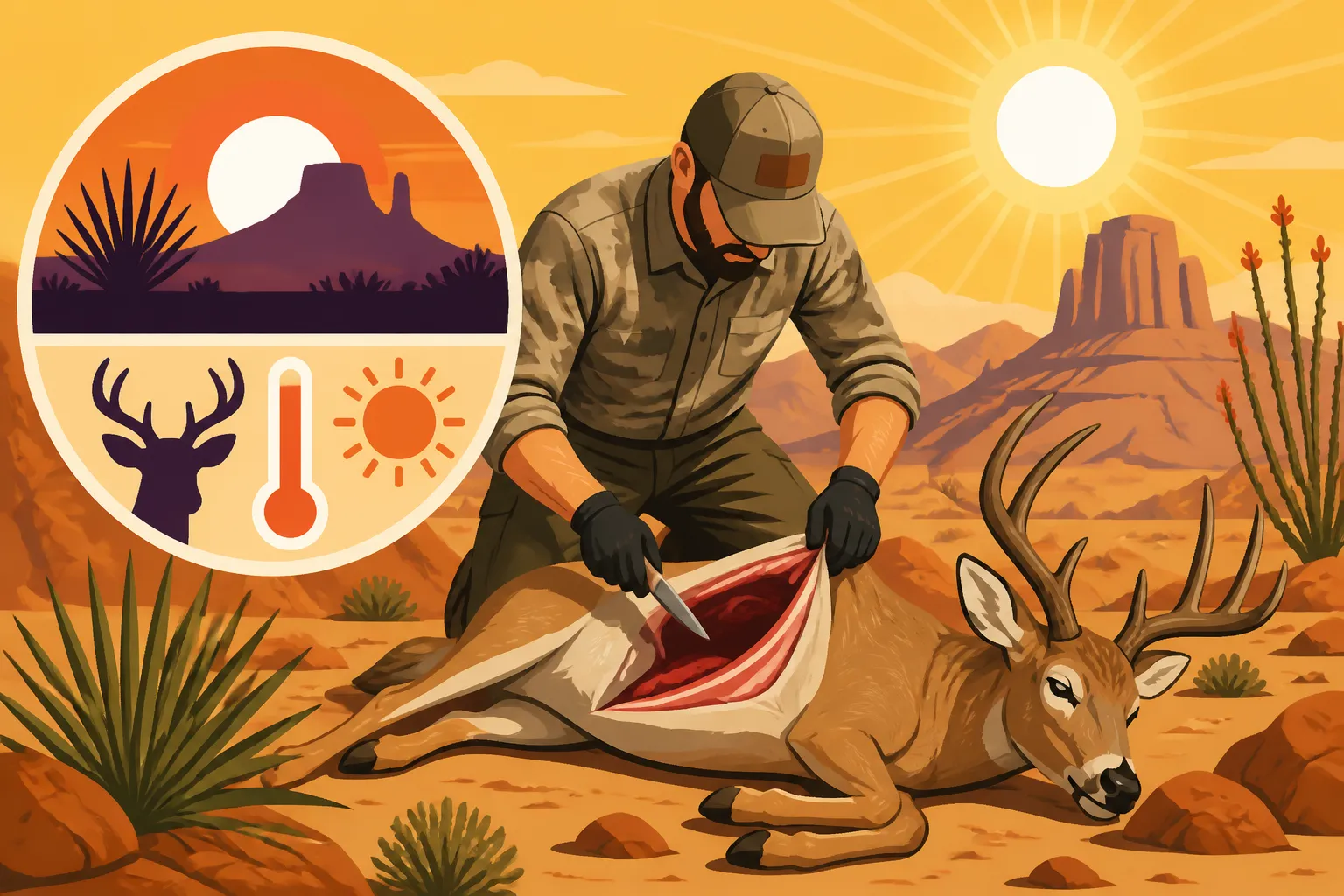
The very first step, once you've moved the animal to the nearest shade if possible, is to open up the body cavity to allow heat to escape. With your sharp knife and gloves on, make a shallow incision through the hide from the breastbone down to the pelvis, carefully lifting the hide to avoid puncturing the intestines. A gut hook is incredibly useful here. Once the hide is open, you’ll cut around the anus and rectum to free the digestive tract.
Now comes the messy, but vital, part: removing all the internal organs. Work methodically from front to back, severing the trachea and esophagus, then pulling everything out. Don't forget the bladder. The goal is to get everything out, completely emptying the chest and abdominal cavities. This immediately removes a massive amount of internal heat. Propping the cavity open with sticks or even the animal's ribs will maximize airflow, which is critical for rapid cooling. The more air that can circulate, the faster that heat dissipates. If you're hunting an elk, this step is even more exhausting, but even more important given the sheer mass of the animal. If you're in the Gila National Forest during an early season hunt, you'll be thankful you packed light but efficiently for this task.
Skinning and Quartering for Rapid Cooling
Once the entrails are out, the next critical step for desert field dressing is getting the hide off. That hide, while protective in life, is now an insulating blanket trapping heat. Even if you plan to get the animal to a processor whole, in extreme heat, getting at least part of the hide off is non-negotiable. Start by skinning down the legs and belly. If you're planning to quarter the animal to pack it out, then you'll continue skinning completely. The larger the animal, the more vital this step becomes. For instance, an oryx, with its thick hide and dense muscle, absolutely demands quick hide removal.
Quartering isn't just for backcountry pack-outs; it’s a highly effective strategy for rapid cooling. By breaking the carcass into smaller pieces (the four quarters, backstraps, tenderloins, and neck meat), you expose more surface area to the air, allowing heat to escape much faster than if the animal remains whole. Cut along the natural muscle seams and joints. Once the quarters are separated, get them into breathable game bags immediately. If you have an ideal spot, you can hang them from a tree or sturdy bush in the shade. The more air that flows around each piece, the faster it will cool. This is a primary strategy for heat management on an early season hunt.
Cooling and Transporting Your Harvest
You've done the hard work of field dressing, perhaps even quartering, in the sweltering New Mexico sun. But the job isn't over. The minutes and hours immediately following field dressing are just as important as the initial steps for preserving your meat. Getting that core temperature down and keeping it there until you reach a cooler or processing facility is the final, crucial hurdle. This is where pre-planning truly pays off.
Whether you're packing out a mule deer from the jagged peaks of the Black Range or an antelope from the eastern plains, the principles remain the same: minimize heat exposure, maximize airflow, and keep it clean.
Immediate Cooling Strategies at the Kill Site
Once the animal is field dressed and ideally skinned and quartered, your priority is to continue the cooling process. Get the meat into breathable game bags right away. These bags are designed to protect the meat from flies, dirt, and debris while still allowing air to circulate, which is essential for cooling. Never use plastic bags or tarps directly on the meat, as these will trap heat and moisture, accelerating spoilage.
If you can, hang the game bags in the shade, allowing air to flow completely around them. Even a slight breeze makes a huge difference. If no trees are available, prop the quarters up off the hot ground using rocks or logs. This prevents heat transfer from the scorching earth. If you have that reflective tarp or space blanket, drape it over the hanging quarters, leaving plenty of space for air circulation underneath. For smaller game like deer, some hunters will even pack a few frozen water bottles or small ice packs to place inside the body cavity or alongside quarters once they're bagged, creating a localized cool spot. While packing an elk out of the Gila alone, this level of attention to detail and creative use of resources is what will make or break your meat quality.
Transporting Meat in Desert Conditions
The journey from the kill site to your vehicle, and then to a cooler or processor, is another critical phase. If you’re packing quarters out, arrange them in your pack so they get as much airflow as possible. Avoid stacking them directly on top of each other if you can. Once you reach your vehicle, the cooling race continues.
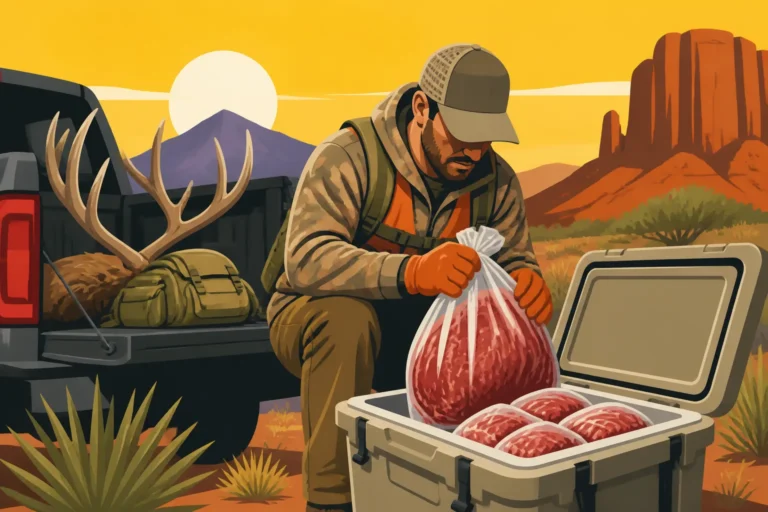
Have large coolers ready, preferably pre-chilled with ice. Never place warm meat directly onto ice in a sealed cooler. The goal is to continue the air cooling process before submerging. If your quarters are still warm, continue to let them air out in the coolest, shadiest spot you can find, draped in game bags, until they've dropped significantly in temperature. Then, you can pack them loosely in coolers with ice. Many experienced desert hunters advocate for using block ice or frozen water jugs, which melt slower than cubed ice and prevent the meat from sitting in water. If possible, consider covering the coolers with wet towels or a reflective tarp during transport to keep them from heating up. Remember, you're constantly fighting the ambient temperature, and every bit of thoughtful preparation, even down to how you load your vehicle, contributes to preserving your hard-earned meat. Checking a reliable weather forecast via a platform like GoHunt before your hunt can help you anticipate extreme heat and pack accordingly.
Post-Harvest Cleaning and Storage
The final steps after successfully cooling and transporting your meat are all about maintaining that hard-won quality. Once you've reached a processing facility or your home, the emphasis shifts from rapid cooling to thorough cleaning and proper storage. This stage is just as important as the field dressing itself, as any misstep here can compromise everything you've worked for. Proper care at this point ensures that your New Mexico harvest tastes as good as the hunt felt.
Even if you’re dropping the animal off at a professional processor, understanding these steps can help you communicate your expectations and ensure your meat is handled to your satisfaction. For the DIY butcher, these are the techniques that guarantee a delicious return on your hunting investment.
Cleaning and Preparing Meat for the Butcher
Before sending your meat to the processor or starting your own butchering, a good cleaning can make a world of difference. Even with careful field dressing, some dirt, hair, or dried blood can adhere to the meat. Use clean, cool water (not warm, as it can encourage bacterial growth) and a clean cloth or paper towels to wipe away any contaminants. Avoid soaking the meat, as this can cause it to absorb water and affect texture. If there are any areas of bloodshot meat or bruised tissue, trim them away. This not only makes for a cleaner final product but also removes areas that can spoil faster.
Pay particular attention to the areas where the hide was removed, as hair can easily cling to the sticky meat surfaces. A stiff brush, used gently, can help dislodge stubborn hairs. This is also the time to make any final cuts to separate larger muscle groups if you plan to do some of your own butchering before sending specific cuts to a processor. The cleaner the meat is when it goes into the cooler or onto the cutting table, the less work there is later, and the better the overall quality will be. Remember, the goal is to get clean, cooled, and ready-to-process meat.
Long-Term Storage and Beyond
Once your meat is thoroughly cleaned and has reached a desirable internal temperature (ideally below 40°F), it's ready for long-term storage. For short-term aging, you can keep quarters in coolers with ice for a few days, draining water daily and replenishing ice as needed, allowing the meat to "age" and become more tender. However, in desert environments, this needs to be done meticulously, ensuring the meat never sits in water.
For true long-term storage, freezing is the way to go. You have a few options:
- Vacuum Sealing: This is by far the best method. Vacuum-sealed meat removes all air, preventing freezer burn and extending freshness for well over a year.
- Freezer Paper/Plastic Wrap: While not as effective as vacuum sealing, wrapping tightly in plastic wrap, then freezer paper, and finally placing in a freezer bag can work for shorter periods (6-9 months).
- Grinding: Many hunters choose to grind tougher cuts into burger meat, often mixing with a fattier cut like pork or beef. This is versatile and great for stews, chilies, or everyday meals.
Always label your packages with the date and type of meat so you know what you have. Proper preparation and freezing mean you'll be enjoying the fruits of your New Mexico hunt for many months to come, savoring every meal and reliving those moments under the big sky. Remember, the effort you put into proper field dressing and post-harvest care directly translates to the quality of every bite.
Disclaimer
The information provided in this guide is for general educational purposes only and is not a substitute for official regulations. Always consult the current New Mexico Department of Game and Fish regulations and local laws before your hunt. Hunting involves inherent risks, and personal safety should always be your top priority.