Tree Stand Rules That Apply on Public Land
Hunting public land in New Mexico is an incredible adventure, offering vast landscapes from high alpine forests to sweeping desert plains. But let's be honest, figuring out all the rules, especially around something as seemingly simple as a tree stand, can feel like navigating a legal minefield. Many of us have experienced the frustration of investing in good gear only to wonder if we're even allowed to use it without getting a ticket or, worse, losing a valuable piece of equipment. This guide is here to cut through the confusion and explain exactly what the rules are for using tree stands on public land across New Mexico, helping you hunt smarter and stay on the right side of the law.
The Basics of Tree Stand Legality on New Mexico Public Land
When you're out hunting on public land in New Mexico, whether it's vast Bureau of Land Management (BLM) acreage or sprawling National Forest, the key word you need to remember for tree stands is "temporary." Public land is a shared resource, and the regulations are designed to ensure that no single individual claims a spot permanently or damages the natural environment. This philosophy underpins almost every rule regarding structures like tree stands. Ignoring these rules isn't just a minor infraction; it can lead to fines, confiscation of your gear, and even impact your future hunting privileges.
For many hunters, the appeal of a tree stand is the ability to gain an elevated vantage point, break up your silhouette, and get above an animal's natural line of sight, especially important for archery seasons. But this advantage comes with a responsibility to adhere to the "leave no trace" principle that governs public land use. This means not just packing out your trash, but ensuring that any equipment you bring in doesn't become a permanent fixture or cause lasting damage. It's a fundamental aspect of being an ethical hunter and steward of these incredible landscapes.
Understanding the 'Temporary' Rule for Tree Stands
The term "temporary" is where a lot of hunters get hung up, and for good reason—it can feel a bit vague. In New Mexico, specifically on public lands managed by agencies like the U.S. Forest Service (USFS) and Bureau of Land Management (BLM), a tree stand is generally considered temporary if it is designed to be easily removable and doesn't cause permanent alteration or damage to the tree or surrounding area. This means no driving nails, screws, or bolts into trees to hang stands or steps. These actions are widely prohibited because they injure the tree and leave foreign objects embedded, which can pose hazards for forest workers or future recreational users.
Most regulations also stipulate a time limit for how long a temporary stand can be left unattended. While specific durations can vary slightly between agencies or even individual forest districts, a common guideline is that stands should be removed within a certain period after your hunt concludes, often within 10-14 days. Some areas might even require removal at the end of the calendar year or hunting season, regardless of how recently you used it. If a stand is left beyond these periods, it risks being deemed "abandoned," at which point it can be confiscated by land management agencies. This is particularly relevant for those thinking about leaving a stand up all season, or even year-round, which is almost universally forbidden on New Mexico public lands. On private land, however, the landowner's permission is usually the only factor determining if you can install permanent stands or leave them up indefinitely, illustrating a stark difference in rules.
Restrictions on Damage to Trees and Habitat
The primary concern with tree stands on public land isn't just the structure itself, but the potential damage it can inflict. This is why methods that involve drilling, screwing, or nailing into trees are strictly prohibited. These practices create wounds in the tree bark, making them susceptible to disease and pests, and compromising their structural integrity over time. Imagine hundreds of hunters over decades each installing permanent screws – the cumulative impact would be devastating to the health of the forest. The New Mexico Department of Game and Fish regulations, along with those of federal land agencies, are very clear on this.
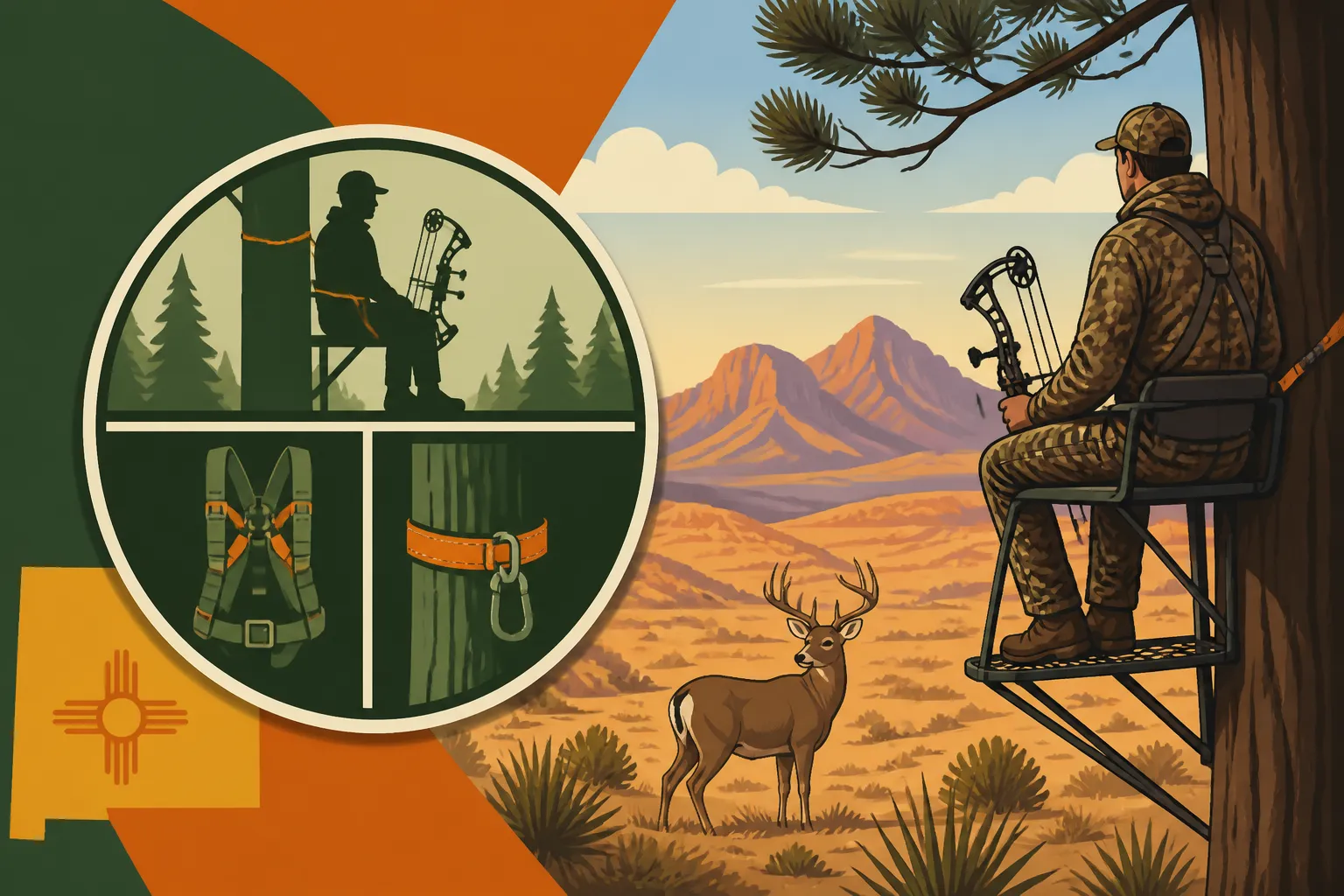
Instead, hunters are expected to use non-damaging attachment methods. This typically means stands that utilize straps, chains, or cabling systems that wrap around the tree trunk without penetrating the bark. Climbing sticks or steps must also adhere to this principle, employing buckle straps or similar non-invasive designs. Cutting tree limbs, even small ones, to clear shooting lanes or make a stand fit better is also a big no-no unless explicitly permitted, which is rare. The rule of thumb is to leave the tree and the surrounding vegetation as undisturbed as possible. It’s all about protecting the ecosystem and ensuring the habitat remains healthy for wildlife and future generations of hunters and outdoor enthusiasts.
Different Public Land Agencies and Their Specific Stand Policies
New Mexico boasts an incredible amount of public land, managed by a variety of federal and state agencies. While there's a general philosophy around temporary use and minimal impact, the specifics can vary depending on who manages the ground you're hunting. Understanding these nuances is critical to avoiding issues. It's not a one-size-fits-all situation, and what's permissible in a National Forest might have slightly different stipulations on BLM land, for example. Always consult the specific agency's regulations for the area you intend to hunt. For broader information on the land, check out our guide on how many acres of public land New Mexico holds.
National Forests (USFS) Regulations
The U.S. Forest Service (USFS) manages vast tracts of timbered country in New Mexico, including iconic areas like the Gila National Forest and Carson National Forest. These are often prime spots for elk and deer hunting, making tree stands a popular choice. On USFS lands, the regulations regarding tree stands are generally quite strict and universally applied. The overarching rule is that no permanent structures are allowed. This means anything that alters the land or vegetation on a lasting basis is out.
For tree stands, this translates to an absolute prohibition on driving nails, screws, bolts, or any other metal objects into trees. Any method that penetrates the cambium layer of the tree, which is essential for its growth, is forbidden. This extends to tree steps that screw into the trunk or permanent ladder sections affixed to trees. Violations can lead to the removal and confiscation of your stand, and you could face fines, potentially escalating to a federal citation. Most USFS regulations also stipulate that stands must be removed within a certain timeframe after the season or hunt is over, usually within 10-14 days, to prevent them from becoming abandoned property. Leaving a stand up year-round is definitely not allowed on these lands.
Bureau of Land Management (BLM) Ground
Bureau of Land Management (BLM) land makes up a significant portion of New Mexico's public hunting acreage, particularly in the more open, desert, and semi-arid regions. For mule deer and antelope, or even some of the more exotic species like oryx or Barbary sheep, BLM can be prime habitat. Generally, BLM regulations for tree stands align with the "temporary" and "leave no trace" principles, but they often allow for a bit more flexibility in interpretation due to the diverse landscapes they manage. Our guide on BLM ground carries most of New Mexico's open access provides more insight into these areas.
While BLM land might feel more "open," the same fundamental rules apply: no permanent damage to trees or vegetation. This means screw-in steps and permanent attachments are still prohibited. However, due to the often sparse nature of suitable "tree stand trees" on some BLM parcels, you might find different approaches. Portable hang-on stands, climbers, or even ground blinds (which have their own temporary rules) are the typical options. The emphasis is on ease of removal and ensuring no lasting impact. Like USFS lands, any equipment left for an extended period after a hunt concludes can be considered abandoned and removed. Always verify the specific field office's rules for the unit you plan to hunt, as local managers can sometimes have unique stipulations based on their specific land management plans.
New Mexico State Trust Land and State Game Commission Lands
New Mexico State Trust Land, managed by the State Land Office, also offers significant hunting opportunities. Access to these lands for hunting is granted through your valid New Mexico hunting license, effectively serving as an easement. Our detailed post on a New Mexico license is your State Trust Land easement covers this topic thoroughly. On these state-managed properties, the rules for tree stands typically mirror federal land regulations regarding temporary use and preventing damage. You cannot install anything that permanently alters the land or vegetation.
This means that while you're welcome to hunt these lands with your license, you cannot leave permanent blinds, stands, or other structures. Any tree stand or ground blind must be removable without leaving a trace of its presence. The concept of "abandonment" applies here too; if a stand is left for an unreasonable amount of time post-hunt, it risks being confiscated. For State Game Commission Lands, which are often smaller, dedicated wildlife management areas, the rules can be even more specific, sometimes prohibiting stands altogether or restricting them to very short, attended periods. It is absolutely essential to check the current New Mexico Department of Game and Fish (NMDGF) regulations booklet and any specific postings for these localized areas. They are usually very clear about what is and isn't allowed to preserve the habitat and ensure fair access for all users.
| Public Land Type | Permanent Stands Allowed? | Screw-in Steps/Attachments? | Time Limit for Removal | General Enforcement |
|---|---|---|---|---|
| US Forest Service (USFS) | No | No | Yes (usually 10-14 days post-hunt/season) | Strict; confiscation, fines |
| Bureau of Land Management (BLM) | No | No | Yes (similar to USFS) | Moderate to Strict; confiscation |
| NM State Trust Land | No | No | Yes (usually post-hunt/season) | Moderate; confiscation |
| NM State Game Commission Lands | No (often highly restricted or prohibited) | No | Yes (often immediate removal) | Very Strict; high risk of confiscation |
Practical Considerations and Ethical Hunting with Tree Stands
Beyond just knowing the rules, there are practical and ethical considerations that go hand-in-hand with using tree stands on New Mexico's public lands. It's not just about staying legal; it's about being a respectful and responsible hunter. This means thinking about everything from the type of stand you choose to how you protect it from theft and ensure its timely removal. The wild landscapes of New Mexico demand a high level of preparedness and ethical conduct from all who venture into them.
Choosing the Right Stand for Public Land
When hunting public land, your choice of tree stand becomes critical, directly impacting your compliance with regulations and your overall hunting experience. Permanent ladder stands that you might see on private land are generally a non-starter for public ground due to their size, visibility, and often semi-permanent nature. Instead, focus on portable options like climbing stands, hang-on stands, or lightweight ladder stands specifically designed for temporary setups.
Climbing stands are fantastic for quick setup and takedown, allowing you to move to new locations efficiently. They require a relatively straight, limb-free tree, which can be a limiting factor in some New Mexico forests, but when you find the right tree, they are incredibly versatile. Hang-on stands, combined with climbing sticks, offer more flexibility in tree choice, as they don't require a perfectly straight trunk. However, they typically take a bit longer to set up and take down, and leaving sticks permanently attached (even with straps) can sometimes fall into a gray area depending on local interpretation of "temporary." Finally, portable, strap-on ladder stands exist, but they are often heavier and more cumbersome to pack in and out. The best stand for public land will be lightweight, silent to set up, and easily removed without leaving any trace of your presence. Consider the terrain and the species you're hunting; for instance, mule deer in more open country might call for a different strategy than elk in dense timber.
Marking Your Stand and Preventing Theft
The unfortunate reality of public land hunting is that theft can occur. While it's tempting to leave a stand for several days or even weeks to "hold" a spot, this dramatically increases its vulnerability. New Mexico regulations don't typically require you to mark your stand, but many hunters choose to engrave or permanently mark their stands with their name and phone number. This can serve as a deterrent and potentially help recover a stand if it's found, but it offers no guarantee.
The best defense against theft is prevention. If regulations allow, and you absolutely must leave your stand for a few days, consider using a sturdy cable lock to secure it to the tree. While not foolproof, it can deter opportunistic thieves. Better yet, if feasible, pack your stand in and out with you after each hunt. For extended trips, or if you're hunting remote backcountry like parts of the Gila National Forest, a drop camp might be an option, but your stand would still need to be secured or removed. Remember, a stand left unattended for too long isn't just a target for thieves; it's also a target for confiscation by land management officials who might deem it abandoned. Prioritize portability and secure your gear, especially valuable optics or communication devices.
Retrieving and Removing Your Stand
The ethical and legal obligation to remove your tree stand after your hunt is paramount. As mentioned, most public land agencies have strict deadlines for stand removal after the hunting season closes or your specific tag period ends. Ignoring these deadlines can lead to your stand being confiscated and potentially destroyed, and you could face penalties. It's a critical part of the "leave no trace" ethos.
Planning for stand removal needs to be part of your overall hunt strategy, especially if you're deep in the backcountry. Consider the weather conditions; early winter snows can make retrieving a stand extremely difficult, even dangerous, if you're not prepared for a deep hike. If you've been using a particularly remote spot in mountainous terrain, you'll need to factor in the physical exertion required to pack it out. Don't leave your stand for someone else to deal with; it's a direct reflection on the hunting community and can lead to stricter regulations for everyone. Always ensure you have the proper tools, manpower, and time allocated to safely and completely remove all your equipment, leaving the area just as you found it. This practice ensures that the incredible public lands we hunt remain pristine and accessible for all.
Common Misconceptions and Smart Practices for New Mexico Hunters
Public land hunting, by its very nature, is a shared experience. There are unspoken rules of etiquette and common misunderstandings that can trip up even experienced hunters. Being aware of these, and adopting smart practices, will make your New Mexico hunting adventures more enjoyable, safer, and more ethical.
The Myth of 'First Come, First Served' for Stand Locations
One of the biggest misconceptions on public land is the idea that if you put a tree stand up in a spot, it automatically becomes "your" spot. This couldn't be further from the truth. Public land is just that – public. There is no concept of "reserving" a hunting spot by placing a stand, a ground blind, or even flagging. While it's generally considered good etiquette to avoid hunting directly on top of another hunter, especially if they're already set up, their equipment does not grant them exclusive rights to an area.
If you encounter another hunter's stand, the respectful thing to do is move on and find another location. However, if that stand is clearly abandoned, in violation of regulations (e.g., permanently attached, left for too long), or obstructing a travel route, you have every right to report it to the managing agency. It’s important to remember that New Mexico's public land is vast, offering countless opportunities. Tools like GoHunt or onX maps, which can show land ownership layers, are invaluable for understanding boundaries and avoiding conflicts. Instead of relying on a "first come, first served" mentality, focus on finding less pressured areas and being adaptable. This also ties into being prepared to pack an elk out of the Gila alone – if you're in truly remote country, the chances of encountering another hunter's stand dwindle dramatically.
E-Scouting and Legal Access Points
In today's hunting world, e-scouting has become an indispensable tool, especially for public land hunters. Services like GoHunt and onX Hunt allow you to pore over satellite imagery, topographical maps, and land ownership overlays from the comfort of your home. This capability is crucial for identifying potential stand locations, understanding terrain, and, most importantly, ensuring you have legal access. Our guide on E-Scouting a New Mexico Unit Before the Season goes into great detail about this.
Before you even think about hanging a tree stand, use these tools to confirm that the area you're targeting is indeed public land. Understanding reading a land ownership layer correctly is paramount. You also need to scout your entry and exit points to ensure you're not crossing private land without permission. Many public land parcels, especially BLM ground, can be intermingled with private holdings or state trust land, which may have slightly different access rules. Identifying legal trails, roads, or walk-in access points is vital. Nothing will ruin a hunt faster than inadvertently trespassing, which is a serious offense in New Mexico. Planning your route, even down to motorized travel rules on New Mexico public land, will help you avoid unpleasant surprises and ensure your hunting experience is both legal and ethical.
Always Check Current Regulations
Hunting regulations are not static; they change annually, and sometimes even within a season. What was permissible last year might not be this year, or a specific forest might implement new restrictions. Relying on outdated information is a recipe for trouble. Therefore, the single most important smart practice for any New Mexico hunter is to always check the current regulations before heading into the field.
The New Mexico Department of Game and Fish (NMDGF) publishes a comprehensive "Rules & Information Booklet" every year, available both online and in print. This is your primary resource for all state-level hunting laws, including those pertaining to tree stands and general public land use. Our guide on where the current New Mexico regulations are posted can direct you to the official sources. Additionally, if you're hunting on federal lands like National Forests or BLM, you should also check the specific websites for those agencies or contact the local field office. They often have supplementary rules or temporary closures that might impact your hunt. A quick phone call or visit to their website can prevent a major headache. Don't leave it to chance; staying informed is the best way to ensure a safe, legal, and successful hunt on New Mexico's incredible public lands.
Disclaimer
Please remember that hunting regulations can change, and this guide provides general information. It is your responsibility to review the most current New Mexico Department of Game and Fish regulations, as well as specific land management agency rules (e.g., US Forest Service, Bureau of Land Management) for the area you intend to hunt. Always verify local rules before heading afield.