Which New Mexico Units Are Primitive Weapons Only
Navigating the myriad of regulations and hunt codes in New Mexico can feel like trying to solve a complex puzzle, especially when you encounter specific restrictions like "primitive weapons only." It’s a common source of frustration for hunters, whether seasoned or new to the Land of Enchantment, to understand precisely which units restrict weapon types and what that means for their hunt planning. This guide aims to demystify those regulations, specifically focusing on units designated exclusively for primitive weapons, ensuring you're well-prepared for your next New Mexico hunting adventure.
Understanding New Mexico's Primitive Weapons Definition
Before we dive into the specific units, it’s absolutely crucial to grasp what New Mexico considers a "primitive weapon." This isn't just a casual term; it's a legal classification that dictates what you can and cannot carry into the field during these specialized hunts. Many hunters assume "primitive" just means a muzzleloader, but the rules are more nuanced, and understanding them is your first step to a successful hunt.
What Qualifies as a Primitive Weapon?
New Mexico has clear definitions for what constitutes a primitive weapon for big game hunting. Generally, these fall into three main categories: archery equipment, muzzleloaders, and certain spear-throwing devices (though these are far less common for big game). The key is that these weapons are designed to offer a more challenging hunt, often requiring closer distances and a higher degree of skill compared to modern firearms.
For archery equipment, the rules specify minimum draw weights for bows (usually 40 pounds for big game) and prohibit certain features like scopes. Broadhead requirements for bowhunting are also quite specific, generally requiring fixed or mechanical broadheads with a minimum cutting diameter. For those wondering, crossbows are legal for big game during any legal archery season, provided they meet certain criteria, and are often included under the primitive weapons umbrella when discussing these types of hunts. You can find more specific details on what makes a weapon primitive under the rules in the official regulations.
Muzzleloaders are another primary category. These are front-loading firearms that can only be loaded with black powder or a legal substitute, and a single projectile. Modern inline muzzleloaders are usually allowed, but they must meet the front-loading criteria. Crucially, scopes are often not permitted during muzzleloader-only seasons for many big game species, adding to the challenge by requiring open sights. However, some specific hunts might allow scopes on muzzleloaders, so always check your hunt code. The rules also specify muzzleloader caliber minimums for elk and other big game.
The whole point is to remove some of the technological advantages, bringing the hunter closer to the animal and the true spirit of the chase. It's a challenging, but incredibly rewarding, way to hunt.
Why Primitive Weapon Hunts Exist
The existence of primitive weapon hunts isn't just about tradition; it's a strategic part of wildlife management and quality hunting experiences. New Mexico, like many western states, recognizes the value in offering diverse hunting opportunities that cater to different skill sets and preferences.
One of the primary reasons these hunts exist is to extend hunting seasons and distribute pressure. By creating specific primitive weapon seasons, the state can allow more hunters into the field over a longer period without overwhelming a particular unit with "any legal weapon" pressure. This helps maintain a higher quality hunting experience by giving animals more time to recover from hunting pressure and offering different experiences for hunters.
Another significant factor is promoting fair chase and the challenge of the hunt. Primitive weapons, by their nature, demand more from the hunter. You need to be closer, more patient, and often more skilled in tracking and stalking. This ethos aligns with many hunters' desire for a more traditional and immersive experience, one where the animal has a greater advantage. For many, harvesting an animal with a traditional bow or a muzzleloader carries a profound sense of accomplishment that is hard to match. These hunts are often specifically designed to provide opportunities for older, more mature animals by extending seasons where success rates are typically lower due to the weapon restrictions.
Unpacking the Primitive Weapons Only Units in New Mexico
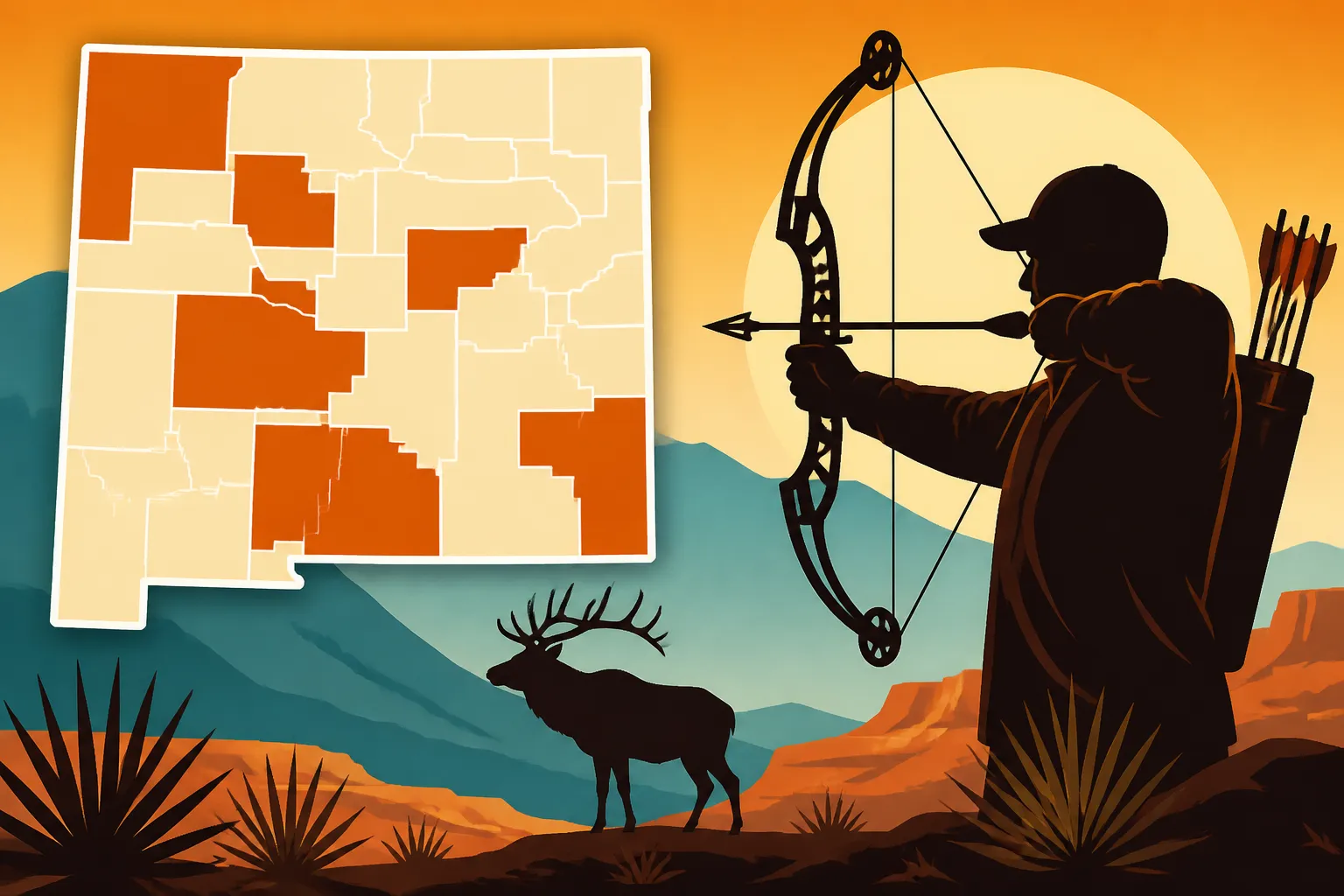
When it comes to big game, especially elk and deer, New Mexico has a unique gem that stands out as the only unit specifically designated as "primitive weapons only" for all its draw hunts: Unit 15. This is a critical distinction to understand because while many units have primitive weapon seasons (like archery or muzzleloader seasons), Unit 15 restricts all its big game draw hunts to these weapon types.
Unit 15: The Flagship Primitive Weapons Unit
Unit 15, nestled within the vast and rugged Gila National Forest, holds a special place in the hearts of many New Mexico hunters. It’s not just a unit; it's an institution, renowned for its challenging terrain and the incredible potential for mature animals. The designation of Unit 15 as "primitive weapons only" for its deer and elk draw hunts is a testament to its unique character and the state's commitment to maintaining a high-quality hunting experience there.
This unit is part of the larger Gila ecosystem, famous for growing big bulls, and the primitive weapon restriction only enhances the mystique and challenge. The terrain is brutal—steep canyons, dense timber, and high elevations that test even the most physically fit hunter. Access can be difficult, often requiring extensive hiking or reliance on horses and pack strings. This naturally selects for a certain type of hunter: one who is willing to put in the work, embrace the difficulty, and has a deep respect for the animal and the wild country. You can read more about why Unit 15 is called the finest in the Gila to understand its reputation.
Hunting in Unit 15 means embracing the wilderness. Expect to encounter significant backcountry. Spotting game often means covering vast distances on foot, using your optics to glass benches and parks for elk or searching dense timber for deer. The primitive weapon restriction means that when you finally locate that animal, the real challenge of closing the distance truly begins. It's an experience that fosters self-reliance and deep appreciation for the landscape.
Other Units with Primitive Weapon Seasons
While Unit 15 is the sole "primitive weapons only" unit for big game draw hunts, it's important not to confuse this with other units that offer specific primitive weapon seasons. Many units across New Mexico have dedicated archery deer season structure, muzzleloader deer windows across New Mexico units, or early archery elk seasons that are primitive weapon hunts. These seasons exist in units that also offer "any legal weapon" hunts at other times of the year.
For example, many units in the northern part of the state, within the Carson National Forest or Santa Fe National Forest, will have archery-only elk seasons in September, or muzzleloader deer hunts in the fall. These are primitive weapon hunts, but the unit itself isn't exclusively primitive weapons. Hunters often choose these seasons for a less crowded experience, or because they prefer the challenge of hunting with a bow or muzzleloader.
The key takeaway here is to always scrutinize the specific hunt code for any tag you're applying for or hold. A hunt code will clearly indicate the weapon type, unit, and season dates. A unit like 15 will have "primitive weapon" explicitly listed for its elk and deer hunts, whereas other units will specify "archery" or "muzzleloader" for a particular season, but still offer rifle hunts later.
What to Expect When Hunting a Primitive Weapons Only Unit
Hunting a primitive weapons only unit, especially Unit 15, is an entirely different beast compared to a general rifle season. It's not just about the weapon; it's about the mindset, the preparation, and the overall approach to the hunt.
First and foremost, physical conditioning is paramount. The Gila, where Unit 15 resides, is unforgiving. Steep climbs, significant elevation changes, and long days covering miles are the norm. If you're planning an elk hunt, you'll be packing an elk out of the Gila alone or with a partner, which is a monumental task. Altitude preparation for a Gila elk hunt is not to be underestimated.
Secondly, skill with your chosen primitive weapon is critical. Whether it's dialing in your traditional bow for those close-range encounters or becoming proficient with open sights on your muzzleloader, you need to be supremely confident in your ability to make a clean, ethical shot under pressure. Practice, practice, practice is the mantra here, especially under simulated field conditions.
Thirdly, patience and persistence are your greatest assets. Primitive hunts often have lower success rates, not because there aren't animals, but because the challenge is inherently higher. You'll likely encounter more opportunities where you can't get close enough for a shot, or where an animal slips away. Embracing this challenge and staying persistent is key.
Finally, wildlife behavior is often different. Animals in primitive weapon units, especially during archery or early muzzleloader seasons, might not be as pressured as they are during peak rifle seasons. This can sometimes translate into more natural behavior, but it doesn't mean they're easy. They are still wild animals in vast country.
Navigating the Regulations and Planning Your Hunt
Successfully hunting a primitive weapons only unit in New Mexico requires meticulous planning, starting with a deep dive into the regulations. It's not enough to just know which units are primitive; you need to understand how to apply for those specific hunts and what goes into preparing for such a unique challenge.
Reading Hunt Codes and Applying for Primitive Hunts
The New Mexico Department of Game and Fish (NMDGF) provides a comprehensive "Rules and Information Booklet" each year, which is your bible for all things hunting in the state. This booklet contains detailed information on all hunt codes, including those for primitive weapons. Learning how to read a New Mexico hunt code before you apply is essential. Each code specifies the unit, species, weapon type, and season dates.
For a primitive weapons-only unit like Unit 15, you'll see "Primitive Weapon" clearly stated as the weapon type for its deer and elk hunts. When applying for the public draw, you'll select these specific hunt codes. Remember, New Mexico does not use a preference point system, meaning every applicant, regardless of past attempts, has an equal chance each year. Services like GoHunt are fantastic resources for researching draw odds, unit information, and understanding the nuances of these specific primitive weapon hunts. They can help you analyze which New Mexico units are primitive weapons only and estimate your chances.
It’s crucial to pay close attention to the application deadlines. While many big game applications close in March, bear applications have an earlier deadline. Always double-check the current year's proclamation for exact dates and times, as missing the deadline means missing out entirely.
Essential Gear for Primitive Weapon Hunters
Your gear list for a primitive weapons only hunt will share many similarities with any other backcountry hunt, but with some crucial distinctions tailored to the weapon and the demanding conditions.
Weapon Specifics:
- Muzzleloader hunters: Ensure your muzzleloader is sighted in perfectly with your chosen load. Practice with your open sights—no scopes allowed on most primitive muzzleloader hunts. Bring ample cleaning supplies, caps/primers, and extra powder charges.
- Archery hunters: Your bow must be tuned, and you should be proficient out to your maximum ethical shooting distance. Carry extra broadheads, an Allen wrench set, and a spare release (if applicable). Minimum bow draw weight for big game and broadhead requirements for bowhunting are non-negotiable. Are expandable broadheads legal? Yes, under certain conditions, but always verify.
General Backcountry Gear (especially for Unit 15):
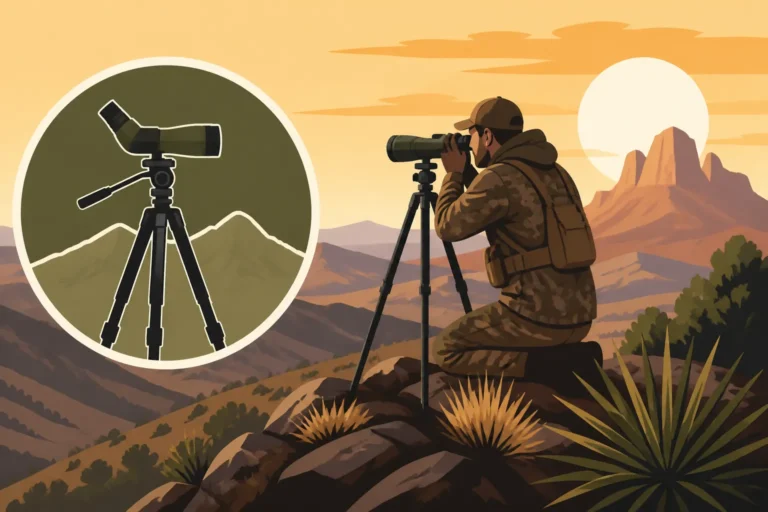
- Optics: High-quality binoculars and a spotting scope are indispensable for glassing New Mexico's Gila for trophy bulls. You'll spend hours behind glass searching the vast landscape. GoHunt provides excellent gear reviews that often highlight specific optics ideal for these conditions.
- Navigation: A reliable GPS device or a smartphone with detailed mapping apps (like OnX Hunt) is non-negotiable. Unit 15 is rugged, and getting lost is a real danger. Downloading New Mexico unit layers for offline use is a smart move.
- Pack System: A sturdy pack capable of hauling heavy loads is essential. You’ll be packing an elk out of the Gila alone, or at least packing your camp and gear.
- Clothing: Layering for Gila temperature swings is key, as conditions can change rapidly from warm days to freezing nights, even in early fall.
- Water: Water you must carry on a desert day hunt, especially in the dryer parts of Unit 15 or in early seasons. Filters or purifiers are also wise.
- First Aid: A comprehensive wilderness first aid kit.
- Shelter: A lightweight, durable tent or shelter is vital for backcountry trips. Can you camp on New Mexico Trust Land? Yes, but always verify specific regulations for your chosen area.
Table: Comparison of Hunting Opportunities in Primitive vs. General Weapon Units
| Feature/Aspect | Primitive Weapons Only Units (e.g., Unit 15) | Units with General/Any Legal Weapon Seasons (Most other units) |
|---|---|---|
| Weapon Type | Exclusively archery, muzzleloader (no scopes), or primitive bows. | Archery, muzzleloader, and centerfire rifles/shotguns (depending on the specific season/hunt code). |
| Challenge Level | High – requires close stalking, precise shooting, significant effort. | Varies by season; rifle seasons typically offer longer shot opportunities, potentially less stalking. |
| Draw Odds | Often slightly better due to specialized nature and higher skill bar. | Highly variable, often lower for prime rifle elk/deer tags due to broad appeal. |
| Hunting Pressure | Generally lower during primitive seasons due to specialized weapon. | Can be very high during popular rifle seasons, especially on opening weekends. |
| Season Length | Typically shorter, focused seasons. | Can vary widely, with archery, muzzleloader, and rifle seasons spread across months. |
| Experience Focus | Wilderness immersion, fair chase, traditional hunting, physical demand. | Diverse, from backcountry wilderness to more accessible areas, catering to various preferences. |
| Required Skill | High proficiency with primitive weapon, advanced woodsmanship. | Proficiency with chosen weapon, basic to advanced hunting skills depending on terrain and species. |
| Access | Often involves remote, rugged terrain, limited vehicle access. | Can range from easily accessible roads to deep wilderness, depending on the unit and area. |
| Animal Behavior | May be less pressured than during rifle hunts, but still wary. | Animals often highly pressured and skittish during general seasons. |
Maximizing Your Chances in Primitive Units
Hunting a primitive weapons only unit is a commitment, and maximizing your chances means going beyond just showing up with the right weapon. It demands thorough preparation, both mentally and physically.
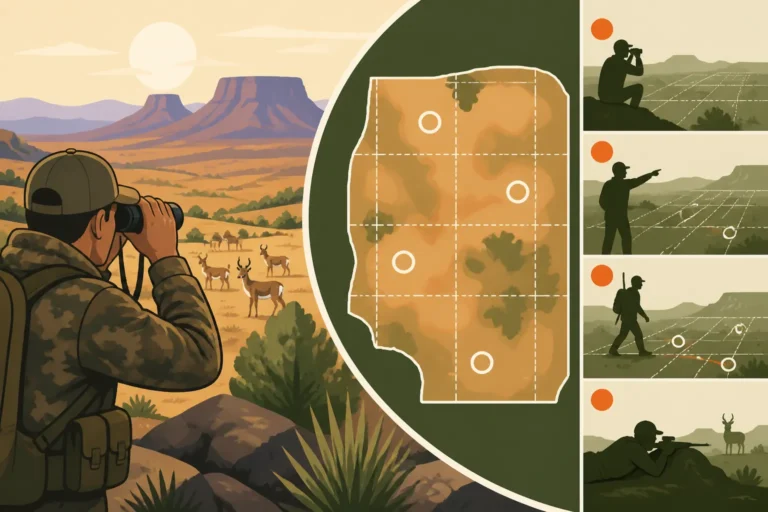
Intense Scouting: This cannot be overstressed. E-Scouting a New Mexico unit before the season is a great start, using satellite imagery and mapping software to identify potential bedding areas, water sources that concentrate desert game, travel corridors, and escape routes. However, there's no substitute for boots on the ground. Scouting New Mexico State Trust Land fourteen days out, or National Forest land well in advance, will give you invaluable insights into animal movements, recent sign, and optimal ambush points. For example, understanding how drought affects desert deer numbers or how wildfire changes Gila elk habitat can inform your scouting efforts.
Physical and Mental Toughness: Primitive hunts test your resolve. Long days, steep climbs, unexpected weather, and the frustration of close calls can wear you down. Building a practice routine before opener that includes physical training and mental visualization will pay dividends. Preparing physically for a high elevation hunt is critical if you're targeting the Gila or other mountainous regions.
Strategic Hunting: Primitive hunting is often about playing the wind, understanding thermals on a canyon stalk, and using the terrain to your advantage. Reading fresh elk sign in Ponderosa timber is a crucial skill. On a primitive weapon hunt, you can't rely on long shots, so mastering techniques like using draws and benches to close distance or still hunting oak brush for Coues will dramatically increase your success rate. For archers, knowing how close a bowhunter needs to get on elk is fundamental.
Adaptability: The best laid plans can fall apart in the wilderness. Be ready to adapt to changing weather conditions, unexpected animal movements, or unforeseen challenges. A successful primitive hunter is resilient and resourceful. By combining diligent preparation, superior woodsmanship, and a deep respect for the primitive challenge, you'll find hunting New Mexico's primitive weapons only units to be an incredibly rewarding experience, whether you punch your tag or not.
Disclaimer
Please note: Hunting regulations and laws are subject to change. Always consult the most current New Mexico Department of Game and Fish (NMDGF) Rules and Information Booklet and other official sources before planning any hunting trip. This guide is for informational purposes only and does not supersede official regulations.