Which Rifle Season Suits a First New Mexico Hunt
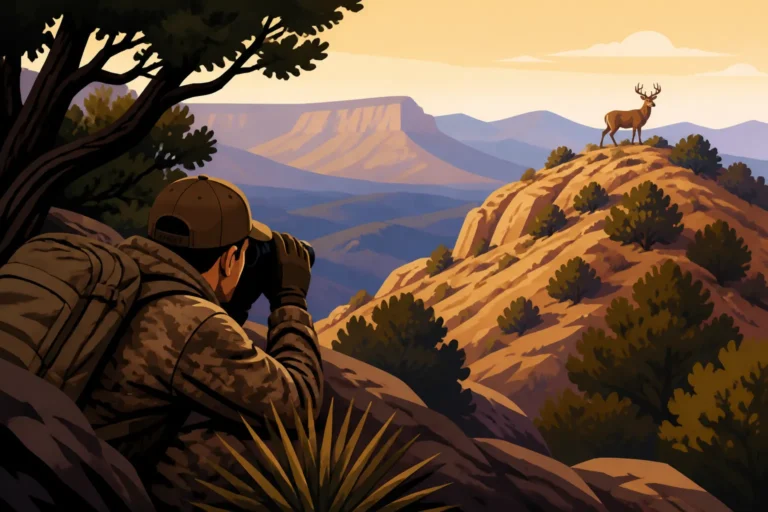
Stepping into the world of New Mexico hunting can feel like trying to solve a puzzle with a million pieces. You’ve heard the whispers of incredible mule deer, the challenging terrain, and the sheer vastness of public land, but when it comes to picking an actual rifle season for your first hunt, it's easy to get overwhelmed. You're probably wondering if you should chase early season bucks, brave the crowds for a rutting monster, or hold out for a cold, late-season opportunity. This guide is here to cut through the confusion and help you decide which New Mexico rifle season truly suits a first-time hunter.
The General Landscape of New Mexico Rifle Deer Seasons
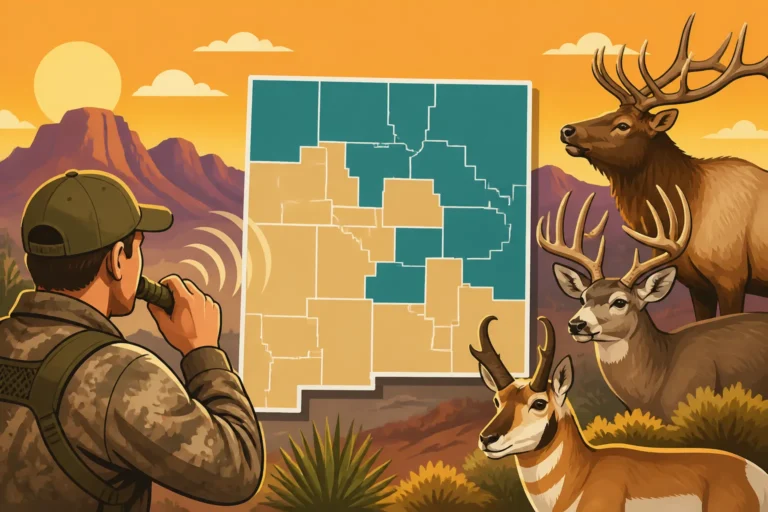
New Mexico's hunting landscape for deer, particularly mule deer, is both diverse and challenging, offering a range of rifle seasons that cater to different preferences and hunting styles. Unlike some states with a single, long general season, New Mexico often segments its rifle opportunities into distinct windows, usually starting in late October and extending into early December. These seasons are typically unit-specific, meaning a hunt code for Unit 17 in late October might be completely different from a Unit 2B hunt in mid-November. This structure means careful planning and a deep dive into the regulations are absolutely essential, especially for a first-timer.
The complexity doesn't stop there. New Mexico operates on a draw system for most desirable big game tags, including deer. This means you’re not just picking a season; you’re applying for a specific season within a specific unit, and there’s no guarantee you'll draw. It's a significant hurdle for many new hunters who might be used to over-the-counter tags. Understanding this lottery system, how to read a New Mexico hunt code, and strategizing your choices is paramount. Many hunters find resources like GoHunt invaluable for navigating draw odds and unit breakdowns, helping them make informed decisions before that critical March deadline.
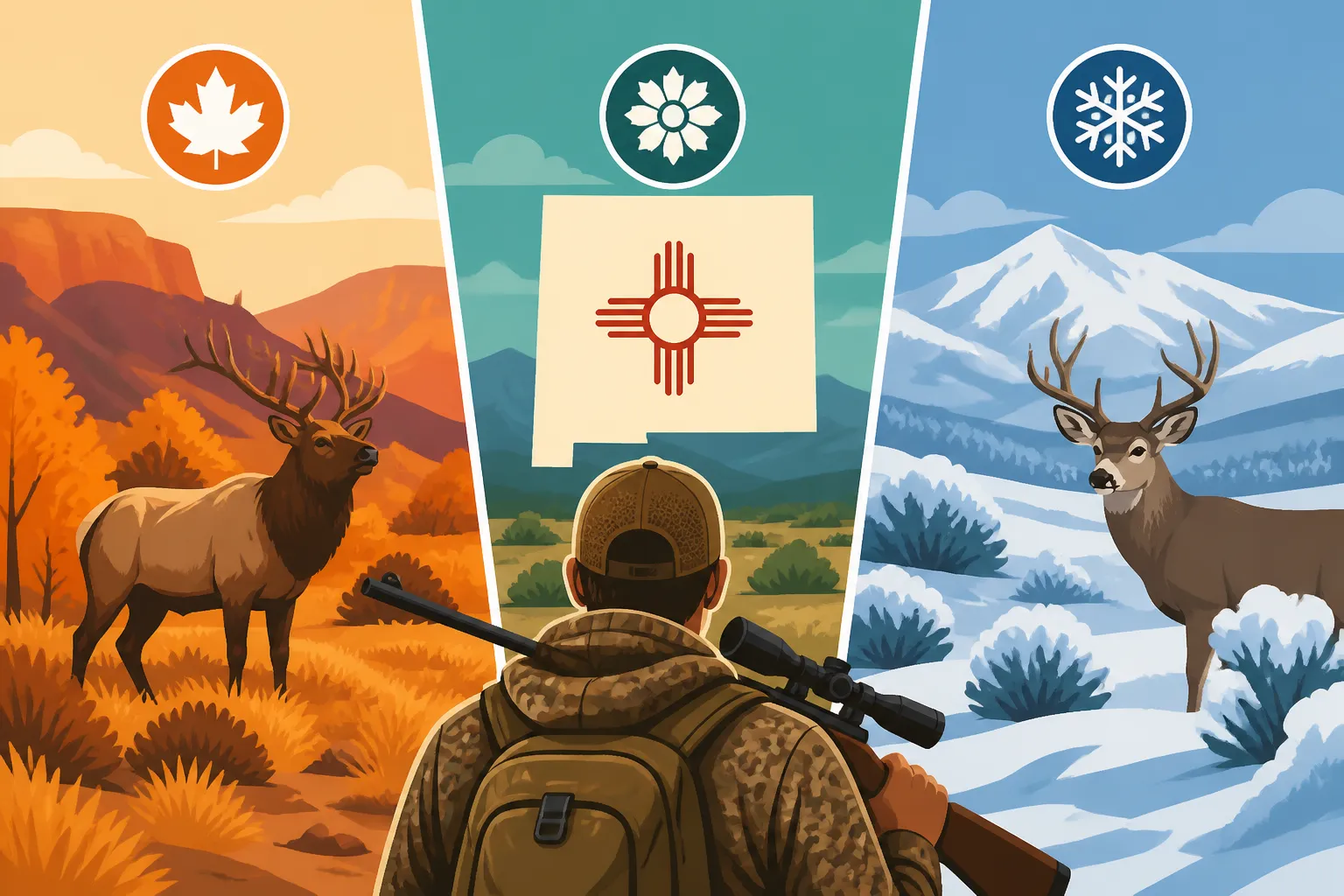
The various rifle seasons themselves come with their own unique characteristics, dictated by weather, deer behavior, and hunter pressure. An early season hunt might present milder temperatures but thicker cover, while a late season hunt could mean deep snow and bitter cold, but potentially more concentrated deer. Each window has its merits and drawbacks, and what works for an experienced local might be a baptism by fire for someone new to the high desert or mountain hunting. We're going to walk through these windows so you can decide which one aligns best with your expectations and capabilities.
Early Rifle Seasons Challenges and Rewards
Typically falling in late October to early November, the early rifle seasons in New Mexico can be a fantastic, albeit challenging, introduction to the state's hunting scene. These hunts often take place before the full brunt of winter has set in, offering more moderate temperatures and generally clearer access to many areas. However, this period also comes with its own set of hurdles that first-time hunters need to be prepared for.
One of the biggest advantages of an early rifle season is the weather. You're less likely to be battling blizzards or bone-chilling cold, which can make for a more comfortable experience, especially if you're not fully geared up for extreme winter conditions. Days are still reasonably long, giving you ample time for glassing and stalking. The landscape might still hold some lingering fall colors, adding to the beauty of the experience. From a tactical standpoint, deer are often still in their predictable fall patterns, perhaps migrating from high summer ranges to lower wintering grounds, but generally before the full chaos of the rut kicks in. This can make them more patterned, though also more spread out.
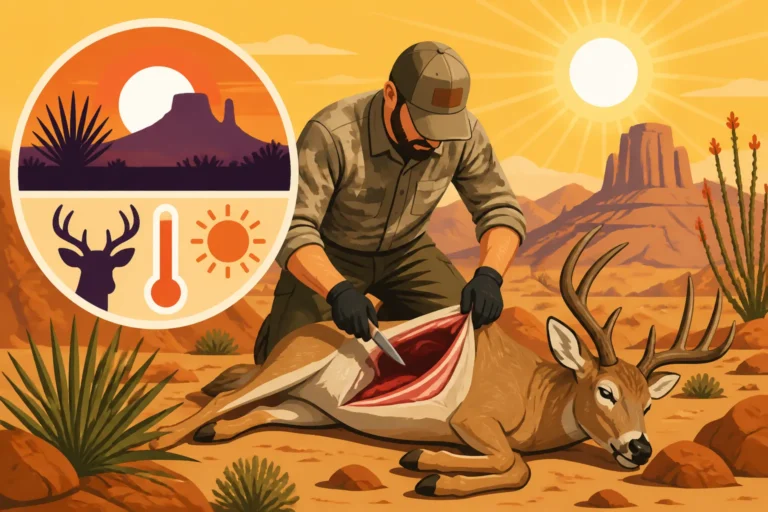
However, the early season is not without its significant downsides for a newcomer. Warmer temperatures, while comfortable for the hunter, can be a major headache for meat care. A mule deer buck taken on a 60-degree afternoon needs immediate, efficient field dressing and rapid cooling. If you're not experienced with field dressing in desert heat, or don't have a solid plan for getting that meat on ice quickly, you could face spoilage, which is a devastating outcome after a successful hunt. Think about whether you'll be close enough to a town with an ice machine, or if you have enough coolers and dry ice for a multi-day trip. Another challenge is the foliage. Depending on the unit and elevation, trees and bushes might still be quite thick, making it harder to spot deer, especially bedded animals, at long ranges. This means more foot-slogging and getting into closer quarters, which can be tough for hunters still learning the terrain. Lastly, while not as crowded as peak rut hunts, early seasons can still see significant pressure, especially on easily accessible public land. Knowing how to find low-pressure ground on opening weekend will be key.
For example, imagine drawing an early Unit 2C mule deer tag. The sun beats down in late October, and while the air is crisp in the morning, by midday, you're shedding layers. You finally spot a decent buck feeding in a juniper draw. After a successful stalk and shot, the clock starts ticking. You've got to gut that deer quickly and start the cooling process immediately. If you're miles from your vehicle and don't have a game bag and a cooler full of ice waiting, the stress of preserving the meat can quickly overshadow the triumph of the harvest. This scenario highlights the importance of thorough preparation, not just for the hunt itself, but for the aftermath.
Mid-Season Rifle Opportunities Balancing Rut Action and Pressure
The mid-season rifle hunts, typically falling from mid-November through Thanksgiving, are often considered the holy grail for many New Mexico deer hunters. This is generally when the mule deer rut is in full swing across many units, offering the exhilarating chance to catch bucks actively chasing does, making them more visible and, at times, less cautious. But with this increased opportunity comes a significant increase in competition and often, more unpredictable weather.
The biggest draw of the mid-season is, hands down, the rut. Bucks are thinking less about survival and more about breeding, which means they are on the move during daylight hours, pushing does, sparring with rivals, and often making mistakes they wouldn't during other times of the year. This is when you might see multiple bucks together, or catch a truly mature deer out in the open, covering ground. Calling strategies can also become more effective, as bucks are more responsive to grunts or doe bleats. Colder temperatures generally prevail during this window, which is a huge bonus for meat care. A buck harvested in 30-degree weather will cool down much faster, reducing the urgency and stress of getting it packed out and processed.
However, the allure of the rut draws hunters like moths to a flame, leading to significantly higher hunter pressure. Drawing a tag for a prime mid-November rut hunt is notoriously difficult, with success rates often in the low single digits, especially for sought-after units. This means you're not just competing for a tag in the draw, you're competing for space and deer in the field. Public land access points can be crowded, and you might find yourself glassing the same hillsides as half a dozen other hunters. Furthermore, the weather becomes a much more volatile factor. While it's great for meat, mid-November can bring anything from mild, sunny days to heavy snowstorms that can shut down forest roads and make travel treacherous. You need to be prepared for all conditions, from mud and rain to deep snow and icy winds, and ensure your gear is up to the task, including reliable traction for your vehicle and appropriate clothing for layering for Gila temperature swings.
Consider a mid-November hunt in a popular unit like 36 or 34, known for its mule deer. You've spent countless hours E-Scouting a New Mexico Unit Before the Season, identified promising draws and glassing knobs. You wake up to a fresh blanket of snow, and the temperature is hovering around 20 degrees. It's beautiful, but as you approach your chosen trailhead, you realize five other trucks are already there. You might have a successful encounter with a rutting buck, but the experience will likely involve navigating around other hunters, adapting your plans on the fly, and truly earning your solitude, if you find it at all. This is where strategic choices in applying and researching individual unit statistics become vital; GoHunt can provide statistics on hunter density and public land access that help guide your decision.
Late Season Rifle Hunts Winter's Grasp and Its Opportunities
As the calendar turns towards late November and early December, New Mexico’s rifle deer seasons transition into the late season. These hunts are often characterized by colder temperatures, the increasing likelihood of snow, and a landscape that is beginning to truly embrace winter. For the adventurous and well-prepared hunter, these late seasons can offer unique opportunities, but they also present some of the most challenging conditions.
The primary advantage of late season hunts is often the weather-induced deer movement. Significant snowfalls at higher elevations can push mule deer down to lower, more accessible wintering grounds, concentrating them in predictable areas. This can make glassing more effective, as deer are often silhouetted against snow or moving through open, less vegetated areas. Tracking also becomes a viable tactic; fresh snow can reveal exactly where deer have been and where they're headed, turning a difficult pursuit into a solvable puzzle. Furthermore, while hunter pressure can still be present, it generally tapers off after the main rut seasons, leading to a potentially quieter hunting experience, especially if you’ve drawn a specific late-season tag that wasn't as popular as the peak rut options. This is also a fantastic time for meat preservation, as consistently cold temperatures virtually eliminate worries about spoilage.
However, the late season is not for the faint of heart. Extreme cold, fierce winds, and heavy snow are not just possibilities; they are expectations. Access to many traditional hunting areas can become difficult or impossible due to snow-packed roads. You might need chains for your vehicle, or even snowshoes to reach your desired hunting grounds. The days are significantly shorter, meaning less prime hunting light and more time spent in the dark, cold hours of morning and evening. Deer, having been pressured through earlier seasons and now facing the harsh realities of winter, can be incredibly wary and educated. Their primary focus shifts from breeding to survival and finding food, making them cautious and often less forgiving of hunter mistakes. Physically, these hunts are demanding; traversing snow, enduring sub-freezing temperatures, and potentially packing out a heavy animal through difficult terrain requires peak physical conditioning.
Imagine heading out for a late-season hunt in a unit bordering Colorado, like Unit 4 or 5B, in early December. You’ve watched the weather forecast anxiously, and sure enough, a foot of fresh snow has fallen. You've prepared by reading up on how much public land New Mexico holds and how E-Scouting a New Mexico Unit Before the Season can help you pinpoint winter range. You bundle up in layers, ensuring your boots are chosen for rocky desert ground, and head out before dawn, the crunch of snow underfoot the only sound. Your truck barely makes it to the trailhead, requiring some creative driving in four-wheel drive. After hours of slow, deliberate tracking, you finally spot a group of does and a mature buck feeding in a sheltered canyon bottom. The challenge of the conditions makes the successful stalk and shot incredibly rewarding, but the arduous task of packing the animal out through the snow truly tests your endurance. This type of hunt is for those who embrace the elements and are prepared for a true backcountry experience.
Making Your Choice Factors Beyond the Calendar
Deciding which New Mexico rifle season suits your first hunt involves more than just looking at a calendar. It requires a thoughtful assessment of your own capabilities, expectations, and resources. There are several critical factors that should weigh heavily in your decision-making process.
First, consider the physical demands of each season. Are you prepared to hike miles in warm, late-October conditions, dealing with potential dehydration and early season heat? Or are you ready to face the deep snow, icy conditions, and biting winds of a late-November or December hunt? Different seasons demand different levels of physical fitness and appropriate gear. High-elevation units, especially in the Gila or northern mountains, will have greater weather extremes, and preparing physically for a high elevation hunt is paramount.
Next, hunter pressure and solitude should be a significant consideration. If the idea of seeing other hunters in the field truly bothers you, then you'll want to aim for harder-to-draw tags or less accessible units. Generally, the more desirable a season (e.g., peak rut), the higher the competition for tags and in the field. Tools like GoHunt can help you assess draw odds and identify units that might offer a more solitary experience, though true solitude on a popular public land hunt can be rare. Don't forget to factor in the public land percentage by unit when making your decisions, as units with more accessible public land tend to attract more hunters.
Meat care and logistics cannot be overstated. For early season hunts with warmer temperatures, having a solid plan for processing and cooling your game quickly is non-negotiable. This means thinking about game bags, ice, coolers, and the distance to a butcher or a town with supplies. Late season hunts, while better for cooling, might present challenges in simply getting the animal out of deep snow and rugged terrain. If you're hunting solo or with a small group, consider how you'll handle a downed animal in challenging conditions.
Finally, and perhaps most importantly for a first-timer, are the draw odds and application strategy. New Mexico does not have a preference point system, meaning every applicant, new or old, has an equal chance each year they apply. This is a huge benefit for new hunters! However, it also means that drawing a highly sought-after rut hunt might take multiple attempts. For a first hunt, you might consider applying for units or seasons with slightly higher draw odds, even if they aren't "peak rut." The goal of your first hunt should be to gain experience, learn the terrain, and enjoy the process, not necessarily to harvest a Boone and Crockett buck (though that's always a bonus!). Consult resources like GoHunt's draw statistics to tailor your application choices. Don't forget about the New Mexico Hunter Education Requirement; you'll need that certification before you can apply for or buy a hunting license.
| Season Type | Typical Dates | Pros for First-Timers | Cons for First-Timers | Key Consideration |
|---|---|---|---|---|
| Early Rifle | Late Oct – Early Nov | Milder weather, longer days | Meat care challenges, thicker foliage, deer patterns | Meat Care Plan: Essential for success and avoiding spoilage |
| Mid-Season Rifle | Mid-Nov (Peak Rut) | Rutting activity, potentially less wary bucks, colder weather | High hunter pressure, tough draw, unpredictable weather | Draw Odds & Pressure: Be ready for competition |
| Late Season Rifle | Late Nov – Early Dec | Snow aids tracking, concentrated deer, excellent meat care | Extreme cold, difficult access, wary deer, short days | Physical & Gear Prep: Essential for harsh conditions |
Ultimately, the best rifle season for your first New Mexico hunt will depend on your personal preferences, physical conditioning, and how much challenge you're willing to embrace. Don't be afraid to start with a season that might offer a slightly easier draw and more manageable conditions, allowing you to learn the ropes without added stress. The experience itself, the vast landscapes, and the pursuit of these incredible animals are what truly make New Mexico hunting special.
Disclaimer
Please remember that hunting regulations, seasons, and draw odds can change year to year. Always consult the most current New Mexico Department of Game and Fish hunting proclamation before planning your hunt or submitting your application.