Do New Mexico Tribal Hunts Require a State License?
Navigating the world of hunting licenses and permits in New Mexico can feel like deciphering ancient hieroglyphs, especially when you start looking beyond the state-managed draws and towards the unique opportunities offered by tribal lands. Many hunters, particularly those dreaming of a trophy elk or deer, wonder if scoring a coveted tribal hunt means they still need to jump through the hoops of the New Mexico state licensing system. This guide is here to clear up that confusion, explaining exactly what you need to hunt on tribal lands in New Mexico.
Understanding Tribal Sovereignty and Hunting Rights
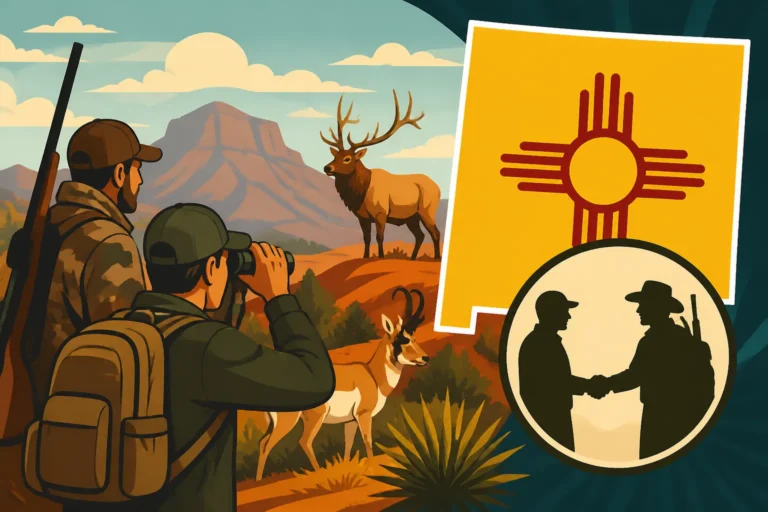
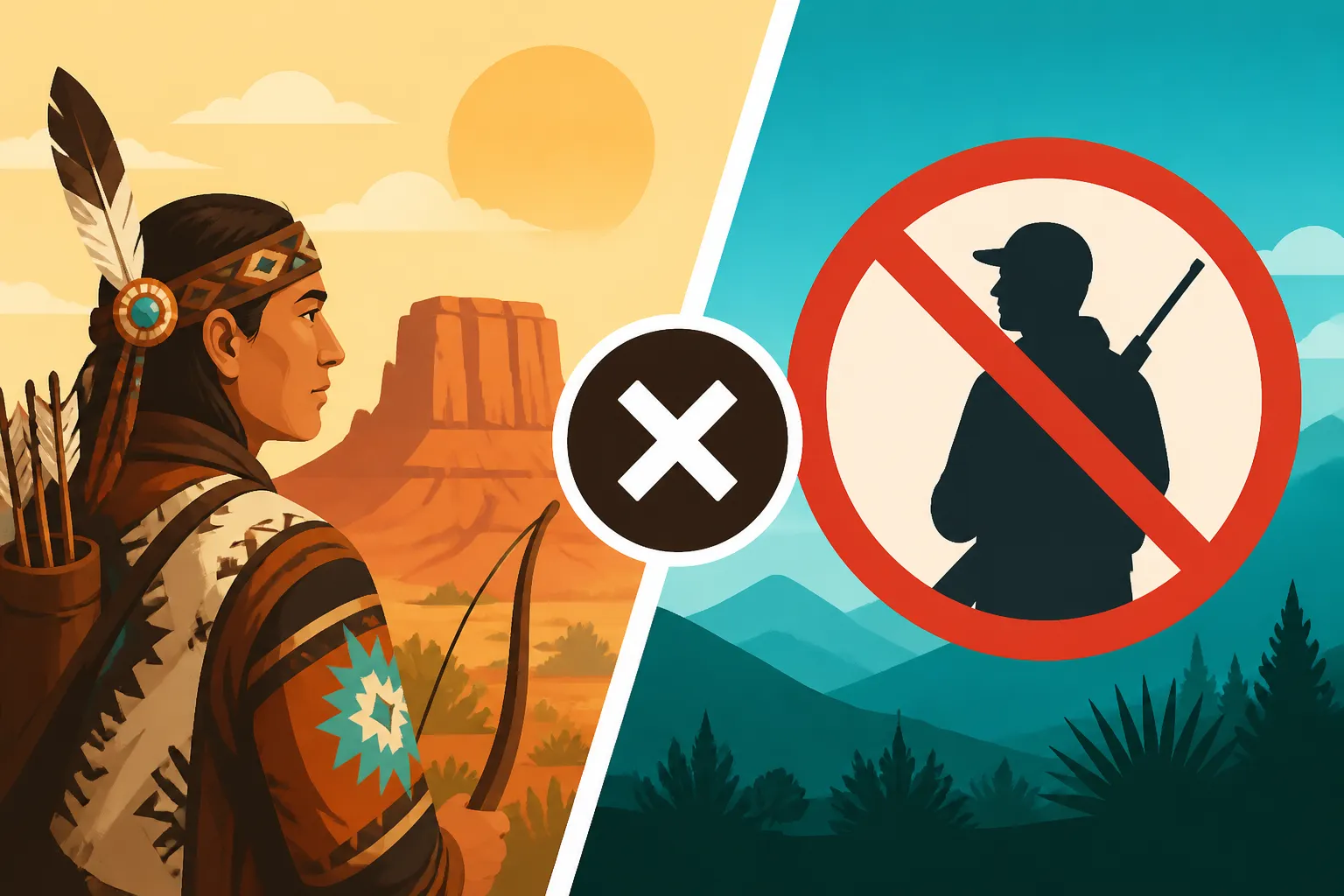
One of the biggest misunderstandings people have about hunting on tribal lands stems from not fully grasping the concept of tribal sovereignty. In New Mexico, as across the United States, federally recognized Native American tribes are sovereign nations. This means they have the inherent right to govern themselves and manage their own resources, including wildlife. Their lands are not considered "public land" in the same way that a national forest or BLM acreage is, nor are they simply "private land" that you can access with a state license and landowner permission. They are distinct jurisdictions.
Because of this sovereign status, each tribe has its own set of wildlife management regulations, hunting seasons, tag allocations, and licensing requirements. It’s a completely separate system from the New Mexico Department of Game and Fish (NMDGF). Think of it less like hunting in a different unit within New Mexico and more like hunting in a different country, albeit one within the geographical borders of the state. This distinction is crucial, as it dictates what paperwork and permits you’ll need to carry. You can read more about how the NMDGF manages general access in New Mexico Holds Over 30 Million Acres of Public Hunting Land, which is a completely different approach.
Do Tribal Hunts Require a New Mexico State Hunting License?
The short, emphatic answer is no, hunting on tribal lands in New Mexico generally does not require a separate New Mexico state hunting license or game tag for the species you are pursuing on tribal land. When you purchase a hunting permit directly from a New Mexico tribe – such as the Mescalero Apache or Jicarilla Apache – that tribal permit acts as your legal authorization to hunt within their reservation boundaries for the specified species and season.
This is a huge draw for many hunters, especially those frustrated with the notoriously low draw odds for premier tags in the state’s general draw system. Instead of waiting years to draw a coveted elk tag through the NMDGF, a hunter might be able to purchase a premium tribal tag directly, often through tribal offices or authorized outfitters. This direct purchase eliminates the need to participate in the state’s complex lottery system. It's a key reason why many look into Why Tribal Tags Bypass the New Mexico Draw.
For example, if you secure a bull elk hunt permit from the Jicarilla Apache Nation, that permit is all you need, along with any other specific tribal requirements like a conservation stamp or access fee. You would not also need to apply for or possess a New Mexico state elk license. The same applies to deer, bear, or any other species managed by the individual tribe.
What About Other State-Level Requirements?
While the core hunting license itself is typically not required, it's natural to wonder about other state-level requirements that hunters in New Mexico usually follow. Here’s a breakdown:
- Hunter Education: If you are a hunter who, under New Mexico state law, would normally be required to complete a hunter education course (for instance, if you are under a certain age and not part of the Mentored Youth Program), it’s generally a very good idea, and often explicitly required by the tribe, to have your hunter education certification. While the tribe might not enforce the state’s specific age cutoffs, they will almost certainly require proof of competency for safety reasons. Always check the specific tribal regulations. You can learn more about this state requirement in The New Mexico Hunter Education Requirement.
- Blaze Orange: Many tribes have their own safety rules, which often align with or exceed state regulations. While a state-issued blaze orange requirement might not legally apply, wearing blaze orange or other highly visible clothing on tribal lands, especially during rifle seasons, is always a wise safety practice and might be mandated by the tribal game and fish department.
- Legal Shooting Hours, Baiting, and Other Regulations: Tribal regulations will define these. They might mirror state laws, or they might have their own unique rules. It's absolutely imperative to obtain and meticulously review the specific hunting regulations of the tribe whose lands you will be hunting on. Assume nothing!
- Habitat Stamp/HMAV: New Mexico's Habitat Management and Access Validation (HMAV) and Habitat Stamp are generally required for hunting on state and federal lands, respectively. Since tribal lands are neither state nor federal public lands, these state-issued stamps are typically not required for hunting on the reservation. However, if your travel to or from the tribal land involves crossing federal or state land, you might theoretically need these for transit, though this is rare in practice for direct travel to tribal hunting camps. When in doubt, clarify with the tribal game and fish department or your outfitter. Find out more about The HMAV and Habitat Stamp Every New Mexico Hunter Needs.
The Application and Acquisition Process for Tribal Permits
So, if you don't need a state license, how do you actually get a tribal permit? The process varies significantly from tribe to tribe, but generally, it involves direct interaction with the tribal government or their authorized agents.
Direct Purchase or Lottery
Some tribes offer permits on a first-come, first-served basis, while others might conduct their own lottery system, often weighted differently than the state draw. Trophy hunts, especially for species like elk or bighorn sheep, are frequently sold at a premium price, reflecting their rarity and quality, and often bypass any lottery system entirely for a direct purchase.
Working with Outfitters and Booking Agents
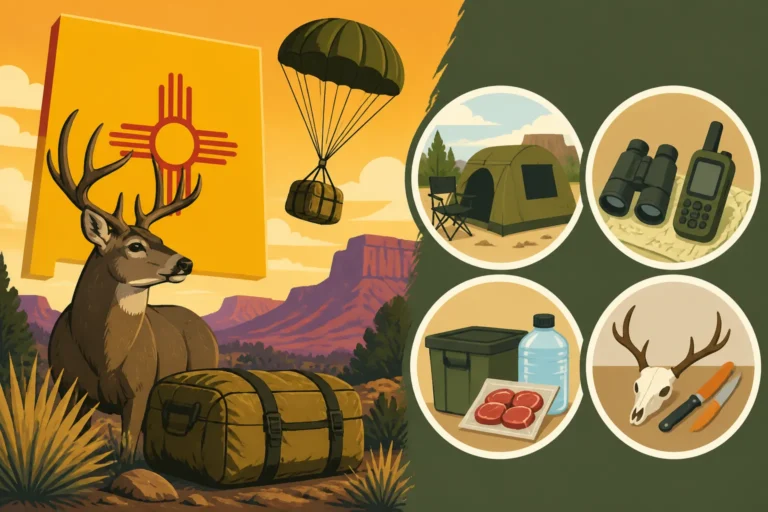
Many New Mexico tribal hunts, particularly for non-tribal members, are facilitated through licensed outfitters who have special agreements or leases with the tribal government. These outfitters handle the tribal permit acquisition process on your behalf, often bundling it with a fully guided hunt experience. Websites like GoHunt and BookYourHunt can be valuable resources for researching outfitters that operate on tribal lands and offer these unique opportunities. They often list outfitters with experience guiding hunts on the Mescalero Apache Reservation or the Jicarilla Apache Nation.
Working with an outfitter can simplify the entire process, as they are intimately familiar with the tribal regulations, application procedures, and the best hunting areas on the reservation. They serve as a vital bridge between the hunter and the tribal wildlife department. However, always remember to vet your outfitter thoroughly, as discussed in Vetting a New Mexico Outfitter Before You Send a Deposit.
Key Differences Between Tribal and State Hunts
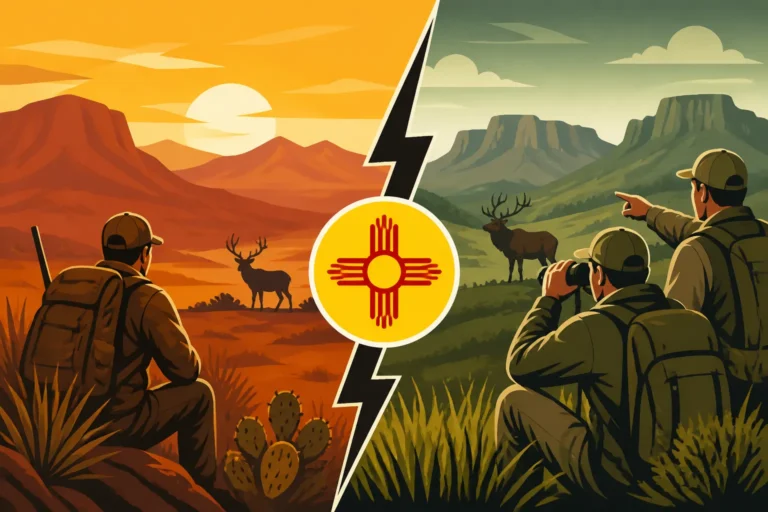
To really nail down the distinction, let's look at a side-by-side comparison:
| Feature | New Mexico State Hunts (NMDGF) | New Mexico Tribal Hunts (e.g., Jicarilla, Mescalero) |
|---|---|---|
| Primary Authorization | New Mexico Game Hunting License + Drawn Tag/Over-the-Counter Tag | Tribal Hunting Permit/License |
| Governing Body | New Mexico Department of Game and Fish (NMDGF) | Individual Tribal Game and Fish Department (Sovereign Nation) |
| Draw System | Primarily lottery-based draw for limited tags, some OTC | Varies: Direct purchase, tribal lottery, guided packages, high premium |
| License Cost | State game license + tag fee (varies by species/resident status) | Tribal permit fee + any conservation/access fees (often higher cost) |
| Hunter Education | Required for specific ages/scenarios, generally recommended | Often explicitly required by tribe, regardless of state age limits |
| Public Access | On designated state/federal public lands, private land with permission | Exclusively on tribal lands, controlled by tribal government |
| Outfitter Pool | 10% allocation for outfitter clients in state draw | Outfitters secure permits directly through tribal agreements |
| Residency | Distinction between resident/nonresident for draw odds/fees | Residency rules apply, but tribal affiliation often trumps state residency |
This table clearly illustrates that while both aim to provide hunting opportunities, the underlying framework and requirements are fundamentally different. For instance, New Mexico Splits Every Hunt 84, 10 and 6 Percent illustrates the state's allocation, a system completely separate from tribal permits.
Benefits and Considerations of Tribal Hunts
Opting for a tribal hunt offers a unique set of advantages, but also some considerations you should be aware of.
Bypassing the State Draw and High Quality Hunts
As mentioned, one of the most significant benefits is avoiding the often frustrating and low-odds state draw. For coveted species like elk, especially trophy bulls, tribal lands often hold exceptional quality animals due to intensive wildlife management and limited hunting pressure. The Jicarilla Apache Nation and Mescalero Apache Tribe, for example, are renowned for their incredible elk hunting opportunities, often producing some of the largest bulls in the state. If you’ve spent years applying for the Gila’s trophy units without success, a tribal hunt could be your direct ticket to a hunt of a lifetime. This is a common strategy for those looking for trophy bull scores out of Unit 15 but finding the draw too difficult.
Tribal permits are also attractive for hunters seeking unique species or experiences not easily accessible through the state system. For instance, some tribes may offer specific management hunts or opportunities tailored to their land and wildlife populations.
Cost and Access
The primary consideration for many is cost. Tribal permits, especially for premier hunts, often come with a significantly higher price tag than state-issued tags. This reflects the quality of the hunting, the exclusivity, and the direct revenue generation for the tribal government to fund wildlife programs and other services. You'll want to budget accordingly, remembering that these costs often include more than just the permit itself, but access fees, conservation contributions, and sometimes even guide services. While we can't share specific figures, understand that they represent a significant investment compared to the NMDGF's Nonresident New Mexico License Price and associated tag fees.
Access to tribal lands is strictly controlled. You cannot simply drive onto a reservation to scout or hunt without explicit permission and the appropriate permits. This controlled access is precisely what helps maintain the high quality of the hunting, as pressure is carefully managed. When researching, platforms like GoHunt and BookYourHunt can help you understand the landscape of available tribal hunting packages and their associated costs and access protocols.
Final Thoughts on Tribal Hunts in New Mexico
In summary, when planning a hunt on tribal lands in New Mexico, remember that you are stepping into a sovereign nation with its own distinct rules and regulations. This means you do not need a New Mexico state hunting license for the game you are pursuing on tribal land. Your tribal permit serves as your official authorization.
However, thorough research into the specific tribe's regulations is paramount. Always confirm hunter education requirements, safety protocols, and any other fees or stipulations directly with the tribal game and fish department or your chosen outfitter. This ensures not only legal compliance but also a safe, respectful, and successful hunting experience on some of New Mexico’s most incredible hunting grounds. It's a fantastic alternative for many, offering premium experiences that bypass the often-challenging state draw system.
Disclaimer
This article is for general informational purposes only and does not constitute professional advice. Laws, prices and regulations vary by location and change over time. Consult a qualified professional for guidance on your specific situation.