Typical Deposit Amounts New Mexico Outfitters Ask
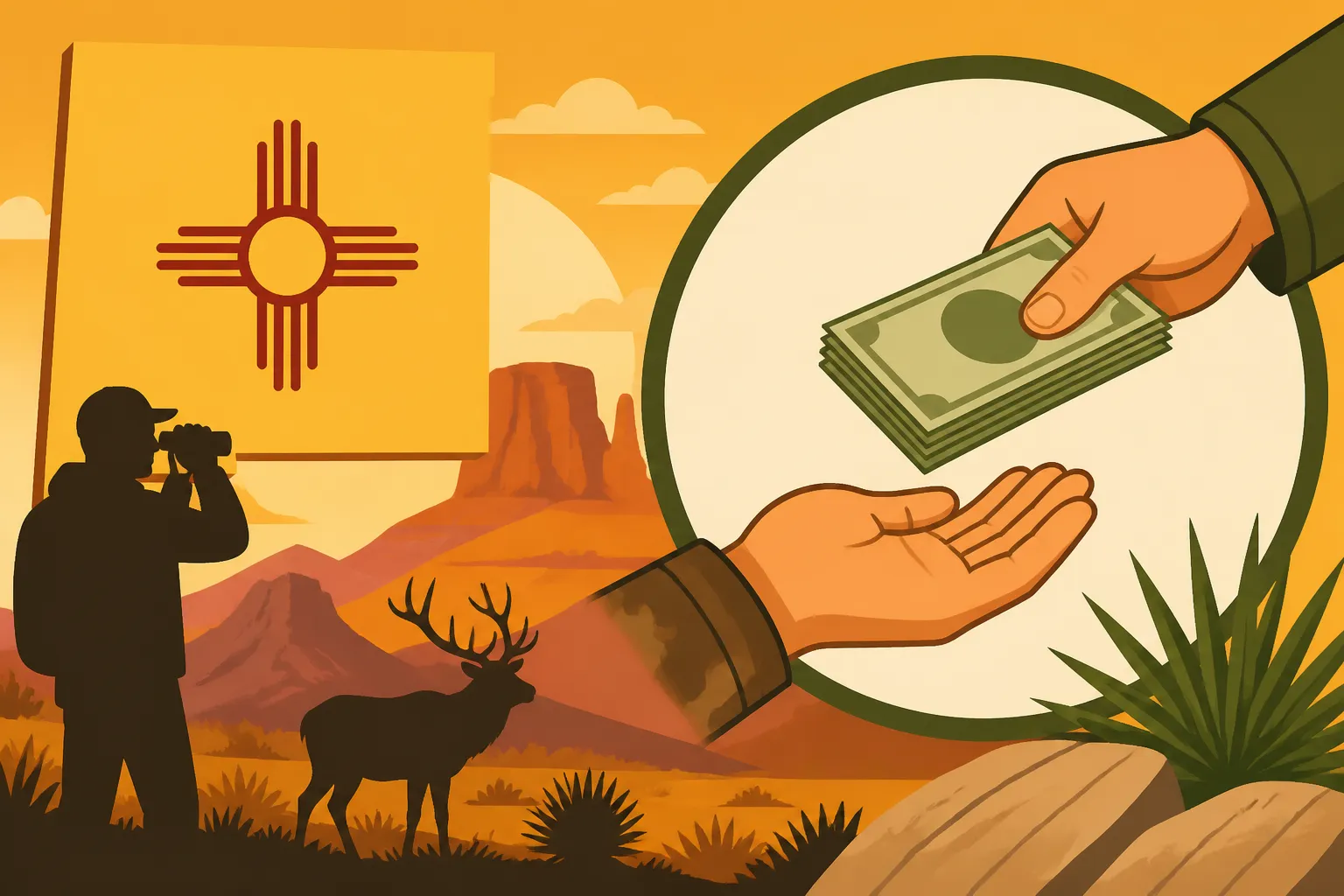
Committing to a guided hunt in New Mexico can feel like a huge step, not just in terms of excitement for the adventure, but also financially. One of the first hurdles many aspiring hunters face is understanding the deposit system—how much to put down, when, and what that money actually secures. This guide aims to clear up the mystery around typical deposit amounts New Mexico outfitters ask for, helping you navigate the initial financial commitment with confidence.
The Essential Role of Deposits in New Mexico Outfitting
Booking a guided hunt is a significant investment for both the hunter and the outfitter. For hunters, it's a dream come true, often years in the making. For outfitters, it's their livelihood, requiring extensive planning, staffing, and resource allocation long before clients ever set foot in camp. Deposits serve as the foundational agreement in this relationship, ensuring commitment from both sides and allowing necessary preparations to begin.
Why Outfitters Require an Upfront Payment
Think about it from an outfitter's perspective. They're reserving specific dates on their calendar, coordinating guides, securing permits if necessary, preparing equipment like horses and camps, and often scouting specific areas months in advance to ensure the best possible experience for their clients. All of this costs money and takes time, resources that could otherwise be allocated to other clients. Without a deposit, an outfitter has no guarantee that a client will follow through, leaving them with an empty calendar slot and sunk costs. The deposit acts as a non-refundable retainer for these preparatory services and the exclusive reservation of their time and expertise. It's a mutual handshake that solidifies your commitment.
What Your Deposit Secures
When you place a deposit with a New Mexico outfitter, you're not just throwing money into the void; you're securing several crucial aspects of your upcoming hunt. Primarily, you're locking in your spot on their schedule for a particular hunt type, species, and unit. For popular hunts, like a prime Gila elk archery season, these spots can fill up a year or more in advance. Your deposit also typically covers a portion of the outfitter's initial administrative costs and their commitment to hold those dates for you. It's the first step in activating their services, from sending out detailed gear lists to beginning any necessary permit applications on your behalf. Understanding The New Mexico Guide-Client Contract You Must Sign is vital here, as it will detail exactly what your deposit entails and what services commence upon receipt.
Hunter Expectations vs. Outfitter Realities
It's natural for hunters to want flexibility, especially when dealing with the uncertainties of the New Mexico draw system or unforeseen life events. However, outfitters operate on tight schedules and budgets. A cancellation, even months out, can be financially detrimental, as it's often too late to rebook that spot. This is why deposits are almost universally non-refundable, or at least come with strict conditions for partial refunds or rollovers. While this can feel rigid, it's a necessary reality for outfitters to run a sustainable business. They are dedicating their prime hunting dates to you, and that carries a significant opportunity cost. Managing these expectations upfront, perhaps by thoroughly discussing Questions Worth Asking Before You Book with your potential outfitter, can prevent misunderstandings down the line.
Deciphering Deposit Structures: Percentages vs. Flat Fees
When you start contacting outfitters, you'll quickly notice that deposit requirements aren't always a fixed number. They often vary based on the total cost of the hunt, the species, and the outfitter's specific business model. However, most fall into one of two main categories: percentage-based or flat-fee deposits.
Common Percentage-Based Deposits
The most prevalent deposit structure you'll encounter is a percentage of the total hunt cost. This makes a lot of sense, as it scales with the overall price of the experience. For a standard guided big game hunt in New Mexico—whether it's for elk, mule deer, or oryx—outfitters commonly ask for a deposit ranging from 25% to 50% of the total hunt price. For instance, if a fully guided elk hunt might cost several thousand dollars, a 30% deposit would require a significant upfront payment. This percentage ensures that a substantial portion of the outfitter's potential revenue is secured, covering their initial outlays and commitment. It's important to clarify the exact percentage early in your conversations, as well as when the remaining balance is due. This balance is often required 30 to 90 days before the hunt begins, or sometimes even upon arrival in camp. When considering The Average Cost of a Guided New Mexico Elk Hunt, factor in that a good chunk of that cost will be due well in advance.
When Flat Fees Come Into Play
While less common for multi-day, fully guided big game hunts, some outfitters, particularly those offering shorter trips, specialized predator hunts, or specific services like scouting or drop camps, might opt for a flat-fee deposit. This might be a fixed amount, say a few hundred dollars, regardless of the final hunt cost. Flat fees are typically simpler to administer but are usually reserved for lower-cost services or when the total price of the hunt is not fully determined at the time of booking (though this is rare for big game). For example, a drop camp service where the packing fees are calculated by weight might involve a flat deposit to reserve the dates for the pack string. Always confirm if the flat fee is part of the total hunt cost or an additional administrative charge.
How Deposit Size Relates to Overall Hunt Cost
The size of the deposit is directly tied to the total expense of the hunt. Generally, the more expensive and in-demand the hunt, the larger the deposit will be, both in percentage and absolute terms. A guided New Mexico oryx hunt, for example, might have a substantial deposit due to the unique nature and high demand for those tags. This table offers a general overview of how deposit types might align with hunt styles:
| Hunt Style/Service | Typical Deposit Structure | Common Range (as % of total) | Considerations |
|---|---|---|---|
| Fully Guided Big Game | Percentage-based | 25-50% | High commitment, secures guide, camp, and logistics. |
| Semi-Guided Hunts | Percentage-based | 20-40% | Often slightly lower percentage than fully guided. |
| Drop Camps / Pack-in Services | Percentage or Flat Fee | 20-30% or Fixed Amount | Secures dates for horses/mules, less guide time. |
| Predator/Varmint Hunts | Flat Fee or lower % | 15-25% or Fixed Amount | Shorter duration, potentially lower overall cost. |
| Scouting Services Only | Flat Fee | N/A (service specific) | Secures dedicated time for pre-hunt scouting. |
Keep in mind that these are general ranges. Always get precise figures and payment schedules from the outfitter in writing. Websites like BookYourHunt or GoHunt often provide transparent pricing and deposit information for various outfitters, making initial comparisons much easier.
Key Factors That Influence Your Deposit Amount
You might wonder why one outfitter asks for a 25% deposit while another requires 50% for what seems like a similar hunt. Several factors come into play that influence the typical deposit amount you'll be asked to provide. Understanding these can help you anticipate the upfront financial commitment and make an informed decision.
Species, Popularity, and Hunt Type
The demand for a particular species or hunt type is a major driver of deposit size. Elk hunts, especially those in trophy units like the Gila, are incredibly popular and often booked far in advance. An outfitter offering a prime Bugling Bulls Through New Mexico's Mid-September Rut hunt will likely require a higher deposit percentage and amount simply because their spots are in such high demand. If you cancel, they've lost a significant revenue opportunity. Conversely, a less popular species or a hunt during an off-peak time might have a slightly lower deposit to incentivize bookings. Primitive weapon hunts or late-season cow elk hunts, while still requiring commitment, might not demand the same upfront percentage as an early archery bull hunt in the hottest units. New Mexico Elk Are Why the Gila Draws Everyone, and that popularity directly translates to higher deposits for those coveted spots.
Timing and Demand: Booking Early vs. Late
The earlier you book your hunt, especially for prime dates and sought-after units, the more likely you are to encounter a standard, robust deposit. Many hunters are planning How Far Ahead to Book a New Mexico Hunt, sometimes two or more years out. This early commitment gives the outfitter ample time to plan, but it also means they are holding that slot for a long duration. If you try to book a last-minute hunt, say on a leftover tag, an outfitter might occasionally offer a slightly reduced deposit if they're trying to fill an unexpected vacancy, but this is rare for quality operations. More often, a last-minute booking might require the full balance upfront if the hunt is imminent, skipping the multi-stage payment process entirely.
Outfitter Reputation and Services Offered
A well-established outfitter with a strong reputation for success and client satisfaction might command a higher deposit. Their calendar fills quickly, and their services are known to be top-notch, meaning they have less incentive to offer deep discounts or flexible deposit terms. Newer outfitters, or those looking to build their client base, might sometimes be more flexible, but always vet them thoroughly. Also, the breadth of services included in the hunt package can affect the deposit. A hunt that includes elaborate camp facilities, a high guide-to-hunter ratio, or special amenities might justify a higher initial commitment due to the increased operational costs involved. Always clarify what's included and what's extra, as What Outfitter Prices Almost Never Include can add up quickly.
Navigating Draw Results, Refunds, and Cancellation Policies
Perhaps one of the most frustrating aspects of booking a New Mexico hunt is the interplay between outfitter deposits and the state's lottery draw system. Many hunters commit to an outfitter before they even know if they've drawn a tag. This creates a unique set of challenges and makes understanding refund and cancellation policies paramount.
The Pre-Draw Deposit Dilemma
New Mexico's draw results typically post in mid-to-late April, but outfitters often start booking clients for the following year's hunts as early as the previous fall. This means many hunters put down significant deposits with an outfitter before they know if they've been successful in the draw. This "pre-draw deposit" model is a necessary evil for outfitters to secure their schedule and for hunters to secure a spot with a desirable outfitter, especially when considering Booking Before New Mexico Draw Results Land. The outfitter wants to know they have clients if you draw, and you want to know you have an outfitter if you draw. It’s a calculated risk on both sides. This is where researching New Mexico Draw Odds Do Not Improve With Time becomes critical, as it informs your strategy.
Understanding Refundability and Rollover Options
Given the pre-draw dilemma, it's absolutely crucial to understand the outfitter's policy regarding refunds if you fail to draw a tag. Most reputable New Mexico outfitters offer one of two options:
- Partial Refund with Administrative Fee: Some outfitters will refund a portion of your deposit, retaining a smaller administrative fee to cover their time and opportunity cost.
- Deposit Rollover: More commonly, outfitters will offer to roll your deposit over to the following year's draw, allowing you to apply with them again. This is often the preferred option for hunters who are determined to hunt with that specific outfitter or in that unit.
- No Refund (or specific conditions): In some cases, especially for highly exclusive or limited hunts, the deposit might be explicitly non-refundable even if you don't draw. This is less common but can occur.
Always ask for their policy in writing. For more details, specifically look into Refunds When You Fail to Draw in New Mexico. Beyond not drawing a tag, life happens. Illness, family emergencies, or other unforeseen circumstances can force you to cancel a hunt. This is where Reading the Cancellation and Refund Terms in your guide-client contract becomes non-negotiable. Typically, deposits are non-refundable if you cancel after a certain date, or you might forfeit a larger portion of your payment the closer you get to the hunt date. Some outfitters might allow you to find a replacement hunter, but this is entirely at their discretion.
Crucial Questions to Ask Before Committing
Before you sign any contract or send any money, take the time to have a thorough conversation with your prospective outfitter. This isn't just about the hunt itself, but about the financial commitment. Here's a quick checklist of questions to ensure you're fully informed:
- What is the exact deposit amount or percentage required, and when is it due?
- What is the schedule for the remaining payments, and what are the due dates?
- What happens to my deposit if I fail to draw a New Mexico tag? Is it refundable, or can it be rolled over to the next year? Are there any associated fees?
- What is your cancellation policy if I need to cancel for reasons other than the draw (e.g., illness, family emergency)?
- What is your policy if you (the outfitter) need to cancel or modify the hunt dates?
- Is there a written contract detailing all these terms? (There should always be one.)
- Does the deposit cover any specific pre-hunt services, like application assistance?
Don't be afraid to ask these questions. A professional and reputable outfitter will appreciate your diligence and be happy to provide clear answers. This transparency ensures a smooth and enjoyable experience from the very first financial commitment right through to your hunt in the New Mexico wilderness.
Disclaimer
This article is for general informational purposes only and does not constitute professional advice. Laws, prices and regulations vary by location and change over time. Consult a qualified professional for guidance on your specific situation.