Unit-Wide Against Ranch-Only Authorizations
Navigating the world of New Mexico elk tags can feel like deciphering a secret code, especially when you start looking beyond the public draw. One of the biggest points of confusion for hunters seeking alternative access is the difference between "unit-wide" and "ranch-only" EPLUS authorizations. It’s not just semantics; understanding this distinction is absolutely critical to knowing where you can hunt, what kind of experience to expect, and ultimately, whether you’re getting the right tag for your hard-earned money and precious hunting time. This guide will break down these two types of EPLUS tags so you can apply with confidence and a clear understanding of your hunting boundaries.
Understanding New Mexico's EPLUS System
Before we dive into the specifics of unit-wide versus ranch-only, let's just take a moment to understand the EPLUS system itself. New Mexico, like many western states, recognizes the role private landowners play in wildlife habitat and management. The EPLUS program, which stands for "Elk Private Land Use System," is essentially a way for the state to incentivize landowners to allow public hunting access on their property or to manage their lands in a way that benefits elk. In return, these landowners receive "authorizations" – essentially elk tags – that they can then use themselves, give to friends, or sell to hunters. It's a system designed to complement the public draw, offering another avenue for hunters to pursue elk in a state renowned for its quality herds.
For many hunters, especially non-residents or those who've struggled in the regular draw, EPLUS tags represent a more reliable way to secure an elk hunt. They bypass the often-frustrating draw odds and provide a direct path to a tag. However, the exact nature of that tag – where it's valid – is where the "unit-wide" and "ranch-only" distinction comes into play, and it's a detail that can make or break your hunt planning. Understanding How EPLUS Puts New Mexico Elk Tags in Landowner Hands is the first step in appreciating this alternative system.
What a "Unit-Wide" EPLUS Authorization Means
When you hear about a "unit-wide" EPLUS authorization, this is often the golden ticket for many hunters. A unit-wide EPLUS tag grants the holder permission to hunt elk on all legally accessible land within a specific Game Management Unit (GMU) that is covered by the EPLUS program. This means you can hunt on public lands—like National Forests or Bureau of Land Management (BLM) acreage—as well as any private lands within that unit that are enrolled in and open to EPLUS hunters.
The Freedom of Movement
The primary benefit of a unit-wide authorization is the sheer amount of country it opens up. You're not restricted to a single ranch fence line. Instead, you have the flexibility to chase elk wherever they go within the designated unit, whether that's deep into a national forest wilderness area or across sprawling BLM sagebrush flats. This mimics the experience of a publicly drawn tag, giving you the freedom to scout, hike, and hunt a vast landscape. For DIY hunters who love the challenge of public land, a unit-wide tag can be a dream come true. You can apply all your traditional hunting skills – glassing, calling, tracking – across a diverse range of habitats, without constantly worrying if you've crossed an invisible boundary.
Navigating Public and Private Land
While a unit-wide tag offers tremendous freedom, it also comes with the responsibility of knowing where you are. You’ll need to be proficient with your maps and GPS, whether it's an app like onX or detailed paper maps, to ensure you stay on legal hunting grounds. You'll still need to respect private property boundaries, even if those lands aren't participating in the EPLUS program. The tag only grants access to participating private land or public land within the unit. It's crucial to really study Reading a New Mexico Unit Boundary Before You Apply so you know exactly what ground you're looking at. This type of tag is fantastic for hunters who thrive on exploration and covering a lot of ground, often leading to a more adventurous and self-reliant hunt.
What a "Ranch-Only" EPLUS Authorization Means
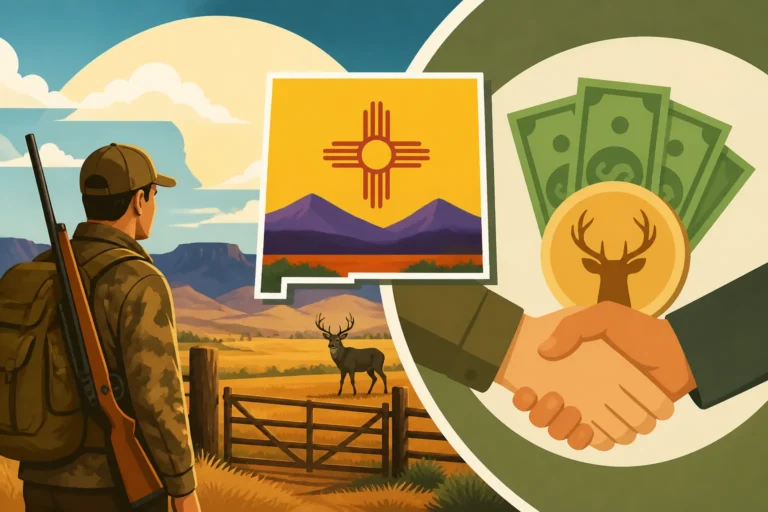
Now, let's contrast that with a "ranch-only" EPLUS authorization. As the name suggests, this type of tag strictly limits your hunting to the boundaries of the specific private ranch property that received the authorization. You cannot venture off that ranch to hunt public land or any other private property, even if they are within the same Game Management Unit.
The Defined Hunting Experience
A ranch-only tag provides a very different hunting experience. Your world shrinks down to the fences of the ranch. This can be a double-edged sword. On one hand, it often means less hunting pressure from other hunters because access is controlled. The ranch owner or outfitter typically manages the number of hunters on the property, which can lead to higher quality animals and a more controlled hunting environment. You might find amenities like lodging, meals, and guiding services included, making it a more comfortable and structured hunt, especially for those new to western hunting or looking for a less physically demanding experience.
Reliance on Ranch Management
The success of a ranch-only hunt is heavily dependent on the quality of the ranch's wildlife management and the elk populations present on that specific property. If the ranch has great habitat, good water sources, and consistent elk movement, you could have an incredible hunt. If elk use the ranch only intermittently, or if drought conditions have pushed them elsewhere, your opportunities could be limited to what happens to be on that property during your hunt dates. When considering a ranch-only tag, it's wise to ask a lot of questions about the ranch itself, its size, the typical elk numbers, and what kind of success rates they've had. Understanding How New Mexico EPLUS Authorizations Are Issued can give you insight into the ranch's relationship with the program.
Key Differences and Considerations for Hunters
The choice between a unit-wide and ranch-only EPLUS authorization really boils down to your personal hunting style, budget, and expectations. It's not about one being inherently "better" than the other, but rather which one aligns more closely with the hunt you envision.
Hunting Experience and Strategy
- Unit-Wide: This is for the hunter who loves to scout, use mapping apps, and roam. You'll often be employing traditional public land hunting tactics like calling, spot-and-stalk, and covering a lot of ground. It's a more independent, DIY-oriented hunt. You'll be competing with other public land hunters, so knowing how to find low-pressure areas and adapt to changing conditions is key. You might consider combining this with techniques discussed in Hunting New Mexico From 4,000 Feet to 10,000.
- Ranch-Only: This often appeals to hunters seeking a more curated, potentially less strenuous, and higher-odds experience. You'll typically be hunting with the guidance of the ranch owner or an outfitter, who will know the property intimately. The focus might be more on ambushing animals at feeding or bedding areas, or perhaps elevated blinds, rather than extensive tracking across varied terrain.
Access and Boundaries
- Unit-Wide: You have access to all public land within the GMU, plus any private parcels within that unit that are enrolled in and open to EPLUS hunting. The challenge here is knowing boundaries and ensuring you don't inadvertently trespass.
- Ranch-Only: Your access is strictly confined to the specific ranch property. While this limits your scope, it also simplifies boundary management; you know exactly where you can and cannot go. You won't be navigating complex public/private land checkerboards in the same way.
Cost and Inclusions
- Unit-Wide: The cost of the authorization itself might be lower than a fully guided ranch hunt, but it usually only covers the tag. You'll be responsible for all your own logistics – lodging, food, transportation, scouting, guiding yourself.
- Ranch-Only: These tags often come as part of a package deal with the ranch owner or an outfitter. The price might be higher, but it can include services like lodging, meals, guiding, field dressing, and even some transportation within the ranch. It’s important to clarify all inclusions and exclusions when Buying a New Mexico EPLUS Tag From a Landowner.
Here's a quick comparison to help visualize the differences:
| Feature | Unit-Wide EPLUS Authorization | Ranch-Only EPLUS Authorization |
|---|---|---|
| Hunting Area | All legal public and participating private land within the GMU. | Limited strictly to the specific private ranch property. |
| Freedom of Movement | High; can pursue elk across varied landscapes. | Restricted to ranch boundaries; less mobility. |
| Hunting Pressure | Can face public land pressure. | Typically lower; controlled by ranch management. |
| Hunting Style | DIY, traditional spot-and-stalk, calling, extensive hiking. | Often guided, ambush tactics, stand hunting, less physical. |
| Boundary Management | Requires diligent map/GPS use to avoid trespassing. | Simpler; boundaries are clearly defined by the ranch. |
| Cost Inclusions | Usually tag only; hunter covers all other expenses. | Often part of a package (tag, guide, lodging, meals). |
| Scouting | Extensive pre-hunt scouting recommended and feasible. | Often relies on ranch scouting; pre-hunt scouting may be limited. |
| Experience Level | Favored by experienced public land hunters. | Suitable for varying experience levels, including beginners. |
Choosing the Right EPLUS Authorization for Your Hunt
Deciding between a unit-wide and ranch-only EPLUS tag depends on a few personal factors. Think about your hunting goals, your experience level, and your budget.
Your Hunting Goals
Are you looking for a true wilderness adventure, where the challenge is as much about the journey and the self-reliance as it is about harvesting an animal? A unit-wide tag might be perfect. You get to experience the vastness of New Mexico's public lands, similar to what you'd find in the Gila National Forest or the Carson National Forest. Or is your primary goal simply to put meat in the freezer, or to target a specific caliber of animal with a higher chance of success, perhaps with more amenities and less physical exertion? Then a ranch-only tag could be a better fit, especially if the ranch is known for its game quality and management.
Your Experience Level
If you're a seasoned western hunter, comfortable with navigation, backcountry camping, and solo hunting, a unit-wide EPLUS tag offers incredible opportunity. You'll appreciate the freedom to roam and apply your skills. However, if you're newer to elk hunting, less experienced in navigating vast public lands, or prefer a more structured approach, a ranch-only tag with guiding services can provide a valuable entry point. It offers a more controlled environment where you can learn from experienced guides without the added stress of complex logistics and navigation.
Your Budget
Cost is always a factor. Generally, the tag price for a unit-wide EPLUS authorization might be lower, but remember you're covering all other expenses. A ranch-only tag, especially if it includes guiding, lodging, and meals, will likely have a higher upfront cost. However, when you factor in all the services provided, it might offer better value for some hunters. Be sure to get a clear breakdown of what's included and what isn't when comparing options.
When searching for EPLUS tags, you'll encounter various platforms and outfitters. Websites like BookYourHunt often list both types of opportunities, allowing you to filter based on your preferences. Similarly, resources from GoHunt might provide insights into units where EPLUS tags are more commonly available, helping you make an informed decision. Don't hesitate to ask detailed questions when you're exploring options, as transparency from the seller is key. Ultimately, the best EPLUS authorization is the one that sets you up for the most rewarding and successful hunting experience for you. Finding Where to Find New Mexico EPLUS Tags for Sale is an important research step.
Disclaimer
This article is for general informational purposes only and does not constitute professional advice. Laws, prices and regulations vary by location and change over time. Consult a qualified professional for guidance on your specific situation.