New Mexico Drop Camp Hunts Explained
For many hunters, the call of New Mexico's vast, rugged backcountry is almost impossible to ignore. But reaching those remote honey holes, far from roads and other hunters, can feel like an impossible logistical puzzle, especially if you don't own a string of mules or a pack train. This guide is all about unraveling the mystery of drop camp hunts in New Mexico, offering a fantastic middle ground for those who crave a deep wilderness experience without the astronomical cost or full-time hand-holding of a fully guided trip.
What Exactly is a New Mexico Drop Camp Hunt?
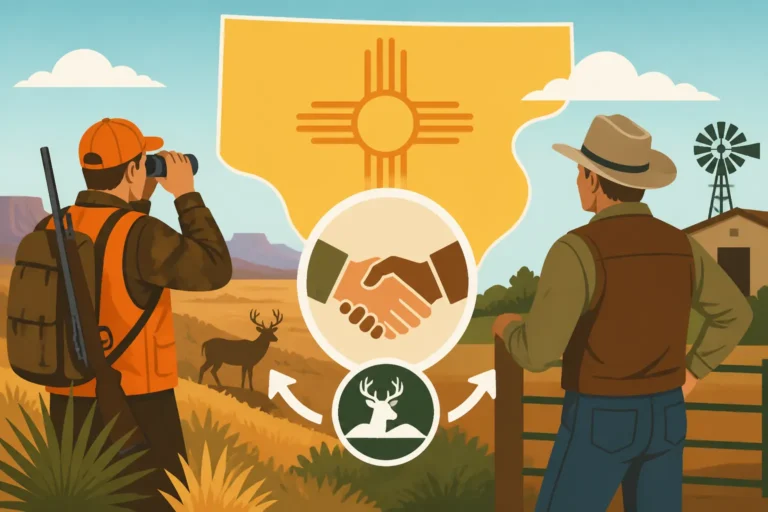
When you hear "drop camp," picture this: you and your gear are essentially dropped off in a pre-arranged, often established camp deep in the wilderness by an outfitter. The outfitter handles the heavy lifting of getting you there and getting your game out, but the actual hunting, scouting, and day-to-day decisions? That's all on you. It's a fantastic blend of independence and crucial logistical support, perfect for hunters who are confident in their abilities but lack the means to pack into remote areas on their own.
The Core Concept: Independence with Support
A New Mexico drop camp hunt is really about providing access. Imagine you've drawn that coveted Gila elk tag, and you've spent countless hours staring at topo maps, identifying pockets of public land miles from the nearest trailhead. You know the elk will be there, away from the pressure, but how do you get yourself, your food, your tent, and weeks' worth of supplies deep into that canyon system? This is where a drop camp shines. The outfitter provides the muscle – horses or mules – to transport you and your equipment to a designated spot, often a permanent or semi-permanent camp. Once there, you're on your own to hunt, explore, and live by your own schedule. It’s distinctly different from a fully guided hunt where a professional guide is with you every step of the way, actively calling, tracking, and making strategic decisions with you in the field. With a drop camp, the guidance stops at the camp boundary, giving you true autonomy.
Services an Outfitter Typically Provides
While the exact offerings can vary widely depending on the outfitter and the agreed-upon package, there are some core services you can generally expect from a New Mexico drop camp provider. The most fundamental is transportation. This typically involves packing you, your camp gear, and your food into a designated wilderness location and then packing you out at the end of your hunt. This is usually done with horses or mules, especially in the vast roadless areas like those found in portions of the Gila National Forest.
Beyond transport, many outfitters will also set up a basic camp for you. This might include a sturdy wall tent, complete with a wood stove for warmth, cots for sleeping, and sometimes even a table and chairs. Water sources are often identified, and while you might need to filter your own, the outfitter can point you to reliable springs or streams. Some higher-end drop camps might even include limited resupply options for food or fuel halfway through a longer hunt, though this is less common and would be part of a very specific, pre-arranged agreement. Critically, these outfitters will also detail their plan for meat retrieval. You’ll be responsible for getting your animal field dressed and often quartered to a designated pick-up spot, but the outfitter's pack string will handle the arduous task of getting that heavy meat out of the backcountry. This service alone is worth its weight in gold, especially if you're lucky enough to tag a bull deep in a canyon.
Why Choose a Drop Camp Over Other Options?
The decision to go with a drop camp often comes down to a desire for a specific kind of hunting experience: one that blends the rugged self-reliance of a DIY hunt with the crucial logistical support that opens up truly remote areas. It's not for everyone, but for many seasoned hunters, it's the sweet spot.
Balancing Cost and Wilderness Access
Let’s be honest, fully guided hunts in New Mexico can come with a significant price tag, especially for species like elk. While the expertise and assistance of a professional guide are invaluable, they simply aren't within everyone's budget. This is where the drop camp steps in as a game-changer. It’s generally a much more affordable option than a fully guided hunt, because you're paying primarily for transportation and camp infrastructure, not for someone to actively hunt with you every day. This cost savings allows many hunters to access prime wilderness areas that would otherwise be completely out of reach. Without the need for your own horses, specialized pack saddles, or weeks of training for a pack string, you can still get miles deep into areas that rarely see human pressure, increasing your odds of encountering those older, wiser animals. This balance of cost-effectiveness and unparalleled access to untamed country is a primary draw. For more on what these services might cost, see What a New Mexico Drop Camp Costs.
The Appeal of DIY Freedom (with a Safety Net)
Many hunters cherish the independence of a do-it-yourself hunt. They want to wake up when they want, plan their own routes, make their own calls, and ultimately, be responsible for their own success or failure. A drop camp provides exactly this level of freedom. Once the outfitter drops you off, you're in charge. There's no pressure to keep up with a guide or follow someone else's strategy. You get to implement your own scouting, rely on your own instincts, and truly earn your animal.
However, this independence comes with a vital safety net. You're not completely alone in the vast wilderness. The outfitter knows your general location, has agreed-upon check-in times, and is your crucial link to the outside world in case of an emergency. This can be a huge psychological comfort, especially when you're hunting in challenging terrain or unfamiliar country. It allows you to embrace the solitude and challenge of a backcountry hunt, knowing that if something goes seriously wrong, help is within reach. This combination of freedom and a fundamental layer of support is often the perfect fit for experienced hunters who know their capabilities and limitations.
Accessing Remote, Unpressured Areas
One of the biggest frustrations for public land hunters is dealing with pressure. Roads, easily accessible trailheads, and popular areas often concentrate hunters, making big game wary and harder to find. This is particularly true for trophy animals, which often seek out the most inaccessible terrain. Drop camps are specifically designed to circumvent this problem. By utilizing horses and mules, outfitters can literally drop you off in areas that are miles, even tens of miles, from the nearest road or popular access point.
Think about the Gila Wilderness in New Mexico. It's a vast, rugged landscape, renowned for its big bulls, but much of it is incredibly difficult to penetrate without a pack string. A drop camp allows you to get deep into these zones, where elk haven't heard a bugle every day of the rut and deer aren't constantly dodging trucks. These areas often hold bigger, older animals simply because they haven't been pushed around as much. This is why outfitters in this region are so valuable; Gila Outfitters Sell Access to Country You Cannot Reach Alone. The ability to hunt truly unpressured game, to experience the wilderness in its rawest form, is a powerful motivator for choosing a drop camp, making the effort and investment entirely worthwhile.
What to Expect from a New Mexico Drop Camp
Diving into a drop camp experience in New Mexico means signing up for a true backcountry adventure. It's not a resort stay, but it's far from completely roughing it either, depending on the outfitter. Understanding the practicalities of camp, transportation, and safety is key to a successful and enjoyable hunt.
Camp Setup and Amenities
When you arrive at your drop camp, you can expect a fairly robust, but still rustic, setup. Most outfitters will provide a large, sturdy canvas wall tent. These aren't your typical backpacking tents; they're designed for comfort and resilience in various weather conditions. Inside, you'll almost always find a wood stove, which is an absolute game-changer for drying wet gear, warming up on cold mornings, and simply creating a cozy atmosphere after a long day of hunting. Don't underestimate the power of a hot stove in October.
You can also typically expect cots for sleeping, keeping you off the cold ground, though you'll still need to bring your own sleeping bag and pad. Some outfitters might provide a basic table and chairs, and perhaps a lantern. What you won't usually find are running water, electricity, or flushing toilets – this is wilderness camping at its core. Water will often be sourced from a nearby spring or stream, requiring purification with a filter or tablets, or it might be packed in by the outfitter in limited quantities. Your personal gear, from cooking equipment to headlamps, will fill in the gaps for comfortable living.
Transportation Logistics
The backbone of any drop camp is the transportation of hunters and gear. This is predominantly accomplished using horses and mules, especially in the designated wilderness areas of New Mexico where motorized travel is restricted. The outfitter will typically establish a meeting point, often a trailhead, where you'll load your gear onto their pack animals. It's absolutely crucial to adhere to the outfitter's weight limits for your personal gear and food. These limits are not arbitrary; they're based on the capacity of their livestock and the difficulty of the terrain. Overpacking can lead to extra fees, or worse, leaving essential items behind.
You'll have scheduled pack-in and pack-out dates, and these are usually firm. The outfitter will take you and your gear in, then leave, returning on the pre-arranged date. If you're fortunate enough to harvest an animal, you'll need to communicate with your outfitter to arrange meat and trophy retrieval. This often means packing out the quarters to a designated pick-up point within a reasonable distance of camp. The outfitter will then send their pack string back in to haul out your hard-earned game. This system ensures that the most physically demanding aspect of deep backcountry hunting – moving heavy loads – is expertly handled.
Communication and Safety Protocols
Even though you’re pursuing a highly independent hunt, you’re never truly off the grid when working with a reputable outfitter. Communication and safety are paramount. Before your hunt, discuss the outfitter's protocols for emergencies. It’s highly recommended that you bring your own satellite communication device, like a Garmin inReach or a Zoleo. These devices allow you to send texts even without cell service, providing a vital lifeline to your outfitter or emergency services. Many outfitters will require you to check in at pre-determined intervals to confirm your safety.
For example, you might agree to send a message every evening or morning, just letting them know you're okay. This simple act provides peace of mind for both parties. In the event of a serious injury or unexpected situation, having a clear emergency plan is critical. This plan should cover how you signal for help, what information to provide, and the outfitter's response. Remember, even with a satellite device, it can take hours, or even days, for help to reach you in remote wilderness areas. Being prepared with a comprehensive first-aid kit and some wilderness first aid knowledge is always a good idea when you’re venturing deep into the Gila or other challenging terrain. For further preparation, consider Wilderness First Aid on a Guided Hunt.
Planning Your New Mexico Drop Camp Adventure
A successful drop camp hunt isn't just about showing up; it requires meticulous planning, from selecting the right outfitter to ensuring you're physically and mentally ready for the challenges ahead. This proactive approach will significantly enhance your experience and your chances of success.
Choosing the Right Outfitter and Unit
Selecting the right outfitter is arguably the most critical step in planning your New Mexico drop camp. Not all outfitters offer drop camps, and those who do might specialize in different units or types of terrain. Start by researching outfitters with a proven track record specifically in the unit you've drawn, or the type of country you wish to hunt, such as the Gila National Forest for elk, or some of the more remote mule deer units. Online resources like BookYourHunt or GoHunt can be excellent starting points to find reputable outfitters and read reviews.
Once you have a few candidates, don't hesitate to call them. Ask detailed questions about their specific drop camp offerings, what's included, their weight limits, and their emergency procedures. Request references from previous drop camp clients and actually call them. Ask about their experience, the camp setup, and the outfitter's responsiveness. Understanding the terrain and game density of your chosen unit is also key. Some units are naturally more rugged and require more robust packing services. By thoroughly vetting your outfitter, you ensure that their services align with your expectations and the demands of your hunt. To dive deeper into selecting a reliable partner, check out Vetting a New Mexico Outfitter Before You Send a Deposit.
Essential Gear and Physical Preparation
Since a drop camp means you're largely self-sufficient once you're dropped off, your personal gear becomes absolutely critical. This isn't the time to skimp on quality or bring unproven equipment. Think of your gear as your lifeline in the backcountry. You'll need a top-notch sleeping system (bag and pad appropriate for the expected temperatures), a reliable cooking setup, navigation tools (GPS, maps, compass, and satellite communication device), and quality hunting optics. Every item must be carefully considered for its weight, durability, and necessity. Remember those weight limits the outfitter imposes? They apply to all your personal gear.
Beyond gear, physical preparation cannot be overstated. New Mexico's hunting terrain, especially in the high country or rugged desert, can be incredibly demanding. You'll be hiking steep ascents and descents, often at high altitudes, day after day, carrying a pack. If you're lucky enough to harvest an animal, you'll also be involved in packing out meat to a pick-up point. Start a rigorous fitness regimen well in advance of your hunt, focusing on cardiovascular endurance, strength training, and hiking with a weighted pack. There's nothing worse than having your hunt cut short or hampered because you're physically unprepared. For a deeper dive into getting ready, read Physical Conditioning for a Gila Hunt.
Understanding the Contract and Costs
Before you commit to a drop camp, you must meticulously review the outfitter's contract. This document is your roadmap and protection. It should clearly outline what services are included (e.g., horse pack-in/out, tent, stove, cots, meat retrieval), the exact dates of service, and any applicable weight limits for your gear. Pay close attention to clauses regarding communication, emergency procedures, and what happens in unforeseen circumstances, such as inclement weather delaying pick-up or unexpected military operations if you're hunting on White Sands.
Costs for New Mexico drop camps can vary significantly, depending on the level of service, the duration of the hunt, and the remoteness of the camp. Some outfitters might offer a basic "pack-in/pack-out only" service, while others include a fully set-up camp with cooking amenities. Understand the pricing structure, including any deposits, payment schedules, and what happens if you fail to draw your tag in the New Mexico lottery system. Many outfitters will offer a refund or credit if you don't draw, but this needs to be explicitly stated in the contract. Don't be afraid to ask for clarification on any ambiguous points. For a detailed breakdown of expenses, refer to What a New Mexico Drop Camp Costs.
Maximizing Your Success in a Drop Camp
A drop camp provides the logistical foundation for a successful hunt, but the actual success rests squarely on your shoulders. It demands a high degree of self-sufficiency, meticulous planning, and robust wilderness skills. Think of it as painting a masterpiece – the outfitter provides the canvas, but you hold the brush.
Pre-Hunt Scouting and Intel
Just because an outfitter is getting you into a prime area doesn't mean you can skip the scouting. In fact, pre-hunt scouting is even more critical for a drop camp hunter, as you won't have a guide leading you to game. Utilize modern e-scouting tools like GoHunt, Gaia GPS, or onX maps to analyze your unit in extreme detail. Identify potential bedding areas, reliable water sources (crucial in New Mexico's arid landscape), travel corridors, and escape routes. Pay attention to elevation changes, prevailing winds, and historical animal movements. Look for natural funnels, saddles, and benches that might concentrate game.
If possible, make a scouting trip to the general area beforehand, even if you can't access your exact drop site. Understanding the terrain, vegetation, and typical weather patterns will be invaluable. Develop a daily hunting plan before you even leave home, complete with alternative strategies for different wind conditions or game movements. The more intel you gather and digest before your boots hit the ground, the more efficient and effective you'll be once the hunt begins. Remember, you're the guide on this trip, so be prepared to lead yourself to success. A good starting point for this is E-Scouting a New Mexico Unit Before the Season.
Self-Sufficiency and Wilderness Skills
Once you're dropped off, you are largely on your own. This isn't a hand-holding experience, and that's precisely the appeal for many. Therefore, possessing strong wilderness skills is not just a bonus; it's a necessity. Navigation skills are paramount. You must be proficient with a compass and map, and know how to use your GPS device or smartphone mapping app even when batteries are low or signals are weak. Always carry a physical map and compass as a backup.
Beyond navigation, basic survival preparedness is key. Know how to build a fire in wet conditions, purify water, and address common backcountry medical issues. A comprehensive first-aid kit is non-negotiable, and you should know how to use everything in it. Understand how to manage your body temperature in fluctuating weather, field repair broken gear, and deal with unexpected wildlife encounters. While your outfitter is a safety net, they are not immediately present. The more self-sufficient you are, the safer and more enjoyable your hunt will be. Furthermore, having a reliable way to communicate, such as personal satellite communication device, provides immense peace of mind. For more on this, see Satellite Communication From a Hunting Camp.
Meat Care and Retrieval
Harvesting an animal deep in the New Mexico backcountry is an incredible accomplishment, but the work isn't over when the animal hits the ground. Proper meat care is paramount, especially in early season hunts where temperatures can be surprisingly warm. You'll need to know how to quickly and efficiently field dress and quarter your animal to allow for rapid cooling. Carrying game bags is essential to protect the meat from dirt, flies, and other contaminants. If you're hunting elk, be prepared for the sheer volume and weight of the meat.
Once the animal is quartered, you'll typically need to pack it to a pre-arranged pick-up point that the outfitter can access with their pack string. This might involve several trips on foot, carrying heavy packs. Communicate promptly with your outfitter after a harvest to coordinate retrieval. They will advise on the best location and timing for their pack animals. Having a clear plan for meat retrieval, and being physically capable of executing your part of it, is a non-negotiable aspect of a successful drop camp hunt. Learning to manage this process in varying conditions is key to ensuring your hard-earned meat doesn't spoil. For practical tips on this, check out Field Dressing in Desert Heat.
Comparing Hunt Options: Drop Camp, DIY, and Fully Guided
To help you decide if a New Mexico drop camp is the right fit for your next adventure, let's break down the core differences between the three main approaches to big game hunting in the state:
| Feature | DIY Public Land Hunt | New Mexico Drop Camp Hunt | Fully Guided New Mexico Hunt |
|---|---|---|---|
| Access to Remote Areas | Limited to what you can walk or drive (road access) | Excellent, pack animals get you deep into wilderness | Excellent, often deepest wilderness with guide |
| Cost | Lowest (licenses, gear, travel) | Moderate (outfitter fees, licenses, gear, travel) | Highest (outfitter, licenses, trophy fees, tips) |
| Independence | 100% self-reliant, full autonomy | High, once at camp you are on your own for hunting | Low, guide directs most aspects of the hunt |
| Logistical Support | None (you handle everything) | Camp setup, pack-in/out, game retrieval | Full service: camp, meals, guiding, game retrieval |
| Hunting Experience | You find and harvest game entirely on your own | You find and harvest game, no guide in field | Guide actively helps find, stalk, and call game |
| Physical Demands | High (carry everything, pack out game) | High (pack game to retrieval point, hike daily) | Moderate to High (guide helps with heavy lifting) |
| Learning Curve | Steep, requires comprehensive wilderness skills | Moderate to Steep, requires strong hunting skills | Lower, guide provides expertise and knowledge |
| Emergency Preparedness | Entirely on you | Outfitter provides communication link/plan | Outfitter handles all emergency protocols |
Disclaimer
This article is for general informational purposes only and does not constitute professional advice. Laws, prices and regulations vary by location and change over time. Consult a qualified professional for guidance on your specific situation.