Trailhead Parking Rules for New Mexico Hunters
One of the silent stressors of any New Mexico hunt, especially when you're headed into the backcountry, isn't about the game itself, but something far more mundane: where to leave your truck. Showing up at a trailhead only to find it overflowing, or worse, realizing you've inadvertently parked somewhere illegal or inconsiderate, can throw a wrench in your entire day. This guide aims to demystify trailhead parking rules and best practices for hunters across New Mexico's diverse public lands, ensuring your vehicle is safely stowed while you chase your quarry.
Understanding Public Land Parking Designations
Navigating the various types of public land in New Mexico means understanding that parking rules can subtly shift depending on who manages the ground. It’s not always a hard-and-fast universal law, but rather a blend of official regulations and common-sense etiquette.
National Forests and Designated Parking
When you're heading into one of New Mexico's magnificent National Forests—places like the Gila, Cibola, Santa Fe, Carson, or Lincoln—you'll often encounter a mix of designated parking areas and more informal pull-offs. Many popular trailheads, especially those leading into wilderness areas, will have obvious parking lots. These are usually well-marked, sometimes with vault toilets, informational kiosks, and even a fee station where you might need to display a specific pass. These spots are typically the safest and most legal places to leave your vehicle for extended periods.
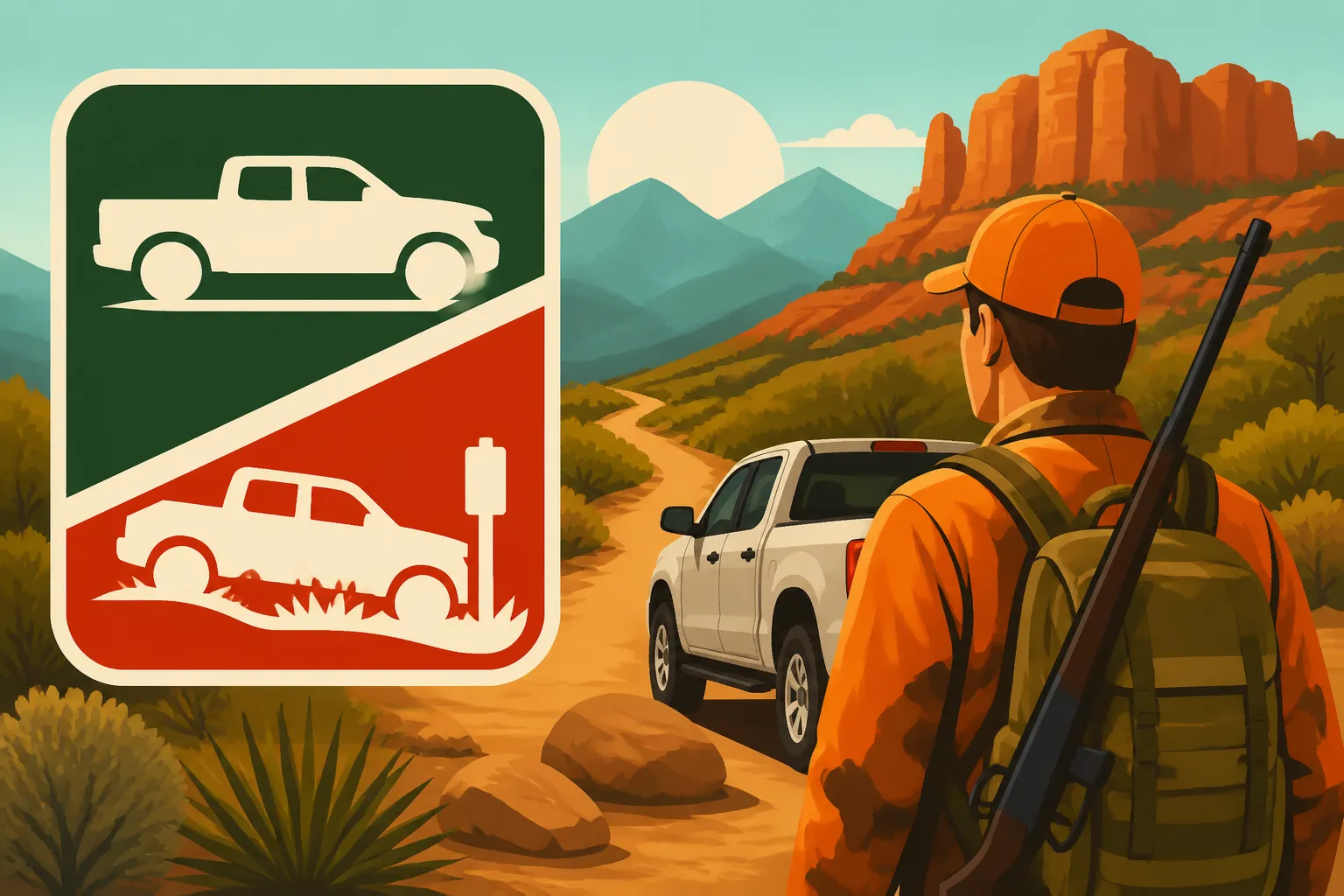
However, not every access point has a paved lot. Many roads winding deep into the forest offer smaller, gravel pull-offs. The key here is to ensure your vehicle is completely off the main travel lane, not obstructing traffic, and not damaging any vegetation. Look for signs indicating "Day Use Only" if you plan on camping nearby, as these areas often have specific hours. Dispersed camping, where you can essentially park and set up camp away from developed sites, is often allowed in National Forests, but your vehicle must still be parked legally and responsibly, well clear of roadways and sensitive areas. Always check the specific forest or district's website for any current closures or restrictions before you go; what was open last year might be temporarily closed this season.
BLM Land and Dispersed Parking
Bureau of Land Management (BLM) lands make up a vast portion of New Mexico's public hunting ground, and they often offer a more flexible approach to vehicle access and parking. Unlike some National Forest trailheads, you'll rarely find dedicated, paved parking lots on BLM land unless you're at a specific recreation site. Instead, hunters are typically allowed to pull off established roads and park as long as their vehicle is not blocking access, causing environmental damage, or on private property.
The beauty of BLM land is often its openness, but this also means more responsibility falls on the individual hunter. When parking, think about your impact: Is your vehicle crushing fragile desert plants? Is it creating new, unnecessary tracks? Are you making it impossible for another vehicle, perhaps a rancher's or an emergency responder's, to pass by? The general rule of thumb is to stay on existing roads and trails. If you pull off, find a spot that’s already disturbed, like a wider shoulder or an old turnaround, rather than blazing a new path. This minimalist approach helps maintain the integrity of the landscape and ensures continued access for everyone. Remember, New Mexico has over 30 million acres of public hunting land, and much of it falls under this more dispersed management style.
State Trust Land and Access Points
New Mexico State Trust Land presents a unique situation for hunters when it comes to parking. Unlike federal lands, State Trust Land is managed to generate revenue for specific beneficiaries, and public access for recreation, including hunting, is granted through an easement with the Department of Game and Fish. The good news is that A New Mexico License Is Your State Trust Land Easement, meaning your hunting license generally covers your access.
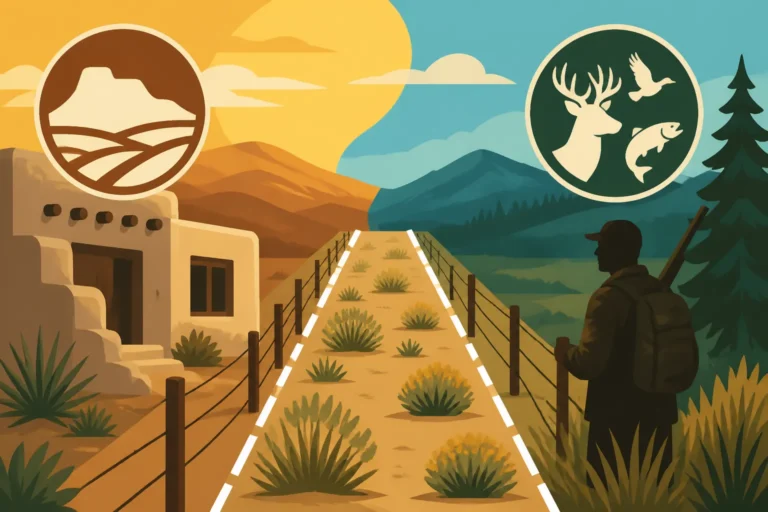
However, this access doesn't always mean you can drive and park anywhere. Often, access to State Trust Land is via designated routes or established roads that may traverse private property. While you don't typically need a separate permit for the trust land itself, you do need to be acutely aware of where those access points begin and end, and ensure you're not inadvertently trespassing on private land or blocking a private gate while trying to park. Many of these access points are simply pull-offs on existing county or ranch roads, and they can be subtle. It’s absolutely critical to consult a reliable mapping tool like onX Hunt to ensure you’re parking on the correct side of the property line and not impeding any private landowners or ranchers who rely on those roads for their operations. Remember, respecting private property boundaries is paramount for preserving public access in the long run.
Common Parking Pitfalls and How to Avoid Them
Even with the best intentions, it's easy to make a mistake when parking at a trailhead, especially in unfamiliar terrain or when daylight is fading. Being aware of the most common pitfalls can help you avoid fines, frustration, and even impact your hunt.
Blocking Roads and Gates
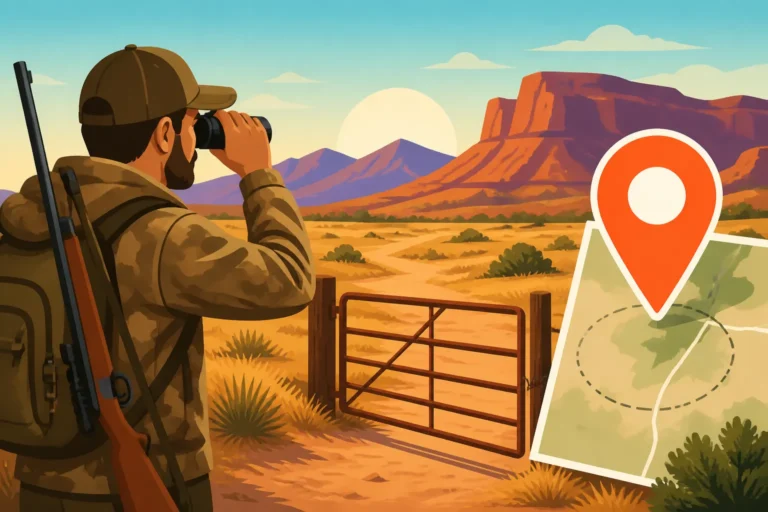
This is perhaps the most critical rule of all: Never block a road or a gate, even for a moment. It sounds obvious, but you’d be surprised how often it happens. Access roads, even those that seem abandoned or rarely used, are vital for various purposes. They might be used by local landowners, ranchers moving livestock, emergency services, forest service personnel, or even other hunters. Blocking a road, even partially, can create significant safety hazards and obstruct critical operations. Imagine a wildfire breaking out, and a fire engine can't get through because your truck is parked just a little too far into the lane.
Similarly, gates, even unlocked or seemingly unused ones, are there for a reason—usually to manage livestock or property access. Parking in front of a gate, even if you can walk around it, can be seen as an act of disrespect to the landowner and can lead to a direct call to law enforcement or the game department. Before you shut off your engine, take a moment to look around. Is your vehicle completely off the main track? Can two vehicles comfortably pass? Is there a clear path to any gates or access points? If you're unsure, find another spot. When considering Motorized Travel Rules on New Mexico Public Land, remember that they also apply to your parking choices.
Respecting Private Property Boundaries
New Mexico's landscape is a patchwork of public and private lands, and often, the boundary lines are not clearly marked on the ground. This is where accidental trespass can occur, and it's a major headache for hunters and landowners alike. You might think you're parking on public land, but a small finger of private property could extend right up to the roadside where you've pulled off.
This is precisely why detailed mapping applications like onX Hunt are indispensable. Before you even head out, spend time looking at the satellite and land ownership layers for your chosen unit. Identify potential parking areas and their proximity to private ground. When you arrive, use the GPS on your phone to confirm your location relative to property lines. Sometimes, merely moving your vehicle ten feet can mean the difference between legal public parking and an accidental trespass. If there’s any doubt, err on the side of caution and find a spot that’s unequivocally on public land. It's not just about avoiding a ticket; it's about maintaining a good relationship with landowners, which is crucial for future access. Written Permission Requirements in New Mexico are very clear, and they extend to where you park and stage your hunt.
Fire Restrictions and Vehicle Impact
New Mexico is no stranger to dry conditions, and fire restrictions are a serious consideration for hunters, especially during early seasons. A hot catalytic converter resting on dry grass or brush can quickly spark a wildfire, devastating huge tracts of habitat and potentially putting lives at risk. Parking isn't just about legality; it's about environmental responsibility.
Always be aware of the current fire restrictions in the area you plan to hunt. These can range from "no open flames" to complete "red flag" bans on all vehicle travel off paved or improved roads. Even without explicit bans, common sense dictates avoiding parking in tall, dry grass, especially if your vehicle has been running for a while. Seek out gravel pull-offs, bare dirt patches, or areas where the vegetation is sparse and unlikely to ignite. Some areas might even have specific rules about spark arrestors on off-road vehicles or requiring vehicles to carry a shovel and fire extinguisher. Pay close attention to public land agencies' websites and local news before your hunt, as Fire Restrictions During Hunting Season can be implemented quickly and without much warning.
Practical Tips for Stress-Free Trailhead Parking
Taking a few proactive steps can save you a lot of headache and ensure your vehicle is safe and legally parked throughout your hunt.
Using Mapping Apps for Reconnaissance
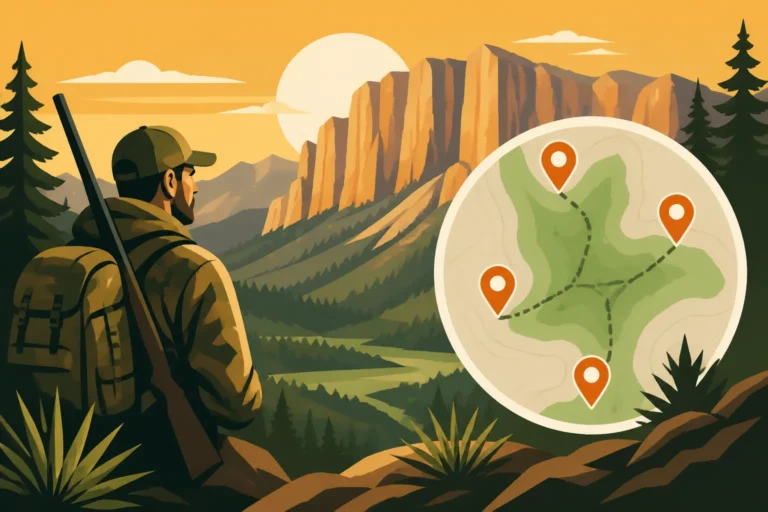
Modern technology has revolutionized how hunters scout and prepare, and mapping apps like onX Hunt and GoHunt are invaluable tools for planning your parking strategy. Before you even load your gear, pull up your hunting unit on one of these apps. Use the satellite imagery to zoom in on potential access points and trailheads. Look for wide shoulders, existing pull-offs, or areas where other vehicles have clearly parked before.
Crucially, toggle the land ownership layer. This will clearly show you the boundaries between public and private land, preventing accidental trespass before you even leave your driveway. You can drop waypoints at ideal parking locations, and even create a route from the main road to your chosen spot. This pre-scouting via app allows you to have a few backup parking options in mind, especially for popular areas or opening weekends. Knowing where the public land starts and ends, and identifying suitable parking ahead of time, greatly reduces stress on hunt day. This level of detail in E-Scouting a New Mexico Unit Before the Season is a game-changer.
Early Arrival and Alternative Access
Hunting season, particularly opening weekend for popular species like elk or mule deer, can turn even remote trailheads into bustling hubs. Arriving early is often the best strategy to secure a desirable and legal parking spot. Many hunters will roll in before dawn to hit the trails at first light, so planning to be there even earlier can pay dividends.
If a primary trailhead is full, don't just squeeze into a questionable spot. Have a backup plan. This is where your mapping app reconnaissance comes in handy. Are there other, less obvious access roads or pull-offs further down the road or on an adjacent two-track? Sometimes, a willingness to walk an extra half-mile from a less crowded parking spot can save you a lot of trouble and actually get you away from other hunters faster. Consider less popular entry points that might require a slightly longer hike to your intended hunting grounds. Finding Low Pressure Ground on Opening Weekend often starts with finding less pressured access points.
Vehicle Security and Preparedness
While the focus is on legal parking, vehicle security and preparedness are closely related. You're going to be leaving your vehicle unattended for hours, sometimes days, in remote locations. It's smart to remove any valuables or at least keep them out of sight. Lock your doors, even if you feel like you're in the middle of nowhere. Thieves can target remote trailheads, knowing hunters will be gone for extended periods.
Beyond security, think about preparedness. Is your spare tire inflated? Do you have basic tools, jumper cables, and a small air compressor? A dead battery or a flat tire in a remote area can turn a successful hunt into a miserable recovery effort. Consider leaving a note on your dashboard with your name, contact number, and an approximate return time, especially if you're venturing into the backcountry for several days. This can be helpful for concerned passersby or land managers who might check on vehicles.
Here’s a quick overview of parking considerations by land type:
| Land Type | Common Parking Rules | Key Considerations |
|---|---|---|
| National Forest | Designated lots at trailheads, dispersed pull-offs. | Check for "Day Use Only" signs; ensure vehicle completely off road; possible fees. |
| BLM Land | Dispersed parking off existing roads/two-tracks. | Do not block access; avoid creating new tracks; minimize environmental impact. |
| State Trust Land | Access via specific easements/roads, often subtle pull-offs. | Critical to verify property lines (e.g., with onX Hunt); respect private boundaries; no blocking gates. |
| Private Land (adjacent) | Strictly prohibited without written permission. | Absolutely check maps for boundaries; even a tire on private land is trespass. |
By understanding these nuances and applying common sense, you can ensure that your hunting adventures in New Mexico start and end without any unnecessary parking woes.
Disclaimer
This article is for general informational purposes only and does not constitute professional advice. Laws, prices and regulations vary by location and change over time. Consult a qualified professional for guidance on your specific situation.