Can You Camp on New Mexico Trust Land?
It's a common frustration for hunters trying to piece together where they can legally pitch a tent, especially when you're looking at different types of public land. New Mexico has a unique mosaic of land ownership, and State Trust Land can often feel like a puzzle. This guide aims to clear up the common confusion surrounding camping on New Mexico State Trust Land, outlining what your hunting license allows and what it doesn't, so you can plan your hunt with confidence and avoid any unwelcome surprises.
Understanding New Mexico State Trust Land Access
New Mexico State Trust Land is a huge asset for hunters, but it operates under different rules than, say, a National Forest or BLM land. It's not just "public land" in the same way, and understanding these distinctions is crucial for anyone planning a hunt. Many hunters assume that if they can hunt it, they can camp on it, but that's not always the case, especially with Trust Land.
The Easement for Hunting and Fishing
Your New Mexico hunting license grants you a very specific privilege when it comes to State Trust Land: an easement for hunting and fishing. This is a critical point that many folks miss. It means you have legal access to the surface of the land to pursue game or fish, but it doesn't necessarily open the door for all recreational activities you might typically associate with public land. Think of it less as a wide-open recreational area and more as dedicated access for your specific hunting or fishing purpose. This easement is granted through an agreement between the New Mexico State Land Office and the Department of Game and Fish, ensuring hunters and anglers can utilize these lands. It's a fantastic benefit, really, because it unlocks millions of acres that would otherwise be off-limits. However, it's vital to remember the scope of that easement. You can learn more about this by reading A New Mexico License Is Your State Trust Land Easement.
This distinction is important because the primary mandate of the State Land Office is to generate revenue for specific state institutions, like schools. While hunting and fishing access is permitted, activities that could hinder future revenue generation or cause excessive impact might be restricted. So, while you're certainly welcome to pursue game, your activities are expected to align with that core purpose, and not stray into general recreational camping that might be allowed elsewhere.
General Rules for Recreational Use
Beyond hunting and fishing, general recreational use on New Mexico State Trust Land is often limited or requires specific permits that are not typically available for individual hunters. The State Land Office manages these lands carefully, and they're not managed under the same multi-use mandate as, say, a National Forest or Bureau of Land Management (BLM) property. This means activities like off-roading, extensive hiking, or setting up a long-term recreational camp without specific authorization are generally not permitted.
The rules are designed to protect the land's resources and ensure its long-term productivity, both for grazing and mineral leases, and for the benefit of the trust beneficiaries. Hunters are guests under a specific agreement, and respecting the broader rules is essential to maintaining that privilege for everyone. If you're on Trust Land, always assume your presence is specifically for hunting or fishing, and conduct yourself accordingly. Leaving minimal impact and adhering strictly to regulations helps preserve access for future generations of hunters.
Scouting and Hunt Period Limitations
One of the great allowances for hunters on State Trust Land is the ability to scout. You are permitted to scout New Mexico Trust Land up to 14 days before your hunt starts. This is a huge advantage, allowing you to get eyes on the ground, find game trails, glass new areas, and plan your approach. However, this "14-day rule" is specifically for scouting activities, not for setting up an early camp or moving into the area weeks in advance. You May Scout New Mexico Trust Land 14 Days Before a Hunt provides more detail on this specific allowance.
This period is designed to facilitate your hunt preparation, allowing you to familiarize yourself with the terrain and game movement without actually commencing the hunt. It's a precious window that can significantly improve your chances of success. However, during this scouting period, and indeed during the hunt itself, the nature of your presence is still tied to the hunting easement. It’s about being present to observe, plan, and execute your hunt, not to establish a recreational base camp.
Camping on State Trust Land: The Specifics
This is where the rubber meets the road, and it's where many hunters get confused. The short answer regarding conventional overnight camping might surprise some, but understanding the intent behind the rules makes it clearer.
Is Overnight Camping Allowed?
Generally speaking, conventional overnight camping is NOT permitted on New Mexico State Trust Land under a standard hunting license. The easement granted to hunters and anglers specifically covers hunting and fishing activities, not general recreational camping. This means setting up a traditional camp with tents, campfires, and leaving your gear unattended for extended periods is typically prohibited.
While you are certainly allowed to be on the land during legal hunting hours, and take breaks or even bivy out for a few hours during an active stalk or wait, establishing a multi-day base camp is a different matter. The distinction lies in the nature of the activity. Being present to hunt is one thing; setting up a recreational camp is another. Hunters should plan to use adjacent National Forest or BLM lands for their overnight accommodations, or secure private land permission. This might mean longer drives to your hunting spot each morning and evening, but it's the responsible and legal way to approach Trust Land. Always verify the rules for the specific tract you're interested in, as rare exceptions or special permits might exist for specific events, but for the average hunter, assume overnight camping is a no-go.
The "14-Day Rule" and its Implications for Camping
As mentioned, you can access Trust Land for scouting up to 14 days before your hunt. This rule, however, pertains to your presence for scouting, not for camping. You can drive in, walk around, glass, and use mapping tools like onX Hunt to mark waypoints and identify game sign. You can spend a full day doing this. What you cannot do is establish a camp and stay overnight for the entire 14-day period, or even for one night, just because you are "scouting."
The intent of the 14-day rule is to allow pre-hunt preparation, which includes temporary presence on the land. It's not a loophole to bypass the general prohibition on camping. If you're planning a multi-day scouting trip or a multi-day hunt where you need overnight accommodation, your base camp should be established on other public lands, such as National Forests or BLM acreage, which are generally more amenable to dispersed camping. This ensures you're always within the bounds of the Trust Land regulations.
Designated Camping Areas vs. Dispersed Camping
Unlike National Forests or some BLM areas where you might find designated campgrounds or be allowed dispersed camping almost anywhere, New Mexico State Trust Land does not typically have designated camping areas for public use with a hunting license. Furthermore, dispersed camping, which is the practice of camping outside of a designated campground, is generally not permitted either.
This is a key difference that highlights the unique management of Trust Land. When planning your hunt, you'll need to secure your actual sleeping arrangements off Trust Land. This might involve setting up a camp on a nearby patch of BLM ground, finding a National Forest campground, or booking a spot at a private campground or hotel. It means that while Trust Land offers incredible hunting opportunities, it often requires a bit more logistical planning for your overnight stays. Understanding this helps you manage your expectations and ensure you're not caught off guard deep in the field. When checking maps, particularly with tools like GoHunt, ensure you're not just looking at the hunt unit boundaries, but also the underlying land ownership layers to find suitable adjacent public lands for camping.
Practical Considerations for Camping on Trust Land
While traditional camping might be out, preparing for your time on Trust Land still requires careful thought, particularly if you're spending long hours on the ground during your hunt.
Leave No Trace Principles
Even though you may not be setting up a long-term camp, adhering to Leave No Trace principles is absolutely paramount on State Trust Land. This land is often sensitive, arid, and utilized by ranchers. Anything you bring in, you must pack out. This includes all trash, food scraps, and even human waste, especially in sensitive desert environments. Consider carrying wag bags or other waste disposal methods if you'll be spending long hours afield.
Your actions directly reflect on the hunting community and can impact future access agreements. A spotless campsite (or lack thereof) and an unblemished landscape help maintain the positive relationship between hunters and the State Land Office. Think about your impact every step of the way – from parking your vehicle to taking a break for lunch. Even small things, like walking through delicate vegetation, can leave a lasting mark.
Fire Restrictions and Safety
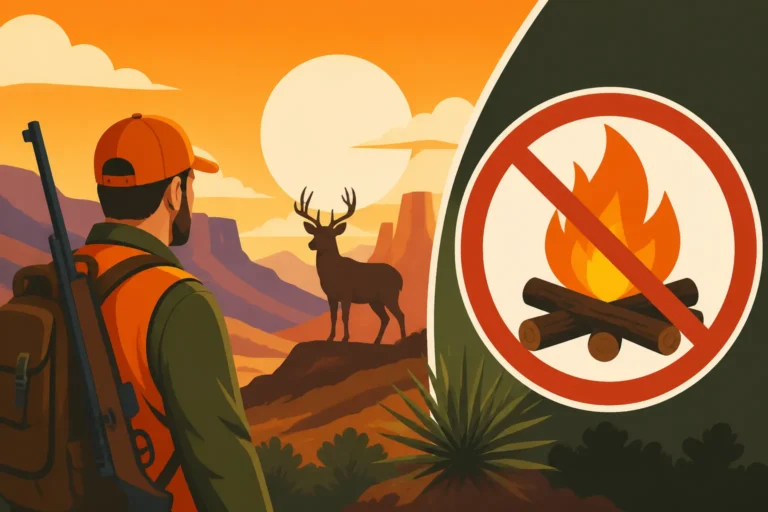
Fire restrictions are a serious consideration across all public lands in New Mexico, and State Trust Land is no exception. Given the often dry, arid conditions, especially during hunting seasons, fire danger can be extremely high. Open campfires are frequently prohibited, and even gas stoves might be restricted during extreme conditions. It's your responsibility to know the current fire restrictions before you ever leave home.
Always check the local conditions and any statewide bans before heading out. Violating fire restrictions can lead to hefty fines, legal trouble, and, most importantly, devastating wildfires. A quick call to the local State Land Office district or checking their website can provide the most up-to-date information. If fires are allowed, always use existing fire rings if present (though unlikely on Trust Land), ensure fires are completely out and cold to the touch before leaving, and never leave a fire unattended. Safety must always come first to protect our precious natural resources. Understanding Fire Restrictions During Hunting Season is a must for any New Mexico hunter.
Water Sources and Waste Management
Water is gold in New Mexico's arid landscapes, particularly on much of the State Trust Land. Natural water sources are often scarce and, if present, are vital for wildlife and livestock. Never contaminate these sources. Plan to pack in all the water you'll need for your hunt, and then some. For extended day hunts, this might mean carrying several liters per person. Remember, there typically won't be developed water sources on Trust Land.
Similarly, managing human and animal waste is critical. As mentioned, pack out all trash. For human waste, burying it 6-8 inches deep and at least 200 feet from water sources, trails, and campsites is the general Leave No Trace guideline for areas where it's permitted. However, in extremely arid or sensitive areas, or where regulations are strict, packing out human waste is the preferred and sometimes required method. Always assume the most conservative approach to protect the environment and maintain access. If you're on a long day hunt, planning for this is just as important as planning your shot.
Tools and Resources for Planning Your Trip
Navigating New Mexico's diverse land ownership can feel daunting, but thankfully, modern tools and resources make it much easier.
Mapping Tools for Identifying Trust Land
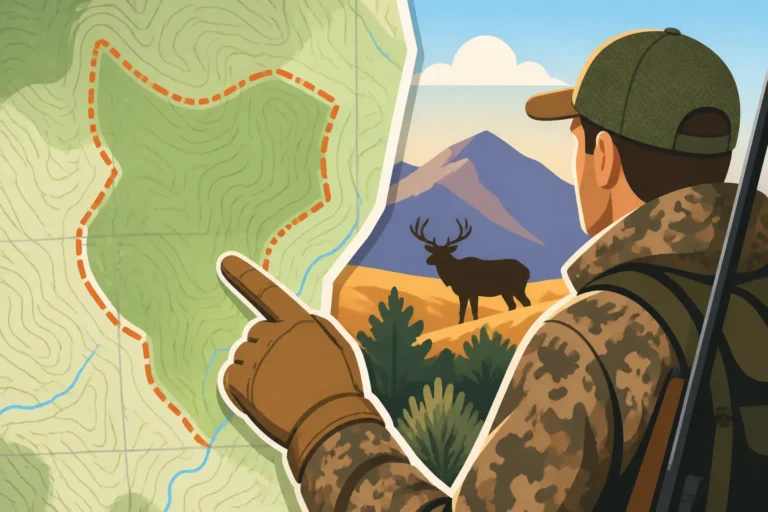
Digital mapping applications have revolutionized how hunters scout and navigate public lands. Brands like onX Hunt and GoHunt provide invaluable layers that clearly delineate land ownership boundaries, allowing you to easily identify State Trust Land, BLM, National Forest, and private parcels. Using these apps, you can mark waypoints, measure distances, and understand the terrain long before you step foot on the ground. This capability is absolutely essential for hunting New Mexico effectively.
Before your hunt, spend significant time e-scouting. Identify the Trust Land you intend to hunt, but just as importantly, identify adjacent BLM or National Forest lands where you can legally camp. Plan your access points to Trust Land and your routes, always being mindful of private land inholdings or sections you're not permitted to cross. Many hunters find Reading a Land Ownership Layer Correctly to be a game-changer in their preparation. These tools often allow you to download maps for offline use, which is critical in areas with no cell service.
Checking for Specific Unit Regulations
While the general rule is no camping on State Trust Land, it's always wise to double-check the specific regulations for your particular Game Management Unit (GMU) and any nuances that might apply. The New Mexico Department of Game and Fish publishes an annual "Rules and Information Booklet" that is an indispensable resource. This booklet will detail everything from season dates to specific unit rules. You can find out more about unit information by looking up How New Mexico Numbers Its Game Management Units.
Sometimes, depending on the specific lease agreements for a parcel of Trust Land, there might be additional stipulations or even temporary closures. While rare for camping specifics, it's good practice to be aware. Staying informed means you're not just relying on general knowledge but are armed with the most current, hyper-local information. A quick check of the NMDGF website or a call to a regional office can clarify any lingering doubts.
Respecting Boundaries and Private Inholdings
New Mexico's landscape is a patchwork. Trust Land parcels are often intertwined with private property, BLM, and National Forest. It is your legal and ethical responsibility to know exactly where you are at all times. Trespassing onto private land, even inadvertently, can lead to serious consequences, including fines, loss of hunting privileges, and even confiscation of game. This is why tools like onX Hunt are so critical; they provide real-time location tracking against land ownership maps.
When planning your hunt on Trust Land, pay close attention to the boundaries. Identify any private land inholdings or access roads that might cross private property. Always ensure you have written permission if you need to cross private land to access a public parcel. Never assume access. Respecting these boundaries is not just about legality; it's about being a good ambassador for hunting. Hunters who consistently respect property lines and landowner rights help maintain public access for everyone. It's a small but significant act that impacts the entire hunting community.
Here's a quick comparison of general camping rules across different land types in New Mexico:
| Land Type | Overnight Camping (Typical) | Hunting License Access | Primary Management Goal | Key Considerations |
|---|---|---|---|---|
| State Trust Land | Generally NOT permitted | Yes (for hunting/fishing) | Revenue generation for state beneficiaries | Day use for hunting; use adjacent lands for camping. |
| BLM Land | Generally permitted (dispersed) | Yes | Multi-use, resource management | Check for fire restrictions, designated areas, duration limits. |
| National Forest | Generally permitted (dispersed/designated) | Yes | Multi-use, resource management | Check for fire restrictions, designated areas, wilderness rules. |
| Private Land | Permitted with landowner consent | With permission | Owner's discretion | Always require explicit, often written, permission. |
This article is for general informational purposes only and does not constitute professional advice. Laws, prices and regulations vary by location and change over time. Consult a qualified professional for guidance on your specific situation.